The career crossroads for Ridge Holland
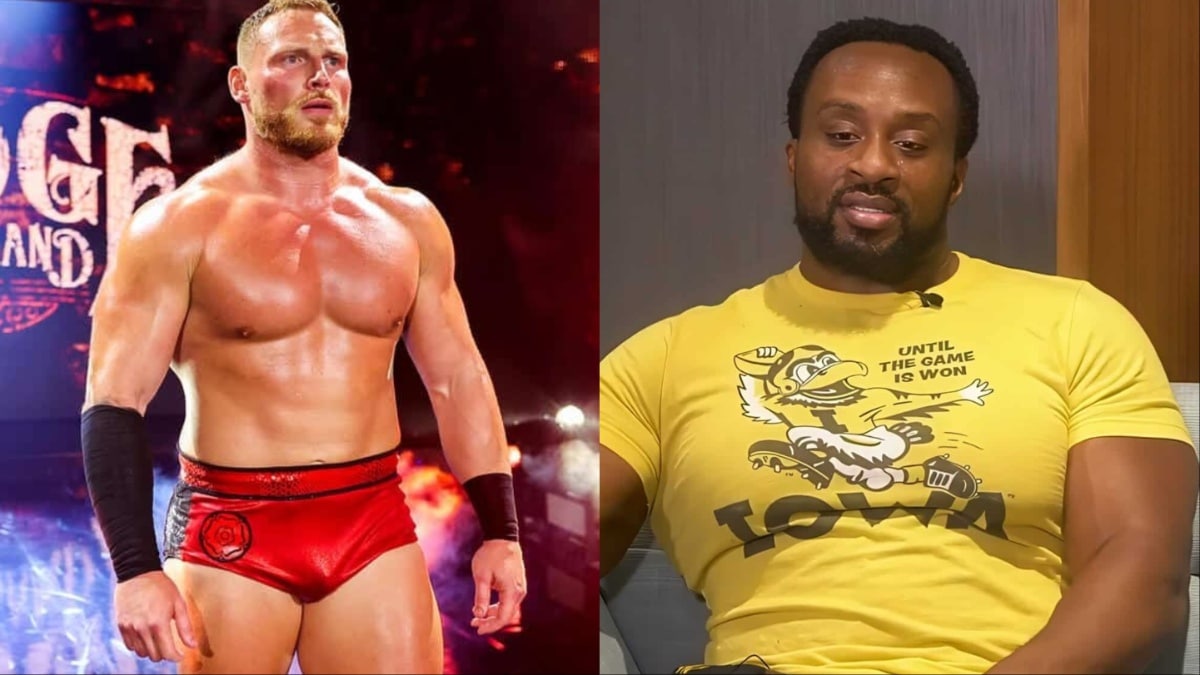
Ridge Holland finds himself at a defining moment in his career. The former stablemate of the Brawling Brutes has struggled to regain significant television momentum following a series of controversial events that alienated parts of the fanbase. His association with the injury sustained by Big E remains a shadow cast over his technical progression. Industry observers suggest that a reset is not just optional, but necessary for the 37-year-old.
Reports from talent relations indicate that WWE creative is evaluating whether to keep Holland within the current developmental hierarchy or if a strategic pivot is required. His strength-based style is technically sound, yet he lacks the narrative hook to maintain interest in a mid-card saturated with high-flyers and technical specialists. Transitioning away from the main roster spotlight might provide the breathing room needed to recalibrate his public perception.
Source credibility and internal atmosphere
Internal discussions regarding roster depth often focus on separating performers who have reached a ceiling from those who can still break through. Sources suggest that Holland's usage has been hampered not by lack of effort in the ring, but by the weight of external reaction. While the company rarely admits to booking around social media noise, the lack of push for Holland following the Big E incident is impossible to ignore.
We are closely watching how the transition occurs. There is no official talk of a release. However, the probability of a move to an independent circuit or a revitalized run in an international promotion is gaining traction among those tracking movement. A fresh start in a territory that values traditional power-wrestling could allow him to re-establish confidence without the baggage of past incidents.
The difficulty of the reset
One critical observation remains: Holland’s transition to the main roster was always going to be steep. His reliance on heavy impact moves like the Northern Grit requires significant trust from his opponents. If that trust is even slightly damaged by the cloud of past injuries, his ability to execute his moveset safely is compromised. Critics point to his match pacing as a point of failure, often feeling disjointed compared to the frantic speed expected in the modern product.
A move would be an admission that the current trajectory failed. If he remains, the creative team must find a way to pivot him into a heel role that leans entirely into the heat generated by the fan discourse. Staying on the roster as a generic mid-carder will result in stagnation. The risk here is that he moves into a position where he is remembered only for the incidents involving Big E rather than his own in-ring identity.
Probability and outlook
The probability of a change in scenery within the next six months sits at medium-high. Talent looking for a clean slate often look toward the independent promotions that prioritize pure, hard-hitting brawling styles. Holland fits that mold, provided he can shed the frustration of his post-Brawling Brutes stint. If he moves, he could find new life, but his ceiling in a major promotion is currently capped at 0% chance of sustained main event status until the current narrative baggage dissipates.
The impact of such a departure would be limited in the immediate term for WWE. The promotional depth is deep enough that moving one mid-card bruiser does not disrupt the weekly output. For Holland, however, this represents a choice between fighting for relevance in a company that is currently indifferent to his status or reclaiming his reputation elsewhere. Fans should watch for movement in the late third quarter of 2026 as contracts potentially reach renewal windows.