Another One Bites The Dust
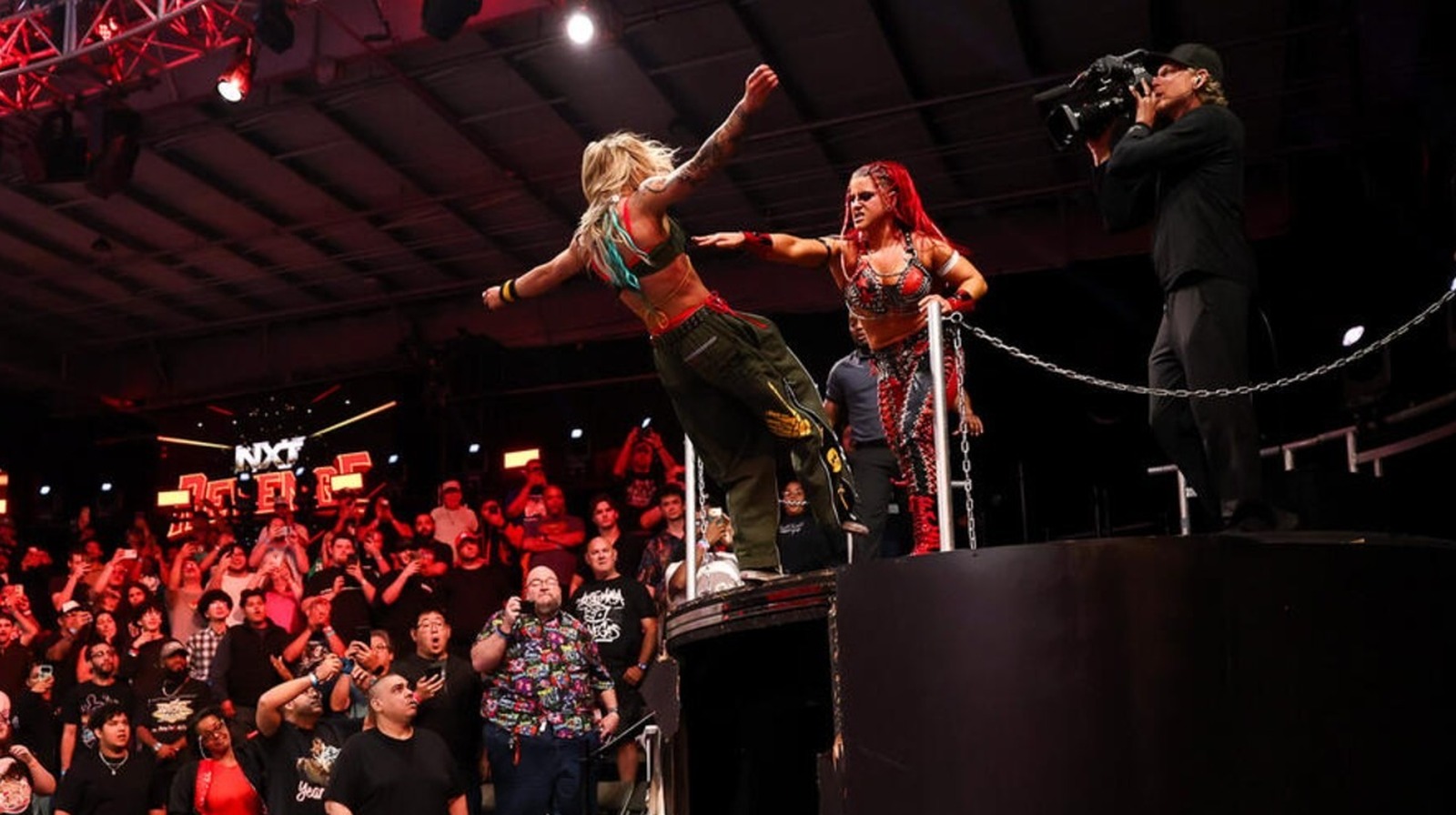
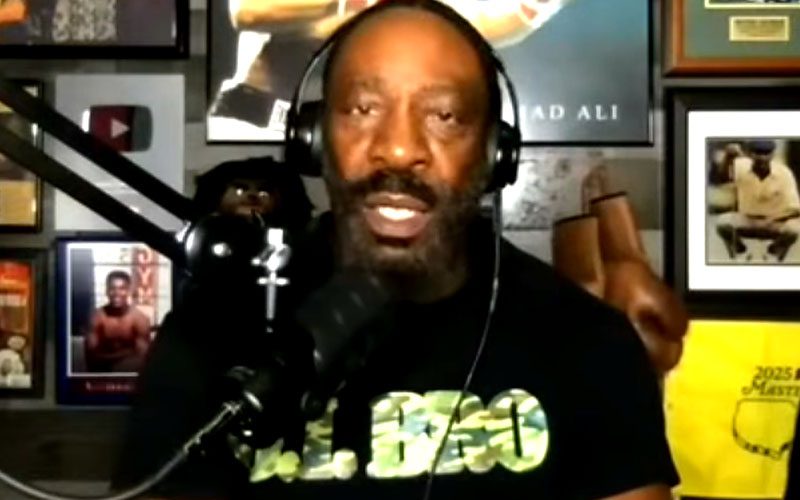
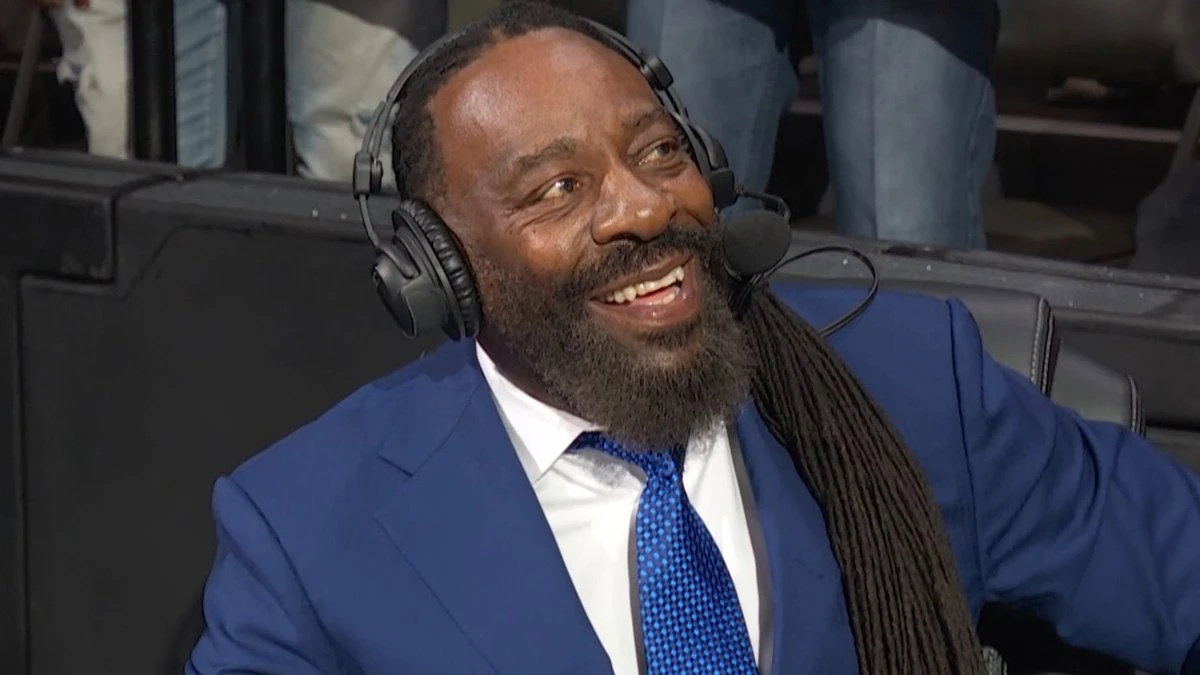
Another week, another round of NXT releases, and another post-mortem from the wrestling internet. It’s a ritual as old as developmental itself. But this time, Booker T lobbed a grenade into the discourse that has everyone fired up. Speaking on his podcast, the Hall of Famer commented on a recent, unnamed release, saying the guy passed the “airport test” with flying colors but was ultimately “hampered by being in a group.”
Booker’s take—that this wrestler had the look but was failed by his presentation—has become a Rorschach test for the entire NXT system. Did a future star just get cut because of bad creative, or was this another classic case of “looks like Tarzan, wrestles like Jane”? The forums and Discords immediately split into two warring camps, and honestly, both sides are making some pretty good points.
Take #1: “The Performance Center Isn’t a Charity”
First up, you have the pragmatists. This crowd is tired of the excuses. Their argument is simple: if you can’t get over in NXT 2026, the world’s most lavishly funded, high-tech wrestling incubator, then the problem is probably you.
“I’m so tired of this conversation,” one popular forum post reads. “These guys get access to the best coaches on the planet, nutritionists, promo classes, and a guaranteed TV spot. Being in a ‘group’ isn't a handicap, it’s a fast track to screen time! You get to stand next to someone more experienced, learn on the job, and you don't have the pressure of carrying a 15-minute singles match right away. If you can’t stand out when you’re one of three guys, how are you gonna stand out on a roster with 50 people?”
It’s a harsh but fair point. The Performance Center isn’t just a gym; it’s a star-making factory designed to smooth out every rough edge. For every wrestler who feels misused, there’s a Carmelo Hayes or a Tiffany Stratton who used their platform to become undeniable. This side argues that blaming a faction is a weak excuse for a lack of the “it factor.” They believe the system is designed to identify superstars, and if it spits you out, you just weren’t one of them.
Take #2: “The Faction Black Hole is Real”
On the other side, you have the creative sympathizers. These are the fans who watch wrestlers with obvious talent get saddled with a dead-end gimmick, forced to be “Generic Thug #3” in a group that exists only to lose to the champion of the month. For them, being in the wrong faction isn't a stepping stone; it's a creative black hole.
“Are we watching the same show?” another fan wrote in a passionate rebuttal. “You get put in some dumb group with a terrible name, you all wear the same black trunks, and your entire personality is ‘we like to jump people backstage.’ You don’t get a singles entrance. You don’t get to show your range on the mic. You just do run-ins until the group unceremoniously breaks up or gets released. How is ANYONE supposed to get over like that? It’s a holding pattern for talent they have no real ideas for.”
This perspective is easy to understand if you’ve been watching for a while. Think of groups like Retribution or the dozens of short-lived NXT factions that went nowhere. Great athletes got lost in the shuffle, their individual potential sanded down to fit a bland, collective identity. This camp believes Booker T hit the nail on the head. A wrestler who looks like a million bucks can’t show it if he’s booked like a ten-dollar goon.
The Outdated 'Airport Test'?
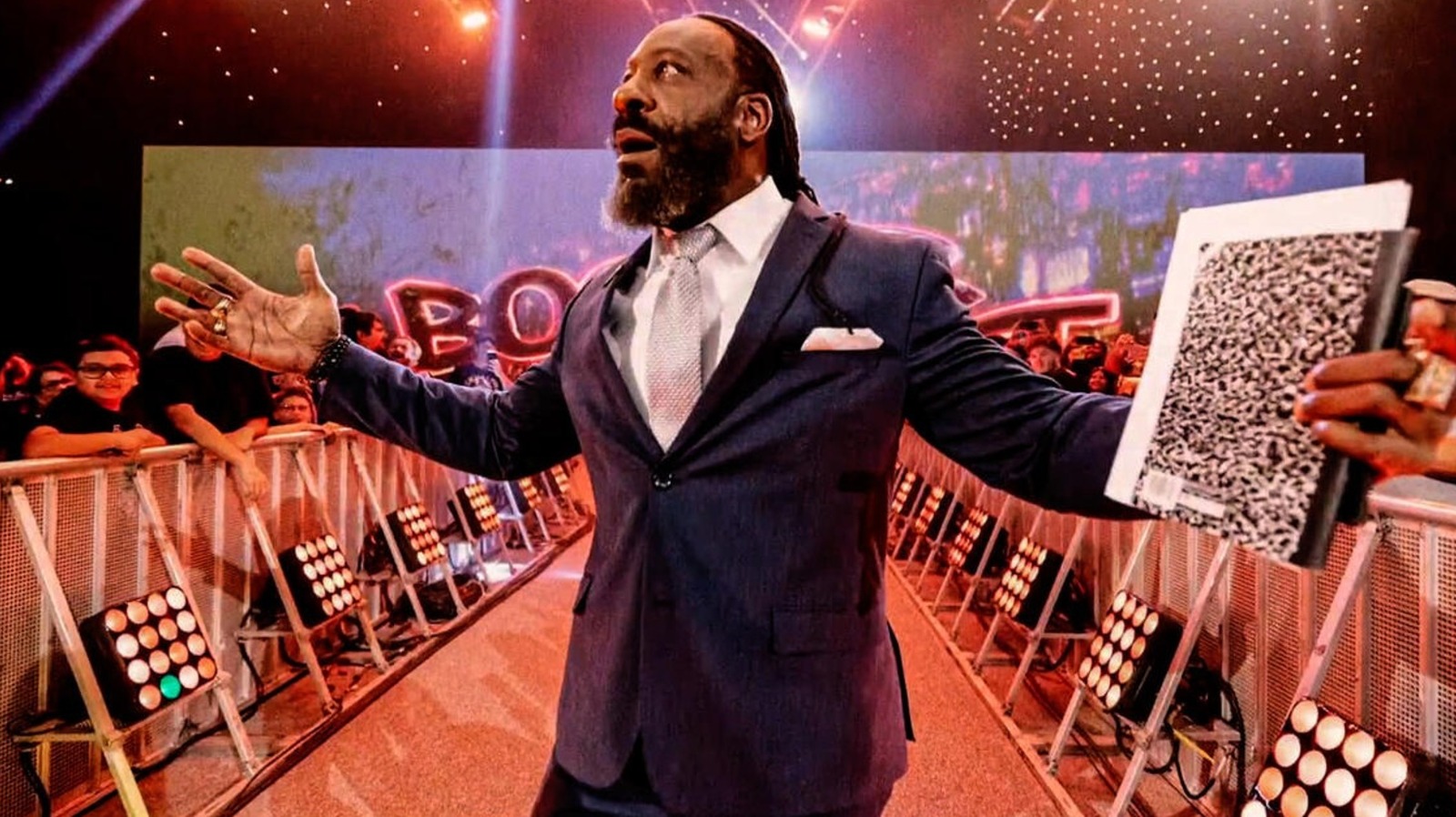
This whole debate resurrects a classic wrestling question: What matters more, the look or the skill? Booker’s “airport test” is old-school terminology for sheer presence. Do you walk through an airport and turn heads? Do you look like a main-eventer in a t-shirt and jeans? It’s what got guys like Roman Reigns and Batista in the door. But in an era where work-rate heroes and character actors like Sami Zayn or Orange Cassidy are massively over, some fans are questioning if the airport test is still relevant.
The truth, as always, is somewhere in the middle. You can’t deny that having a superstar look gives you a massive head start. WWE is a visual medium, and larger-than-life athletes will always have a place. But the system has to meet them halfway. It's a critical failure to sign a specimen who passes the airport test and then give them a character so boring they become invisible. Being part of a group shouldn't be a crutch for bad creative.
Ultimately, Booker’s critique stings because it’s true. The wrestler is responsible for seizing their minutes, but the company is responsible for giving them minutes that matter. When a can’t-miss prospect misses, it’s rarely just one person’s fault. It’s a sign of a deeper problem in the star-making machine itself. And as another talent heads back to the indies to ‘figure it out,’ the fans are left to wonder how many more potential stars the system will let slip through its fingers.