The ignorance of the wrestling elite
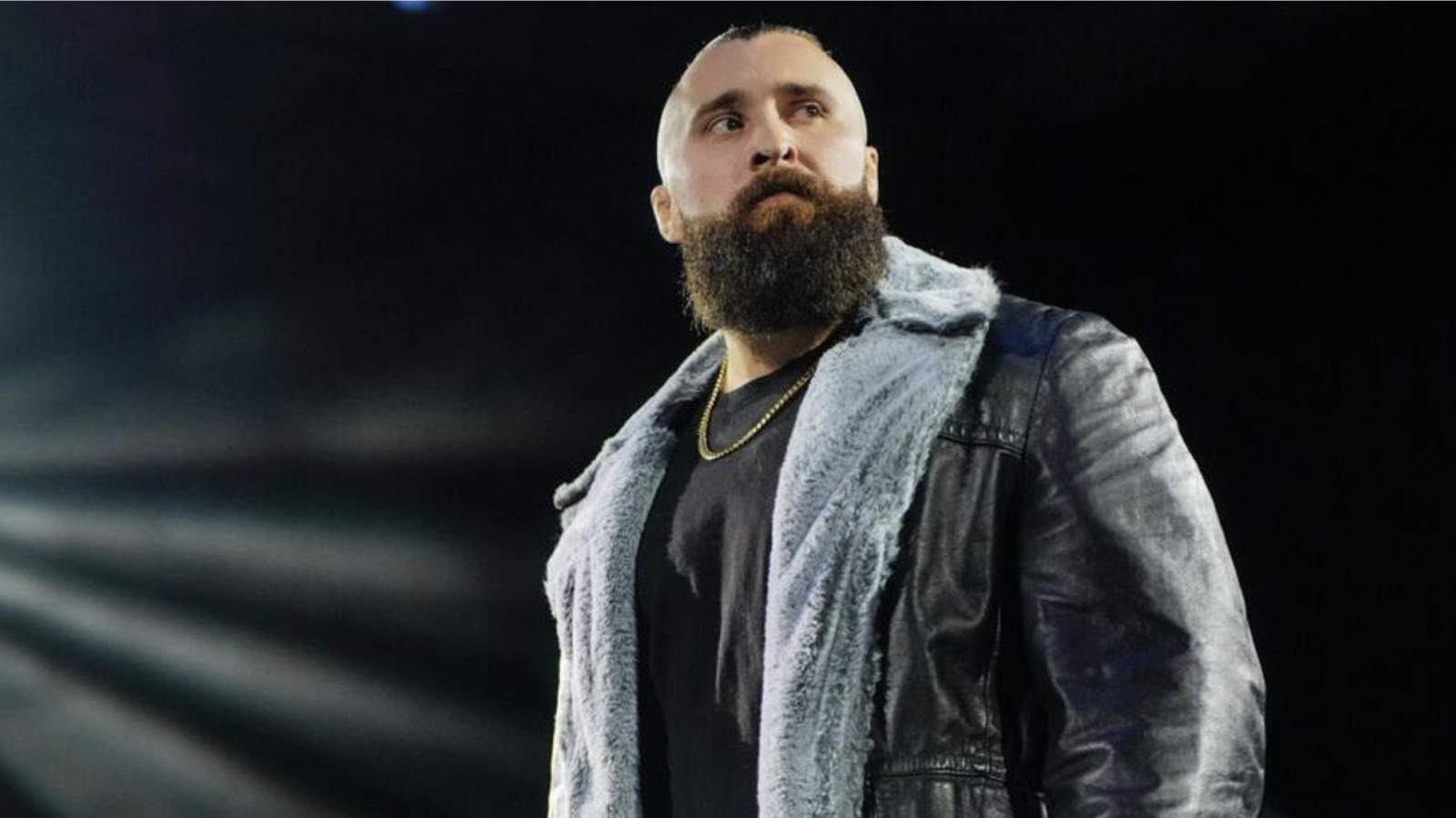
In the lead-up to the chaos of WrestleMania 41 in Las Vegas, a familiar ghost has begun to haunt the discourse. It is the persistent, often arrogant dismissal of NXT as nothing more than a glorified rehearsal space. Former NXT Champion Ricky Saints told Wrestling Inc that this perception is born out of pure ignorance. He is not just defending his locker room; he is pointing out a fundamental failure in how fans analyze modern professional wrestling.
Saints is correct to be frustrated. On April 11, 2026, we are exactly one week away from NXT Stand & Deliver, and the technical floor of the product has never been higher. While the main roster focuses on the cinematic sprawl of the Bloodline or the legacy-burn of John Cena, NXT has become a laboratory for pure mechanical efficiency. The footwork is tighter, the transitions are more logical, and the camera work is designed to highlight the geometry of the ring rather than hide the flaws of the performers.
The problem is that many fans still watch the show through the lens of 2014. They see the Performance Center and assume they are watching students. In reality, the current crop of talent is performing at a pace that would leave half of the 1990s main roster gasping for air by the 10-minute mark. To ignore the evolution of the "White and Gold" era is to admit you aren't actually watching the matches; you're just watching the labels.
The tactical shift in the Orlando laboratory
Observe the way the modern NXT heavyweight works. Five years ago, the developmental style was built on the "Indy-Plus" model—big moves, high-speed sequences, and a blatant disregard for the internal logic of a pinfall. Today, under the current regime, there is a visible emphasis on "cutting off the ring." We see wrestlers like Tony D'Angelo and Oba Femi using their size to limit the escape routes of smaller opponents, forcing a more claustrophobic style of grappling.
This is where the "ignorance" Saints mentioned becomes most apparent. Fans complain about the lack of star power while missing the fact that the actual wrestling is more sophisticated than anything on the flagship shows. At the 15-minute mark of most NXT main events, you will see a level of cardio and positional awareness that is simply absent from the slower, more methodical pacing of Monday Night RAW. The trainees aren't just learning how to take bumps; they are learning how to manipulate the audience's expectation of a three-count.
However, there is a legitimate critique to be made. The production is so sanitized, so perfectly lit, that it often feels like a video game. The gritty, underground atmosphere that made the early "Black and Gold" era feel essential has been replaced by a bright, corporate sheen. This sterile environment is part of why fans look down on it. It’s hard to feel the stakes of a blood feud when the ring looks like it was scrubbed with a toothbrush five minutes before the bell.
The Stand & Deliver main event breakdown
Next Saturday in Las Vegas, the NXT Championship match will serve as the ultimate counter-argument to the critics. We are looking at a collision of styles that highlights exactly why the developmental label is a misnomer. The champion is operating with a level of confidence that suggests he’s already outgrown the small pond. His ability to transition from a waist-lock into a bridging German suplex in one fluid motion is something we rarely see in the over-rehearsed spectacles of the main roster.
The challenger, meanwhile, represents the new wave of college-scouted athletes who have mastered the "WWE style" in record time. While purists might hate their lack of indy pedigree, you cannot argue with the metrics. Their strike accuracy and their ability to hit marks for the hard-camera are elite. During the 18-minute mark of their recent TV encounter, the spacing was so precise that they never once forced the director to cut to a wide shot to hide a missed spot.
Watch for the specific counter-wrestling in the middle third of the match. The champion has been telegraphing a rolling elbow for weeks. If the challenger is as smart as his scouting report suggests, we should see a drop-toe-hold into a crossface attempt before the elbow can even land. This is the kind of detail that Saints is talking about. It isn't just about the finish; it's about the work that gets you there.
Why the graduation system is fundamentally broken
The greatest threat to NXT’s credibility isn't the fans’ ignorance; it’s the glass ceiling. We have seen too many performers reach their peak in Orlando only to be called up and handed a three-minute match on SmackDown where they lose to a legacy act. This cycle creates a subconscious bias in the audience. Why should we invest in the tactical genius of a Ricky Saints or a Trick Williams if we know their reward is a gimmick change and a month of catering in six months?
The "NXT Call-up Curse" is a real phenomenon that devalues the work being done at the Performance Center. When a performer spends three years mastering the nuances of ring positioning only to be told they need to "simplify" for a casual audience, it sends a message that the work in NXT doesn't actually matter. This is the root of the ignorance Saints is railing against. If the management doesn't treat the product with respect, why should the fans?
The current roster is talented enough to be its own third brand, yet it is still marketed as a feeder system. This creates a psychological disconnect. We are told to watch the "stars of tomorrow," which inherently implies that the stars of today aren't quite good enough. Until WWE breaks this marketing loop, fans will continue to look down on the show, regardless of how many five-star matches are produced in the 200-seat arena in Orlando.
Predicting the Vegas fallout
As we head into WrestleMania weekend, the pressure is on NXT to outshine the big brothers. They have a history of doing exactly that, often turning the Saturday afternoon show into the most talked-about event of the week. The tactical depth of the card is undeniable, but the emotional connection is where the struggle lies. Fans need a reason to care about the outcomes beyond just appreciating the work-rate.
The tag team title match is where I expect the highest level of technical proficiency. We are seeing a resurgence of traditional tag logic—tagging in to break up momentum, isolating the "face in peril," and double-team maneuvers that actually look like they require two people. If this match goes the predicted 22 minutes, it will likely be the highest-rated technical encounter of the entire weekend.
My prediction for the NXT Championship: The champion retains, but it won't be a clean sweep. Expect a two-count that lasts a lifetime after a top-rope splash, followed by a desperate reversal into a small package for the win. The challenger has the momentum, but the champion has the tactical experience of someone who has survived the "ignorance" of the critics for years. He will find a way to win, even if it requires a questionable use of the ropes at the 25-minute mark.
Ricky Saints is right to be loud about this. NXT is no longer a school; it is a specialized unit of the most disciplined wrestlers on the planet. If you are still looking down on it, you aren't just being ignorant—you're missing the best wrestling on television. The Vegas crowd will see it next week, and by the time the main event of WrestleMania 41 Night 2 rolls around, they might just find themselves wishing for the efficiency of the Orlando crew.
Read Next
- Je’Von Evans is the name everyone is watching for a post-WrestleMania call-up
- Shawn Michaels got robbed and the Andre Battle Royal is officially meaningless
- NXT's roster purge is the only way to save WrestleMania 41 buildup
- NXT's post-Stand & Deliver shakeup is arriving right on time
- 🏆 WrestleMania 41 — Full Coverage Hub