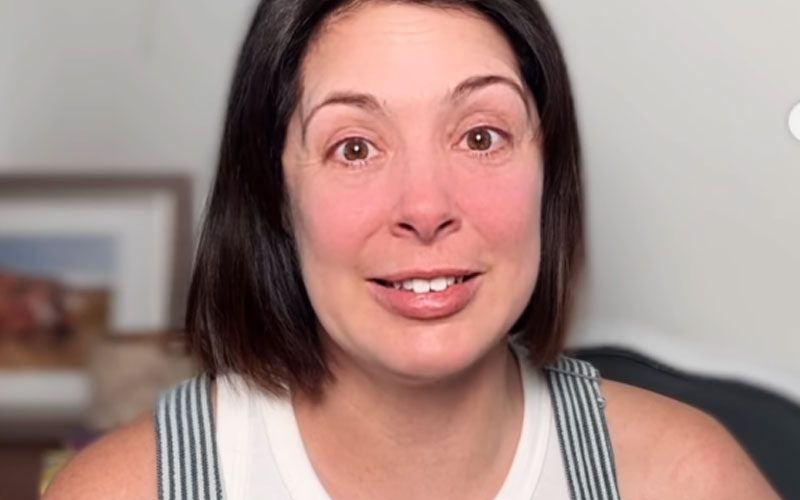
Rebel's Diagnosis Is a Reminder of Wrestling's True Cost
The Applause Fades, The Bill Comes Due
In the world of professional wrestling, the contract between performer and audience is paid in flesh. Every night, men and women trade their future wellness for a few moments of present glory. We, the audience, cheer for the high spot, the sickening thud on the canvas, the chair shot that sounds just a little too real. We suspend our disbelief. But reality always reasserts itself, often years later, in quiet, tragic announcements that cut through the kayfabe.
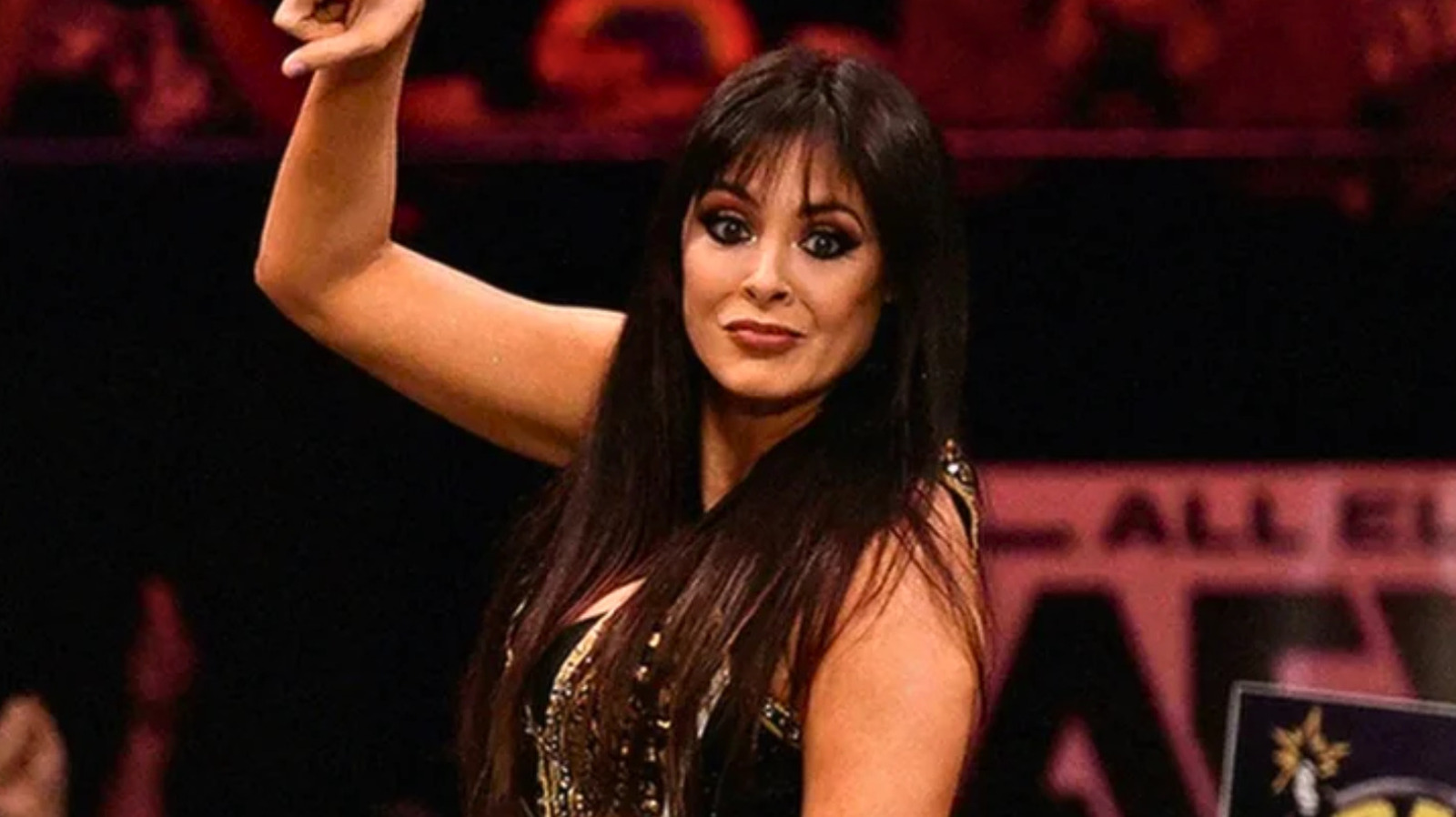
This week, reality came in the form of a devastating three-letter acronym: ALS. Tanea Brooks, known to All Elite Wrestling fans as Rebel, the energetic and loyal associate of Dr. Britt Baker, D.M.D., announced her diagnosis with Amyotrophic Lateral Sclerosis. It is a cruel, unforgiving disease, a progressive neurodegenerative disorder that steals a person’s ability to control their muscles. For a professional athlete whose entire career is built on a foundation of peak physical control and expression, the diagnosis is a particularly brutal form of irony.
The news, first reported by Wrestling Inc. and PWInsider, sent an immediate and somber shockwave through the community. Rebel was never a main event champion, but she was a constant, memorable presence. Her background as a Dallas Cowboys Cheerleader informed her athletic persona, a blend of agility and character work that made her an essential supporting player. Her pairing with Baker was a highlight of AEW television, her over-the-top reactions and occasional interference providing the perfect comedic and dramatic foil. She took bumps. She got involved. She paid her dues in a currency the business always collects on.
A Familiar, Painful Refrain
Brooks' diagnosis does not exist in a vacuum. It is the latest verse in a song the wrestling industry has been singing for generations. Just as the news about Rebel broke, another story surfaced, this one a dispatch from a different era. On his podcast, "Wildfire" Tommy Rich gave a grim update on the health of Abdullah the Butcher, the legendary, blood-soaked brawler who carved a terrifying legacy across continents. Rich stated simply, "I know he’s not doing very well."
Two names from two vastly different wrestling epochs, linked by a common thread of post-career struggle. Abdullah, now in his 80s, is a living monument to the most brutal style of the territorial era. His body is a roadmap of his career, a testament to thousands of matches defined by chaotic violence. The physical toll was immense, and the consequences are now being felt, far from the spotlight.
From the super-human physiques of the 1980s that crumbled under steroid abuse and punishing schedules, to the concussion crisis that haunts the stars of the Attitude Era, to the modern high-flyers who trade vertebrae for viral GIFs, the story repeats. Wrestling consumes its own. It demands a level of physical sacrifice that is almost unparalleled in sports or entertainment. The human body is simply not designed to absorb a German suplex, to fall from a ladder, or to endure the relentless grind of travel and performance, night after night.
The Limits of Community Support
In the immediate aftermath of the announcement, the wrestling community did what it does best. It rallied. AEW issued a public statement sending its best wishes, a corporate acknowledgment of a valued former colleague. Fans and fellow wrestlers flooded social media with messages of support for Tanea Brooks. This outpouring is genuine and heartwarming. In moments of crisis, the often-fractious, competitive world of pro wrestling reveals its true nature as a sprawling, dysfunctional, but ultimately interconnected family.
But this is also where the critical observation must be made. The reactive support, while vital, highlights a systemic failure. The industry is brilliant at passing the hat after a house has already burned down. It is far less effective at installing fire alarms and sprinkler systems.
For decades, the business model has relied on a steady supply of fresh bodies, often classified as independent contractors. This structure absolves companies of the responsibility for long-term healthcare, retirement benefits, and the cumulative physical damage incurred in their rings. While some top-tier stars achieve financial security that allows them to manage their post-career health, the vast majority of performers—the mid-carders, the enhancement talent, the Rebels of the world who make the show work—are left with far less of a safety net.
We see the GoFundMe campaigns for aging legends struggling with medical bills. We hear the tragic stories of performers who die far too young. The industry celebrates its history but often ignores the human cost of that history. The support for Tanea Brooks is beautiful and necessary, but it is a response to a tragedy, not a solution to the underlying problem. It’s a bandage, not a cure for a business model that often prioritizes the show over the long-term well-being of its showmen and showwomen.
The Person Behind the Persona
It is easy to forget the person behind the gimmick. Rebel was a character. Tanea Brooks is a human being. A former cheerleader, an athlete, a performer, and now a woman facing an unimaginable fight. Her career was dedicated to eliciting a reaction from a crowd, to contributing to a story inside a wrestling ring. Her current battle is a starkly different kind of fight, one waged not for a championship belt but for quality of life, for time.
Her diagnosis should force a moment of reflection for everyone involved, from the front office to the front row. The athletes who perform for our entertainment are not indestructible action figures. They are people who absorb real punishment with real, long-term consequences. The bumps add up. The travel takes its toll. The applause eventually fades, but the pain lingers.
As the wrestling world sends its thoughts and prayers to Tanea Brooks, the more meaningful tribute would be for the industry to have a hard, honest conversation with itself. A conversation about healthcare. About post-career support. About whether a business that generates billions of dollars can do more for the people who break their bodies to build it. Tanea Brooks gave her physicality to the business. The least the business can do is honor that sacrifice by trying to build a better, safer future for the next generation who answers the bell.
Funko Pop! WWE: Cody Rhodes (American Nightmare)
Bring the American Nightmare to your desk.
More Coverage
Top 10: Defining Moments of 2026
14 minutes ago
Top 10: New Japan Pro-Wrestling Power Rankings Post-G1 Climax 36 Opening Weekend
2 hours ago
Top 10: MLW Power Rankings
2 hours ago
Joe Gacy represents a fascinating gamble for the independent circuit
4 hours ago
Gangrel is still bumping at 57 and the internet has opinions
5 hours agoTNA is spinning in circles while the fans wait for a real main event
5 hours agoMore Analysis
Tanea Brooks and the news that actually matters this week
2 months, 2 weeks ago
The wrestling world rallies behind Rebel after heartbreaking news
2 months, 2 weeks ago
Wrestling world rallies as Tanea Brooks reveals terminal ALS diagnosis
2 months, 2 weeks ago
AEW moves beyond the ring to confront a different kind of fight
1 month, 2 weeks agoAEW and the wrestling community rally for ALS research
1 month, 2 weeks ago