A diagnosis that stops the clock
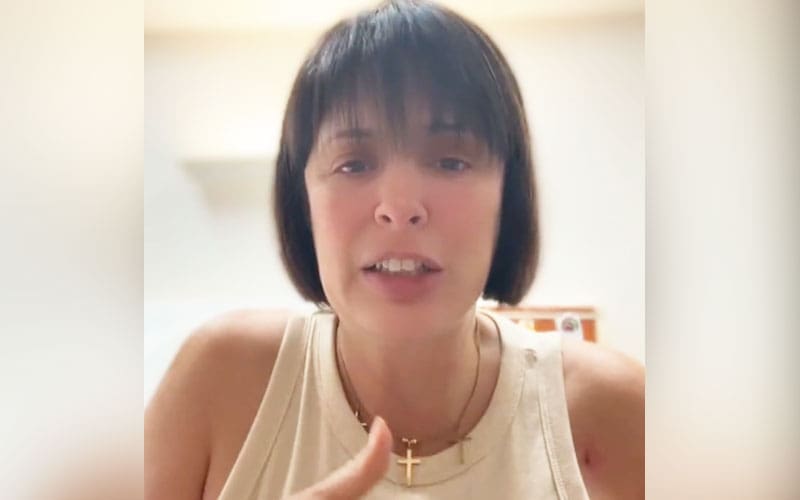
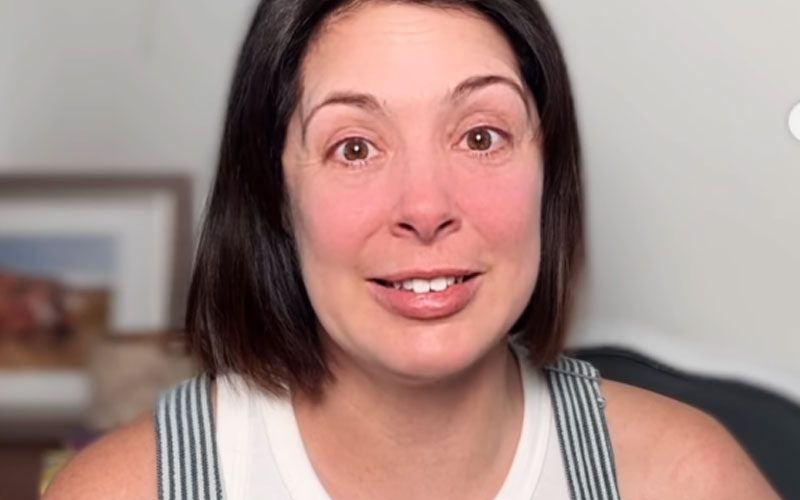
Sometimes the wrestling bubble bursts. You spend years tracking win-loss records, analysing television ratings, and breaking down match times. Then real life intervenes. Earlier this week, Rebel shared her ALS diagnosis. The response from the AEW locker room and the broader fanbase was immediate.
ALS is an unforgiving opponent. The statistics are sobering. Every 90 minutes, someone in the United States is diagnosed with the disease. It affects roughly 5 out of every 100,000 people worldwide. There is currently no cure. The median survival time after onset is just 20 to 48 months, though about 10 percent of patients survive for 10 years or more.
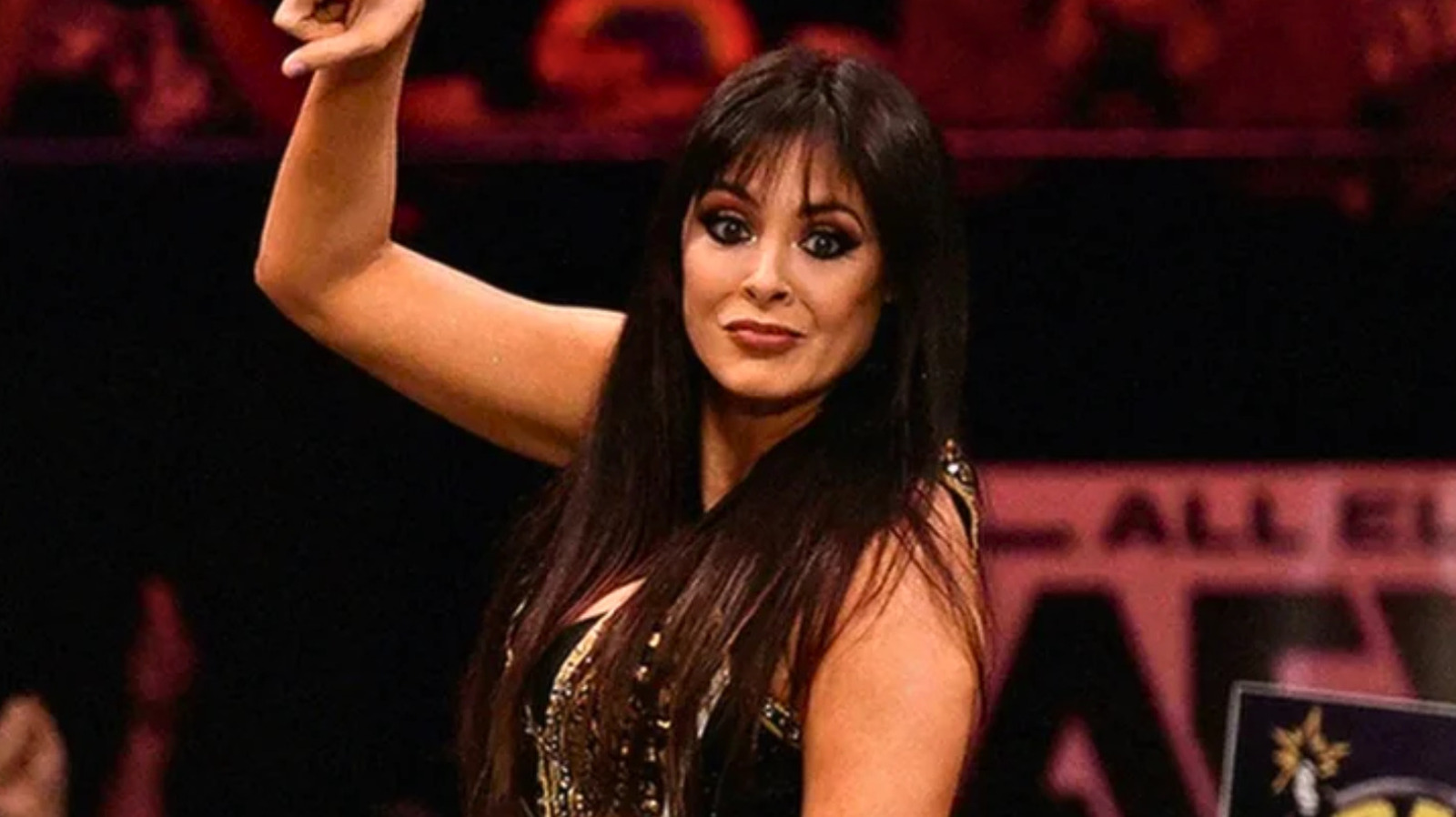
When Tanea Brooks — known to fans as Rebel — released her statement, the wrestling community did what it does best. They closed ranks. Support poured in across social media platforms. Crowdfunding campaigns and direct donations often follow these announcements, reflecting a fan culture that fiercely protects its own.
The quiet impact of a reliable presence
Rebel's television role in AEW was often comedic, but her utility was undeniable. Between 2020 and 2022, she was a fixture on Dynamite. She served as the physical buffer for Britt Baker during a period when the women's division was desperate for a reliable anchor.
During the summer of 2021, Baker's segments consistently drew over 900,000 viewers, frequently peaking past the 1 million mark during the 9:00 PM quarter-hours. Rebel was on screen for almost all of that. At Double or Nothing 2021, Baker defeated Hikaru Shida to win the title in an event that drew over 115,000 pay-per-view buys. Rebel's ringside interference was a calculated statistical advantage.
Throughout that 290-day title reign, Baker won roughly 82 percent of her singles matches when Rebel was stationed at ringside. That number matters. Rebel wasn't just a prop; she was a booking device used to protect the champion's heat while preserving the integrity of the win-loss record. She took the bumps so the champion didn't have to.
You can quantify screen time, but you cannot easily measure backstage influence. Reports consistently highlighted her dual role. She wasn't just on television; she worked behind the scenes in hair and makeup. She was part of the foundational crew that helped AEW navigate the pandemic era at Daily's Place.
During those empty-arena shows in 2020, the ringside roster served as the audience. Rebel was one of the most vocal. When you rewatch matches from that 14-month stretch, her voice is a constant presence on the broadcast. That kind of energy mattered when the company was producing 100 hours of television without ticket-buying fans.
The wrestling economy and healthcare
This situation highlights a persistent structural issue in professional wrestling. Independent contractors face unique healthcare challenges. Unlike the NFL or NBA, where unionized players have extensive medical coverage and post-career health trusts, wrestlers often rely on community support when severe illness strikes.
The typical ALS patient faces estimated out-of-pocket medical costs exceeding $250,000 per year. For a disease that requires intensive, round-the-clock care, ventilation support, and specialized mobility equipment, the financial burden is staggering. This is why locker room solidarity isn't merely a nice sentiment. It is a required safety net.
Historical precedents in wrestling fundraising
We have seen this specific cross-section of professional wrestling and ALS before. Steve McMichael, the former WCW wrestler and Chicago Bears defensive tackle, went public with his ALS diagnosis in 2021. The subsequent fundraising efforts demonstrated the financial force these fanbases can generate.
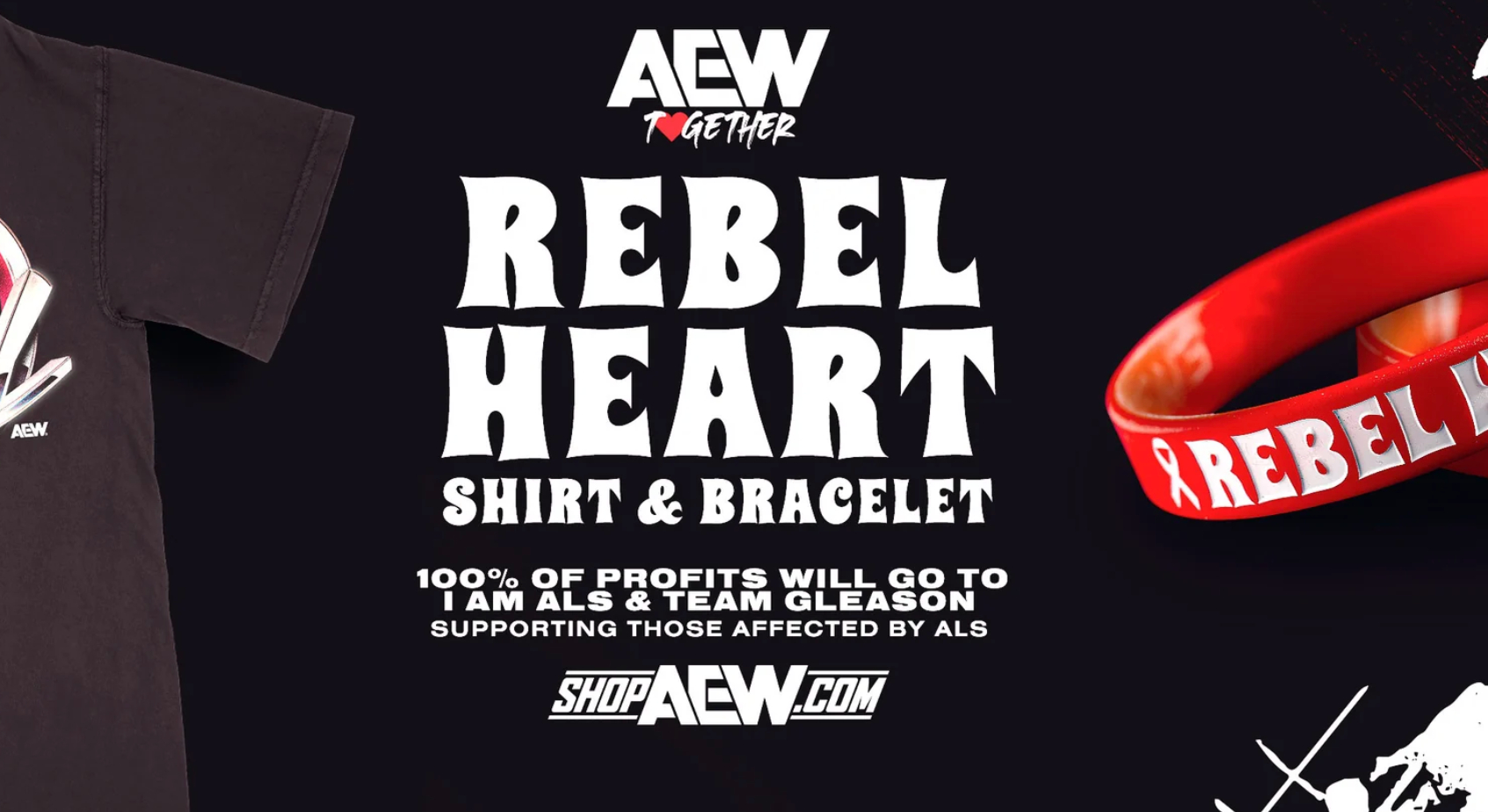
By late 2023, public events, merchandise sales, and direct donations had raised hundreds of thousands of dollars to cover McMichael's 24/7 nursing care. The wrestling community contributed heavily to that total. It proved that fans are willing to underwrite the health of the performers they watched for years.
Tony Khan's promotion has established a track record of supporting talent through medical emergencies. When Jon Huber (Brodie Lee) fell ill in late 2020, the company kept his situation private while continuing to pay him. Following his passing, AEW released a tribute shirt that generated over $100,000 for his family in a matter of days.
The physical toll and neurological questions
Whenever a contact sport athlete is diagnosed with a neurodegenerative disease, uncomfortable questions surface. In football and rugby, the link between repetitive head trauma and conditions like CTE or ALS has been heavily researched. Professional wrestling exists in a similar grey area of physical risk.
A 2012 study published in the journal Neurology found that NFL players were four times more likely to die from ALS than the general population. While wrestling is a cooperative performance, the bumps are real. The impact on the canvas, the whiplash effect of suplexes, and the cumulative toll of hundreds of matches put profound stress on the nervous system.
We do not have definitive, wrestling-specific peer-reviewed studies on ALS rates among performers. The sample sizes are often too small and the historical medical records too scattered. However, anecdotal evidence and the sheer physical reality of taking 20 to 30 bumps a night over a decade-long career cannot be ignored.
Rebel spent years in TNA and the independent circuit before joining AEW. She absorbed physical punishment in environments that lacked the medical oversight available in modern major promotions. Her diagnosis forces the industry to confront the long-term neurological health of performers who worked through eras where concussions were routinely dismissed as simply getting your bell rung.
Mobilizing the modern fanbase
The crowdfunding network is deeply ingrained in modern wrestling culture. Fans who spend $50 on a pay-per-view or $35 on a t-shirt frequently redirect that discretionary income toward talent in need. It is an imperfect system, relying on the goodwill of strangers rather than institutional guarantees, but it operates with rapid efficiency.
When an independent wrestler suffers a broken ankle, campaigns typically aim for $5,000 to $10,000 to cover surgery and lost wages. Those goals are usually met within 48 hours. But a chronic, progressive illness like ALS requires a completely different scale of financial mobilization.
This is where AEW's institutional backing becomes vital. A campaign shared by a few independent wrestlers might reach 50,000 people. A campaign amplified by the official AEW accounts, Tony Khan, and top stars with millions of followers can reach a global audience. The conversion rate on those impressions will dictate the level of care Rebel receives.
AEW's core demographic, the 18-49 viewer, is heavily engaged online. Dynamite routinely pulls between 300,000 and 400,000 viewers in that specific demo. This digitally native audience is exactly the demographic most likely to participate in decentralized fundraising efforts. Their immediate reaction to the news has been overwhelmingly positive.
Looking forward
The coming months will be difficult. ALS progresses differently in every patient. The immediate priority is ensuring Rebel has the medical setup she needs to manage the disease. The wrestling world has shown it can mobilize rapidly. Now, it must sustain that support over the long term.
We spend an inordinate amount of time dissecting booking decisions and television metrics. This week offers a harsh perspective shift. The numbers that matter right now aren't quarterly hour ratings or star ratings. They are the dollars raised, the messages sent, and the tangible support provided to a woman who gave years to this industry.
Rebel is feeling the love from AEW and its fans. That matters. But the wrestling community must ensure this initial wave of support translates into sustained, material assistance. A critical eye must remain on how the industry at large continues to treat its most vulnerable veterans when the spotlight fades. The track record is strong, but the fight ahead is long.