The gut-punch that makes kayfabe feel small
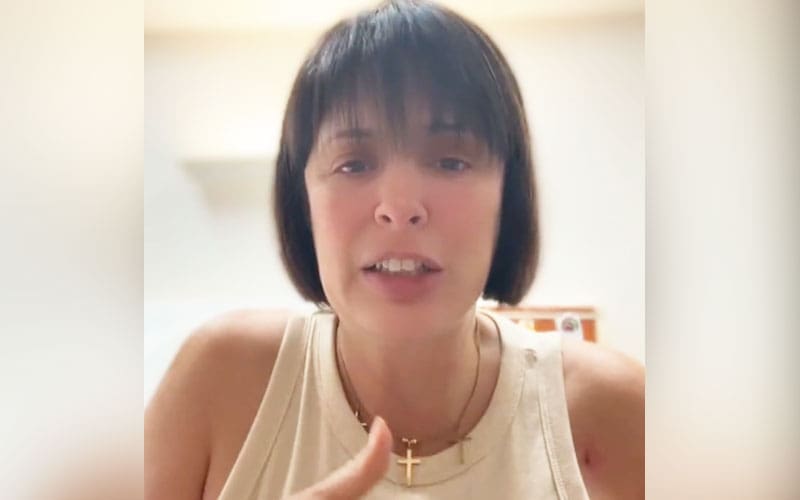
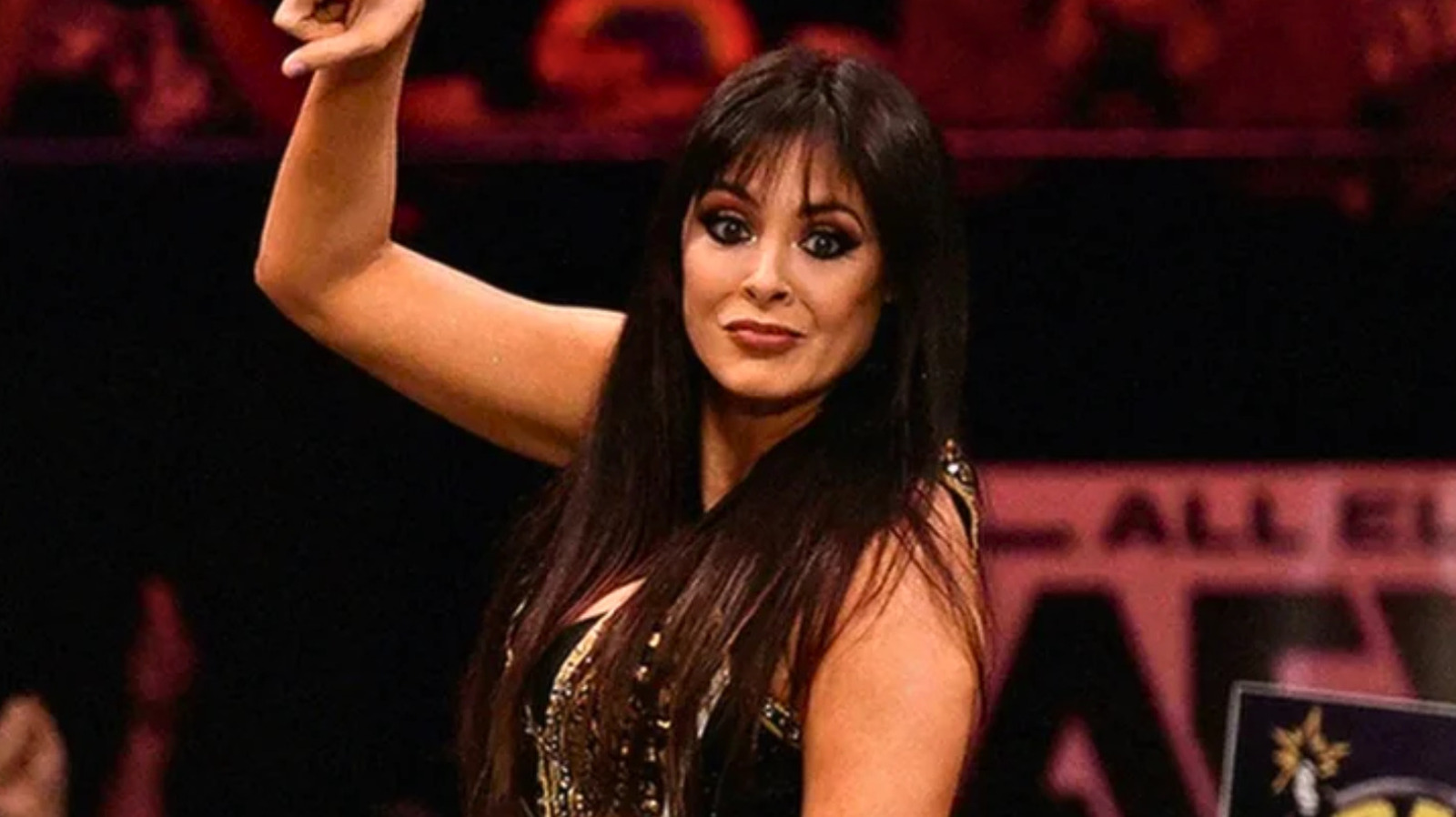
If you spent your morning arguing on a Discord server about whether the latest ratings for Dynamite are a sign of the apocalypse or just a seasonal dip, you need to close the tab. Put the phone down. We have actual, industrial-grade heartbreak to process. Tanea Brooks, the woman we’ve known and cheered for as Rebel (or Reba, depending on how much Britt Baker felt like gaslighting her that week), has officially shared the news of her ALS diagnosis. This isn't a work. It isn't a clever setup for a comeback match. It is a terrifying reality check for a community that often forgets these performers are made of bone and spirit, not just pixels and booking logic.
Amyotrophic Lateral Sclerosis is a name that carries a heavy shadow in this business. We’ve seen what it does. We’ve watched the legend of Steve "Mongo" McMichael be slowly consumed by this disease, even as he was inducted into the Pro Football Hall of Fame. It is a relentless, cruel thief of motor function. For someone like Tanea, whose entire career has been built on movement—from her days as a Dallas Cowboys cheerleader to her time as a high-energy pro wrestler—this news is especially jagged. It’s the kind of thing that makes the petty squabbles over star ratings feel like arguing about a hangnail while the house is on fire.
The wrestling world is often a cynical, loud, and unforgiving place. We tear into every botch and every missed cue with the ferocity of a pack of wolves. But when news like this hits the wire, the mask slips. The realization that one of the genuinely kindest people in the locker room is facing a fight this monumental is enough to silence even the loudest trolls. According to a report from Wrestling Inc, Brooks shared the diagnosis recently, and the ripple effect through the industry has been instantaneous.
From the sidelines to the center of the ring
To understand why this hits so hard, you have to look at the road Tanea Brooks traveled. She didn't just walk into a ring one day; she fought her way into the conversation from the sidelines. She was a cheerleader for the biggest sports brand on the planet before she ever considered taking a bump. When she showed up in TNA as part of The Menagerie, she was the "sane" one in a group that included a clown, a giant, and a stilt-walker. It was a bizarre gimmick that probably shouldn't have worked, but Tanea’s charisma kept it grounded. She wasn't just window dressing; she was the glue.
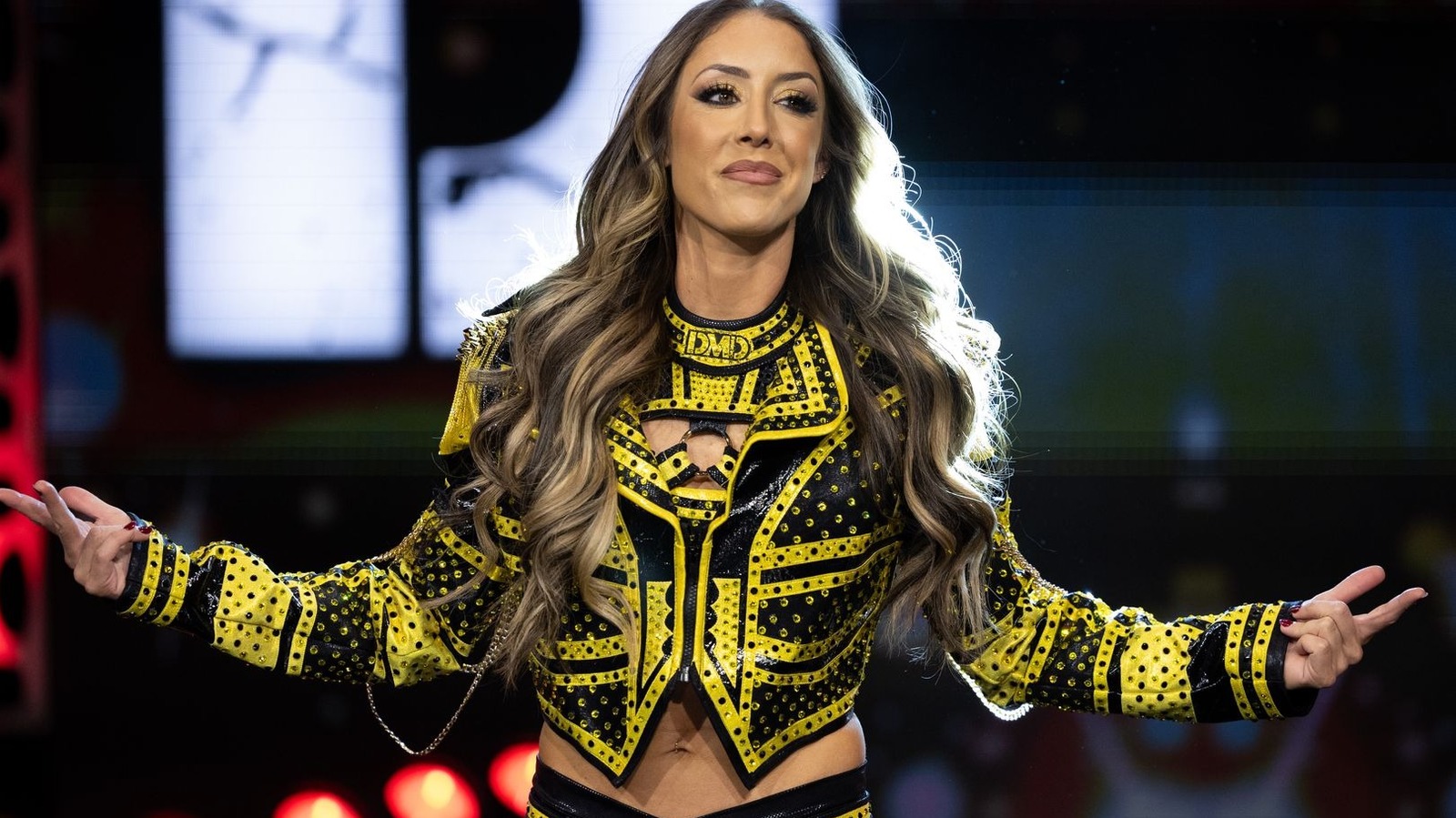
Her transition into AEW was even more fascinating. She started behind the scenes, working in hair and makeup—a reminder that in the wrestling business, the person who fixes your foundation might actually be more talented than the person in the main event. When she was pulled onto the screen to be the "assistant" to Dr. Britt Baker D.M.D., she became an essential part of the show's chemistry. She was the comedic foil, the laugh-track, and occasionally the person who had to take a terrifying powerbomb from Nyla Rose. She did it all with a smile that felt 100% genuine in an industry built on deception.
That duo—and later the trio with Jamie Hayter—was the highlight of the women’s division for a long stretch. Rebel wasn't there to win titles. She was there to make sure everyone else looked like a star. Her comedic timing was impeccable. Whether she was feigning an injury with a crutch or "accidentally" getting in the way of a kick, she understood the assignment. She wasn't chasing work-rate glory; she was chasing the reaction of the crowd. That’s a specific kind of selfless performing that the "move-set" nerds often overlook.
The hollow reality of the safety net
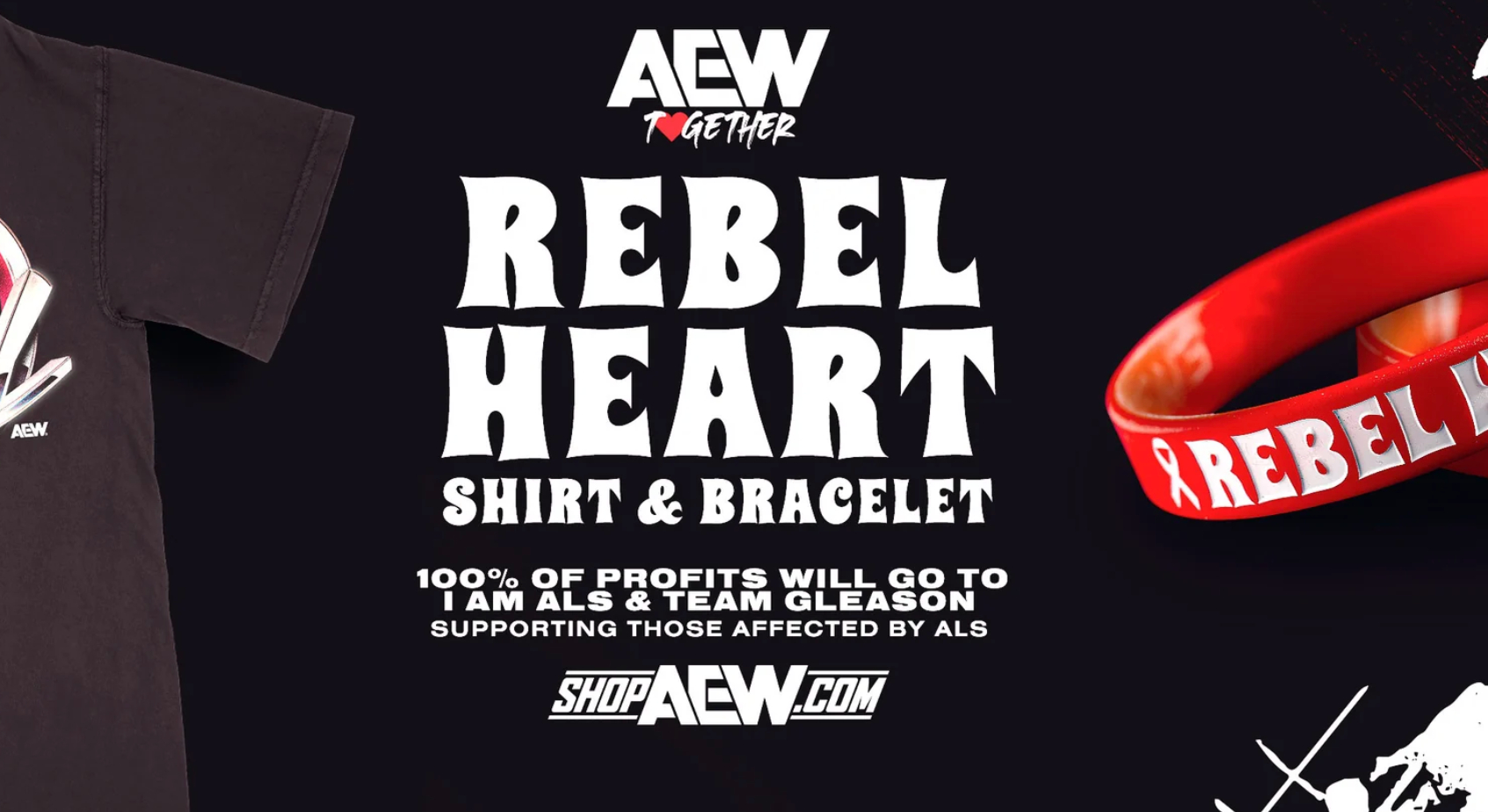
Here is where I have to be critical, because if I don't point this out, I’m as fake as a three-dollar bill. The wrestling industry is fundamentally broken when it comes to supporting its own. We live in a world where "independent contractor" is a legal shield used by multi-billion dollar companies to avoid paying for long-term health insurance. When a performer like Tanea gets a diagnosis like this, the first thing people think about isn't just her health—it’s the GoFundMe that is inevitably coming. We’ve seen it with everyone from the biggest legends to the opening-act workers.
It is a failure of the system that a person who has spent years entertaining millions has to rely on the charity of fans to cover the astronomical costs of a terminal illness. ALS is not a "cheap" disease. It requires specialized equipment, around-the-clock care, and experimental treatments that insurance companies laugh at. The wrestling business has the memory of a goldfish on meth when it comes to past performers, and while AEW has a better track record than some of its predecessors, the underlying structure is still a mess. We are talking about a woman who was a fixture on national television for years, and now she's facing a financial and physical cliff.
I’m tired of seeing the same cycle. A wrestler gets sick, the internet rallies for 48 hours, a fundraiser hits its goal, and then everyone goes back to arguing about the "Forbidden Door." We need to be louder about the fact that these people are human beings who deserve actual, structural support. If Tony Khan is as generous as everyone says he is—and the stories about him helping out talent behind the scenes suggest he is—then Tanea needs to be taken care of in a way that doesn't involve her having to ask the public for help. This shouldn't be a PR move; it should be the standard.
The shadow of the ring
The timing of this is also particularly cruel. We are just weeks away from Double or Nothing. The hype machine is in full effect. There are banners being hung, tickets being sold, and promos being cut about "legacy" and "greatness." Meanwhile, in the real world, Tanea is dealing with the fact that her legacy is being forcibly shifted from the ring to a hospital room. It puts the whole "wrestling is life or death" narrative into a very uncomfortable perspective. It turns out that wrestling is just a job, and life is the thing that happens when the cameras turn off.
I remember a specific segment where Rebel had to wrestle a match with a legitimate injury, and she still tried to make it part of the bit. She was committed to the gag even when she was hurting. That’s the wrestling mentality in a nutshell—working through the pain because the show must go on. But ALS is the one opponent you can't outwork. You can't "no-sell" a neurological collapse. You can't take a powder and wait for the hot tag. It is a slow, methodical grind, and seeing someone so full of life being forced into this battle is a massive, sinking feeling in the chest.
I want to see the locker room rally, and I’m sure they will. Wrestlers are a tribe, and they look out for their own when the chips are down. But as fans, we need to do more than just tweet emojis. We need to remember the joy she brought to the screen. Every time she did that ridiculously dramatic scream when Britt Baker got hit, she was adding value to our lives. She was making the world a little less serious for two hours a week. Now, the least we can do is acknowledge the seriousness of her situation without looking away.
What comes next for Tanea
The road ahead for anyone with this diagnosis is measured in small victories. It’s about maintaining quality of life. It’s about the support system. Tanea has always been surrounded by friends in this business, and if there is any justice, that circle will tighten around her now. We’ve seen the way Britt Baker talks about her in interviews—there’s a real bond there that goes far beyond the "Reba" jokes. That’s going to be the most important factor in the coming months.
There will be no "match of the year" candidates in this story. There will be no championship gold at the end of this tunnel. But there is a legacy of being a person who made the locker room better just by being in it. Tanea Brooks has more fans than she probably realizes, not because she hit a 450 splash or cut a fifteen-minute promo, but because she was the heartbeat of every segment she was in. She was the one who reminded us that wrestling could be funny, lighthearted, and genuinely entertaining without needing to be a bloodbath.
If you have a spare moment between your fantasy booking and your Twitter wars, keep Tanea in your thoughts. This is as real as it gets. The lights are dimming on her time in the spotlight, but the impact she made while she was there is permanent. We owe it to her to pay attention, to be critical of the industry that failed to protect her, and to support her in whatever way she needs as she faces this monster. The wrestling business might be a circus, but Tanea Brooks was the one person who always made sure we enjoyed the show.