The fight beyond the ring
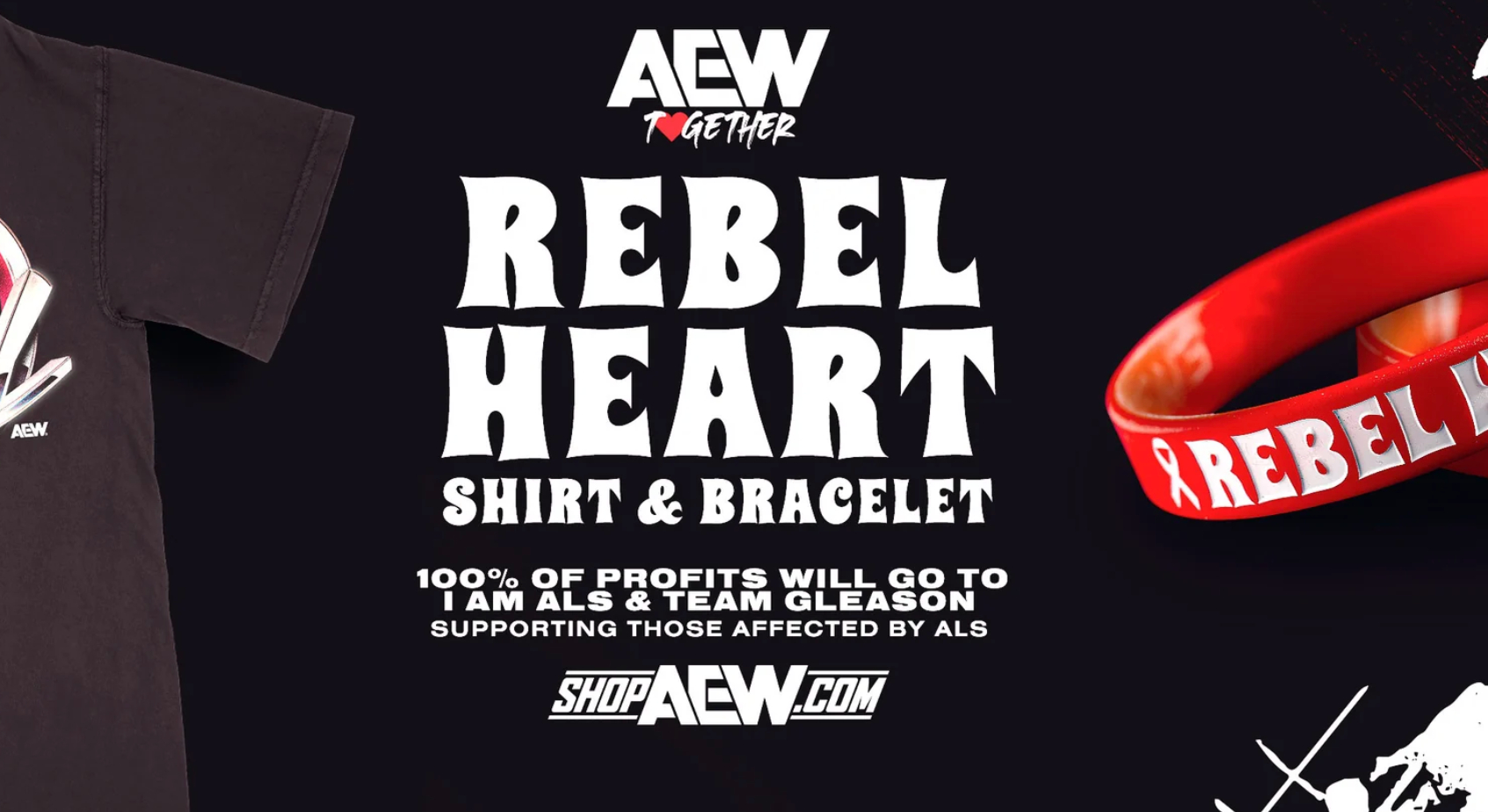
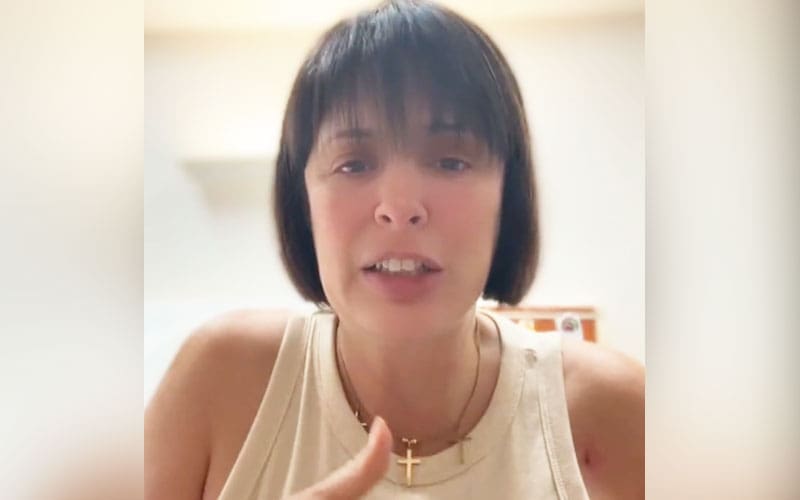
Tanea Brooks, professionally known as Rebel, has shared the harrowing news of a terminal diagnosis: Amyotrophic Lateral Sclerosis, or ALS. The veteran performer, best known to modern audiences for her work in All Elite Wrestling alongside Britt Baker, confirmed the news in a public statement. It is a sobering turn of events for a performer who spent years as a fixture of the AEW women's division.
Brooks had been notably absent from television screens for several years prior to this announcement. While fans previously speculated about the nature of her hiatus, the reality of her health situation is now clear. ALS is a progressive neurodegenerative disease affecting nerve cells in the brain and spinal cord. There is no known cure.
A career defined by resilience
Before her emergence in AEW, Brooks carved out a reputation as a worker who could adapt to any role. Whether as a valet or an in-ring competitor, she balanced distinct character work with a willingness to take heavy bumps. Her peak in the industry came during the run supporting Britt Baker, providing a charismatic foil that helped establish Baker as a central figure in the division.
However, the transition from television performer to her current situation has been sharp. As reported by Wrestling Inc, the lack of a clear timeline from medical professionals regarding her condition adds an extra layer of uncertainty. Public statements indicate doctors have provided no specific prognosis regarding her remaining time.
The industry responds to the news
The wrestling community is notoriously insular, and news of this severity often triggers an immediate outpouring of support. Unlike the usual discourse regarding booking or match quality, the conversation surrounding Brooks is currently centered on human frailty. Industry contemporaries have begun sharing tributes, marking the respect she earned during her tenure in various promotions.
Yet, there is a certain bluntness to the reality of the situation. ALS is a debilitating condition that strips away muscle function and motor control. For someone whose career relied on physical expression and distinct aesthetics, the diagnosis presents a uniquely cruel set of challenges. It is a reminder that the persona presented on television is separated from the physical toll of a human life.
Analyzing the impact of her absence
Brooks’ departure from the active roster had already changed the dynamic within the AEW locker room. Her chemistry with Baker was a specific feature of the 2021-2022 era, and her exit forced a creative pivot for the characters involved. Following her removal from the rotation, the role of the valet shifted significantly, arguably losing some of the comedic timing she brought to the screen.
Some critics may argue that the company failed to provide an adequate send-off or acknowledgment for her contributions earlier in her health struggles. If she had been off-screen for years due to illness, it raises questions about how the industry internally handles long-term health crises. As noted by BodySlam.net, her recent public disclosure is an attempt to define the narrative on her own terms after years of quiet speculation regarding her status.
Looking at the medical reality
ALS creates a logistical nightmare for patient care. Treatment focuses mostly on managing symptoms, such as muscle weakness and respiratory decline. The economic and emotional weight of such an illness is immense, often outstripping the resources provided by short-term wrestling contracts.
According to Ringside News, the lack of clarity from the medical community is perhaps the most difficult aspect for her family to manage. Without a definitive stage or timeline, every day becomes a baseline measurement. The wrestling world often focuses on the spectacle of the next pay-per-view, but this development forces a temporary pause and reflection on the lives of those who build these shows.
The human element vs. the corporate product
It is worth noting that for such a high-profile entity as AEW, the handling of past employees' health can appear disconnected. When a talent moves into a long-term status, they often fall out of the discourse entirely. This reality underscores the precarious nature of life for contract laborers in professional wrestling.
Brooks' career, ranging from her early days to her time in the national spotlight, was always characterized by a high work ethic. Facing a terminal diagnosis is the ultimate final bell. Colleagues who worked alongside her remember her primarily for her dedication to the craft, regardless of the role. For now, the wrestling community waits, reflecting on the career of a performer who was a vital piece of the puzzle at one of the organization’s most productive times.
The impact of her diagnosis resonates beyond her immediate peer group. It serves as a stark reminder of the limitations of the industry in protecting its own once the bright lights are turned off. While the storylines surrounding Rebel have concluded, the individual behind the moniker is now facing the most grueling fight of her life. Fans looking for updates will keep a close watch on her social media, where any further communication will surely carry immense weight.