The Independent Landscape Shifts
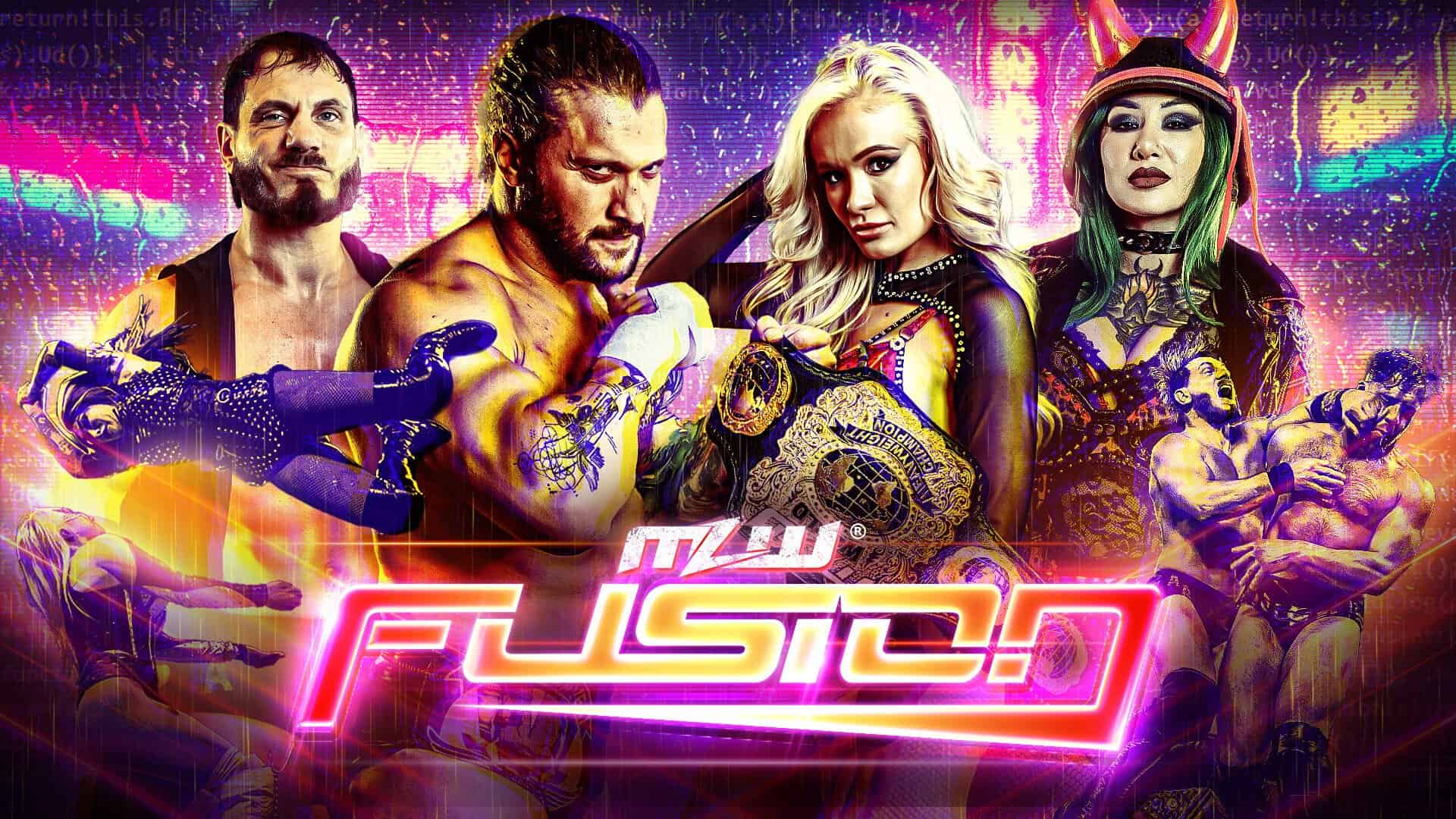
Major League Wrestling has carved out a unique position in the summer of 2026 by aggressively blurring the lines between global conglomerates and the independent scene. As PWInsider reported, the upcoming contract signing between Satoshi Kojima and Karrion Kross signifies a strategic pivot toward cross-promotional relevance that few rivals are matching. MLW is effectively running a high-stakes shop that relies on scarcity and impact rather than 52 weeks of repetitive loops.
The Rankings
1. Satoshi Kojima: The Japanese wrestling legend remains the gold standard for pedigree. By headlining Fusion this week to face Karrion Kross, he keeps MLW on the map for international fans who demand technical legitimacy over pure spectacle.
2. Karrion Kross: His movement into the MLW sphere is the most disruptive booking choice of the year. He doesn't need to win every match to be the central antagonist of the show, and his presence acts as a massive draw for viewers tracking his status across different promotions.
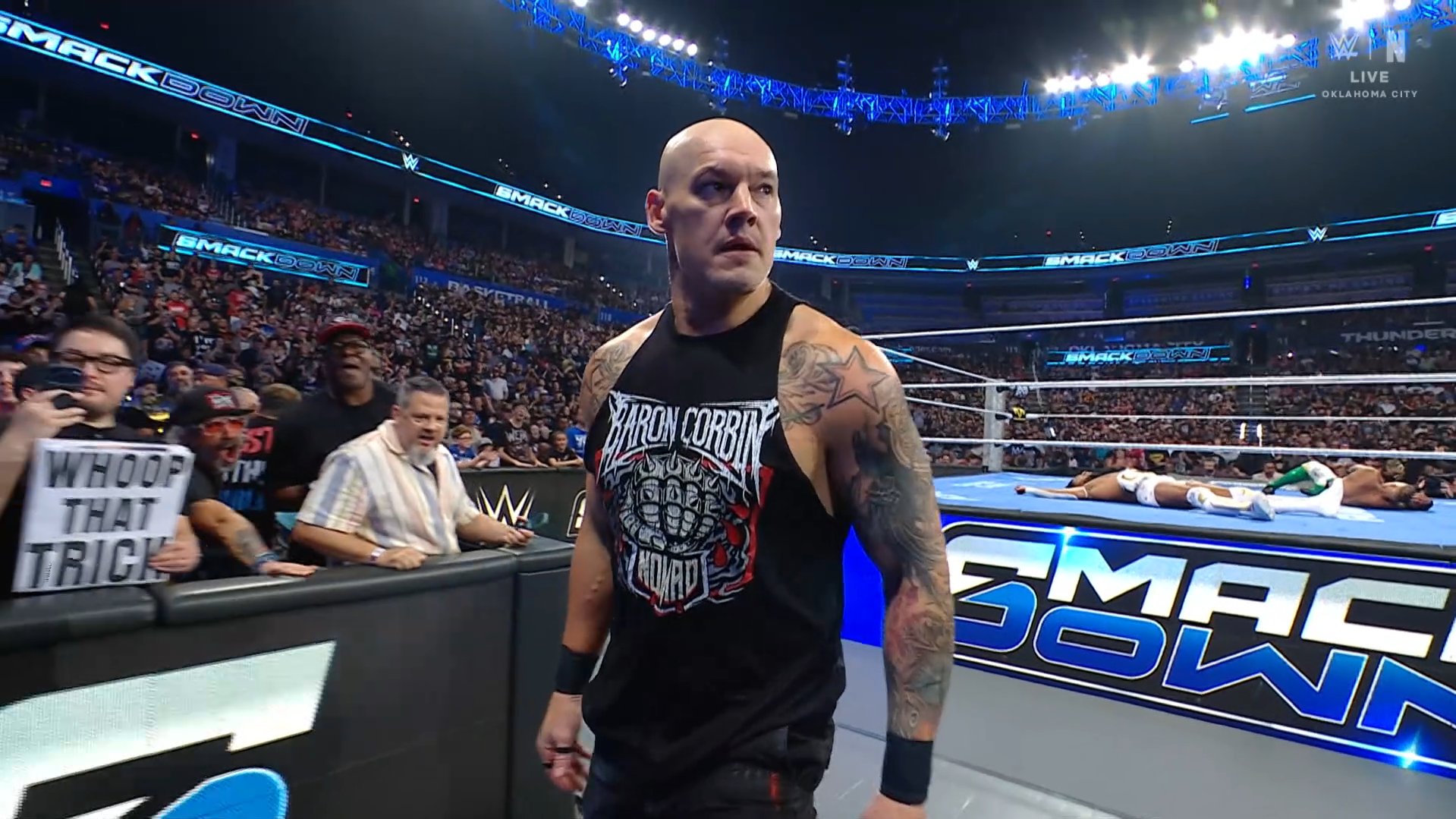
3. Baron Corbin: Corbin showing up on Fusion after his recent turn in other circuits is a massive swing. His credibility gives the roster an instant dose of television-hardened grit that translates well to an aggressive style. It is a win for MLW to secure a guy who knows exactly how to get heat.
4. The Tag Team Division: Look past the singles stars; the tag ranks are where the actual work is being done. The speed and chemistry between the premier teams provide a necessary counterweight to the slower, character-driven promos.
5. The Referees: They keep the pace snappy. In an era where matches often drag, the third-man effort in MLW rarely slows down for non-essential drama.
6. The Fusion Production Team: They do more with fixed lighting and standard sets than most companies do with massive arenas. They maximize every camera angle, creating an intimate feel that makes every strike look twice as loud.
7. The Booking Secretariat: They are taking massive risks by bringing in established names like Corbin and Kojima. While some might call this a reliance on outsiders, it creates a 100 percent increase in immediate viewer intrigue for casual fans.
8. The Women’s Division: It remains the most inconsistent part of the program. While individual athletes demonstrate top-tier ability, the storylines haven't hit the same consistency as the men’s primary championship arc.
9. The Venue Selection: Opting for smaller, high-energy rooms keeps the atmosphere loud. It is impossible to ignore that a full house in a mid-sized arena beats a cavernous, half-empty facility any day.
10. The Mid-Card Gauntlet: This is where talent either sinks or swims. It is not always pretty, but at least the company gives talent legitimate windows to break out before they get forgotten.
Refining the Strategy
MLW is playing a high-leverage game that requires a perfect balance of veteran credibility and fresh blood. While the bookings of established stars provide immediate returns, the reliance on outside talent can occasionally stifle organic growth for the homegrown roster. Their future depends on whether those outsiders can help build the local talent up to their level. As recent data suggests, shows are currently tracking in a volatile climate for the industry at large, making MLW’s lean approach look smarter than bloated, expensive touring schedules.
Honorable Mentions
The technical support staff, the commentary flow during chaotic multi-man bouts, and the sheer unpredictability of the open-contract segments represent the fringe elements that keep the show moving. They deserve recognition for keeping a tight product together during a summer that has been brutal for traditional ticket sales.