Measuring the weight of a main event
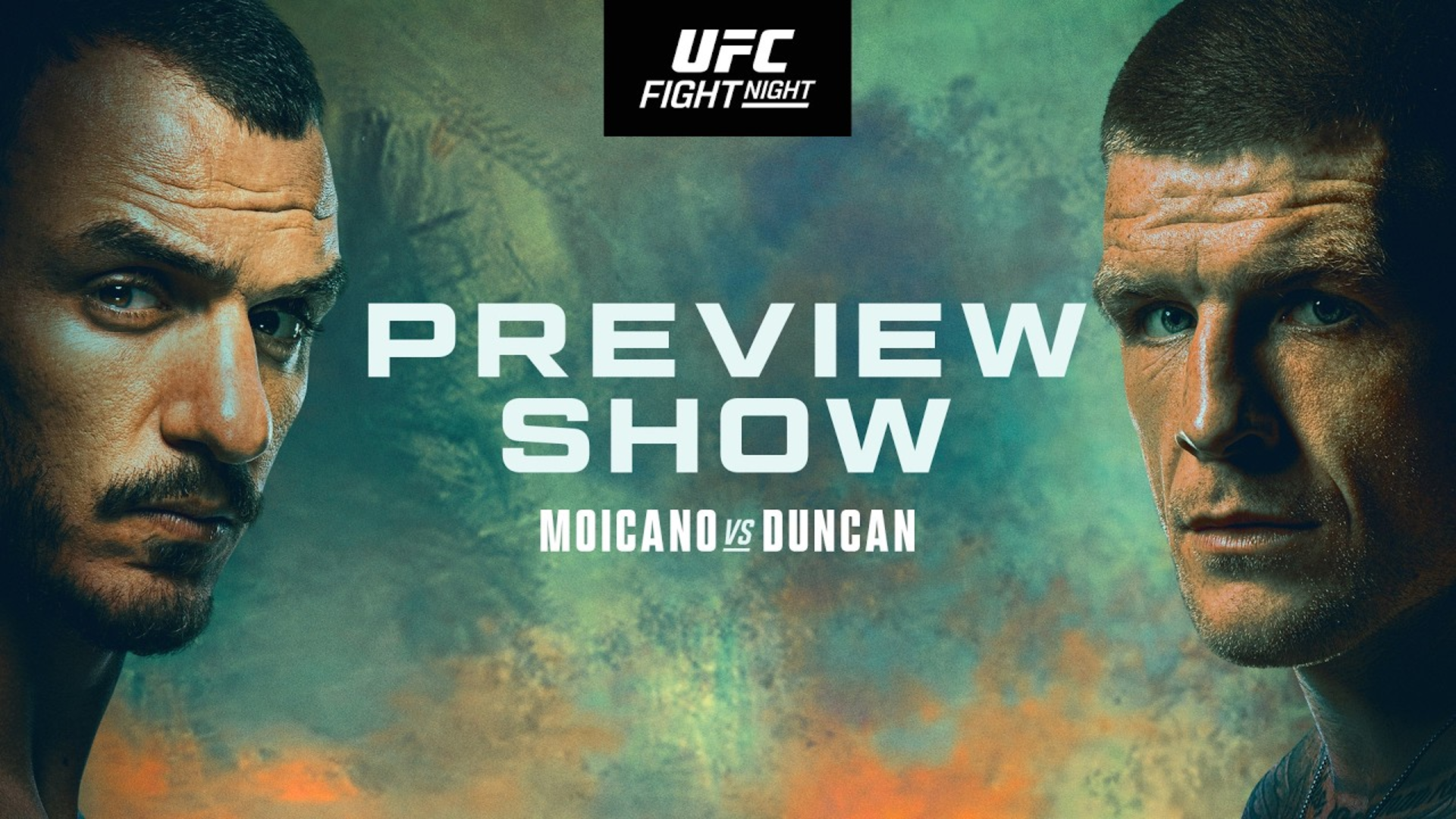
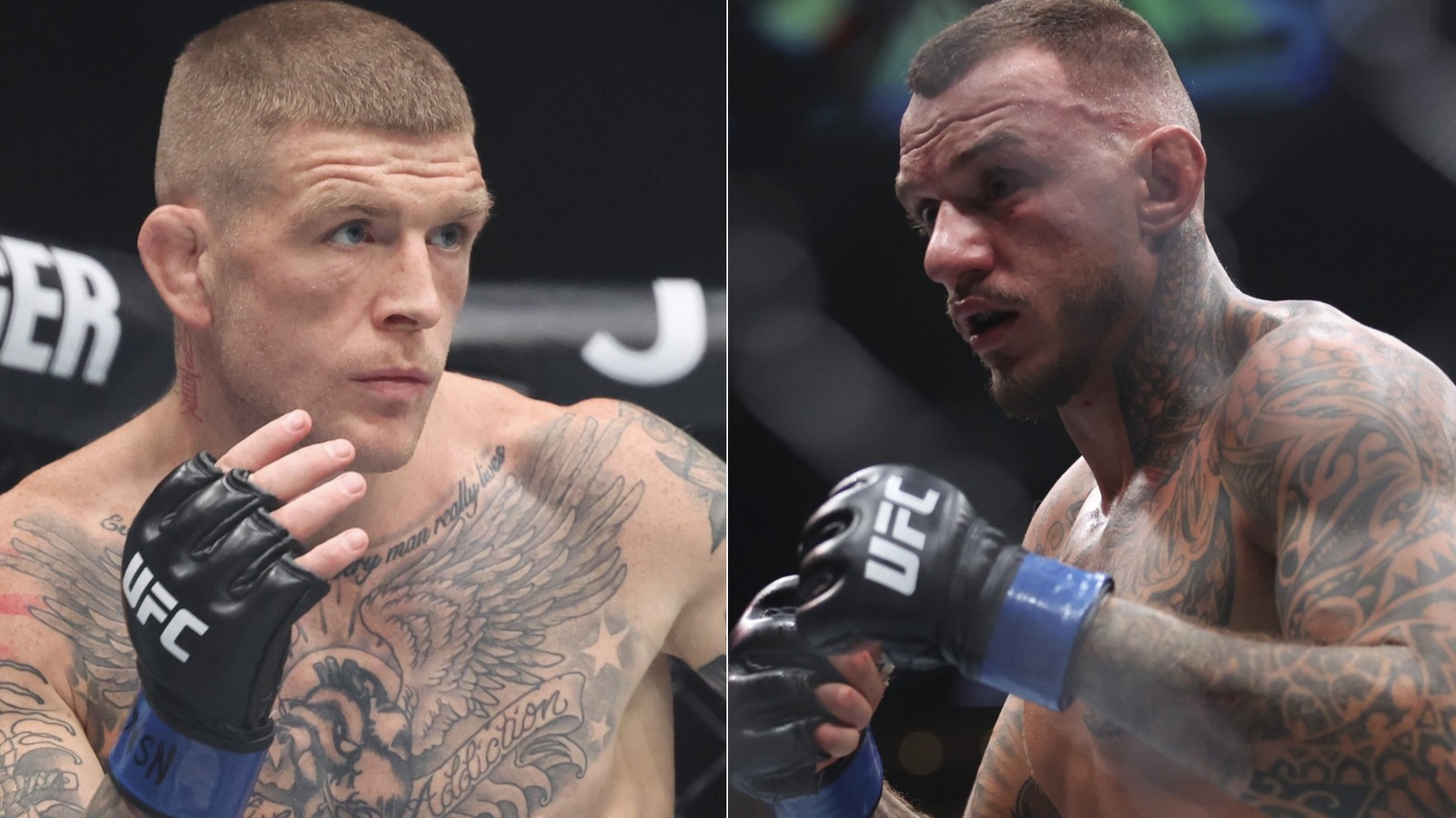
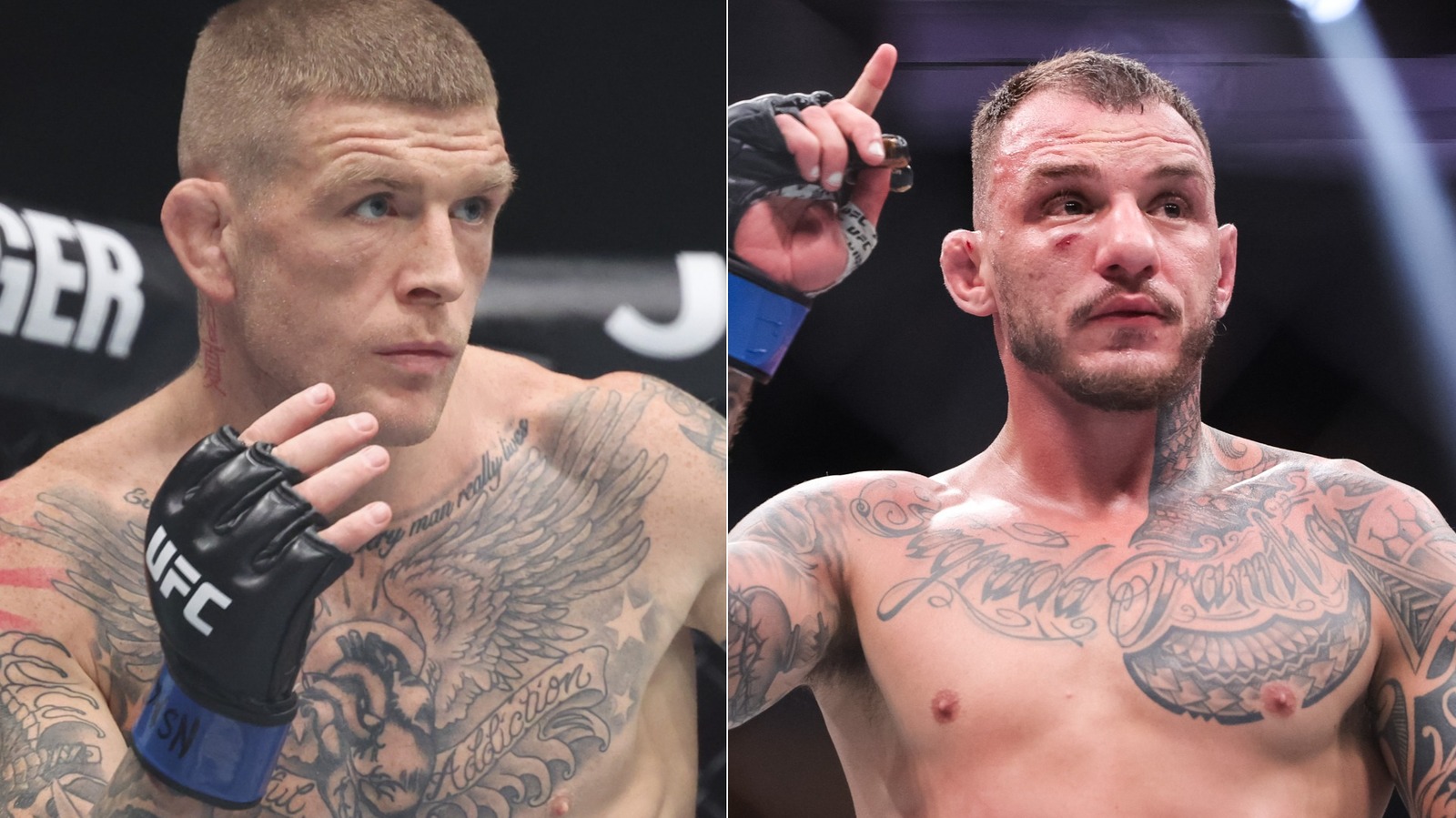
Chris Duncan walked into the Meta Apex for UFC Fight Night 272 carrying professional expectations that transcend the standard win-loss record. Headlining a card is the primary indicator of marketability in the modern era, yet for Duncan, the spotlight arrived under circumstances that defy conventional sports narratives. As Wrestling Inc reported, his journey into this professional spotlight was shaped by the murder of his mother just days before his debut.
Technical analysts often fixate on striking differential or takedown accuracy, but the variable of personal trauma is rarely quantified in fight metrics. When Duncan squared off against Renato Moicano, he wasn't just defending a ranking; he was navigating a career arc that few fighters endure before reaching the main event slot. Statistically, main event status usually correlates with five-round conditioning and higher pay-per-view potential, but this matchup presented a different kind of pressure.
The math of the Apex spotlight
The UFC has leaned heavily on the Meta Apex for Fight Night events, creating a localized output that minimizes travel costs while maximizing volume. Hosting headliners like Moicano and Duncan in this venue allows for a controlled environment, yet the lack of a live gate often shifts the focus entirely toward broadcast engagement metrics. The transition from regional obscurity to a headline spot usually requires a multi-year build, but the pacing of recent cards suggests the promotion is narrowing that window.
As seen in the live results, the pairing of a veteran like Moicano against a fighter with Duncan's specific backstory highlights a deliberate match-making strategy. The promotion is banking on the visceral, human-interest element to anchor a card that might otherwise struggle for casual viewership. It is a risky allocation of resources, essentially betting that narrative investment can rival the high-octane skill ceilings found in title-contender bouts.
Defining the ceiling
The fundamental issue with this booking is the longevity of the fighter's trajectory. Fighting at the top of a card requires a 25-minute cardio threshold, a test that exposes even the most talented strikers if their preparation is rushed by aggressive scheduling. During the UFC Fight Night 272 coverage, the technical gaps between established veterans and rising contenders often manifest in the third round. If Duncan's output stagnates as the clock hits the 15-minute mark, the promotion loses its leverage for future headline spots.
There is also the matter of the total card composition. When you have a headliner built on an emotional narrative, the undercard needs to perform a heavy lift in terms of finishing rate to maintain viewer retention. If the supporting bouts fail to deliver, the entire weight of the event sits on the shoulders of the main event pair. Relying on traumatic backstory as a primary promotional engine is an unsustainable booking tactic unless the technical output matches the narrative intensity.
Ultimately, 2026 scheduling is moving toward a model where story dictates depth, regardless of experience gaps. Whether this leads to higher engagement or a dilution of the main event prestige is the primary question. For Duncan, the opportunity came early, but staying in this position requires more than a compelling origin story; it requires consistent dominance at a 95 percent completion rate or better to stay relevant in an increasingly crowded division.