
Predicting the 2026 Andre The Giant Memorial Battle Royal: The math of the midcard
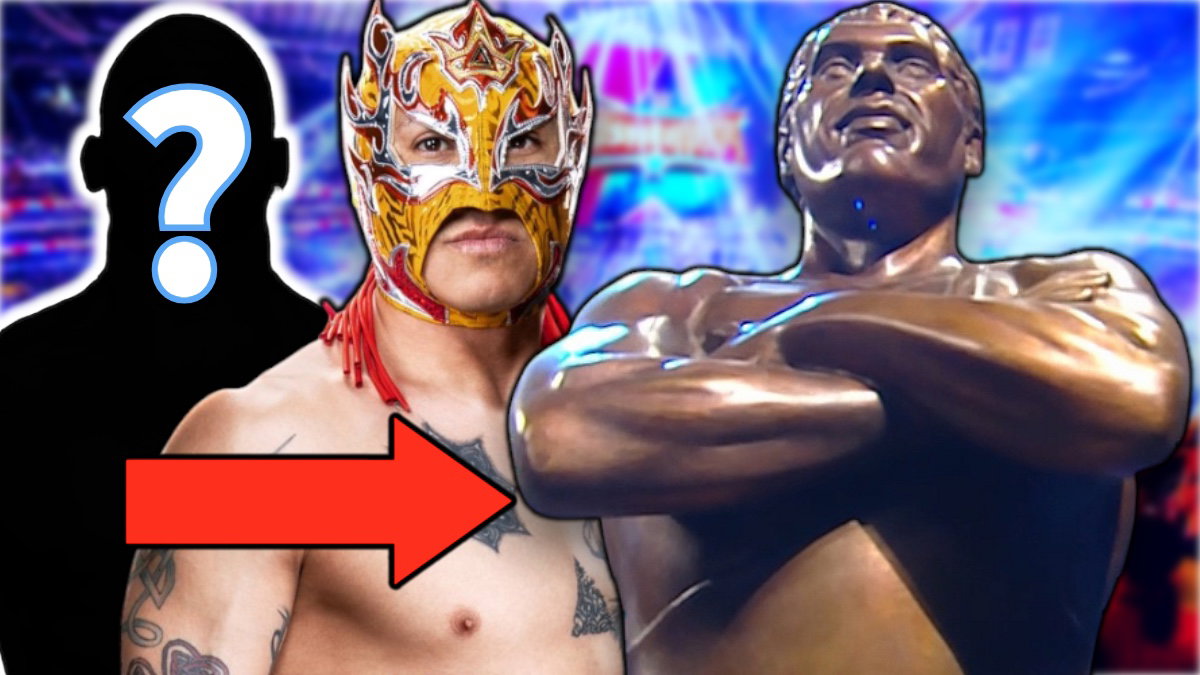
The undercard's chaotic calculus
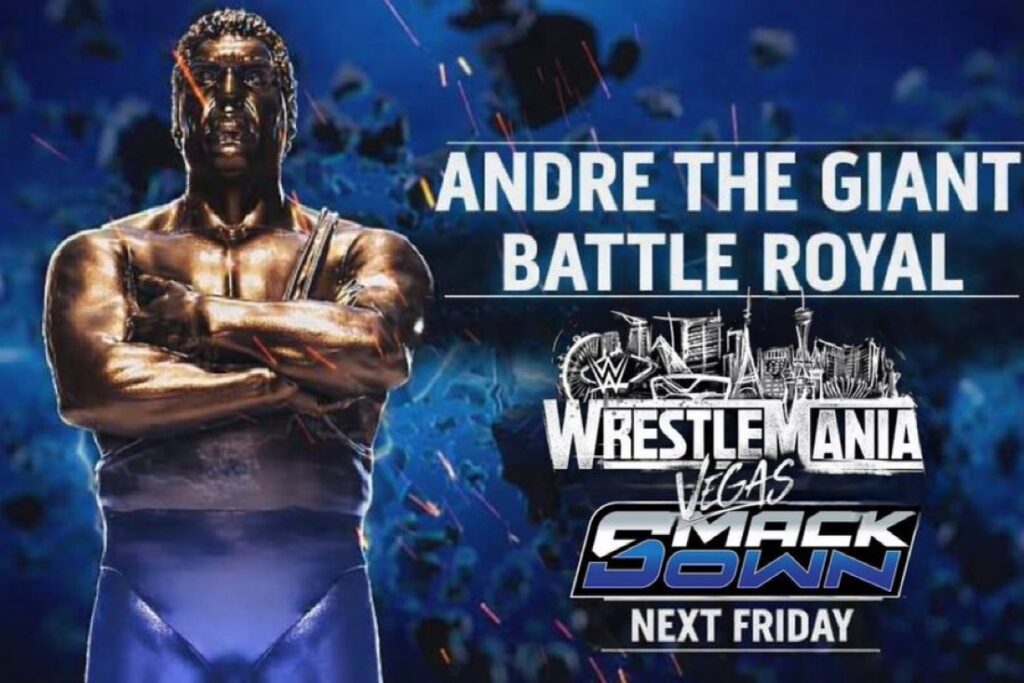
WrestleMania weekend kicks off not with the pomp of the grandest stage, but with the orchestrated chaos of the Andre The Giant Memorial Battle Royal. Slated for the Friday Night SmackDown preceding the two-night spectacle, it’s a 30-man scramble that often sets the tone for the weekend, while simultaneously serving as a holding pen for talent without a marquee feud.
WrestleTalk recently published their predictions for the 2026 edition, prompting a closer look at the mechanics of this particular match type. It’s rarely a masterpiece of pacing, but it is a fascinating study in WWE's midcard hierarchy and rotational booking.
The battle royal format, by its very nature, limits complex storytelling. You aren't getting a 20-minute clinic on limb psychology here. What you are getting is a series of overlapping micro-narratives designed to pop the crowd and, occasionally, launch a midcard push that may or may not survive the spring.
Analyzing the usual suspects
Historically, the winner falls into one of three categories: the ascending powerhouse (think Baron Corbin in 2016 or Omos in 2024), the veteran reward (Cesaro in 2014, Matt Hardy in 2018), or the storyline prop (Mojo Rawley in 2017, aided by Rob Gronkowski). Predicting the 2026 winner requires identifying who fits these profiles right now.
The powerhouse archetype is always the safest bet. WWE loves the visual of a giant clearing the ring. If someone like Bronson Reed or Oba Femi isn't booked on the main card, they become immediate favorites. Their sheer mass dictates the flow of the match; they are the immovable objects the rest of the roster must briefly unite against before the inevitable double-crosses begin.
However, the "veteran reward" is arguably the more satisfying outcome for the hardcore fanbase. It’s a nod to years of service, a fleeting moment of glory for a worker who routinely makes others look good. If a workhorse like Chad Gable or a returning legacy act finds themselves in the mix without a defined program, a win here feels earned, even if the momentum rarely translates to a sustained main event run.
The problem with the trophy
This brings us to the core issue with the Andre The Giant Memorial Battle Royal: the aftermath. Winning the imposing trophy rarely alters a career trajectory in a meaningful way. It's a localized pop, a nice photo op, and then it's back to the midcard grind. The trophy itself often ends up broken in a subsequent angle, a prop rather than a prestige accomplishment.
This isn't necessarily a booking failure; it's a structural reality. WrestleMania is the culmination of long-term storylines. The battle royal is the island of misfit toys. It's unrealistic to expect a match designed to get everyone on the card to suddenly elevate a talent to main-event status overnight. The problem isn't the match itself, but the lingering expectation that it *should* mean more than it does.
Booking the finish
To make the 2026 edition memorable, WWE needs to focus on the final four. That’s where the actual match happens. The first 15 minutes are just clearing the brush. The final sequence needs to tell a concise story. Is it the plucky underdog surviving against two monsters? Is it a simmering tag team implosion?
If we look at recent roster trends, a compelling final four would involve a mix of established upper-midcarders who just missed the WrestleMania cut and hungry NXT call-ups looking to make an immediate impact. Imagine a scenario where a dominant force like Bron Breakker (assuming he isn't defending a title) is systematically dismantling the field, only to be outsmarted by a cunning tactician like Santos Escobar or a resilient babyface like Dragon Lee.
That’s the tactical beauty of a battle royal finish. It doesn't require a clean pinfall or submission. It requires leverage, momentum, and opportunism. A smaller wrestler can eliminate a giant without damaging the giant's aura, provided the geometry of the elimination makes sense. A well-timed dropkick to the knee as the big man leans over the top rope is far more effective storytelling than a contrived test of strength.
The verdict
Predicting the winner this far out is a fool's errand, given the fluidity of WWE storylines. Injuries, sudden pushes, and unexpected returns will reshape the landscape a dozen times between now and WrestleMania 42. But understanding the archetypes and the structural limitations of the match allows us to analyze the booking logically.
The 2026 Andre The Giant Memorial Battle Royal won't be a five-star classic. It will be a chaotic, messy, and occasionally brilliant sprint. If WWE books the final sequence with the same care they book a main event, it can be a highlight of the weekend. If they treat it simply as a way to get 30 guys a payday, it will be forgotten before the main card even begins. The math of the midcard is unforgiving, but occasionally, the numbers add up to something special.
Read Next
WWE CM Punk Best in the World T-Shirt
The iconic ringer tee of the Second City Saint.
Frequently Asked Questions
What is the main purpose of the Andre The Giant Memorial Battle Royal?
What types of wrestlers usually win this battle royal?
Why does winning this battle royal rarely lead to a main event push?
How does the powerhouse archetype affect the match flow?
What is the true significance of the trophy awarded to the winner?
More Coverage
Smackdown's booking is becoming a repetitive struggle
11 minutes agoWhen Ozzy wasn't looking: The weirdest wrestling crossover of the year
4 hours ago
AJ Styles is reflecting on his legacy while others look elsewhere
4 hours ago
Ethan Page is playing a dangerous game with his ego in NXT
4 hours ago
Ethan Page says his custom NXT title was the real top prize and fans are split
4 hours agoGear Check: Sorting the Must-Haves from the Merch Table Filler
5 hours agoMore Analysis
WWE's Andre the Giant battle royal has become a Friday night afterthought
3 months, 1 week ago
Carmelo Hayes and the ghost of the Andre Battle Royal
3 months ago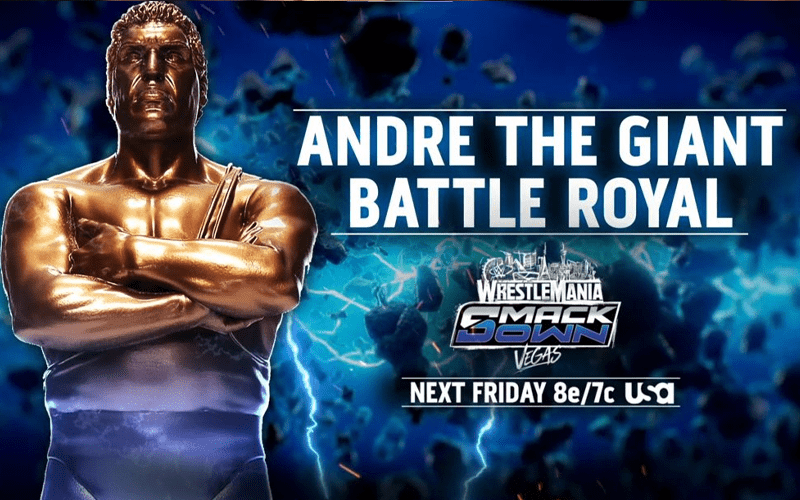
WWE is burying the Andre Battle Royal on SmackDown again and we need to talk
3 months, 1 week agoWrestleMania 41 puts WWE's mid-card strategy under the microscope
3 months ago
WrestleMania 41 arrives under a massive cloud of litigation
3 months, 2 weeks ago