The Big Picture
Professional wrestling thrives on the friction between its self-contained universe and the harsh reality of the mainstream. When a performer or an angle manages to puncture the bubble of the general public, it changes the trajectory of the industry for years. These aren't just guest appearances; they are the pivots where wrestling stopped being a subculture and started dictating the national conversation.
10. The Rock Headlines the Live-Action Moana Trailer
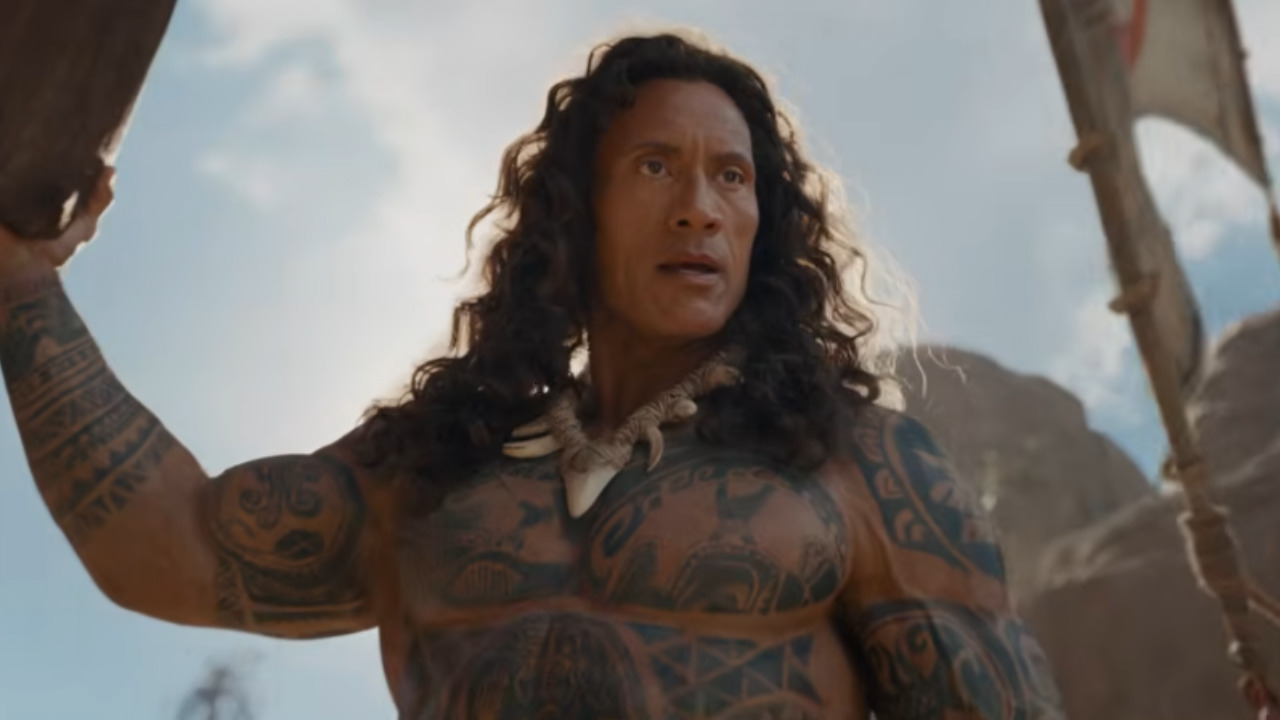
Dwayne Johnson’s transition from 'The Brahma Bull' to the highest-paid actor in Hollywood is the blueprint for every modern aspiring star. The recent release of the live-action Moana trailer featuring Johnson is a reminder of his singular reach. While purists argue his sporadic WWE returns disrupt current storylines, his global visibility provides a level of 'free' marketing that no ad spend could ever replicate. It is the ultimate validation of the wrestling-to-Hollywood pipeline, even if the cinematic Maui feels worlds away from the man who once gave Steve Austin a Stone Cold Stunner at 17 minutes into a WrestleMania main event.
9. Lawrence Taylor Headlines WrestleMania XI
In 1995, the WWF was in a creative drought, and Vince McMahon bet the house on an NFL linebacker. Lawrence Taylor didn't just stand on the sidelines; he went 11 minutes and 46 seconds with Bam Bam Bigelow in the main event. It was a mechanical, simplified match, but it drew the mainstream sports media eyes that the product desperately lacked during the 'New Generation' era. Many wrestlers in the locker room were rightfully furious that a non-worker took the closing spot. However, the spectacle proved that celebrity involvement could still move the needle when the internal roster was thin.
8. Ronda Rousey Points at the WrestleMania Sign
At the end of the 2018 Royal Rumble, the UFC’s most famous female fighter stood in a WWE ring, signaling a shift in how the company viewed its women’s division. Rousey brought a legitimacy and a 'big fight feel' that transitioned the division from 'Divas' to a genuine main-event attraction. Her debut match at WrestleMania 34 remains one of the best-executed first matches in history, showing a surprising aptitude for psychology. The bloom eventually came off the rose as fans tired of her scripted promos, but her initial arrival was a seismic shift in credibility.
7. Mike Tyson and Stone Cold's Shoving Match
The image of Mike Tyson and Steve Austin being restrained by a sea of suits in 1998 is the definitive visual of the Attitude Era's takeoff. Tyson was the 'Baddest Man on the Planet,' and Austin was the anti-establishment rebel who didn't care about his reputation. When Austin flipped Tyson the double bird, it made the nightly news in every major market. This wasn't a coordinated PR stunt in the eyes of the casual viewer; it felt like a volatile collision of two dangerous worlds. It forced WCW onto the defensive and signaled the beginning of the end for the Monday Night Wars.
6. Cyndi Lauper and the Rock 'n' Wrestling Connection
Without Cyndi Lauper, there is no WrestleMania I. In 1984, the pop star brought MTV’s massive audience to the WWF, bridging the gap between music and muscle. Her involvement as Wendi Richter’s manager provided the 'cool factor' that Vince McMahon needed to expand nationally. The 9.0 rating for 'The War to Settle the Score' on MTV remains a high-water mark for cable wrestling. It was the first time the industry successfully leveraged youth culture to mask the technical limitations of its mid-card performers.
5. The nWo Invades Disney-MGM Studios
WCW’s decision to have Scott Hall and Kevin Nash appear on Nitro as 'outsiders' felt like a genuine corporate hijacking. When they brought the fight to the Disney-MGM Studios set, it shattered the traditional presentation of wrestling. It looked like a guerilla broadcast, messy and dangerous. Fans believed Hall and Nash were still under contract with the WWF, creating a meta-narrative that the internet era hadn't yet demystified. This moment forced every other company to adopt a more 'realistic' tone, though WCW eventually ruined the concept by expanding the group to 25 members.
4. Andy Kaufman vs. Jerry Lawler in Memphis
Long before 'sports entertainment' was a corporate term, Andy Kaufman was the ultimate heel. The Hollywood comedian’s feud with Jerry Lawler in 1982, culminating in a legendary appearance on Late Night with David Letterman, is the gold standard for crossover heat. Kaufman understood heat better than 90% of the boys in the back. When Lawler slapped him off his chair on national television, the world thought it was real. It remains a masterclass in commitment, as Kaufman took the secret of the work to his grave.
3. Muhammad Ali at WrestleMania I
The greatest boxer of all time served as the special guest enforcer for the first WrestleMania, lending the event an air of global prestige. Ali’s presence on the floor, occasionally swinging at Piper and Orndorff, told the audience that this wasn't just 'the matches'—it was an event of historical significance. Ali was past his physical prime, yet his aura was still untouchable. He was the bridge between the old-school territory days and the global conglomerate WWE would become. It was a risky move that paid off by associating Hulk Hogan with the most famous athlete on Earth.
2. Bad Bunny at WrestleMania 37
Traditionalists mocked the idea of a reggaeton star taking a spot on the card, but Bad Bunny silenced them with a Canadian Destroyer. Unlike many celebrities who show up for a paycheck, Bunny trained for months at the Performance Center. He treated the business with more respect than some of the full-time roster members. His involvement brought in a massive, younger Hispanic demographic and proved that the crossover formula still works in the 21st century. It wasn't a gimmick; it was a high-level athletic performance that earned the locker room's genuine respect.
1. Hulk Hogan on The Tonight Show with Hulkia-Mania
Hulk Hogan’s 1980s media blitz is the reason wrestling exists on its current scale. Every time Hogan appeared on a late-night talk show or a cereal box, he was selling the idea of the 'Real American.' He was the first wrestler to become a household name who didn't need to explain what he did for a living. His charisma was so overwhelming that it blinded the public to the repetitive nature of his three-move sequences. He wasn't just a wrestler; he was a living cartoon who convinced the world that saying your prayers and eating your vitamins was a legitimate lifestyle choice.
Honorable Mentions
Logan Paul’s transition into a top-tier worker deserves a nod, though his outside controversies often overshadow his in-ring brilliance. Shaquille O'Neal’s appearance in AEW was surprisingly effective, largely because he was willing to take a massive powerbomb through a table. Finally, Snooki’s WrestleMania match was better than it had any right to be, even if it represented a low point for the 'serious' work-rate fans of the time.