The gatekeeper returns home
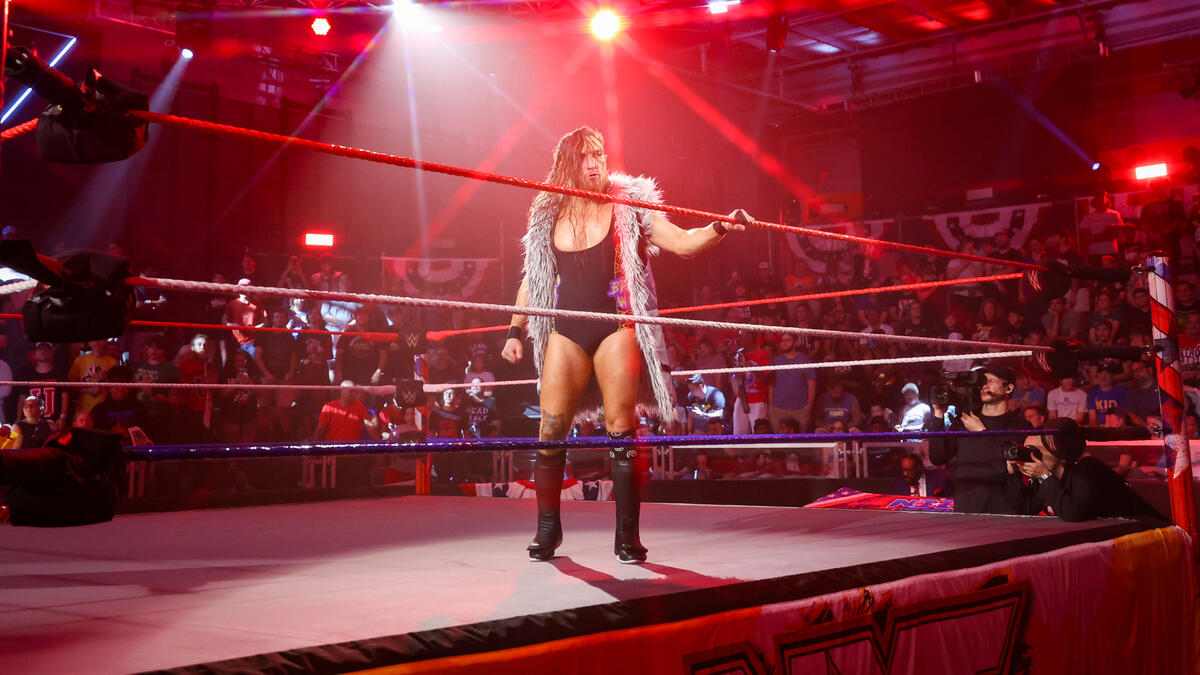
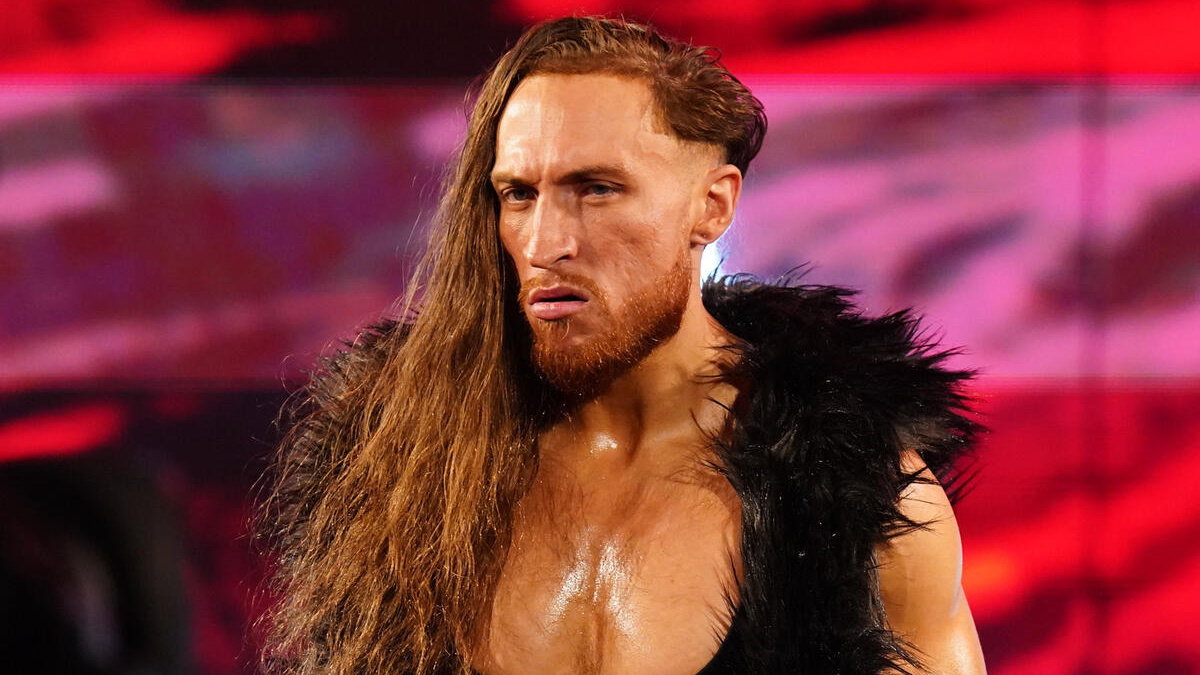
Pete Dunne is heading back to his roots. On June 19, the Bruiserweight steps into an Attack! Pro Wrestling ring. It is a promotion he helped build with his bare hands and bruised knuckles.
For longtime fans of the British independent scene, seeing Dunne back under the Attack! banner feels like a reward. He defined an entire era of European wrestling before carrying that gritty, joint-snapping style to WWE television. His presence instantly elevates the entire card.
But this isn't just a nostalgia trip. Dunne isn't flying in to pop the crowd, hit a Bitter End, and wave goodnight. He is showing up with a clipboard.
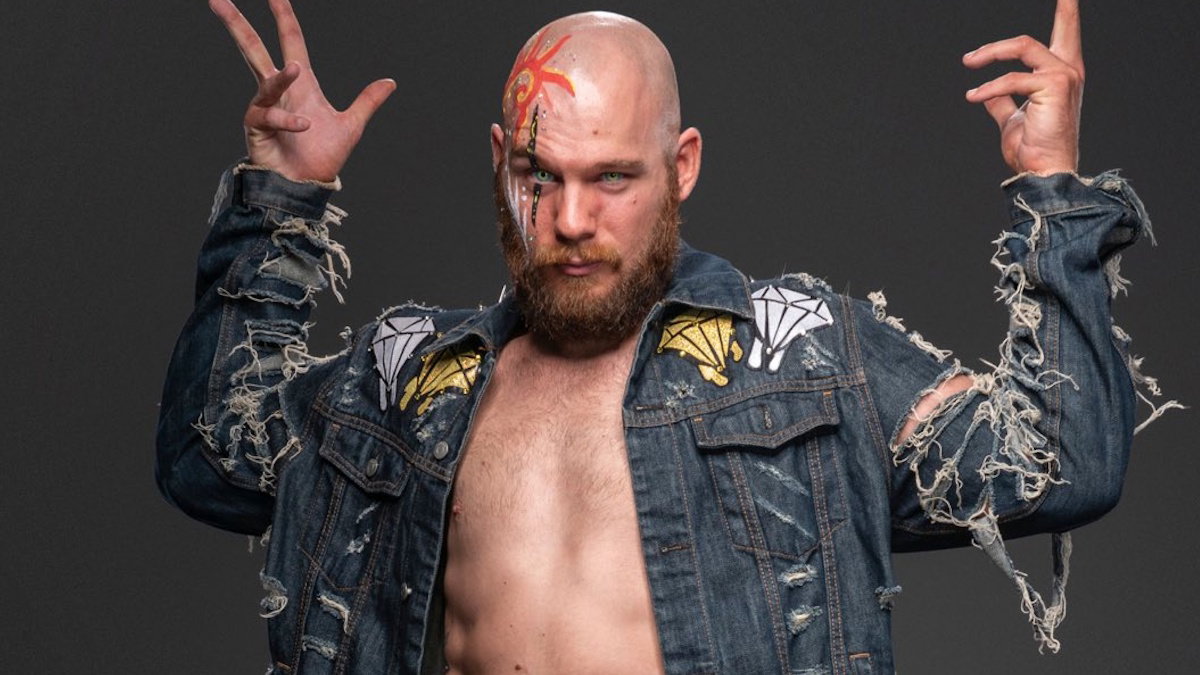
His opponent is Leon Cage. Cage is a name currently circulating through the WWE tryout system. WrestleTalk recently reported the match details, confirming the prospect's involvement.
This booking reveals exactly how WWE views its current relationship with the independent circuit. They are no longer just scouting from afar. They are sending their most violent technicians directly into the mud to test the prospects in real time.
Facing Pete Dunne is not a standard indie showcase. It is an examination. It is a violent interrogation disguised as a wrestling match.
The reality of the modern tryout
For years, the WWE tryout process happened behind closed doors in Orlando. Prospects ran the ropes, bumped on command, and cut promos in front of a camera crew.
That controlled environment produced elite athletes. But it often failed to measure how a wrestler handled true in-ring chaos. Can you improvise when a crowd turns on you? Can you survive when the pace suddenly shifts mid-match?
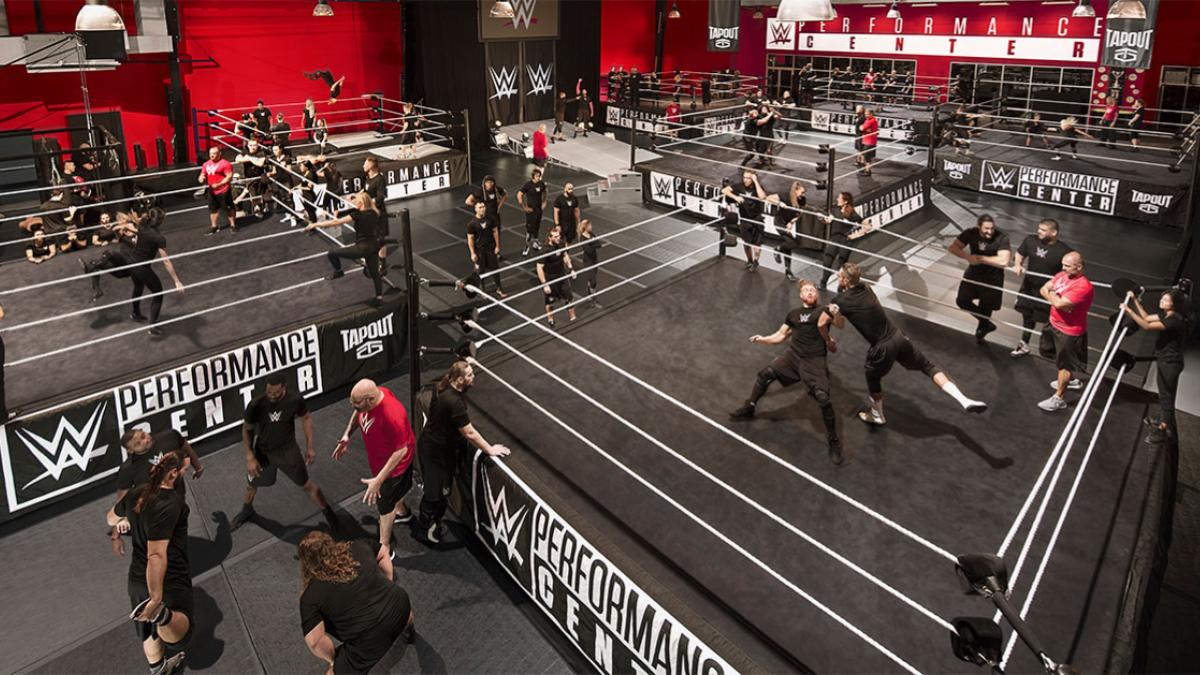
By booking Cage against Dunne at Attack! Pro, WWE is answering those questions in public. Cage is walking into a building filled with fans who treat Dunne like royalty. The pressure is completely different from a quiet Performance Center gym.
If Cage freezes, everyone sees it. There are no second takes. There is no editing team to fix a blown sequence.
And Dunne is the perfect stress tester. His offensive style is entirely built around creating visible discomfort. He grounds his opponents, isolates limbs, and forces them to work out of complex, agonizing holds.
Cage will have to demonstrate a mastery of defensive spacing. He cannot just rely on athletic sequences or choreographed high spots. Dunne will grab his fingers, bend them backward, and demand that Cage find a way to make the struggle look compelling.
The Cardiff atmosphere
You cannot ignore the setting for this encounter. The Cardiff crowd is a living, breathing entity. They are notoriously vocal, deeply invested, and entirely unforgiving.
When Pete Dunne's music hits on June 19, the building will shake. They remember the wars he fought in that ring. They remember the foundation he laid. He is a returning hero.
Leon Cage will be stepping into a wall of noise. The fans will scrutinize his every movement. If his footwork is sloppy, they will let him know. If his strikes lack impact, they will laugh.
This is the intangible element that you cannot simulate in a training facility. You have to experience the hostility firsthand to understand how it affects your cardio and your decision-making.
Dunne will use that crowd against Cage. He knows exactly how to pace a match to maximize the audience's reaction. He will deliberately slow things down, playing to the fans while Cage is trapped in a hold, forcing the prospect to stew in his own frustration.
Cage's emotional control will be tested just as severely as his physical endurance. He has to stay composed while the entire room roots for his destruction.
The psychology of the gatekeeper
Pete Dunne has quietly transitioned into a fascinating role within the WWE hierarchy. He is no longer the upstart prospect trying to make a name for himself. He is the established veteran. He is the measuring stick.
When you put a rookie in the ring with Dunne, you are asking for a brutal, honest assessment. Dunne does not sugarcoat his offense. If a prospect cannot handle a stiff forearm, Dunne will expose that weakness immediately.
This is exactly why he is the perfect gatekeeper. He strips away the glitz and the pageantry of modern wrestling.
He forces his opponents to prove their toughness. Cage will not be able to hide behind elaborate pyrotechnics or a heavily produced entrance. Once the bell rings, it is just him and a man who wants to break his fingers.
That level of psychological pressure is immense. Cage has to prove he belongs in the same ring as a man who has main-evented arenas around the world.
The danger of the developmental pipeline
Here is where we have to look at the broader picture. It is not entirely positive. While this match is a massive opportunity for Cage, it exposes a troubling trend in how independent promotions are being utilized.
Attack! Pro has its own rich history and distinct creative identity. By serving as a live-fire testing ground for WWE prospects, there is a risk that the promotion is simply becoming an unofficial developmental territory.
Independent wrestling thrives on unpredictability and organic star-making. When a show's main event structure is dictated by a massive corporate entity running a tryout, the indie product can feel compromised.
The fans in attendance on June 19 are paying to see an Attack! Pro show. As detailed in the initial match announcement, this marks a major return for Dunne. But they are not paying to sit in on an evaluation session for the WWE Performance Center. If the match delivers, nobody complains. But the underlying dynamic is deeply flawed.
If Cage and Dunne put on a classic, the crowd will go home happy. But if the match becomes a clunky, disjointed affair because Cage gets overwhelmed by the moment, it is the independent promotion that suffers the immediate reputational damage.
WWE gets their scouting report either way. Attack! Pro has to deal with the fallout of a main event that didn't deliver. That power dynamic is heavily skewed in favor of the giant.
Breaking down the stylistic clash
Inside the ropes, this is going to be a grueling physical assessment. Cage has drawn attention for his raw athleticism, but raw athleticism means nothing when Pete Dunne is controlling your wrists.
The opening five minutes will tell the entire story. Dunne usually starts his matches by forcing his opponent to the mat, establishing total dominance through mat-wrestling fundamentals.
Cage cannot afford to let Dunne dictate the pace early. He needs to use his speed to break the distance, forcing Dunne to abandon his grappling and engage in a striking battle.
If Cage allows Dunne to trap him in a corner, the match is effectively over. Dunne's ability to transition from a wrist lock into a stiff forearm strike is unmatched. Cage has to counter by targeting Dunne's lower body.
Taking out Dunne's legs reduces the power of his strikes and limits his ability to apply torque on his submission holds. It is a basic strategy, but executing it against a technician of Dunne's caliber is incredibly difficult.
We should also consider the pacing. Independent matches often fall into the trap of moving too fast. Wrestlers rush from spot to spot, desperate to keep the crowd engaged.
Dunne refuses to play that game. He is perfectly comfortable letting a hold breathe. He will sit in a submission for three straight minutes, ignoring the crowd's restlessness, forcing his opponent to fight through the pain.
Cage must resist the urge to speed up the match. If he tries to force a fast tempo against a master grappler, he will stumble into a counter. He needs to display patience. He needs to show that he understands ring psychology.
A simple mistake, like telegraphing a clothesline or rushing a dive to the outside, will be punished instantly. Dunne has a counter for almost every offensive maneuver. Cage has to be unpredictable, utilizing feints and misdirection to open up striking angles.
We should also watch how Cage sells the damage. Dunne's offense targets small joints. Fingers, wrists, elbows. Selling a twisted finger requires nuanced facial expressions and consistent body language throughout the match.
If Cage forgets to favor his hand after Dunne bends it, the illusion shatters. The scouts in Orlando will be watching that specific detail closer than anything else. Selling is what separates a prospect from a professional.
The final verdict
Ultimately, this match is designed to push Leon Cage to his absolute physical limit. Pete Dunne is going to give him nothing for free.
Every inch of mat space will have to be earned through grit and technical precision. Cage is going to have moments where he shines. He will hit his signature spots, and the crowd will undoubtedly respect his effort.
He is in this position because WWE sees genuine potential in him. You do not get booked against the Bruiserweight unless management believes you can survive the experience.
But survival is not the same thing as victory. Dunne is returning to his home turf. He knows the ring, he knows the crowd, and he possesses a level of ring IQ that takes a decade to develop.
He will slowly dismantle Cage. He will break down his defenses hold by hold until the prospect makes a fatal error. The experience gap is simply too wide to ignore.
Prediction: Pete Dunne wins by submission at the 17-minute mark. Cage puts on a valiant performance that secures his WWE contract, but the Bruiserweight leaves Attack! Pro with his hand raised.