The Price Tag of Being a Titan
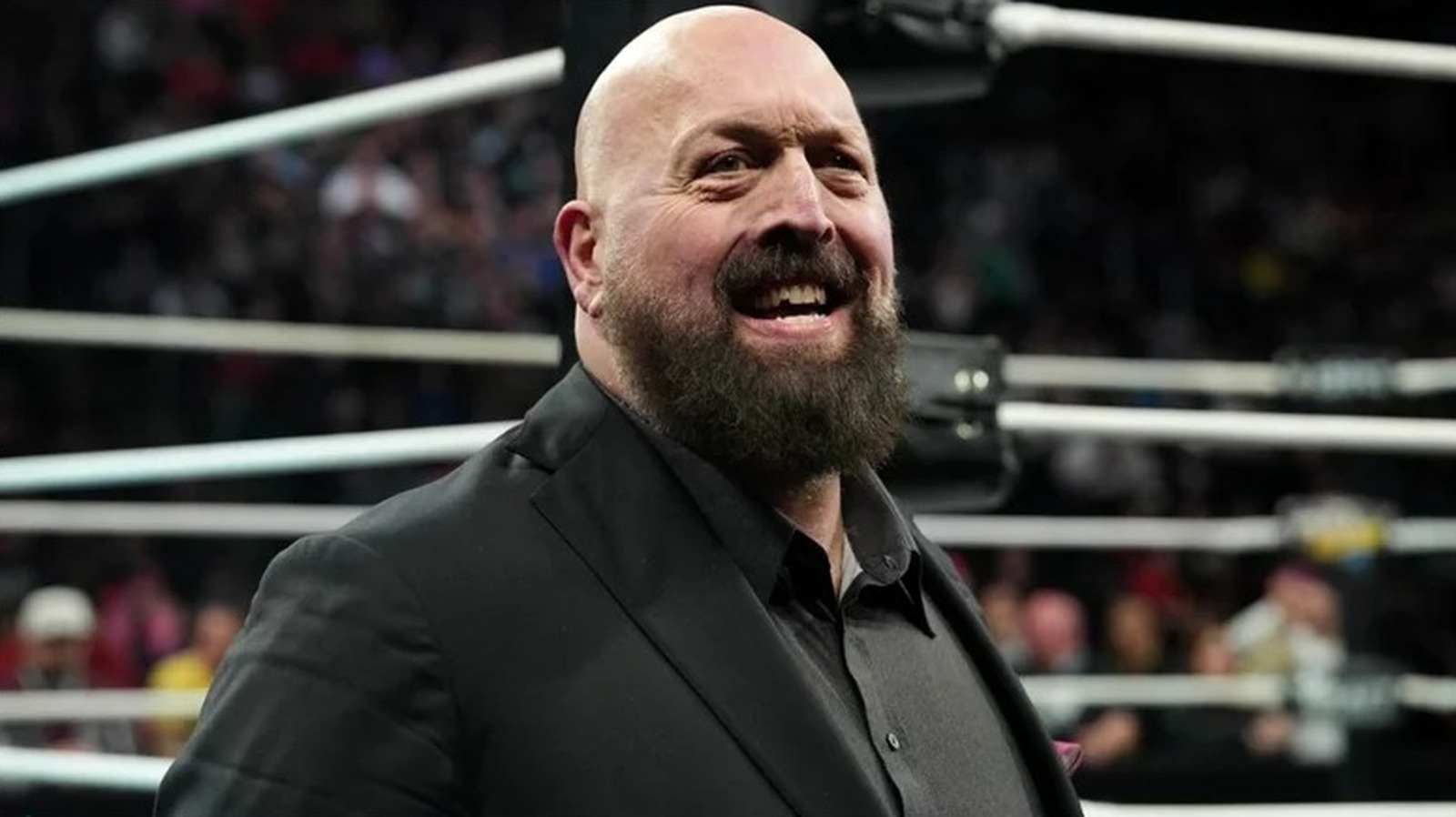
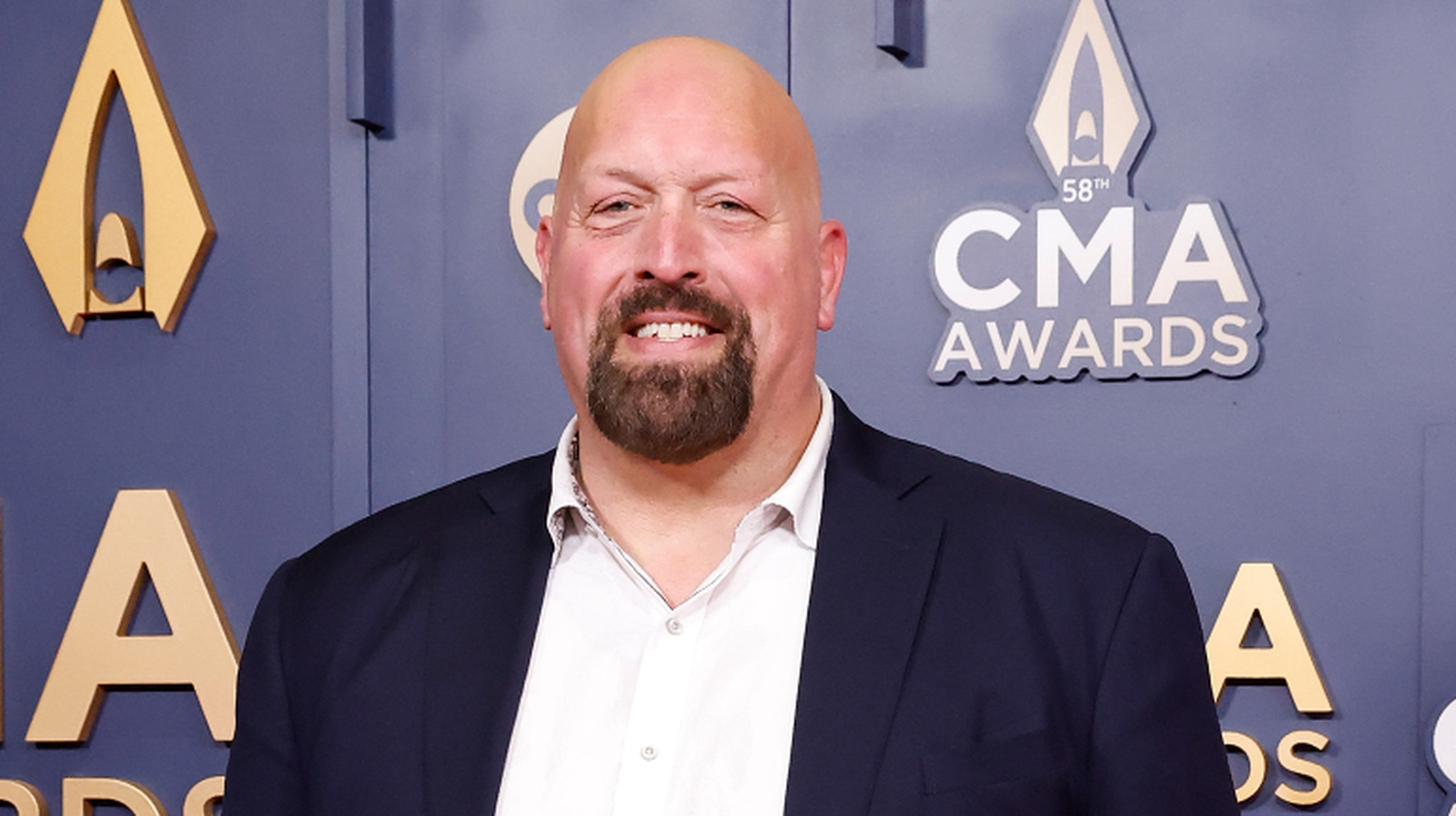
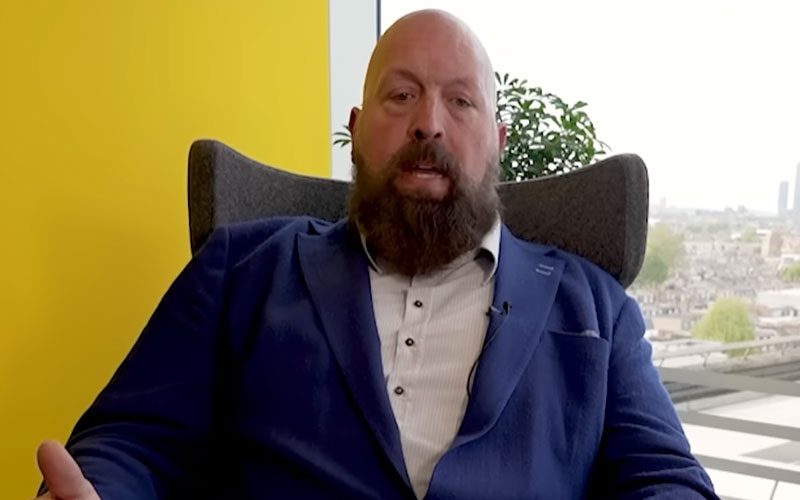
When Paul Wight, the former Big Show, talks about taking care of his “giant frame” in AEW, it’s not just a casual interview soundbite. It’s a battle cry from a man who’s spent three decades putting his body through absolute hell. This isn't some Hollywood actor complaining about a sprained ankle on set. This is a 7-foot, 400-pound human being recounting a lifetime of gravity’s relentless assault, match after grueling match.
Forget the kayfabe for a second. The physical toll on a wrestler of Wight’s magnitude is something mere mortals can barely comprehend. Every bump taken, every chokeslam delivered, every ill-advised top-rope move attempted, amplifies the impact a hundredfold when you're built like a sentient redwood. His recent comments aren't just an update; they're a stark reminder that the biggest men in professional wrestling don't just wrestle, they wage war against their own biology.
The Long, Painful Shadow of the Big Man
Wight isn't an anomaly; he’s part of a tragic lineage. From Andre the Giant, who famously couldn't feel his legs by the end of his career, to guys like Yokozuna and Haystacks Calhoun whose careers were shortened or lives tragically cut short by the sheer burden of their size, the giant in wrestling has always paid a steep price. These weren’t just big guys; they were spectacles, anomalies, drawing cards built on their immense stature. And for that spectacle, the receipt is always due.
Andre suffered from acromegaly, a condition that contributed to his legendary size but also his immense pain. Wight, while not afflicted in the same way, has still battled hip issues so severe they required multiple replacements. Think about that: a professional wrestler, with not one, but *two* brand new hips. It’s a testament to his toughness, sure, but also a chilling indictment of the demands placed on these performers, especially when they’re literally head and shoulders above everyone else.
“I’ve had 13 surgeries… most of them on my joints, my hips. Being this size, you carry a lot of impact, a lot of pressure on those joints.”
AEW's Elephant in the Room
In AEW, Paul Wight has largely transitioned into a commentator role for Dark and Elevation, with occasional in-ring appearances. And bless his heart, he’s fantastic at it. His insights are sharp, his humor is infectious, and he brings a much-needed veteran presence to the announce desk. But there’s a part of me, the wrestling fan who remembers him tearing apart WCW's power structure and holding multiple world titles, that wonders if AEW is truly maximizing his unique value.
Yes, his body is a roadmap of past wars. Yes, keeping him safe and healthy is paramount. But to have a living legend, a true giant of the squared circle, mostly relegated to YouTube shows feels like a slight underutilization. His presence alone is an aura; his occasional appearances could be used to elevate new talent or provide a legitimate, credible threat in a way few others can. A limited schedule, highly protected, with a clear endgame – that’s how you handle a treasure like Paul Wight, not just as a weekly voiceover.
The Perpetual Comeback Tour
It seems every few years, we get another Paul Wight transformation. He gets in incredible shape, sheds a ton of weight, and reminds everyone just how athletic he *can* be. These aren't vanity projects; they’re survival. They’re a giant trying to stave off the inevitable, to keep the machine running for as long as humanly possible. He’s not just working out to look good on Dynamite; he’s doing it to walk without pain, to play with his kids, to have a semblance of a normal life after the final bell rings.
The sheer effort involved in maintaining that physique, especially at his age and with his injury history, is Herculean. It makes the gym routines of most other wrestlers look like a leisurely stroll in the park. He’s not just lifting weights; he’s defying expectations, pushing back against the biological clock that ticks louder for men his size. It's a never-ending fight against his own frame, a commitment to his craft and his future health that few could ever replicate.
A Cautionary Tale, a Resilient Spirit
So, when Paul Wight talks about his health, listen. He’s not complaining; he’s educating. He’s showing everyone that while the bright lights and roar of the crowd are intoxicating, there’s a dark side to the dream, especially for those whose bodies are pushed to the absolute extreme. His career is a highlight reel of dominance, comedy, and surprising longevity.
But it's also a cautionary tale. A testament to the brutal demands of professional wrestling, a sport that asks its performers to sacrifice their future for our momentary entertainment. Paul Wight, the man who was The Giant and The Big Show, now stands as a symbol of both incredible resilience and the heavy price paid when you live life as a walking, talking, bodyslamming force of nature.