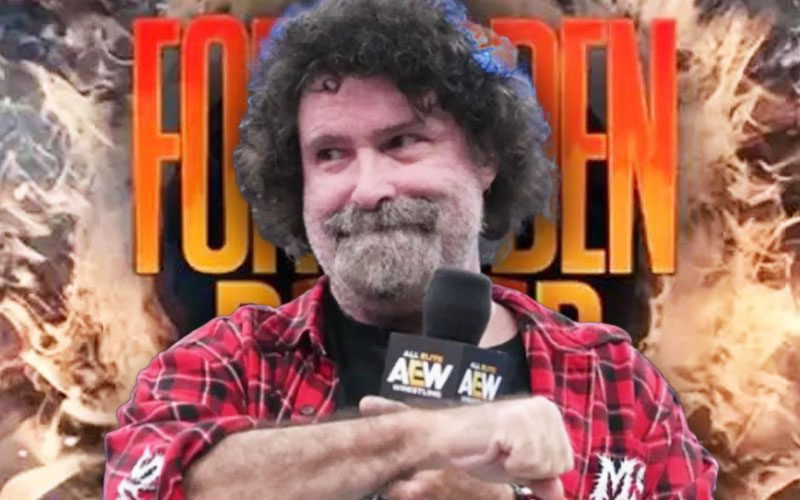
The status of a hardcore icon
Mick Foley has been ruled out of the upcoming AEW x NJPW Forbidden Door event. Despite ongoing speculation regarding potential cameos, sources close to the situation confirm he will not appear on the card.
This absence is not a result of injury or creative friction with either AEW or NJPW executives. Unlike frequent medical set-backs frequent in the current industry, Foley is reportedly in good health. The decision appears to be professional and administrative, avoiding the type of high-risk booking that often leads to injuries for veterans of his style.
Health and safety in modern booking
Modern wrestling has seen a shift toward preserving legends rather than putting them in harm's way for one-off appearances. Injuries to aging stars continue to haunt the industry, particularly after reports detailed Foley's current status following the speculation cycle last week. When fans see a legend off the card, there is a natural disappointment, but management across the major promotions now prioritizes long-term health over short-term pops.
History teaches us that bringing legends out for physical spots often leads to diminished returns. We do not have to look as far back as WCW's late-era disasters, where aging stars were consistently placed in physical altercations, to see the downside. Recent years have seen several high-profile injuries during comeback matches that forced organizations to rewrite creative plans hours before bells rang.
The strategic disconnect in PPV draws
Critics point out that relying on legend appearances can mask underwhelming undercard booking. When a show like Forbidden Door is marketed as the ultimate clash of styles between AEW and NJPW, the focus should remain on the active rosters. A legend's presence can distract from the actual athletes tasked with carrying the business for the next decade.
Some observers argue that the reliance on nostalgia remains a drag on the industry's ability to create new, homegrown stars. If a promotion feels the need to bring in a retired hardcore legend, it suggests a lack of confidence in the current mid-card talent to sell the requisite amount of pay-per-view buys. This strategy rarely translates into sustained viewership growth.
Liability and the medical reality
From a medical standpoint, putting icons like Foley on a modern, high-speed card creates a liability nightmare. The concussion protocols and orthopedic standards implemented by AEW and NJPW are far more stringent than in 1999. Even a simple verbal segment can be risky if the crowd's energy demands a physical payoff that the talent can no longer safely provide.
The standard operating procedure for talent health at the Forbidden Door event remains tight. Every wrestler on the card has likely undergone a pre-match evaluation to ensure they meet the 2026 athletic benchmarks for competition. These standards are now the backbone of how rosters stay intact through the summer tour cycle.
The long-term outlook for Forbidden Door
Excluding Foley is the responsible move from a medical and business perspective. It allows the promotion to focus on the matches that actually drive interest for the partnership between Japanese and American markets. The reliance on surprise returns should not supersede the quality of work that has defined the Forbidden Door series since its inception.
Expect the event to proceed without unnecessary spectacle involving non-wrestling talent. The success of this card will be measured by the bell-to-bell action of the active rosters rather than the absence of a Hall of Fame wrestler. If AEW can keep its marquee names healthy, they will have successfully navigated the mid-summer period without needing to lean on the crutch of the past.
Ultimately, the health of the industry improves when promotions move away from the expectation that legends must undergo physical strain to confirm their legacy. Foley's exclusion shows a change in how physical liability is managed in the ring. This is a positive for the wrestlers and for the longevity of the product itself.