The threshold of professional sacrifice
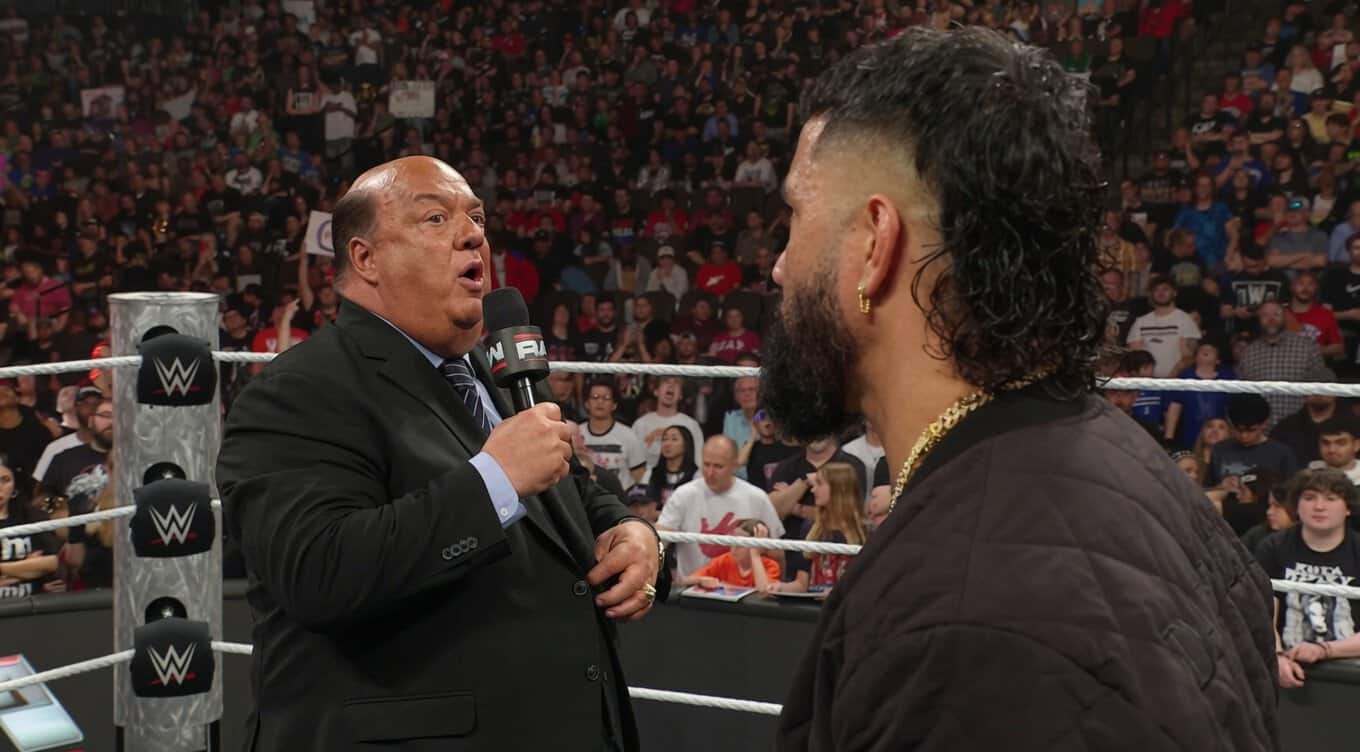
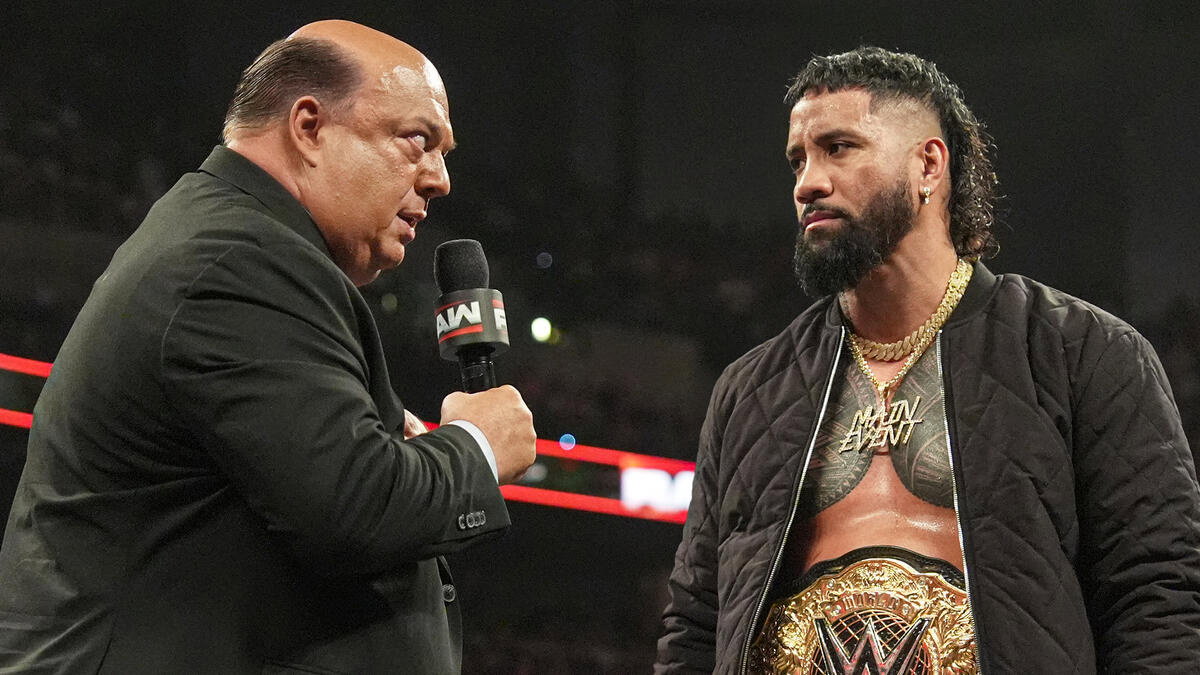
We often talk about the athleticism required to hit a moonsault or the cardiovascular endurance needed to go sixty minutes. We rarely discuss the medical emergencies handled behind the velvet curtain. Paul Heyman’s recent confirmation that he worked a high-stakes segment with Jey Uso last May while attached to a catheter and a PICC line shifts the conversation.
This wasn't some minor bruise or a lingering fatigue. It was a serious, systemic infection. Most performers would have pulled out before reaching the building. Heyman chose to maintain the continuity of the Bloodline narrative instead.
The cost of high-stakes storytelling
The segment in question serves as a masterclass in professional focus. When you watch the tape back, the lack of performance drop-off is startling. Most secondary characters would rely on aggressive pacing or heavy production cuts to hide their discomfort. Heyman leaned into the stillness, using the camera intimacy of the era to drive the tension.
The physical burden of a PICC line—a peripherally inserted central catheter used for long-term intravenous access—implies that his treatment regimen was four to six weeks of constant care. Working into an IV line while cutting a live promo on Jey Uso is an extreme outlier in professional wrestling history.
Flaws in the medical oversight process
While we admire the tenacity, the existence of this segment in the broadcast feed points to a failure in internal vetting. If a manager is in a state requiring clinical IV intervention, the medical team or producers should have intervened. It represents a recurring issue where the show’s urgency outweighs the physical stability of the staff.
As reported by WrestleTalk, Heyman was working through a legitimate acute illness while managing the most complex character arc in modern television. Relying on such high-risk scenarios to keep a segment afloat isn't a sustainable model for the company to maintain.
The verdict on institutional reliance
This reveals a reliance on Heyman that borders on the dangerous. The production team clearly felt the segment would crater without his presence, but the risk to the individual was too high. Looking ahead, WWE needs to establish a protocol where 'the show must go on' doesn't mean 'doing it while hospital-bound.'
My prediction: We will see stricter internal medical clearance protocols for non-wrestling talent by the end of the year. The company can no longer pretend that being 'on-screen' isn't physically demanding in its own right. They got lucky during that Jey Uso segment, but gambling with a performer’s health is a losing game.