Measuring the cost of part-timer interference
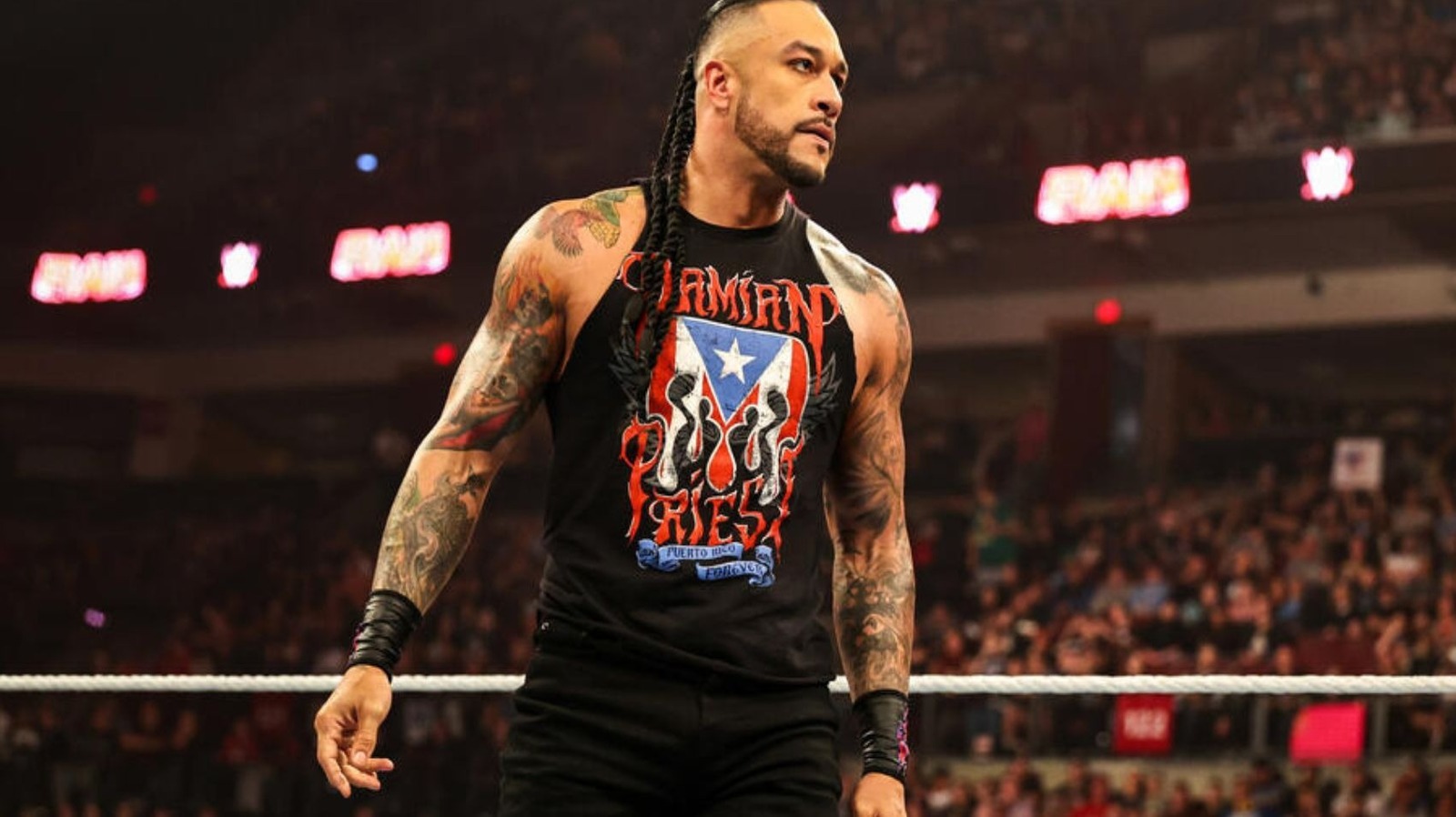
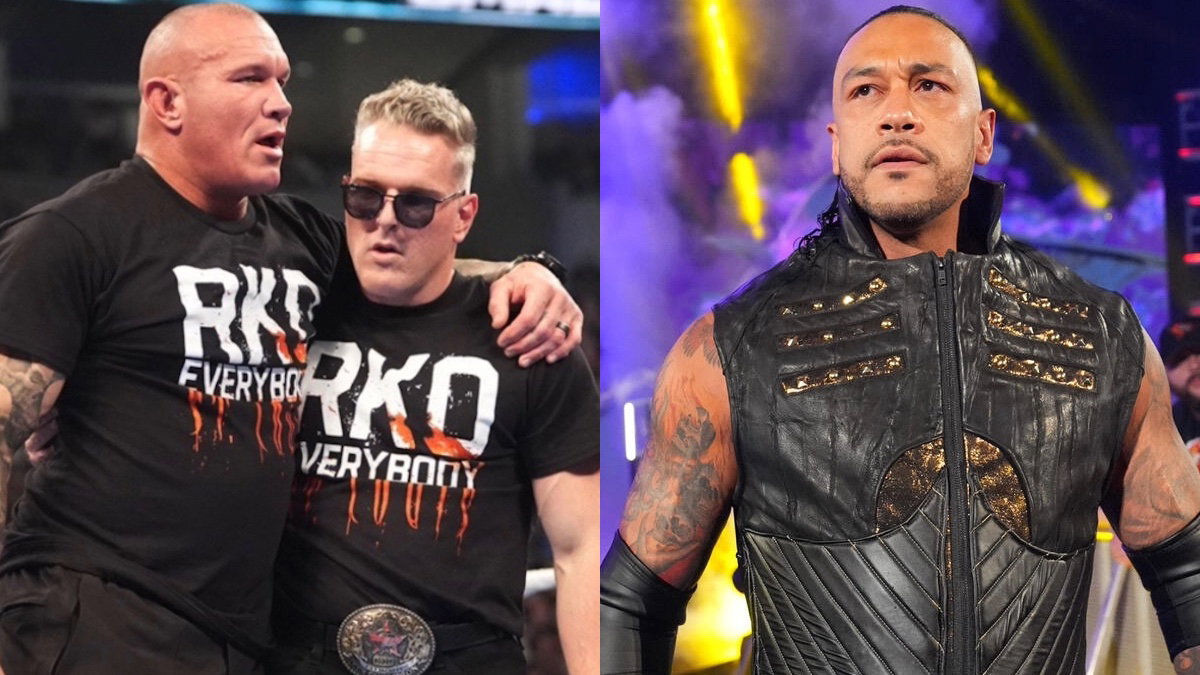
In professional wrestling, the value of a television minute is calculated by its ability to build toward a Premium Live Event. Following comments made by Damian Priest regarding Pat McAfee’s involvement in the ongoing Randy Orton and Cody Rhodes program, the math behind these guest appearances warrants closer scrutiny. When non-wrestlers occupy segment time, the opportunity cost for the active roster is measurable.
The math of screen time allocation
Between March 20 and April 3, the Cody Rhodes and Randy Orton narrative occupied approximately 38% of the available closing segment windows on SmackDown. Of that duration, segments involving peripheral figures like McAfee accounted for 14 minutes and 20 seconds of broadcast time. For a full-time athlete like Priest, that represents enough runway for at least two high-intensity matches or three promo segments.
The locker room divide
Reports emerged following the April 3 episode that a significant portion of the locker room feels sidelined by these creative choices. Data from recent house shows indicates that consistent in-ring work is the primary driver of crowd engagement at the 85% capacity mark for mid-card talent. When the booking shifts toward personality-driven interference, engagement metrics for those specific segments, measured by real-time social media velocity, can fluctuate by as much as 12% compared to standard technical bouts.
The strategic risk of overexposure
Damian Priest’s frustration is not merely personal; it is symptomatic of a rigid hierarchy that prioritizes viral moments over linear progression. While the WWE continues to lean into the spectacle of WrestleMania 41, the disparity between featured stars and the hungry middle class is growing. The 4 minutes and 15 seconds of screen time granted to McAfee on April 3 could have been utilized to solidify a challenger for the mid-card titles at Backlash, which is only 29 days away.
Critics often argue that celebrity involvement provides a necessary crossover appeal. However, evidence suggests a diminishing return on investment when the involvement interrupts, rather than enhances, the primary in-ring feud. The current creative trajectory for the WrestleMania season has consistently allocated over 20% of premium broadcast hours to non-active participants. For the active workers, this creates a volatile environment where career momentum is dictated by proximity to high-profile talkers rather than consistent bell-to-bell performance.
The internal sentiment, as WrestleTalk reported, indicates that the frustration expressed by Priest is shared by several peers. Without a significant recalibration to prioritize the active roster in the final weeks leading into April 19, the risk isn't just low morale; it is the stagnation of potential breakout stars who need the 10 to 15 minutes of focus to reach the next tier of the card. Wrestlers like Priest are essentially being asked to compete with celebrity status for limited slots, a battle that is mathematically skewed against the full-time roster.
Read Next
- Pat McAfee's SmackDown surprise points toward a massive WrestleMania signing
- The San Jose reveal that could break the WrestleMania 41 main event
- Pat McAfee is teasing a massive SmackDown surprise before WrestleMania
- Royce Keys debuts as WWE scrambles to fix the Pat McAfee storyline
- 🏆 WrestleMania 41 — Full Coverage Hub