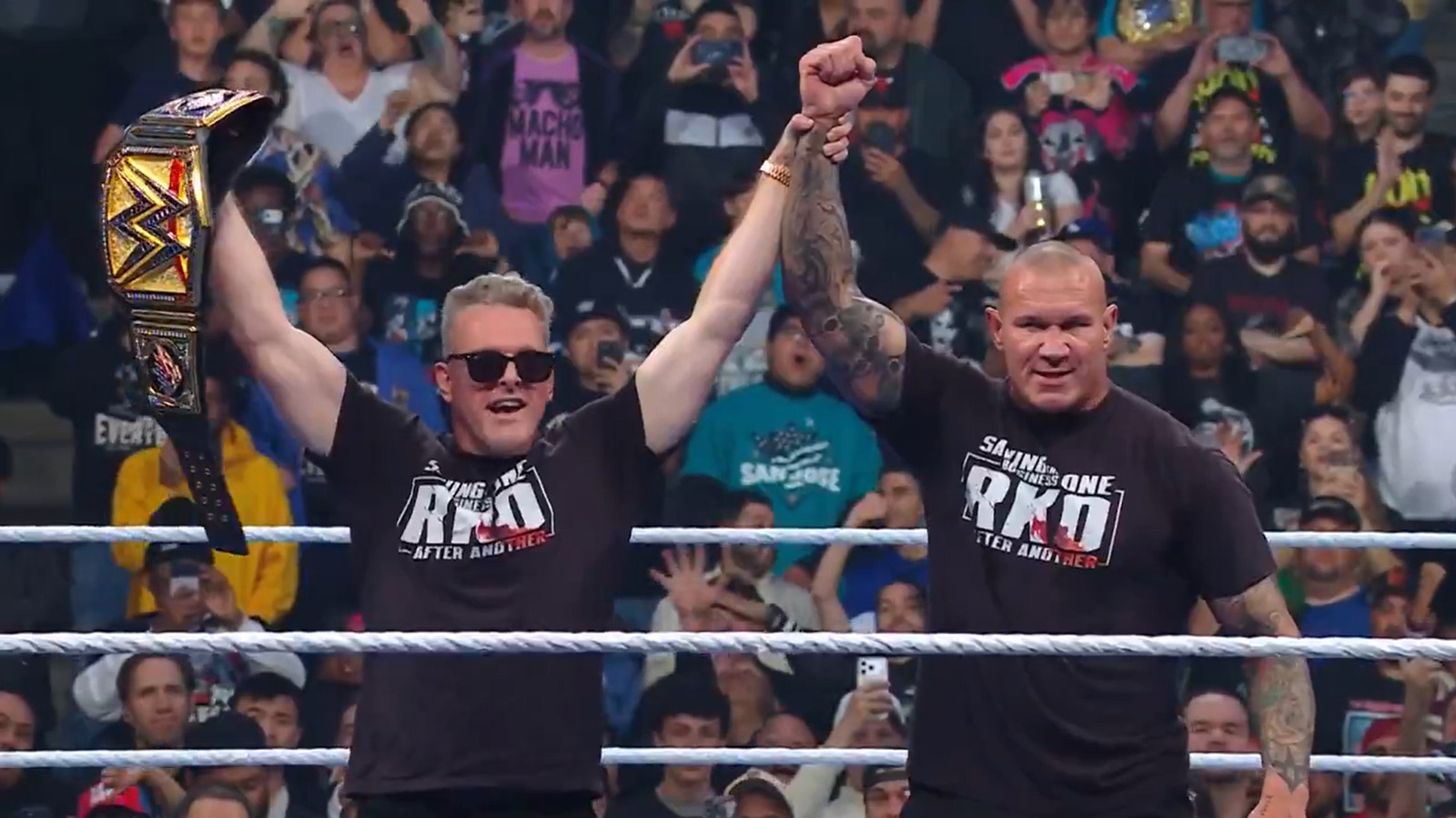
The San Jose Fallout
The SAP Center in San Jose was supposed to be a victory lap for Pat McAfee. Instead, the April 10 episode of Friday Night SmackDown felt like the moment the wheels finally came off the 'Good Vibes' bus. WWE is pivoting hard, and the result is a confusing blend of corporate marketing and genuine locker room vitriol that has left the audience divided. The pivot isn't just a character change; it is a full-scale assault on the babyface status that made McAfee a blue-chip asset for the company in the first place.
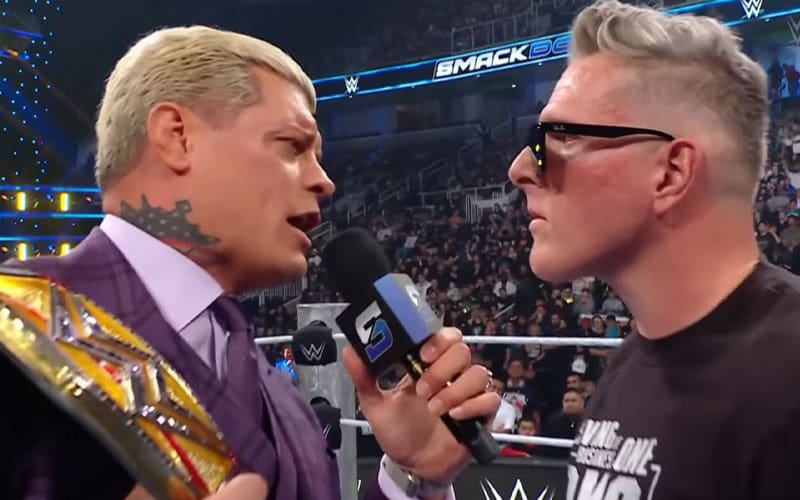
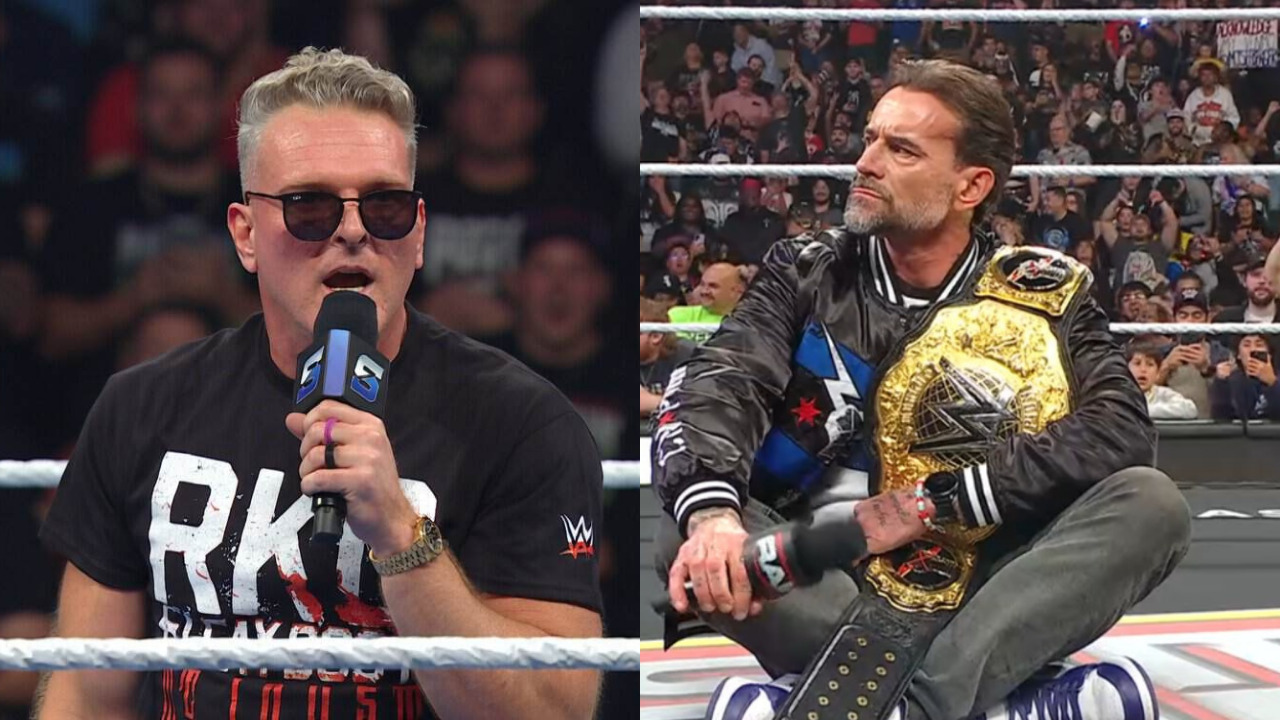
McAfee didn't just walk to the ring; he marched into a firestorm. Following a week of verbal lashing from CM Punk on Raw, the expectation was a witty, self-deprecating rebuttal. What we got was a scorched-earth promo that targeted Punk’s integrity. By calling CM Punk a "fraud" and explicitly referencing his history with the Saudi Arabia controversy, McAfee crossed a line that few in WWE are permitted to touch. This wasn't a scripted jab. It felt like a calculated move to alienate the hardcore fan base while aligning himself with the corporate machine.
As WrestleTalk reported, the tension between these two is no longer just a background noise storyline. It has become the focal point of a shifting dynamic where McAfee is no longer the lovable outsider. He is now the establishment's mouthpiece. The response in the arena was telling—a mixture of shocked silence and a low rumble of boos that Joe Tessitore and Wade Barrett struggled to ignore on commentary. The "fraud" label is a heavy one to carry, especially against a man like Punk who has built his entire 2026 return on the idea of transparency.
The Ticket Sale Desperation
The most jarring moment of the night came when McAfee shifted from personal insults to a pitchman role. He announced a 25% off sale for WrestleMania Saturday tickets, a move that sent immediate red flags through the industry. You do not discount the biggest show of the year seven days before the gates open at Allegiant Stadium unless there is a significant inventory problem. This wasn't presented as a celebration of the fans; it felt like a late-stage panic move from the marketing department delivered by a man who claims to be one of the boys.
According to Wrestling Inc, this discount is live and targeted at moving the remaining blocks of seats in Las Vegas. While WWE often touts sell-outs, the reality of a two-night stadium show in a destination city like Vegas is a different beast. Using McAfee to deliver this news was a strategic error. It reinforced the growing narrative that he is less of a commentator and more of a corporate shill, a sentiment that Austin Theory was happy to exploit later in the evening by calling him an "old guy" who needs to get out of the way of the youth movement.
The optics are poor. If you are a fan who paid full price for your WrestleMania tickets months ago, watching a multi-millionaire announce a deep discount while calling everyone's favorite anti-hero a fraud is a tough pill to swallow. It lacks the self-awareness that usually defines McAfee's brand. Instead of the energetic outsider who brought a new voice to the product, we are seeing a version of Pat that feels increasingly insulated from the actual pulse of the audience.
The Legend Alliance Rumours
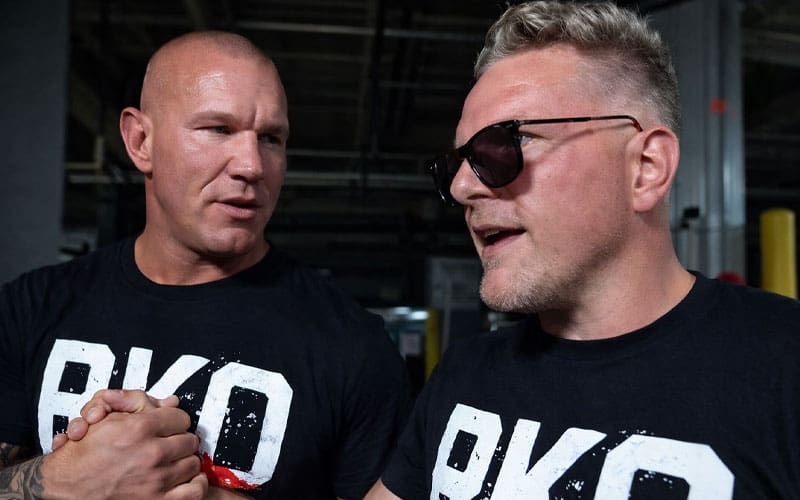
The creative direction following SmackDown suggests that McAfee isn't going to be fighting this battle alone. There is significant smoke around the idea of a new veteran faction forming to oppose the current top stars. With Randy Orton already frequently seen in McAfee’s orbit, the rumour mill is churning with names of WWE Legends who might join the fold. The goal appears to be a "Gatekeepers" stable designed to protect the status quo against the likes of Cody Rhodes and the rising Jacob Fatu.
A Corporate Front Line
The logic is simple: use established names to generate heat by positioning them as the protectors of the company's legacy against the "entitled" new generation. As noted by WrestleTalk, this alliance would likely include names that have no trouble playing the villain. JBL has already publicly defended McAfee, stating that the fan backlash proves the heel role is working. This is the classic veteran's defense—claiming that any negative reaction is by design, even when that reaction stems from genuine annoyance rather than effective storytelling.
The potential for a Randy Orton and Pat McAfee partnership is high. Orton thrives as the cynical veteran who views himself as the only legitimate star in the room. Adding a few more legends—perhaps a returning Big Show or even a background role for someone like John Cena as he approaches his farewell—would create a formidable, if aging, block of power. This would serve as a perfect foil for Cody Rhodes, who has spent the last two years trying to modernize the image of the WWE Champion. It is a clash of philosophies: the corporate past versus the populist future.
However, there is a catch. This kind of storyline requires the veterans to actually get in the ring and deliver. While Orton remains a master of the RKO and the psychological pacing of a match, the reliance on older names often leads to stagnant television. The debut of Royce Keys on this same episode provided a glimpse of the athleticism the crowd is actually craving. A thirty-second squash match or a long-winded promo from a 50-year-old legend cannot compete with the raw intensity of a Jacob Fatu headbutt or a Drew McIntyre Claymore. The contrast was evident in San Jose, and it wasn't in the veterans' favor.
The Audience Revolt
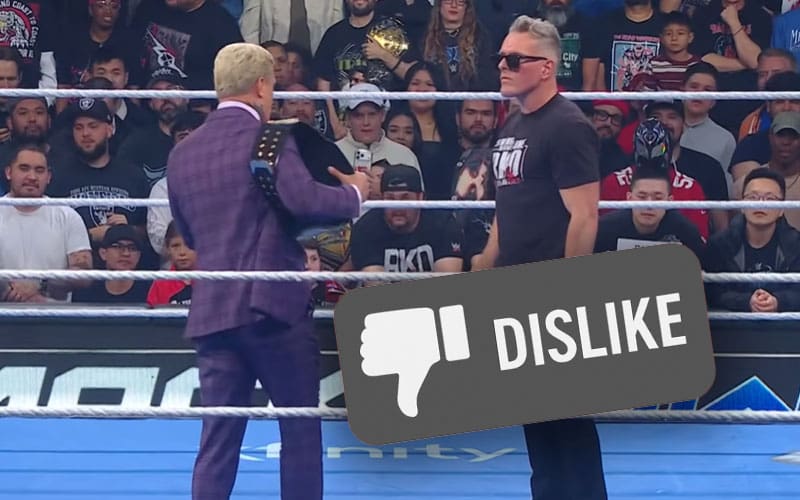
If JBL thinks this is all part of the plan, the metrics suggest otherwise. The segment involving McAfee and Jelly Roll has been hammered on social media, with dislikes on the official YouTube clip piling up at an alarming rate. Fans are tired of the celebrity-driven filler that feels disconnected from the wrestling itself. The Cagematch ratings for this episode of SmackDown were predictably brutal, reflecting a growing frustration with the pacing of the show and the perceived arrogance of the McAfee character.
Cracks in the Foundation
The backlash isn't just about the words said; it's about the execution. The Jelly Roll segment felt like a desperate attempt to capture a viral moment that never came. It was loud, it was messy, and it took time away from the actual stars like Jacob Fatu, who Drew McIntyre spent the evening "exposing" in a segment that actually had the crowd's attention. When you have a powerhouse like Fatu and a generational talker like McIntyre, spending fifteen minutes on a ticket sale and a singer feels like a mismanagement of resources.
Fans didn’t waste any time making their feelings known—and the reaction to the McAfee segment was a clear indicator that the honeymoon phase is over.
We are seeing a specific kind of rejection that usually happens when a babyface stays too long without evolving. But McAfee didn't just stay; he changed into something the audience didn't ask for. He became the guy who reminds you that he’s rich and you’re not. He became the guy who defends the company’s controversial business deals while attacking the credibility of the locker room leaders. It is a risky gamble for WWE, especially with the April 19 date for WrestleMania 41 looming. If the goal is to make him a heel, they are succeeding. But if the goal is to keep him as a major draw, they might be burning the bridge too quickly.
The negative reaction is widespread. From the SAP Center to the digital forums, the consensus is that the "old guy" comments from Austin Theory hit closer to home than the writers probably intended. There is a palpable sense that the show is being bogged down by these legacy acts. While the Jacob Fatu and Drew McIntyre dynamic is fresh and dangerous, the McAfee and Orton alliance feels like a throwback to an era of corporate heels that many fans were happy to leave behind. The upcoming WrestleMania will be the ultimate test of whether this heat is productive or just destructive.
Probability Assessment
The likelihood of this legend alliance fully manifesting at WrestleMania 41 is high. WWE has invested too much television time into the McAfee/Orton connection to let it fizzle out now. The CM Punk rivalry is the wild card. With Punk's propensity for going off-script and McAfee's new-found role as a corporate flamethrower, that match (or segment) could easily become the most talked-about moment of the weekend for all the wrong reasons.
- Probability of a Legend Alliance debut: 85%
- Probability of CM Punk vs. Pat McAfee in a sanctioned match: 40% (More likely a brawl)
- Probability of the 25% discount moving the remaining Vegas inventory: 60%
- Expected impact on Cody Rhodes' storyline: Significant
If this deal goes through and the alliance is solidified, the impact will be a prolonged period of veteran-driven storylines that will likely frustrate the younger segment of the audience. The short-term gain is a high-profile heel for Cody Rhodes to overcome, but the long-term risk is the further alienation of the fans who have driven the current boom period. Pat McAfee was the man who brought the energy back to the booth; now, he might be the man who sucks the air out of the room. The transition is nearly complete, and by the time the sun sets in Las Vegas, the Pat McAfee we knew in 2024 will be a distant memory.
Read Next
- Orton and McAfee face a strategic mismatch against the Bloodline
- John Cena and CM Punk are fighting the ghosts of Crown Jewel at WrestleMania 41
- Randy Orton is the only predator Cody Rhodes hasn't learned to outrun
- WrestleMania 41 is the ultimate test of Cody Rhodes' staying power
- 🏆 WrestleMania 41 — Full Coverage Hub