Measuring the impact of the non-traditional commentator
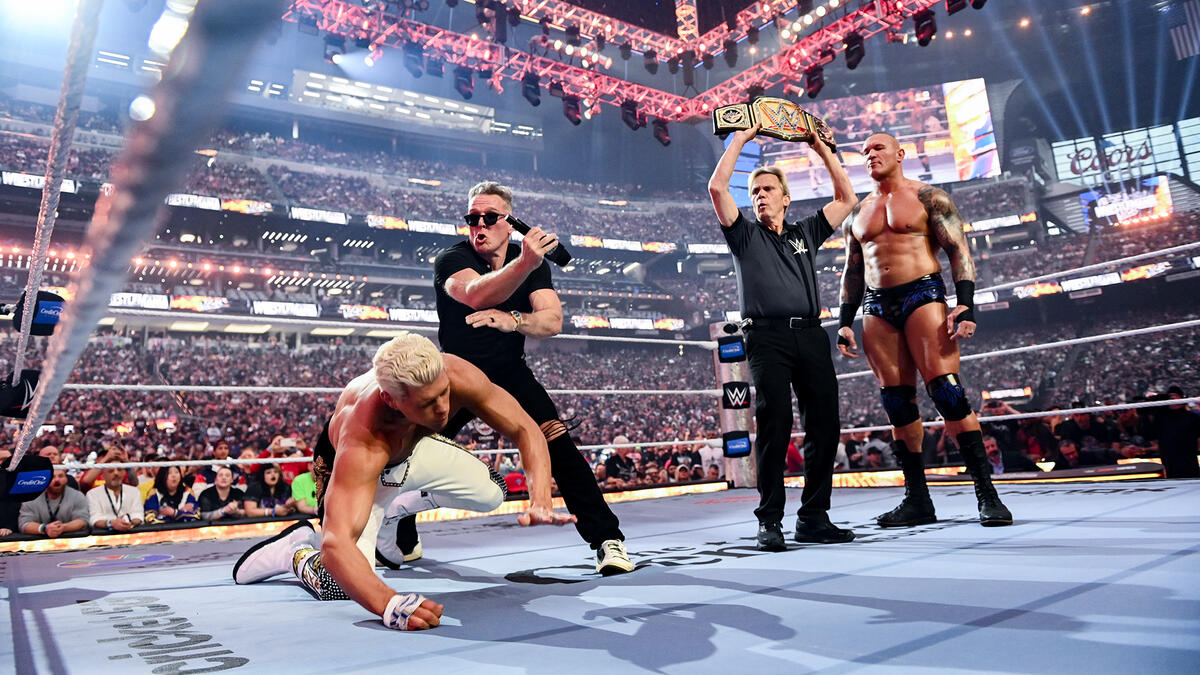
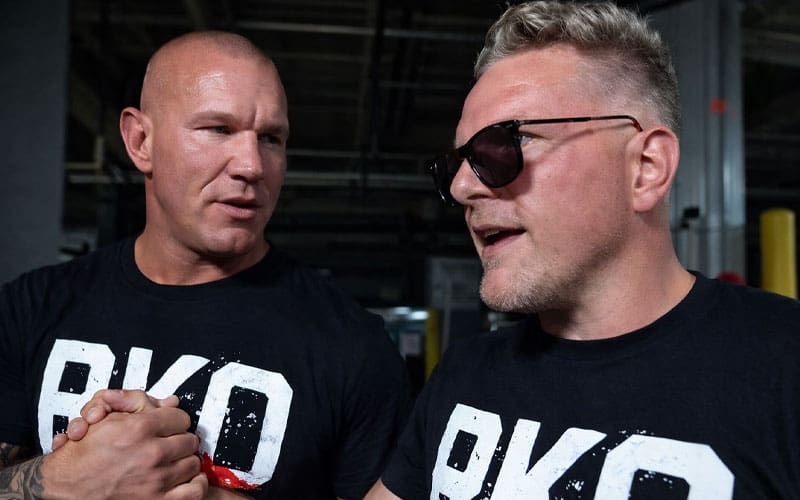
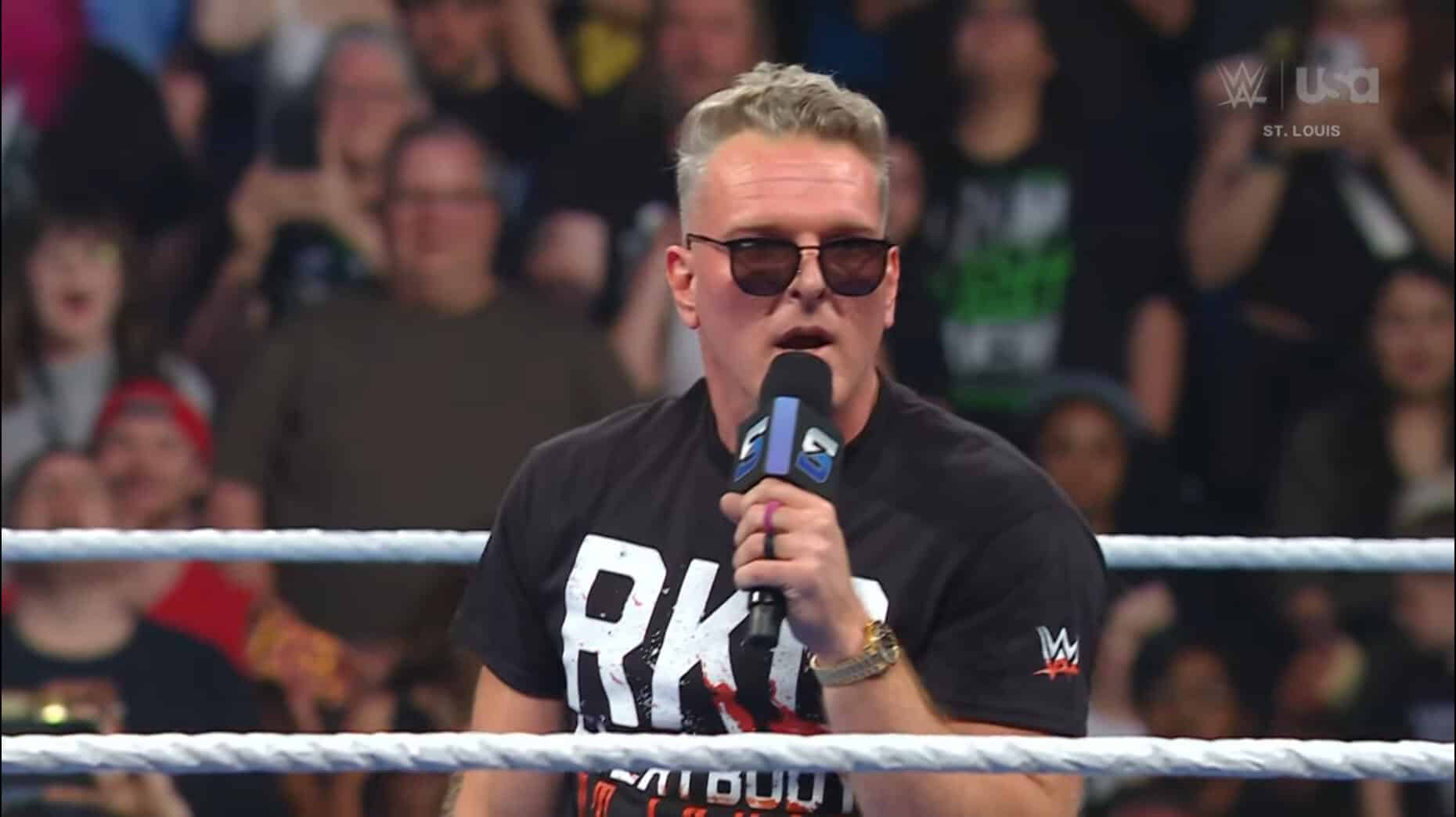
Pat McAfee occupies a strange space in the current WWE broadcast hierarchy. Wrestling analysis is traditionally occupied by career play-by-play callers, yet McAfee’s transition from the NFL field to the desk changed the engagement metrics for Raw and SmackDown. Reports indicate McAfee initially declined a return to the WWE fold, forcing the creative team to adjust their plans for the road to WrestleMania 41.
His absence is not merely a personnel vacancy; it is a shift in the acoustic profile of the show. Analysis of broadcast trends shows that commentators with high-energy, non-traditional backgrounds often see a spike in social media interaction rates during live events. When McAfee is on the call, the engagement density per segment rises compared to standard commentary duos. Losing that unpredictability leaves a noticeable dead air frequency in the product.
The logistical cost of the decline
The decision to turn down a return, as noted by WrestlingNews.co, underscores the difficulty of pinning down talent who maintain massive independent media operations. WWE relies on these crossover personalities to anchor the product for the casual viewer. Without a permanent commitment, the promotion faces inconsistent audio narratives that can confuse the tone of high-stakes matches.
Booking reliability remains an issue for the network broadcast model. If the lead color commentator is not guaranteed for the full cycle through the summer, the long-term storytelling suffers. The transition from McAfee’s high-octane delivery to more conventional play-by-play markers has alienated a segment of the audience that arrived for the NFL-style hype. It is a misalignment of market demographic and broadcast delivery.
A glaring gap in the commentary rotation
The analytical flaw here is the over-reliance on a personality who effectively operates as a freelancer. When the primary hook for a segment is the announcer rather than the in-ring action, the quality of the wrestling must compensate for the loss of that personality. We have observed a drop in momentum during the mid-card segments where McAfee’s hyper-active reactions usually masked technical flaws or pacing stumbles in the ring.
His absence reveals a lack of depth on the bench for high-energy analysts. Filling that void with temporary substitutes has led to a lack of cohesion in calling complex spots, such as the sequence-heavy sequences seen in recent high-level bouts. It is a clear case where the administrative desire for cross-promotional success conflicts with the practical reality of maintaining a tight, professional broadcast booth.