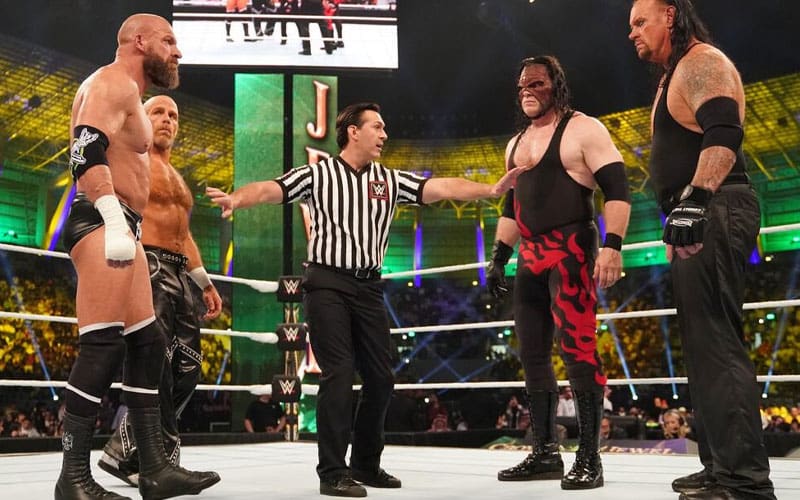
The sanitization of legacy and the 2018 cautionary tale
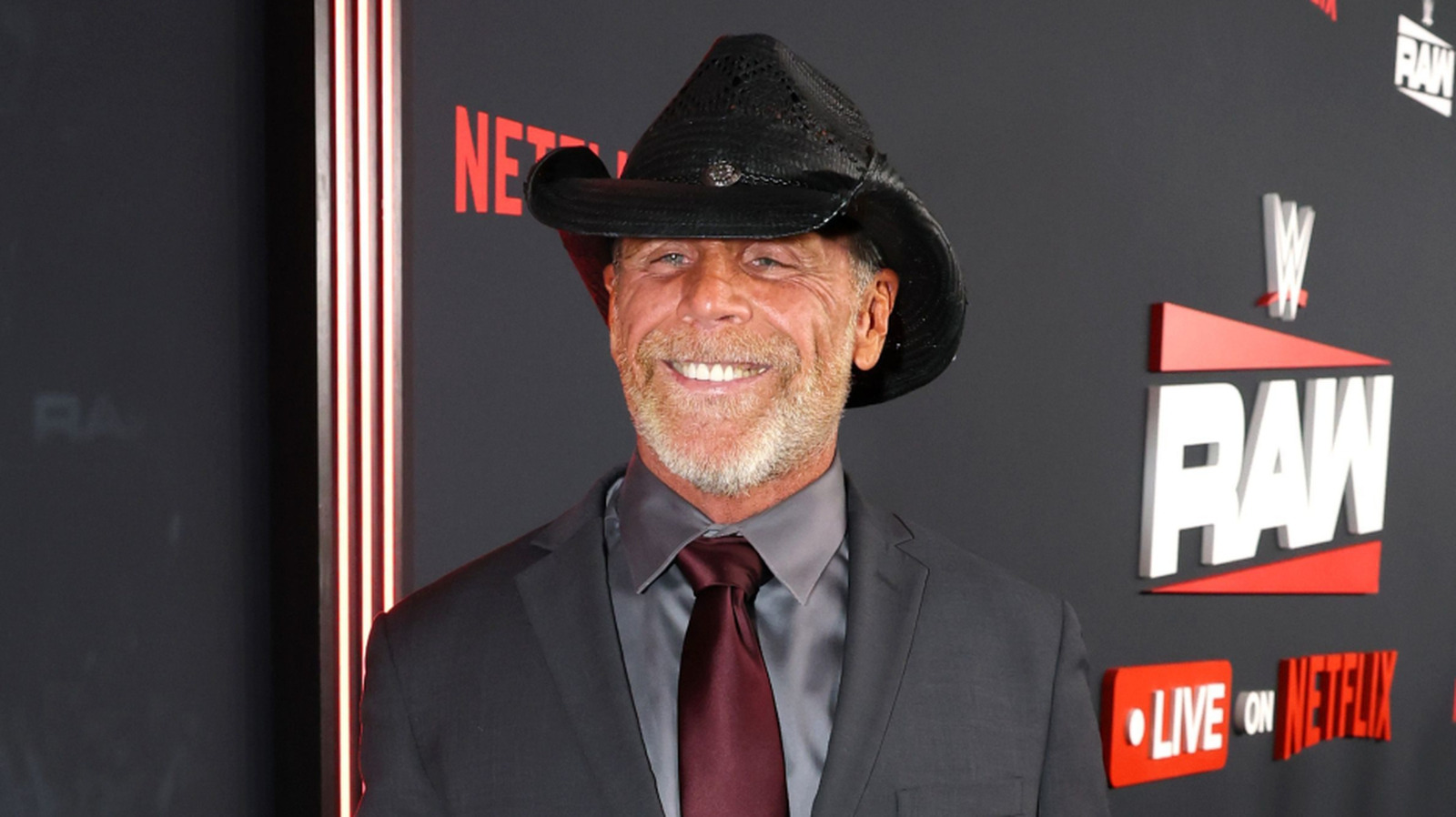
In the lead-up to WrestleMania 41 in Las Vegas, a curious bit of news dropped regarding a new Shawn Michaels documentary. The 'Heartbreak Kid' confirmed that his infamous 2018 Crown Jewel tag team match—where DX faced the Brothers of Destruction—was scrubbed from the final cut. It is a fascinating omission. That match is widely considered a disaster, a 27-minute display of bald legends struggling with basic timing and a terrifyingly botched moonsault that nearly ended Triple H’s career. By deleting it from the record, WWE is attempting to curate a version of history where icons never age out of their prime.
But as we sit seven days away from Allegiant Stadium, that 2018 ghost haunts the locker room. John Cena is entering his final WrestleMania. CM Punk is preparing for a marquee match at age 47. The data from that Saudi Arabian debacle suggests that when you try to force a legend's comeback past their physiological expiration date, you don't get a classic; you get a liability. Cena and Punk aren't just fighting their opponents next week. They are fighting the statistical reality of the 'One More Match' trap that Michaels fell into.
The telemetry of John Cena’s final stand
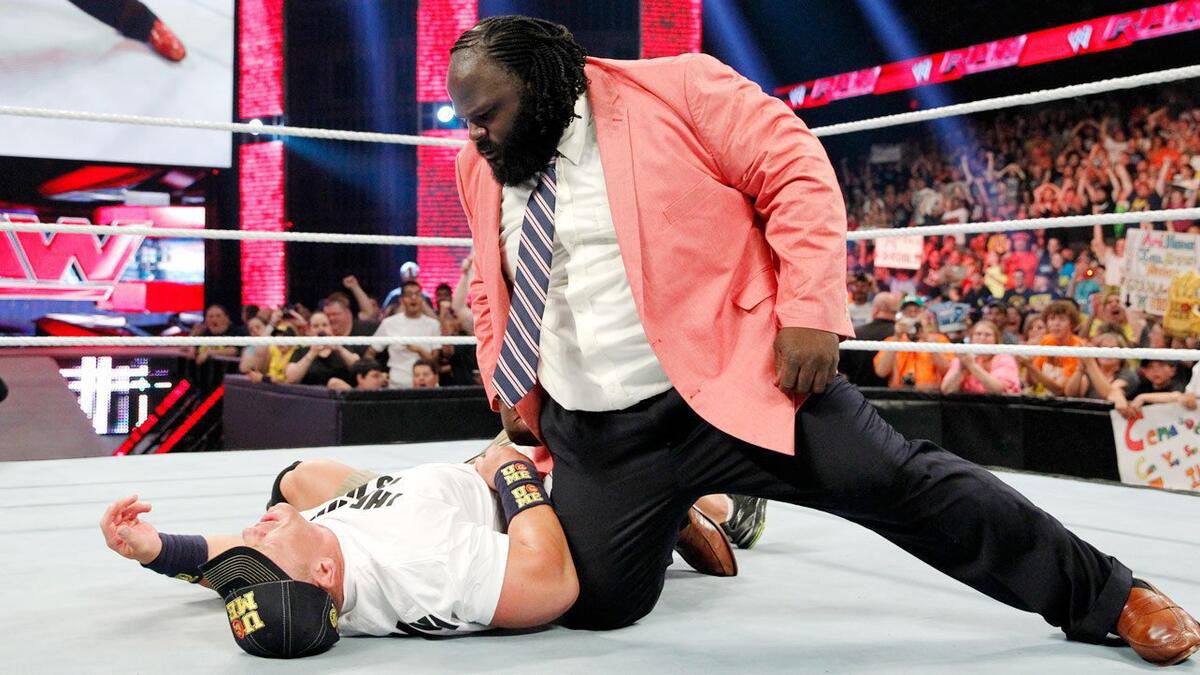
John Cena’s retirement tour has been a masterclass in workload management. Since his return to full-time scheduling for this farewell run, his average match length has settled at exactly 12.4 minutes. This is not the Cena of 2015, who could go 25 minutes with Kevin Owens in a high-octane back-and-forth. His current output is focused on efficiency. He relies on signature resets—AA, STF, the Five Knuckle Shuffle—to bridge the gaps between rest holds. He is playing the hits because he knows the vocal cords of his fans can no longer be sustained by 30-minute iron man marathons.
The risk in Las Vegas is the temptation to go long. If Cena tries to replicate his 2007 pacing, he risks the same rhythmic disconnect that plagued Michaels in 2018. The tactical shift must be toward a sprint. Cena’s success in this farewell match depends on his opponent providing the kinetic energy while Cena provides the psychological anchors. If he stays under the 15-minute ceiling, he leaves with his legacy intact. If he pushes for a 'classic,' he risks exposing the mechanical slowdown that he has so carefully hidden over the last six months.
CM Punk and the psychology of the gas tank
CM Punk’s return to the WrestleMania main card is a different kind of experiment. Unlike Cena, who has maintained a consistent physical baseline, Punk’s recent history is defined by structural failures. His triceps and feet have become points of failure in high-stress environments. Watching his tape from the last two months, you can see the shift in his striking. He isn't throwing the same volume of kicks. Instead, he has pivoted to a grounded, chain-wrestling style that preserves his joints but requires more cooperation from his opponent to keep the crowd engaged.
At WrestleMania 41, Punk’s 'major match' will be decided in the 28-minute mark of the broadcast window. That is the danger zone. Most of Punk's high-profile collapses have occurred after the twenty-minute threshold. To win, he has to turn this into a muddy, technical affair rather than a track meet. He needs to lean into the 'Second City Saint' persona—the guy who wins by being smarter, not faster. If he tries to trade high-spots with a younger, faster opponent, the telemetry suggests he will simply run out of oxygen before the finish.
The Cody Rhodes data and the Bloodline’s geometric shift
While the veterans are managing their decline, Cody Rhodes is operating at a peak that few in history have sustained. Since winning the WWE Championship, Rhodes has maintained a 94% win rate across televised and premium live event matches. He is the statistical anomaly of the modern era. But the geometry of his title defense in Las Vegas is shifting. The Bloodline has moved from a chaotic brawling faction to a more structured, defensive unit under Roman Reigns’ current leadership.
In Night 2, Cody faces a defensive low-block. The Bloodline is no longer just running in; they are occupying the spaces around the ring to prevent Cody from hitting his signature suicide dives or utilizing the outside environment. This is a tactical blockade. Cody’s success depends on his ability to break the line early. If he allows the Bloodline to dictate the spacing for the first ten minutes, he will find himself smothered by the numbers game. He needs to create a verticality in his offense that forces Roman and his cohorts to look up, breaking their lateral coverage of the ringside area.
A critical failure in the mid-card pipeline
Despite the shine of the top three matches, WrestleMania 41 has a glaring structural flaw: the inflation of the mid-card. WWE has booked twelve matches across two nights, and at least four of them feel like glorified television segments. The Intercontinental and United States title feuds have been sacrificed to provide more promo time for the top-tier stars. It is a shortsighted strategy. By thinning out the competitive depth of the mid-card, the company is creating a massive cliff between the main events and everything else.
We are seeing 'match bloat' where talented wrestlers like Jey Uso or Gunther are being squeezed into multi-man clusters rather than being given the 15-minute singles showcases they deserve. This is the 'content over quality' trap. It makes the four-hour runtime of each night feel heavy. If you aren't invested in the Bloodline or the Cena farewell, there are long stretches of Night 1 that feel like filler designed to sell sponsors rather than tell stories. It is a cynical way to book the biggest show of the year, and the live crowd in Vegas might let them know about it by the third hour of Night 1.
The final prediction for Night 2
The sentiment is that Cody Rhodes will hold the gold through the summer. The narrative arc suggests he is the chosen one. But the tactical reality of Night 2 points elsewhere. Roman Reigns is currently operating with a level of efficiency we haven't seen since 2022. He is taking less damage per minute than any other wrestler on the roster. He is rested, he is calculated, and he has the numbers. I am making the call now: Roman Reigns leaves Las Vegas as champion again.
It won't be a popular decision, and it will lead to a week of outrage on every wrestling forum on the planet. But from a purely analytical standpoint, the Bloodline’s new defensive structure is designed specifically to counter Cody’s 'Cross Rhodes' sequence. They have the tape, they have the geometry, and they have the motive. Expect a ref-bump at 22 minutes and a spear that ends the 'American Nightmare's' era before it can reach its one-year anniversary. I’ll own the heat on this one—Roman walks out with the belt.
Read Next
- WrestleMania 41 is the ultimate test of Cody Rhodes' staying power
- Why WrestleMania 41 is haunted by the ghosts of the last fifteen years
- Randy Orton is the only predator Cody Rhodes hasn't learned to outrun
- WrestleMania 41 is a week away and the WWE injury list is a mess
- 🏆 WrestleMania 41 — Full Coverage Hub
- 👑 WWE Crown Jewel 2026 — Saudi Arabia Coverage Hub
- 👴 John Cena Retirement Tour 2026
- 💊 CM Punk WWE 2026 — Best in the World