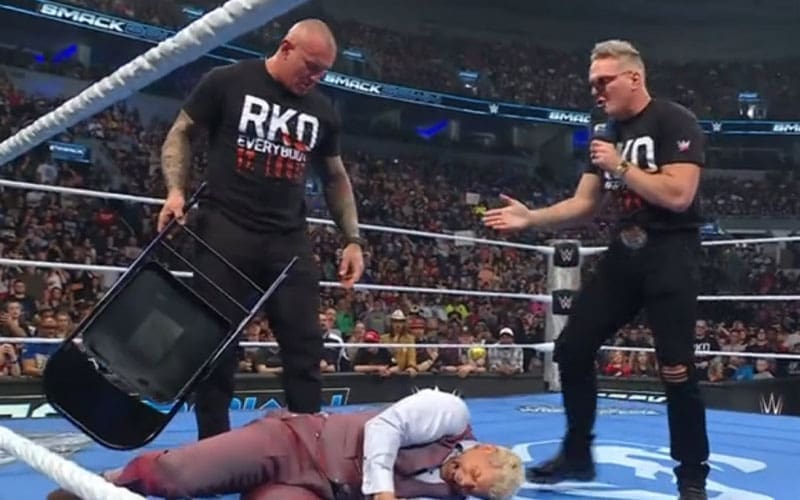
Orton and McAfee face a strategic mismatch against the Bloodline
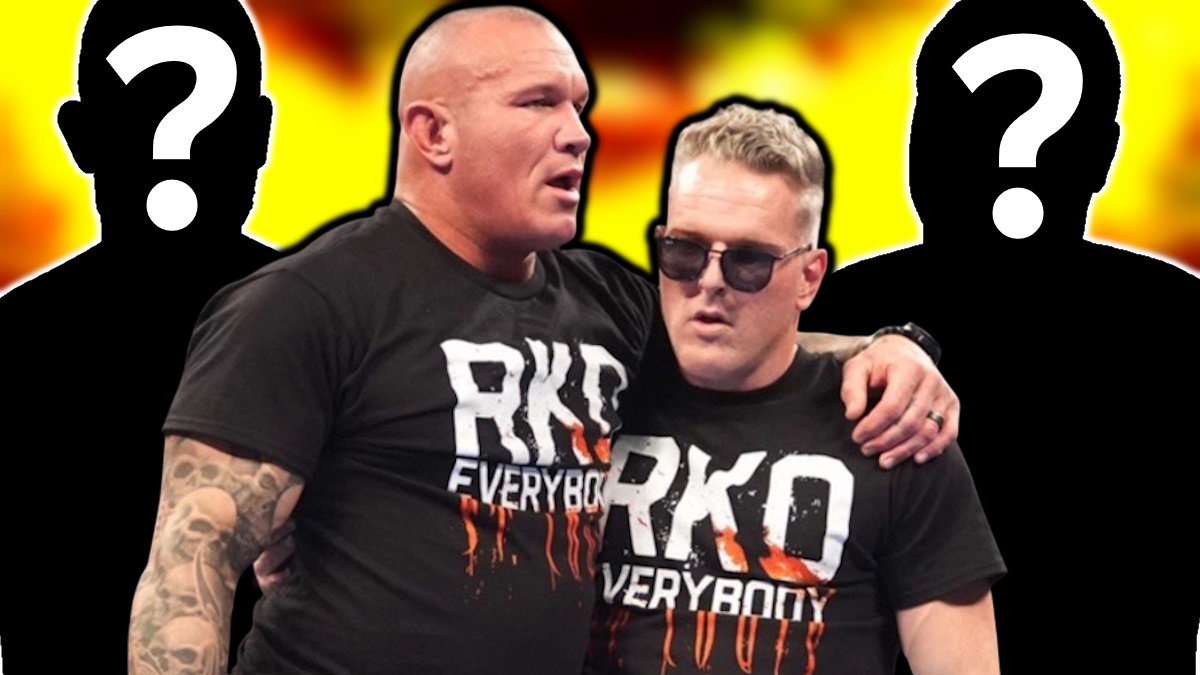
The tactical reality of the SmackDown power dynamic
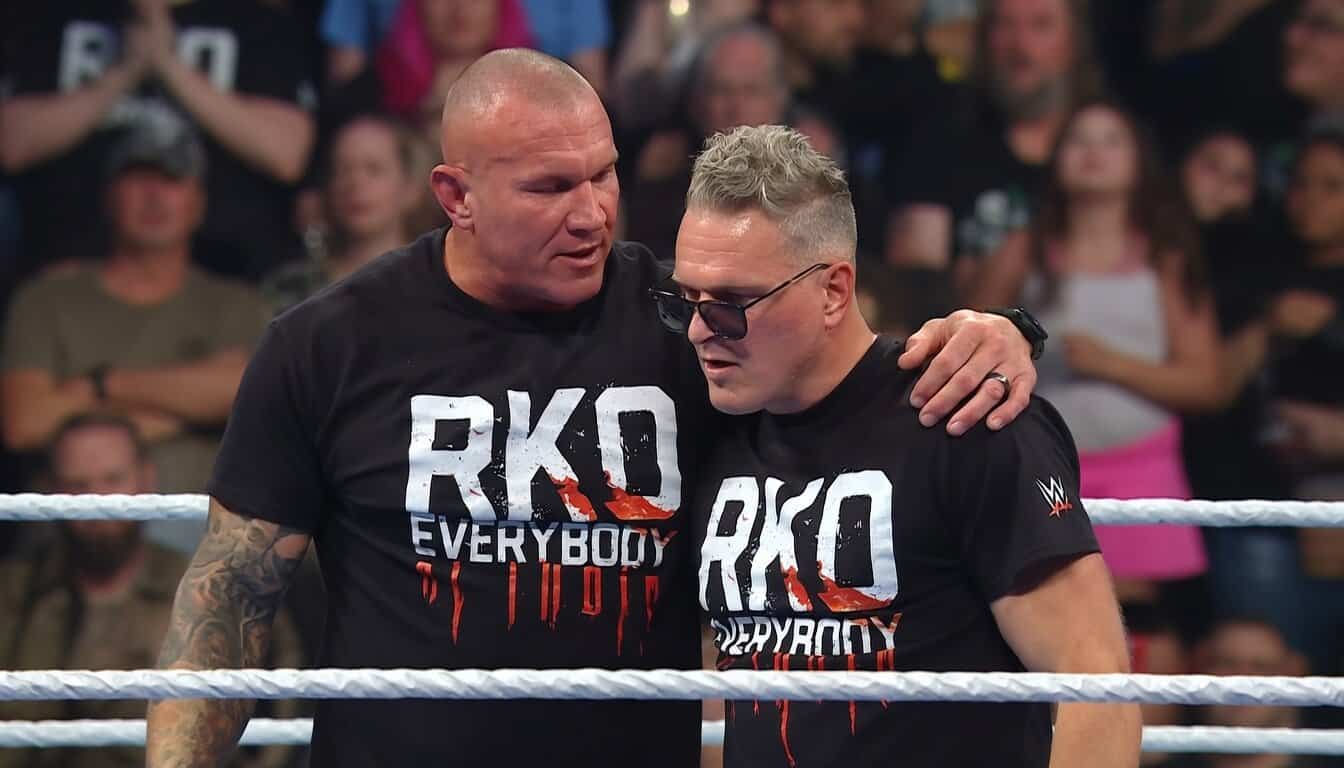
The burgeoning alliance between Randy Orton and Pat McAfee represents a fascinating, if structurally shaky, attempt to destabilize the established order on SmackDown. As we approach April 19, the narrative focus has shifted toward how this unlikely duo intends to counteract the cohesion of the Bloodline. Orton remains a master of the opportunistic strike, but his current reliance on brawling tactics lacks the necessary technical support to overcome Cody Rhodes and his associated hierarchy.
Reports indicate that management is positioning WWE legends to bolster the ranks of Orton and McAfee. From a pure match-card perspective, this is a defensive maneuver. They are attempting to add bodies to a fray that has already seen Orton struggle to isolate his opponents. Without a refined tactical approach to the mid-match reset, adding more participants could simply create a chaotic environment that plays into the strengths of a larger group.
Analyzing the limits of raw star power
The reliance on legacy names to fill the gaps in the Orton-McAfee story reveals a lack of long-term planning for the roster's secondary tier. When we look at the interaction reported by WrestleTalk, the objective is clearly to provide depth for the upcoming WrestleMania 41 showcase. However, talent acquisition alone does not solve the fundamental issue of ring generalship when faced with elite level threats.
Orton operates best within the confines of a high-stakes, slower-paced tactical battle. His recent work has been defined by clinical punishment, such as the RKO variants that have ended more stable runs than most current competitors. McAfee, conversely, brings an unpredictable energy that forces opponents off their game plan, yet he lacks the foundational consistency of a full-time performer. This pairing creates a specific kind of internal tension that clever opponents will exploit.
Where the strategy falls short
The persistent problem for the challengers remains the inability to secure clean victories in high-leverage situations. In the matches leading up to the April 19 date, the inability to close out segments cleanly has allowed their adversaries to regroup and dictate the pacing of the next encounter. This cycle of near-falls followed by technical interference is a hallmark of weak ring-control, not just a symptom of nefarious interference by the opposition.
If the plan involves recruiting legends to neutralize the Bloodline, the writers must account for the diminishing returns of nostalgia interference. A distraction spot at 12 minutes on the clock is only as effective as the payoff that follows. When the momentum stalls, the entire match rhythm suffers, leaving the audience to endure filler sequences rather than meaningful athletic progression. Whether these legends provide credible interference or simply serve as a temporary distraction will determine if the main event at WrestleMania 41 achieves its high-density goals, or merely devolves into a cluster of disjointed spots.
We have seen these types of alliances before, and the result is frequently a dilution of the primary character arc. By complicating the Orton and McAfee dynamic with additional outside figures, the creative team risks drowning out the central conflict with Cody Rhodes. The most successful matches in recent history remained focused on the primary combatants. For this experiment to work, the legends need to function as tactical enhancements, not as a shortcut to replace a coherent narrative conclusion.
Ultimately, the match quality on Night 1 and Night 2 will depend on whether Orton can dictate the tempo of the opening sequences. If he allows the chaos of the multi-person setup to overwhelm his technical output, we should expect a disjointed performance. History suggests that when the numbers game grows too large, the individual storytelling quality drops precipitously. The upcoming stretch toward the April 19 date provides a final window to sharpen the execution, but the current signs point toward a reliance on spectacle over substance.
Read Next
- Pat McAfee's SmackDown stunt completely derailed the WrestleMania 41 build
- WWE is playing with fire with this Pat McAfee hack nonsense
- WWE fans are already trashing that forced Jelly Roll and Pat McAfee segment
- Austin Theory is testing patience ahead of WrestleMania 41
- 🏆 WrestleMania 41 — Full Coverage Hub
- 👑 Roman Reigns Return 2026 — The Tribal Chief
WWE Elite Collection Series 110 Drew McIntyre Action Figure
Highly poseable, museum-quality action figures for the true collector.
Frequently Asked Questions
Why is the Orton and McAfee alliance considered strategically flawed?
What is the primary objective of recruiting WWE legends to the team?
How does Pat McAfee's wrestling style affect the team chemistry?
What is the main challenge facing Orton and McAfee in their matches?
Why might adding more participants to the feud backfire?
More Coverage

Drew McIntyre sidelined following brutal SmackDown encounter
an hour agoWWE's New York gamble is a calculated risk ahead of WrestleMania 42
2 hours ago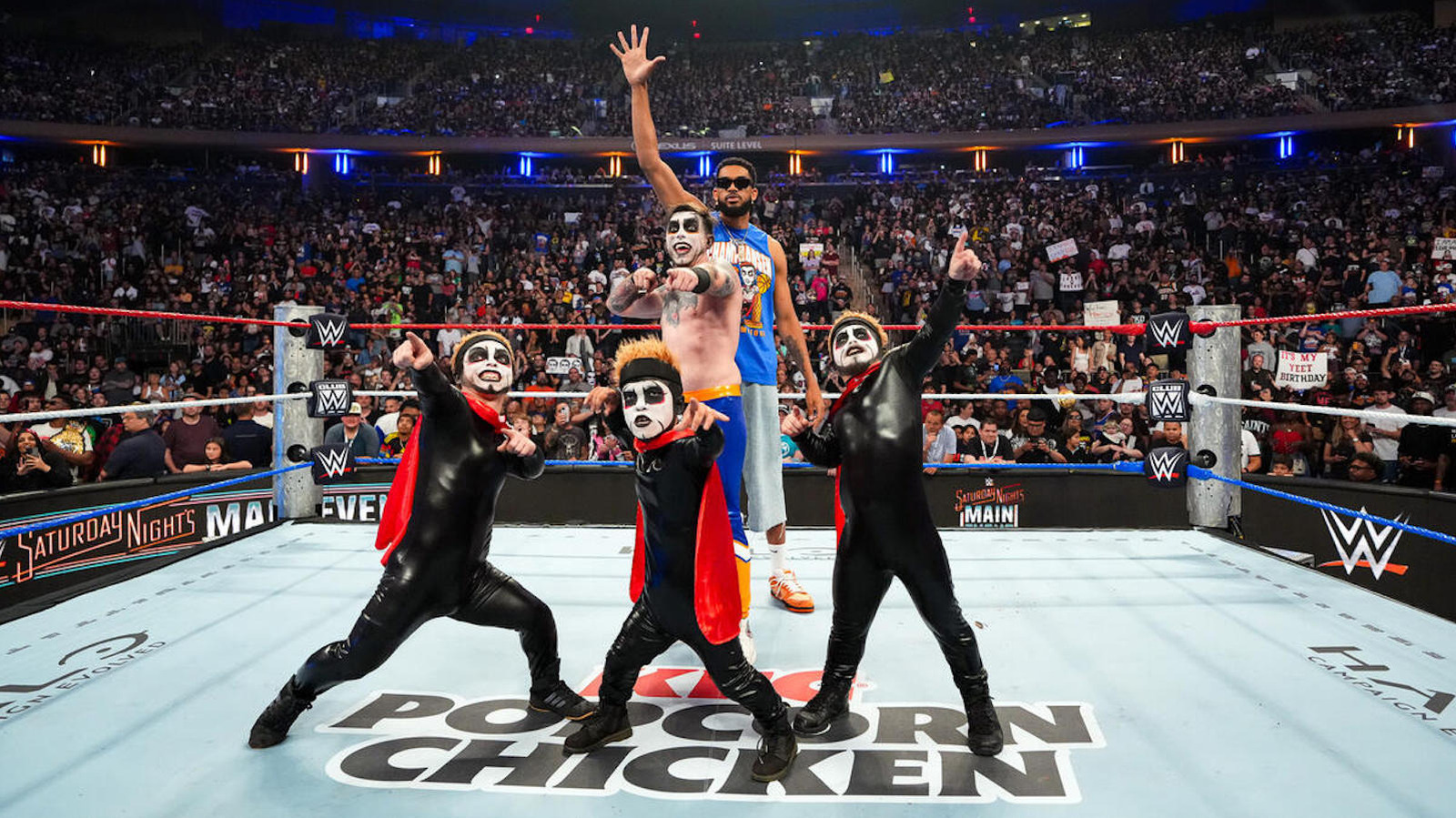
WWE's Saturday Night's Main Event math doesn't add up
2 hours agoWWE's return to New York changes the math on stadium attendance
2 hours ago
Top 10: Top Moments from MSG
2 hours ago
SmackDown is drifting into mid-summer malaise
2 hours agoMore Analysis
Randy Orton and Pat McAfee are an odd, dangerous pairing for WrestleMania
3 months, 1 week ago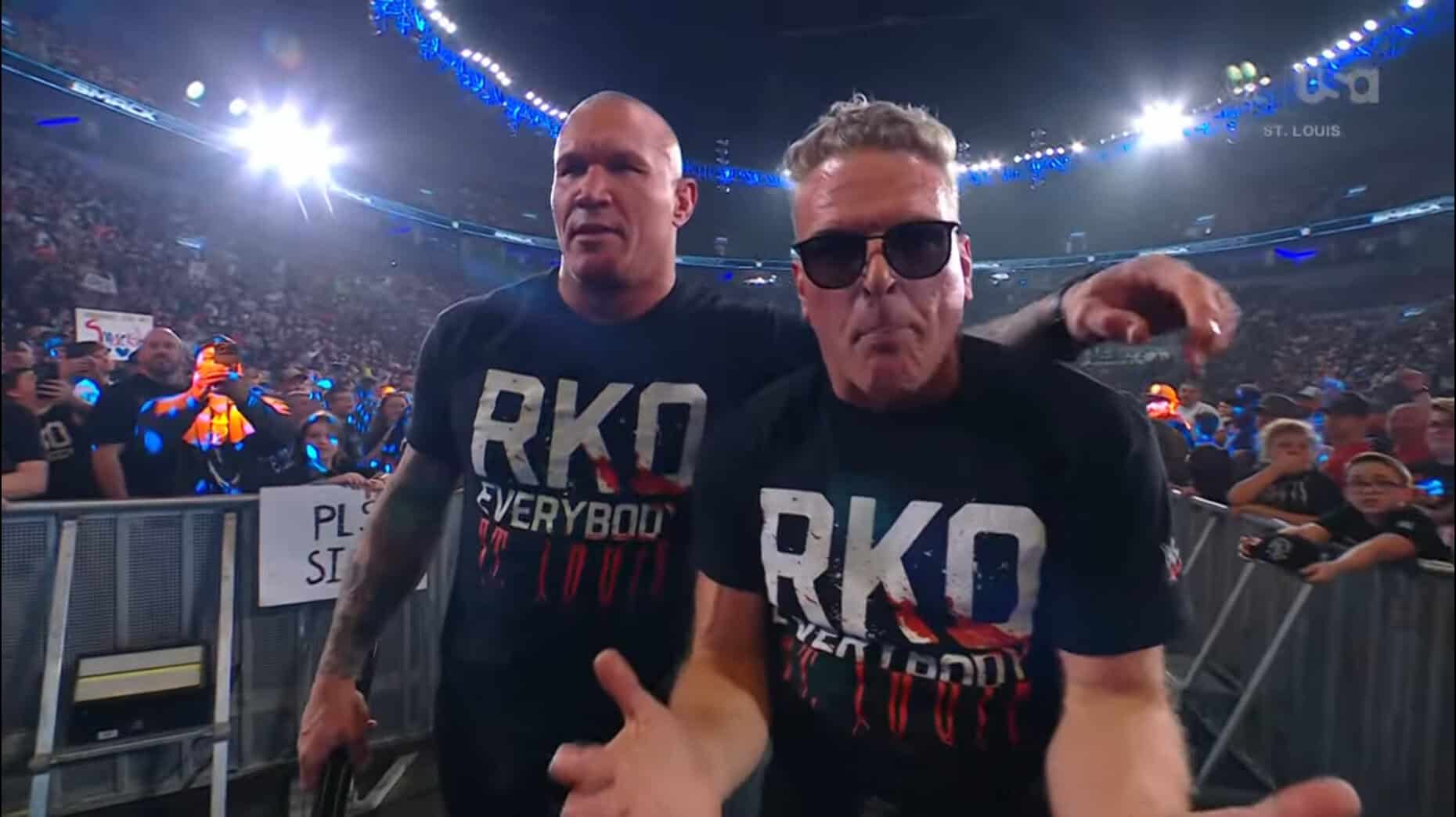
Pat McAfee and Randy Orton are a fever dream nobody asked for
3 months, 2 weeks ago
Randy Orton needs more than a stuntman to carry his WrestleMania 41 match
3 months, 1 week ago
McAfee and Orton: The Unlikely Alliance Poised to Disrupt WrestleMania 41
3 months, 1 week ago
Pat McAfee and Randy Orton are an unlikely statistical mismatch
3 months, 1 week ago