The WrestleMania 41 reality check
We are exactly 24 days away from WrestleMania 41 kicking off in Las Vegas. The card is stacked. The stadium will be packed. The revenue will shatter whatever artificial records the company set last year. But if you take a step back and look at the names anchoring the marquee, a glaring issue stares right back at you.
John Cena is literally on his retirement tour. CM Punk is essentially held together by athletic tape, spite, and Chicago nostalgia. Roman Reigns operates on a schedule so limited it makes late-career Brock Lesnar look like a road warrior. Cody Rhodes is defending the WWE Championship, and while he is performing at an elite level, he isn't exactly a fresh-faced rookie anymore.
WWE's current boom period is built on the backs of guys who were drawing money a decade ago. It is a wildly successful strategy in the short term. In the long term? It is a ticking time bomb.
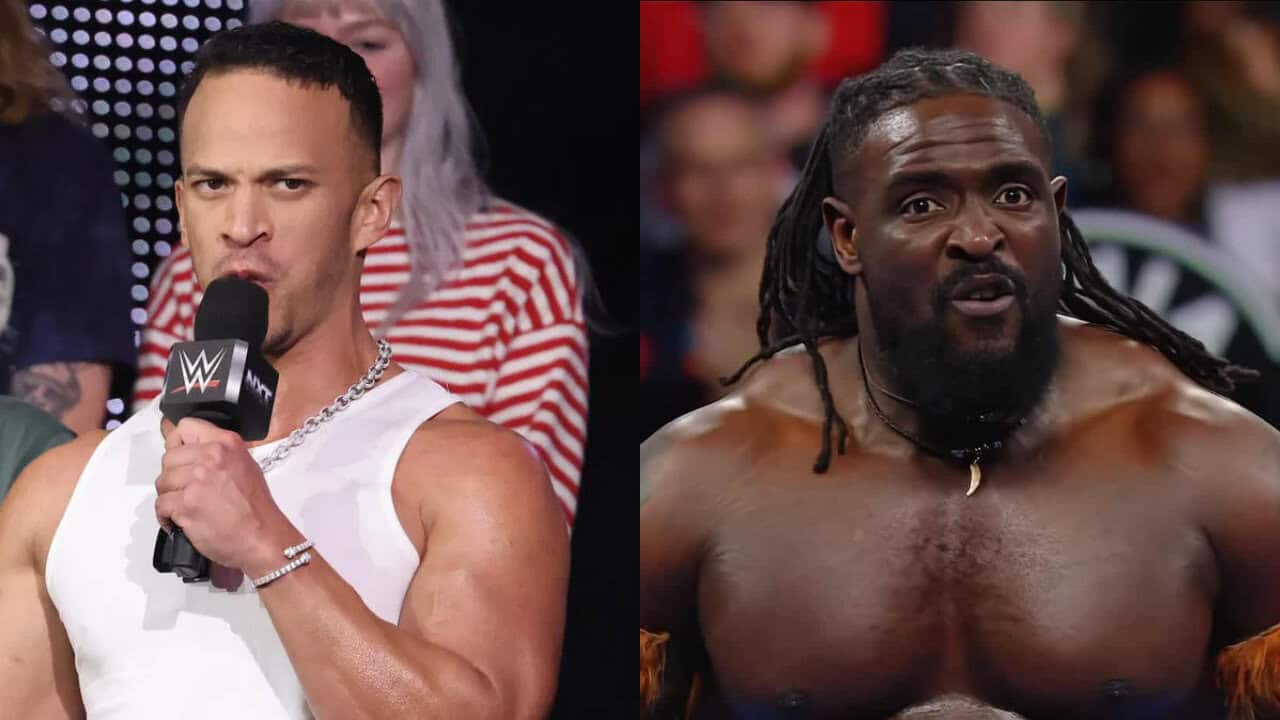
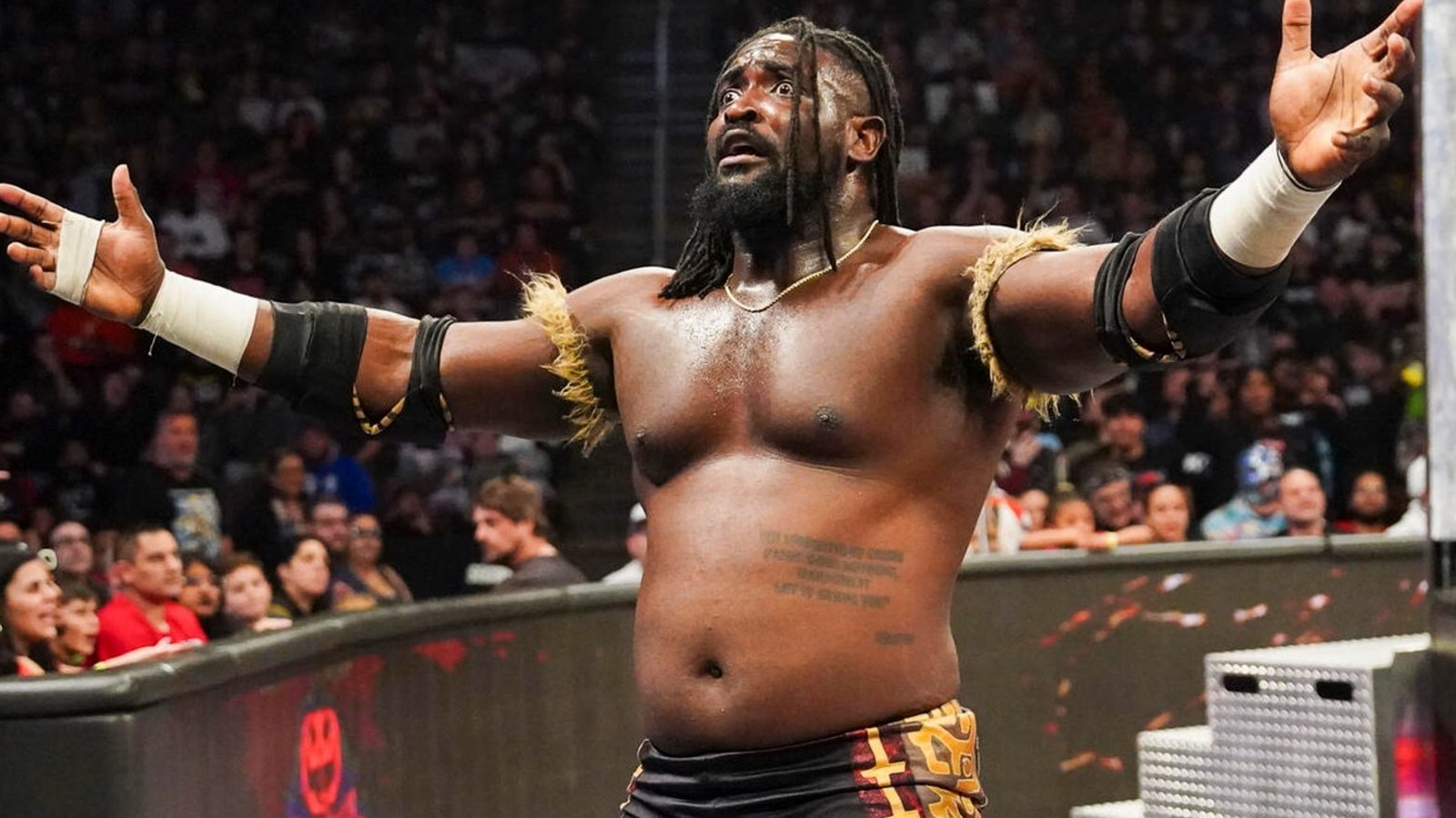
This is exactly why Oba Femi's recent comments struck such a chord. Speaking to Wrestling Inc, the former NXT Champion pointed out the elephant in the locker room. He flatly stated that the experienced stars who dominate WWE will eventually have to make way for talented young stars like him, noting simply: "Father Time always wins."
He didn't scream it into a microphone on Monday Night Raw. He didn't turn it into a catchy t-shirt slogan. He just stated a cold, hard biological fact.
The geriatric logjam at the top
Let's do some basic math. LA Knight finally got his massive, undeniably deserved push last year. He was 40 years old when it happened. Damian Priest got the World Heavyweight Championship run. He was over 40. Finn Balor, AJ Styles, Rey Mysterio, Sheamus, Drew McIntyre, Seth Rollins. The main event scene, and the upper midcard that supports it, is overwhelmingly graying.
Look at the physical state of the top guys. CM Punk tore his triceps not too long ago and is constantly battling his own body. He is a phenomenal storyteller, but his matches are heavily dependent on careful pacing and crowd manipulation. Seth Rollins has notoriously dealt with severe back issues for years. You can see the wear and tear every time he takes a heavy flat back bump. Randy Orton literally had spinal fusion surgery. He miraculously came back, but every time he hits an RKO, you hold your breath hoping he gets back up.
These aren't fresh athletes in their athletic prime. They are battered survivors of a brutal industry, operating on borrowed time and adrenaline.
Think about the Attitude Era. Stone Cold Steve Austin was forced to retire at 38. The Rock left for Hollywood in his late 20s. The main event scene was forced to evolve because the top guys physically couldn't continue or left for greener pastures. Today, medical advancements and a safer in-ring style mean guys can wrestle into their late 40s. That is great for their personal health, but it creates a massive traffic jam for the creative team. When a guy can work a safe, lucrative schedule until he's 48, why would he ever step aside voluntarily?
This isn't the Ruthless Aggression era. We aren't watching a 25-year-old Brock Lesnar absolutely dismantle Hulk Hogan. We aren't watching a 24-year-old Randy Orton become the youngest world champion in history. The current developmental system down in Florida is churning out absolute athletic freaks, but when they get called up to the main roster, they hit a brick wall.
You get the call-up, you have a nice introductory feud with someone like The Miz, and then you spend the next two years trading 50/50 wins on SmackDown while the 39-year-olds refuse to drop down the card.
Here is the critical flaw in Triple H's creative regime. For all the rightful praise he gets for logical storytelling and long-term planning, he has a massive, undeniable blind spot when it comes to aggressively pushing under-30 talent at the expense of his established veterans.
He books like a guy who distinctly remembers how much it sucked when his own main event spot was threatened by younger guys. The booking is often incredibly conservative. We get endless 15-minute television matches that end in dusty disqualifications or outside interference just so nobody in the upper echelon ever has to look weak.
Why Oba Femi is the necessary antidote
This is why Oba Femi is such a fascinating figure right now. He isn't an indie darling who spent fifteen years destroying his neck in high school gymnasiums before getting a shot. He is a massive, terrifyingly strong athlete who throws grown men around like they owe him money.
During his dominant run in NXT, he didn't rely on flashy 450 splashes or complex submission chains. He relied on raw, unadulterated violence. Think back to his matches against guys like Dragon Lee. He didn't just beat him; he grounded one of the most electric luchadors on the planet with pure force. A massive lariat into a devastating powerbomb for a decisive pinfall. That is the kind of offense that translates immediately to the main roster.
It doesn't require complex cooperation or intricate choreography. It just requires a victim.
When a guy like that says "Father Time always wins," you tend to believe him. He isn't asking for a spot. He is politely informing the veterans that he will eventually take it, whether they are ready to hand it over or not.
There is a harsh reality to professional wrestling that fans often try to ignore. Your favorites get old. They lose a step. The snap on the suplex isn't quite as sharp. The recovery time after a rough landing takes a little bit longer. You can hide it with clever smoke and mirrors for a while, but eventually, the bill comes due.
WWE is currently riding a wave of massive television deals and sold-out arenas. The temptation to just keep trotting out the same reliable main eventers is incredibly strong. It is the safe play. It is the financially responsible play for the next fiscal quarter. But it is creative cowardice.
The impending Backlash
Look at the calendar. WWE Backlash is set for May 9, 2026. That is traditionally the show where the post-WrestleMania hangovers hit, the massive stadium attractions disappear back to their mansions, and the company has to figure out how to fill three hours of television with the regular working crew.
If the main roster continues to operate as a gated community for guys pushing 40, those post-Mania months are going to get incredibly stale. You can only run so many variations of the same six-man tag team matches before the audience starts checking their phones.
This is where the rubber meets the road for the Oba Femis, the Bron Breakkers, and the Carmelo Hayes of the world. They need to start putting older stars in the ground. Not literally, obviously. But figuratively. They need decisive, dominant victories over established, protected names.
I don't want to see Oba Femi get called up and go 50/50 with Sheamus for three months in a feud about respect. I want to see him hit a massive pop-up powerbomb, pin a former world champion in six minutes, and step over his unconscious body on the way to the back. That is how you build a new monster. That is how you prepare for the future.
Accepting the inevitable transition
Wrestling fans are notoriously nostalgic. We constantly complain when the older guys take the spots, but the second we hear the opening notes of John Cena's theme music, we pop like teenagers in 2005. We are enablers of the very problem we complain about on message boards.
But the company cannot afford to be run by marks for their own nostalgia. The front office needs to listen to their former NXT Champion. The veteran presence is vital for the locker room, sure. They can teach the younger guys how to work a hard camera, how to pace a 25-minute main event, and how to survive the brutal travel schedule without losing your mind.
They just shouldn't be holding all the major television time hostage while they do it. The transition has to start happening now, while the product is hot and the audience is forgiving. If WWE waits until the current crop of main eventers completely breaks down physically on live television, it will be far too late to build credible replacements.
Oba Femi is staring at a roster full of ticking clocks. He knows he has the sheer size, the terrifying presence, and the freakish athletic ability to replace them. It isn't arrogance. It is an objective, ruthless observation of how the sports entertainment industry actually functions.
WrestleMania 41 will undoubtedly be a massive celebration of the past and the present. It will be an incredible spectacle full of fireworks and legacy-defining moments. But the Monday Night Raw that follows it needs to be a brutal, uncompromising look at the future. Father Time is undefeated. WWE better make sure they are on the winning side of that equation before the clock runs out.