The quiet reality of developmental
We are staring down the final stretch before WrestleMania 41. It is late March, the Vegas hype machine is in overdrive, and everyone is obsessing over the top of the card. The main roster is entirely locked in on the massive spectacle waiting at Allegiant Stadium.
But underneath that massive corporate umbrella, the developmental system is churning. The actual future of the business is down in Orlando, trying to figure out how to work a television match without looking like a panicked deer in the headlights.
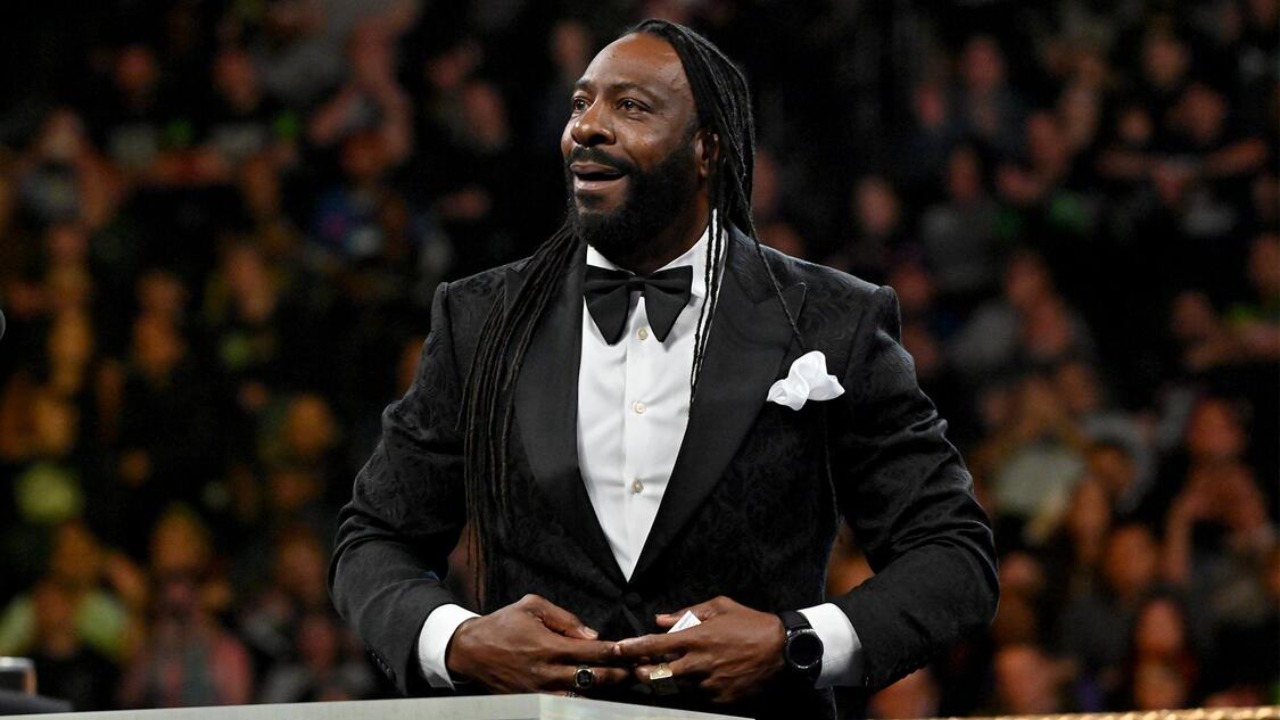
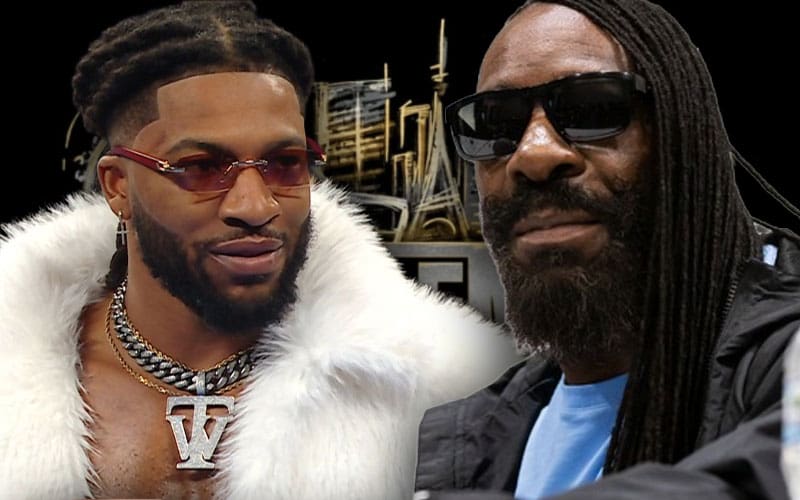
WrestleTalk dropped a brief report this morning that caught my eye. A newly signed WWE talent specifically named Booker T and X-Pac as their two biggest mentors.
On the surface, this sounds like standard public relations filler. A young wrestler praises two Hall of Famers to get some cheap heat with the internet. But when you actually break down the combination of Booker and Sean Waltman, you realize this is the exact chaotic, brilliant mix of advice that modern developmental desperately needs.
The Booker T experience
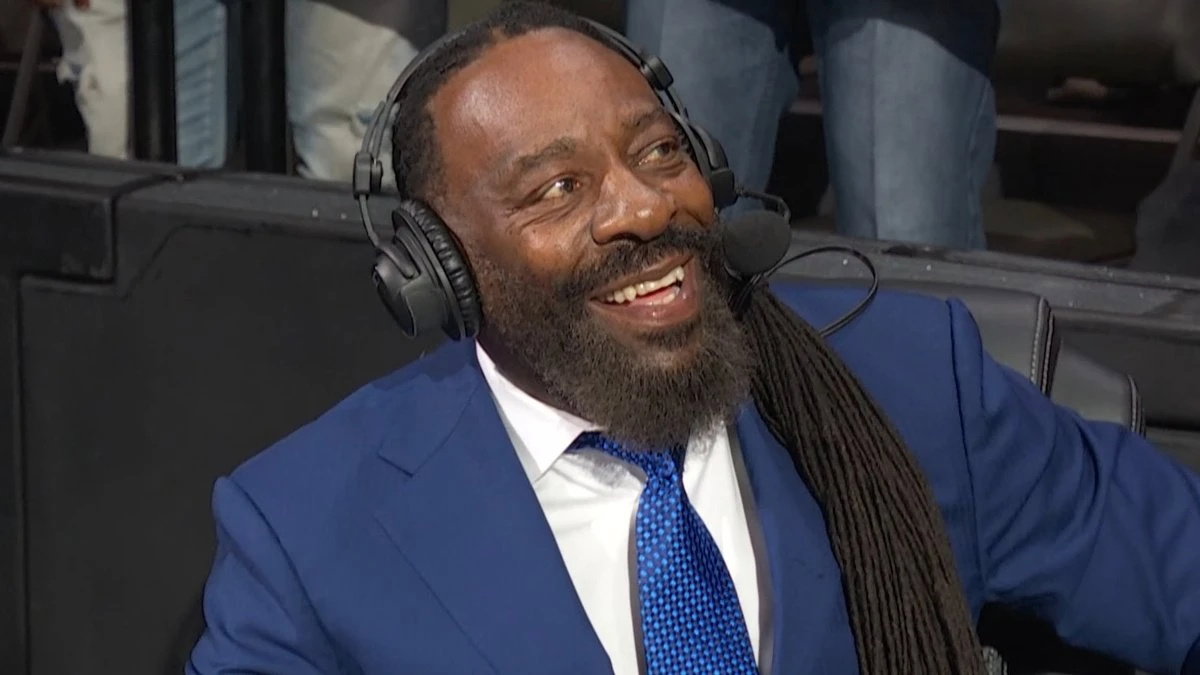
Let's be completely honest for a second. Booker T on NXT commentary is an acquired taste. Half the time, he sounds like he is watching a completely different match than Vic Joseph.
He yells randomly. He completely ignores intricate storylines to complain about someone's footwork. He steps on the play-by-play to throw out catchphrases that do not fit the action. It can completely derail a main event angle on television.
But you have to separate the broadcaster from the wrestling mind. As a trainer, the man is arguably the most valuable asset WWE has outside of Shawn Michaels.
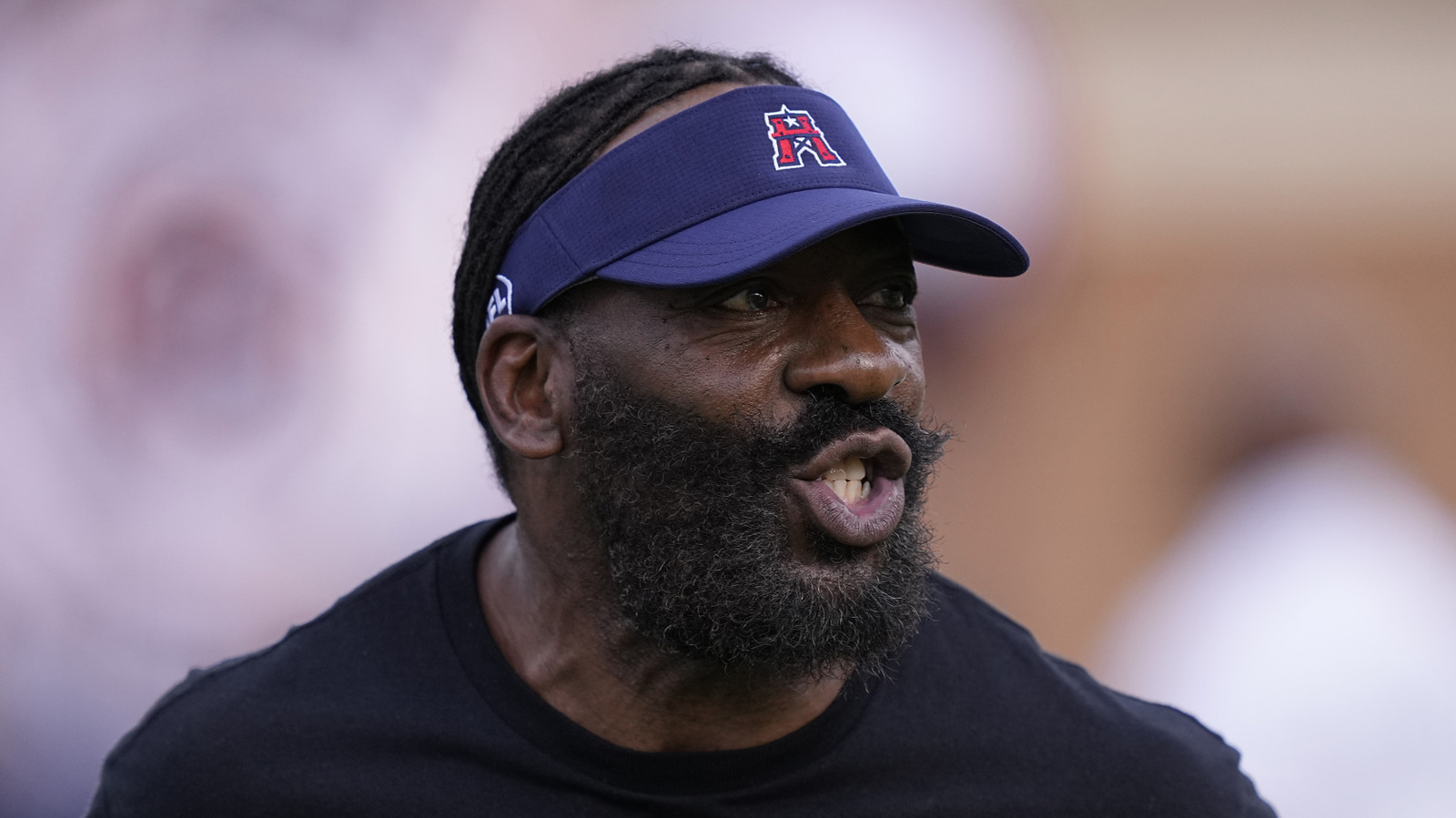
Booker runs Reality of Wrestling down in Texas. He isn't just showing up to the Performance Center once a month to shake hands, take a photo, and collect a check. He is actively producing weekly television for a local promotion. He is in the trenches with these kids.
He teaches ring positioning. He teaches how to find the hard camera when you are blown up. Most importantly, he teaches survival. He survived the ill-fated Invasion angle when almost nobody else from WCW was given a legitimate chance. He knows how to take a terrible creative pitch and physically force it to get over just by sheer charisma and absolute conviction in the ring.
Modern wrestlers are athletic freaks. They can hit a standing shooting star press in their sleep. But they often lack the connective tissue between the moves. Booker is the king of the transition. He built an entire career on making basic strikes look like absolute murder, and knowing exactly when to play to the cheap seats.
The Waltman dynamic
Then you have Sean Waltman. The 1-2-3 Kid. X-Pac. The ultimate utility player of the Monday Night Wars.
If Booker T teaches you how to be a television star, Waltman teaches you how to actually construct a professional wrestling match in the modern era.
Waltman is fascinating because he is an Attitude Era legend who actually watches modern independent wrestling. He is not sitting on a podcast complaining about guys slapping their legs or hitting too many superkicks. He does not have the bitter veteran syndrome that plagues so many guys from his generation.
Back in 1993, Waltman was working a style that nobody else in North America was doing on national television. He was taking bumps that made people legitimately uncomfortable. He understands the physical toll, but he also understands the psychology of being the smaller guy in the ring.
Go back and watch the 1-2-3 Kid wrestle Bret Hart on Monday Night Raw in 1994. That is an absolute masterclass in how a smaller talent can make an audience believe in a false finish against a reigning world champion. That single match has more pure psychology in it than an entire month of modern NXT television.
When a young talent says Waltman is mentoring them, it means they are learning match layout. They are learning pacing.
If a kid is doing a 450 splash, Waltman doesn't tell them to slow down and grab a headlock. He tells them how to time the 450 splash so it actually means something in the context of the finish. He bridges the gap between the chaotic indie style and the highly structured WWE television format.
The Performance Center problem
This is where I get slightly annoyed with the current state of WWE developmental.
The Performance Center is a marvel of modern sports science. It is a multi-million dollar facility that treats wrestlers like high-level collegiate athletes. They have dietitians, strength coaches, and media trainers.
And that is exactly the problem.
When you treat professional wrestling purely as an athletic endeavor, you strip away the carny magic that makes it work. You get guys who run the ropes perfectly, take flawless flat-back bumps, and look like Greek gods.
But they have zero personality. They have blank stares when the crowd starts chanting something unexpected. They know the choreography, but they don't know the music.
This has been the glaring flaw in the NXT pipeline for years. They produce fantastic stuntmen who struggle to connect on an emotional level. They lack the grit.
That is why relying on guys who learned in the territory system, or during the Monday Night Wars, is so vital. They inject the necessary dirt back into the polished system.
Surviving the machine
WWE in 2026 is a corporate juggernaut. It is run by board members and television executives.
But the locker room is still a weird, insular bubble of paranoia and ego. A young signing walking into that environment is walking into a minefield. One wrong comment in catering, one stiff shot in a practice ring, and your push is gone.
Booker T and Sean Waltman survived the most toxic locker rooms in the history of the industry. They survived the mid-90s WWF. They survived late-stage WCW. They survived the NWO politics and the chaos of D-Generation X.
The advice they give isn't just about wristlocks. It is about how to handle yourself when a main eventer decides he doesn't like your face. It is about knowing when to speak up for yourself and when to keep your mouth shut and eat the pinfall.
You cannot learn that from a sports psychologist in Orlando. You can only learn that from someone who lived it.
Looking toward Vegas
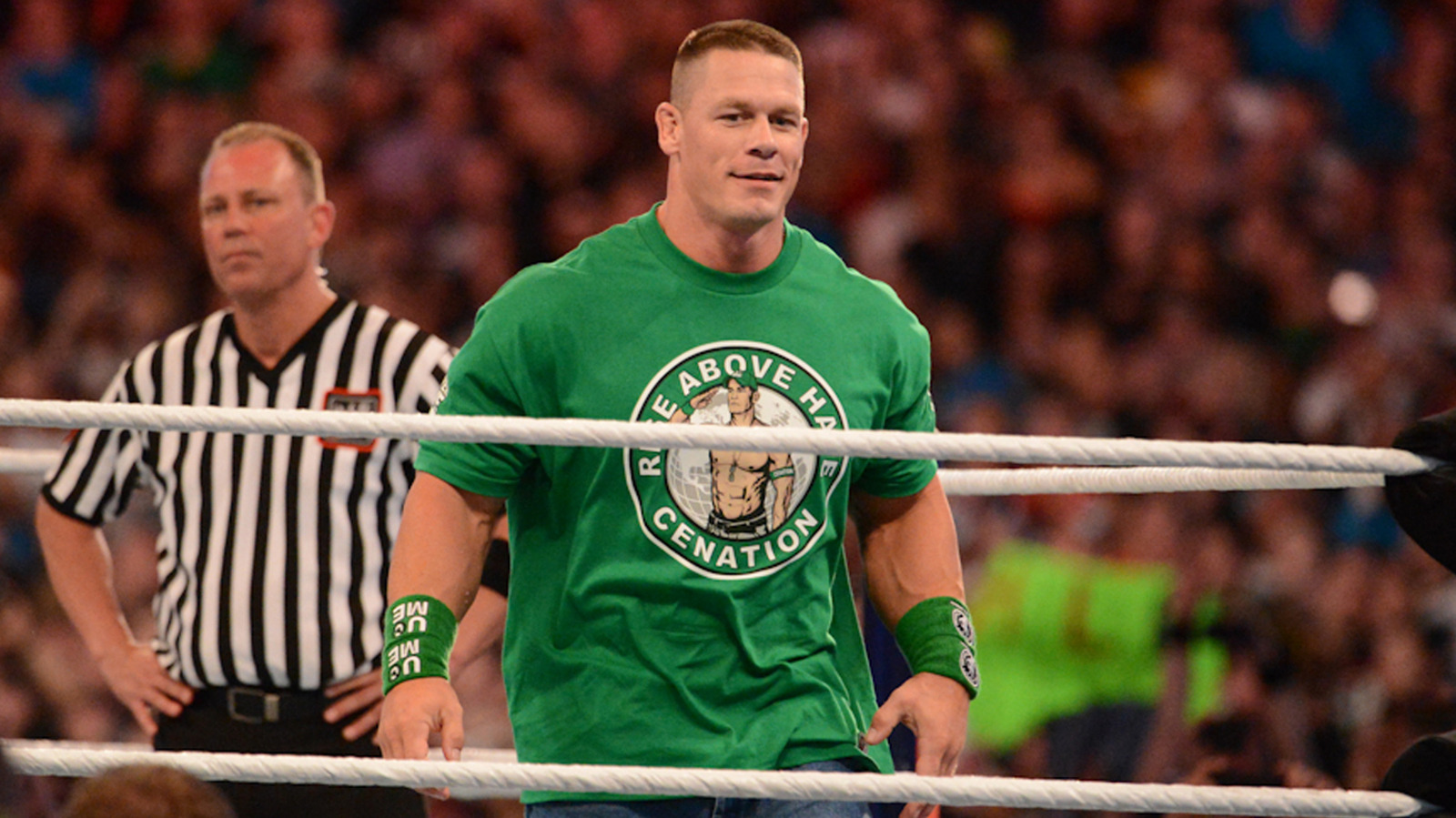
As we count down these final 24 days to WrestleMania 41, the focus is rightfully on the megastars. We are watching the John Cena farewell tour hit its emotional peak.
It is easy to get lost in the shuffle right now. Vegas is going to be an absolute madhouse. The media scrums, the fan events, the sheer scale of Allegiant Stadium will swallow a young talent whole if they are not mentally prepared for the circus. The actual wrestling match is only ten percent of the job during WrestleMania week.
The guys opening the shows? The talent fighting for television time in an incredibly crowded roster? They are the ones who need this old-school advice the most.
Booker T and X-Pac were the absolute kings of maximizing their minutes. They didn't always get the main event spot, but they always made sure you remembered their segment.
That is the secret sauce. That is what this unnamed talent is actually learning.
It is about understanding the exact moment the audience wants to cheer, and delaying it for exactly three seconds to make them scream instead.
The Performance Center can teach you how to be a professional wrestler. Booker T and Sean Waltman can teach you how to be a professional survivor.
There is a massive difference. And as long as WWE keeps letting guys like Waltman and Booker impart that grimy wisdom into the system, the developmental pipeline is going to be just fine.
Even if I still have to mute my television during half of Booker's NXT commentary.
Read Next
- Why WWE dodged a bullet by scrapping Bron Breakker's tag team plans
- Oba Femi’s MSG booking signals a massive post-WrestleMania debut
- Johnny Gargano's sudden NXT return feels like a permanent transfer
- The bizarre booking scramble before WrestleMania 41 and AEW Dynasty
- 🏆 WrestleMania 41 — Full Coverage Hub