Wrestling media is fundamentally broken. We are out here treating Tuesday night developmental television like it is the series finale of Succession. I just saw Wrestling Inc drop their standard review for the April 28 edition of NXT.
They framed the entire article around one simple premise:
The best and the worst of the post-Revenge edition of WWE NXT.
And look, I get it. The content machine demands blood. The algorithm needs engagement. We have to neatly categorize every segment into a binary state of absolute brilliance or utter trash.
But framing NXT this way entirely misses the point of what Orlando is actually doing right now. We are exactly nine days removed from WrestleMania 41. The main roster is in absolute upheaval.
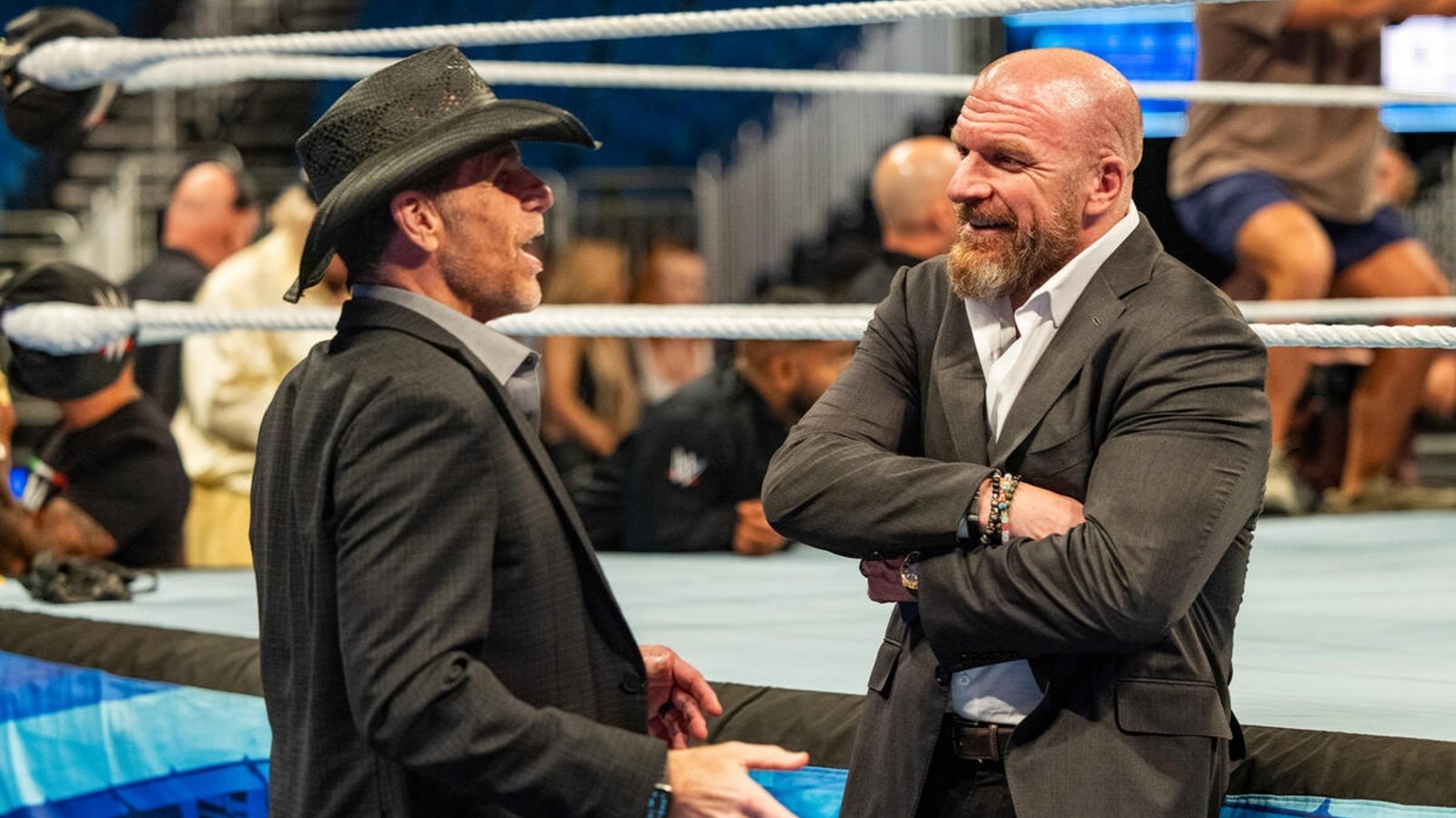
Raw and SmackDown are frantically reshuffling the deck after Vegas. Meanwhile, Shawn Michaels is sitting at the Performance Center, running what essentially amounts to a meat-based hyperparameter tuning loop.
Half his top stars are probably getting poached in the upcoming draft, and he just has to keep the lights on. Revenge was a blast. But this fallout episode? It is pure survival mode.
The developmental illusion
People watch NXT on the CW and forget what the letters stand for. It is still a developmental territory, folks. Yes, the production value is insane.
Yes, the camera work makes the old black-and-gold era look like a public access broadcast. But at its core, this is a lab. This is where you throw things at the wall and see if they stick.
When reviewers talk about things they hated on a random Tuesday in late April, they are usually complaining about a botched transition or a promo that felt clunky.
No kidding it felt clunky. You are watching a former college athlete like Oba Femi trying to hit a complex sequence while a live studio audience screams at him. The fact that it works at all is a minor miracle.
NXT Revenge delivered on the high-end match quality because it was a designated peak. The pay-per-view-level events are where the polished products shine. You optimize the model for those specific nights.
But the post-Revenge TV? That is the comedown. That is where you introduce the next batch of raw recruits and deal with the hallucination rate.
You have to accept the growing pains. You cannot grade a sophomore chemistry project on a curve meant for a Nobel laureate.
It is like complaining your base M1 Mac cannot run a 70B parameter model locally. You are completely misunderstanding the hardware.
The CW balancing act
Let us talk about the elephant in the room. The network. Since NXT moved to the CW, the pressure to deliver a third brand experience has been immense.
The executives do not want to hear about developmental pipelines. They want ratings. They want quarter-hour breakdowns that look like a staircase going up to heaven.
Shawn Michaels is basically playing a game of 4D chess while blindfolded. He has to satisfy the network executives who want established stars, while also satisfying Paul Levesque who needs the next generation of main eventers to feed the machine.
It is an impossible bind. You put the veterans on screen to pop a rating, but then the rookies do not get reps.
You put the rookies on screen to get reps, and suddenly the viewership drops by 50,000 in the second hour. This April 28 episode is a perfect microcosm of that struggle.
It was a violent tug-of-war between maintaining momentum from Revenge and resetting the board for the summer. It felt disjointed because it structurally had to be.
You cannot seamlessly pivot from blow-off feuds to cold introductions without some awkward friction. The system is thrashing.
The post-WrestleMania void
The timing of all this is absolutely brutal. WrestleMania 41 was in Las Vegas. Allegiant Stadium. Absolute spectacle.
John Cena saying goodbye, CM Punk doing his thing. And historically, the weeks immediately following WrestleMania are a graveyard for NXT storylines.
Why? Because everyone is looking up. Everyone is waiting for the tap on the shoulder. The main roster draft is looming over everything.
The talent knows it. The writers know it. The fans know it. How do you book a compelling three-month arc when your champion might get shipped to Friday nights next week?
You do not. You book placeholder angles. You book fatal four-way scrambles to keep everyone busy and pray nobody gets hurt.
You tread water. That is exactly what the post-Revenge episode felt like. It felt like a holding pattern.
And frankly, it should. Booking anything permanent right now would be managerial malpractice.
You do not buy new custom furniture when you are about to move houses. You sit on folding chairs and eat takeout until the moving truck leaves.
Criticism where it belongs
I am not saying NXT is immune to criticism. Far from it. There are systemic issues in Orlando that deserve brutal scrutiny.
The over-reliance on a distraction into an O'Connor roll for a cheap three-count needs to die a painful death. It is a lazy crutch.
The backstage segments that look like poorly lit soap opera outtakes are still a massive problem. We do not need five different variations of a wrestler walking out of a room while another wrestler stares ominously at a locker.
That is terrible television. That is where the haters should be focusing their fire. Stop complaining about the in-ring mistakes of a rookie learning how to run the ropes.
Start complaining about the structural formatting of the television show. The pacing is often chaotic.
We get matches that go four minutes followed by video packages that go six. It completely destroys the rhythm of the broadcast.
If you want to drag NXT, drag them for treating the viewers' attention span like a fractured TikTok feed. Drag them for formatting the show like an ADHD nightmare.
What we actually loved
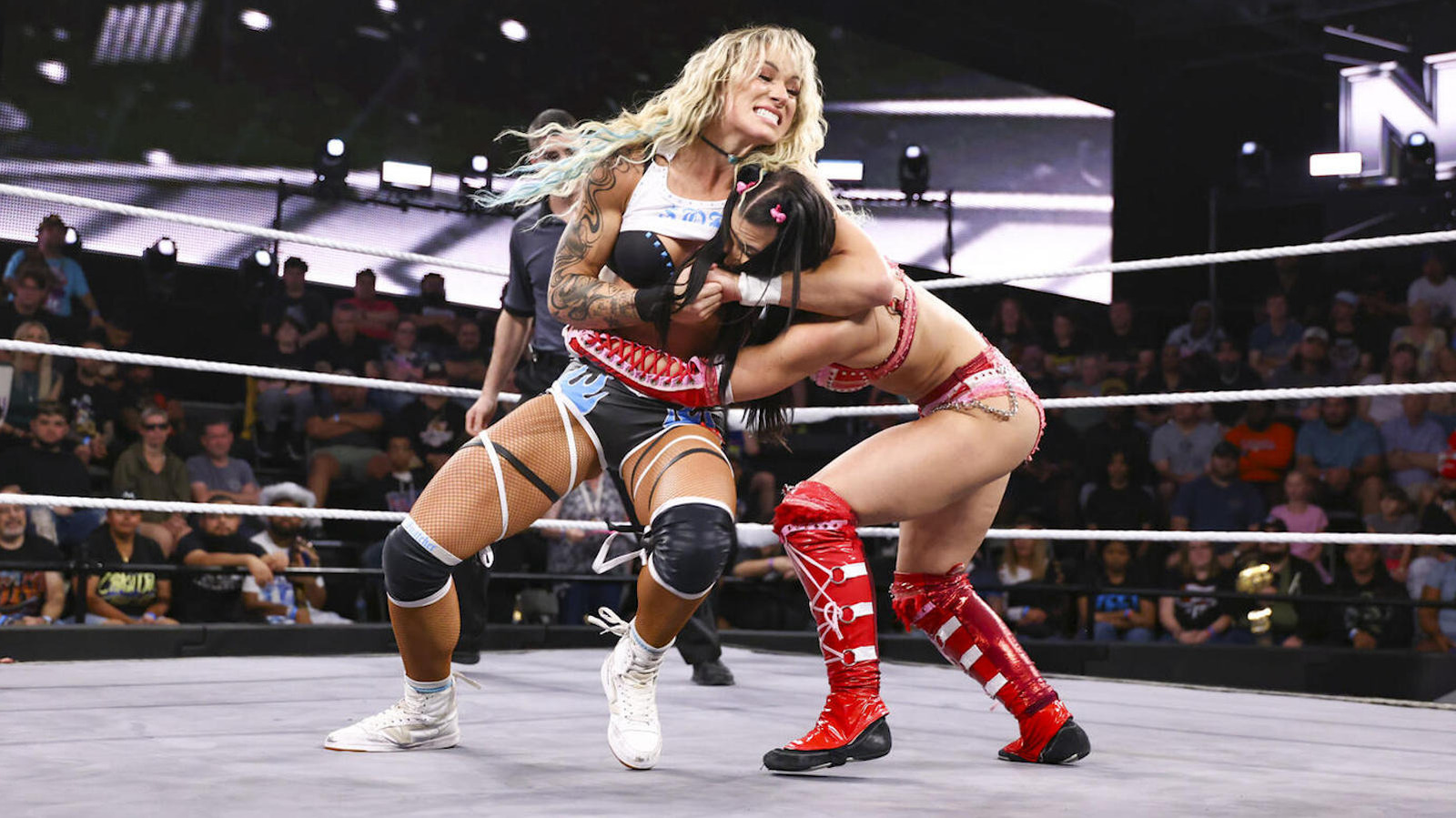
Despite the holding pattern, there is always gold in the Florida water. The sheer unbridled chaos of the women's division with killers like Roxanne Perez and Lola Vice remains the best thing on wrestling television. Period.
They hit hard, they talk trash, and they genuinely feel like they are fighting for their lives to secure TV time. There is a desperation in the NXT women's locker room that the main roster completely lacks.
The main roster feels settled. NXT feels hungry. And the character work from mid-card heels like Lexis King? Exquisite.
We are seeing guys lean into absolute absurdity and making it work through sheer commitment. That is the magic of developmental.
You can try a gimmick that sounds terrible on a whiteboard, and if you believe in it, the crowd will follow.
The post-Revenge episode showcased a lot of that. A lot of throwing spaghetti at the wall to see what sticks.
Some of it slid right off onto the floor. But the bits that stuck? That is the future of the industry right there.
Stop running the wrong benchmarks
We need to recalibrate our brains when watching NXT. Stop looking for a five-star Tokyo Dome classic every Tuesday.
Stop dissecting every promo like it is a legal deposition. Enjoy the mess. The mess is the entire point.
The post-Revenge episode was not perfect. It was clunky, it was chaotic, and it was entirely necessary.
It is the bridge between what was and what will be. And if you cannot handle the bridge, you do not deserve the destination.
So yeah, wrestling media can have their little list of loves and hates. I will be over here watching the tape.
I am looking for the one kid who figured out how to work the hard cam for the first time. Because that is what actually matters.