The transition from Performance Center prospect to main event fixture
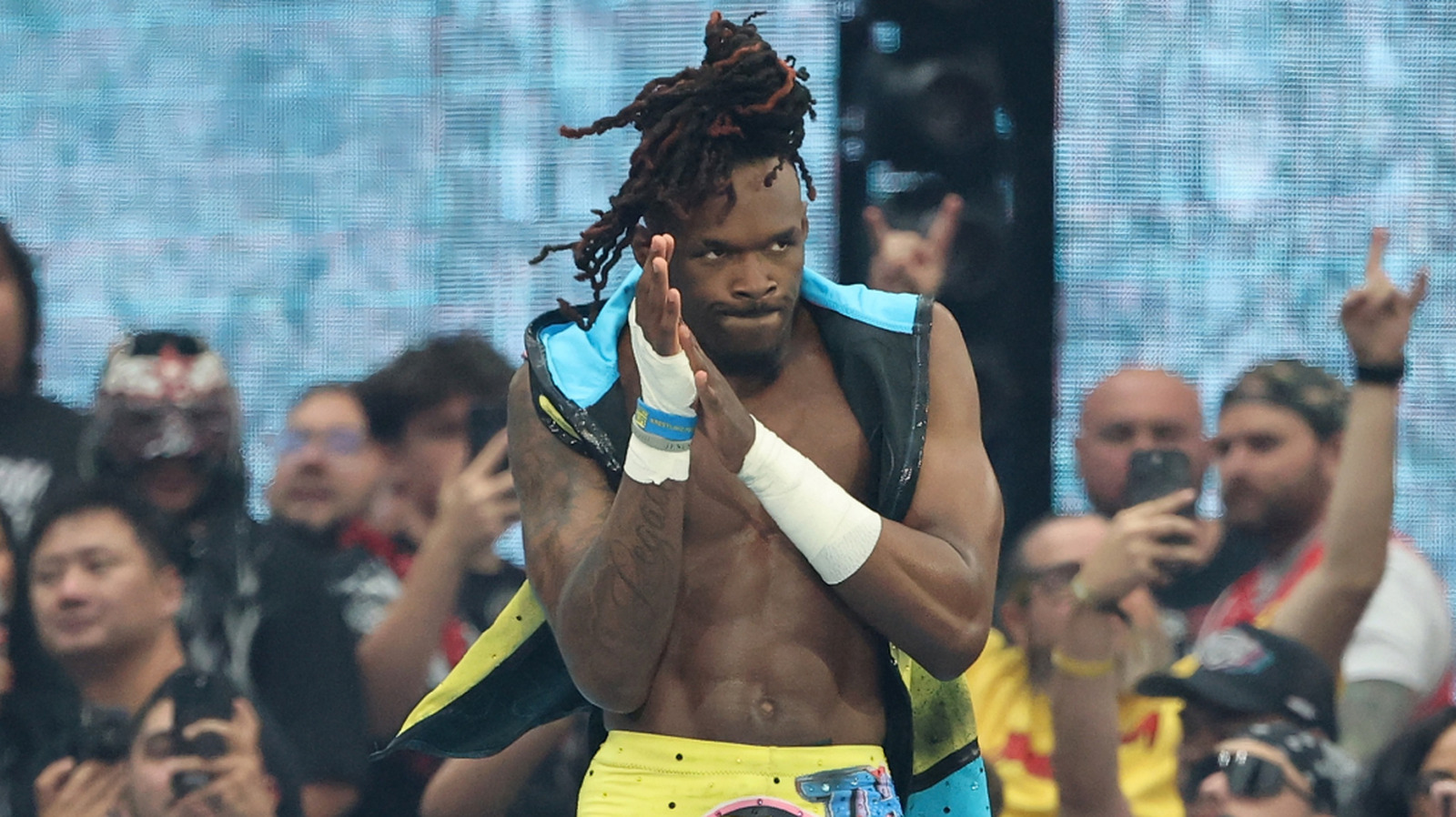
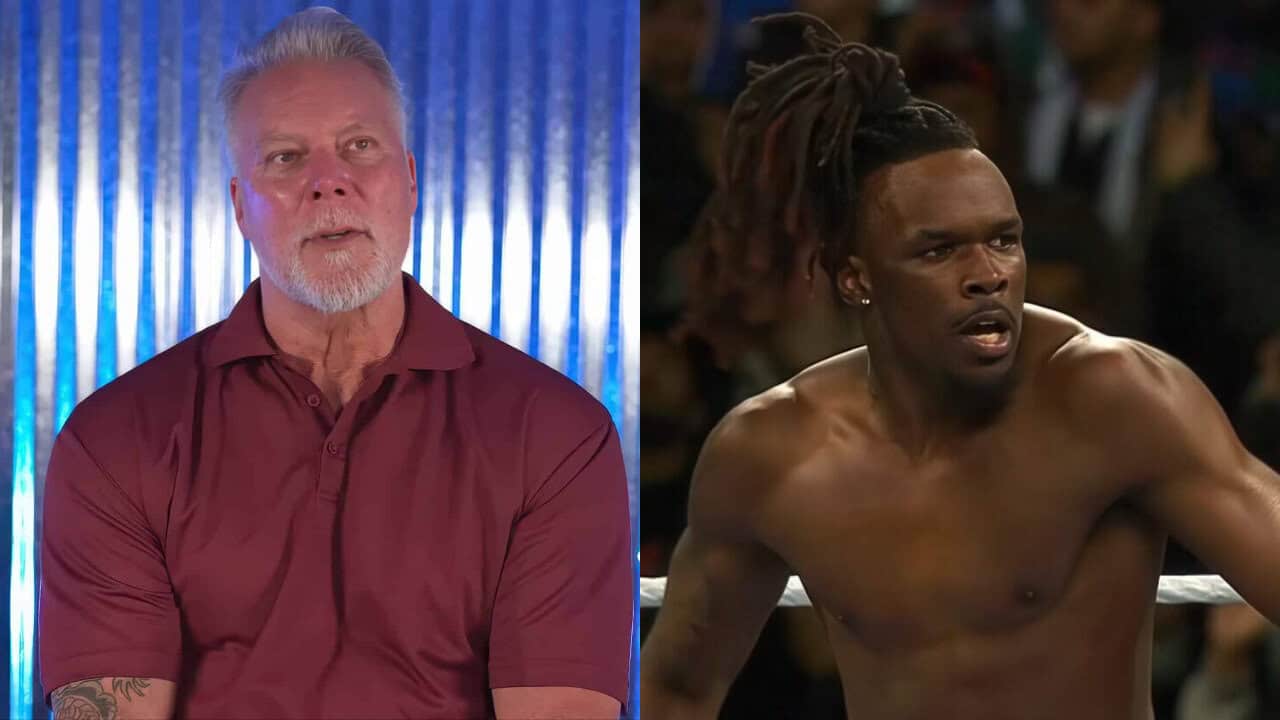
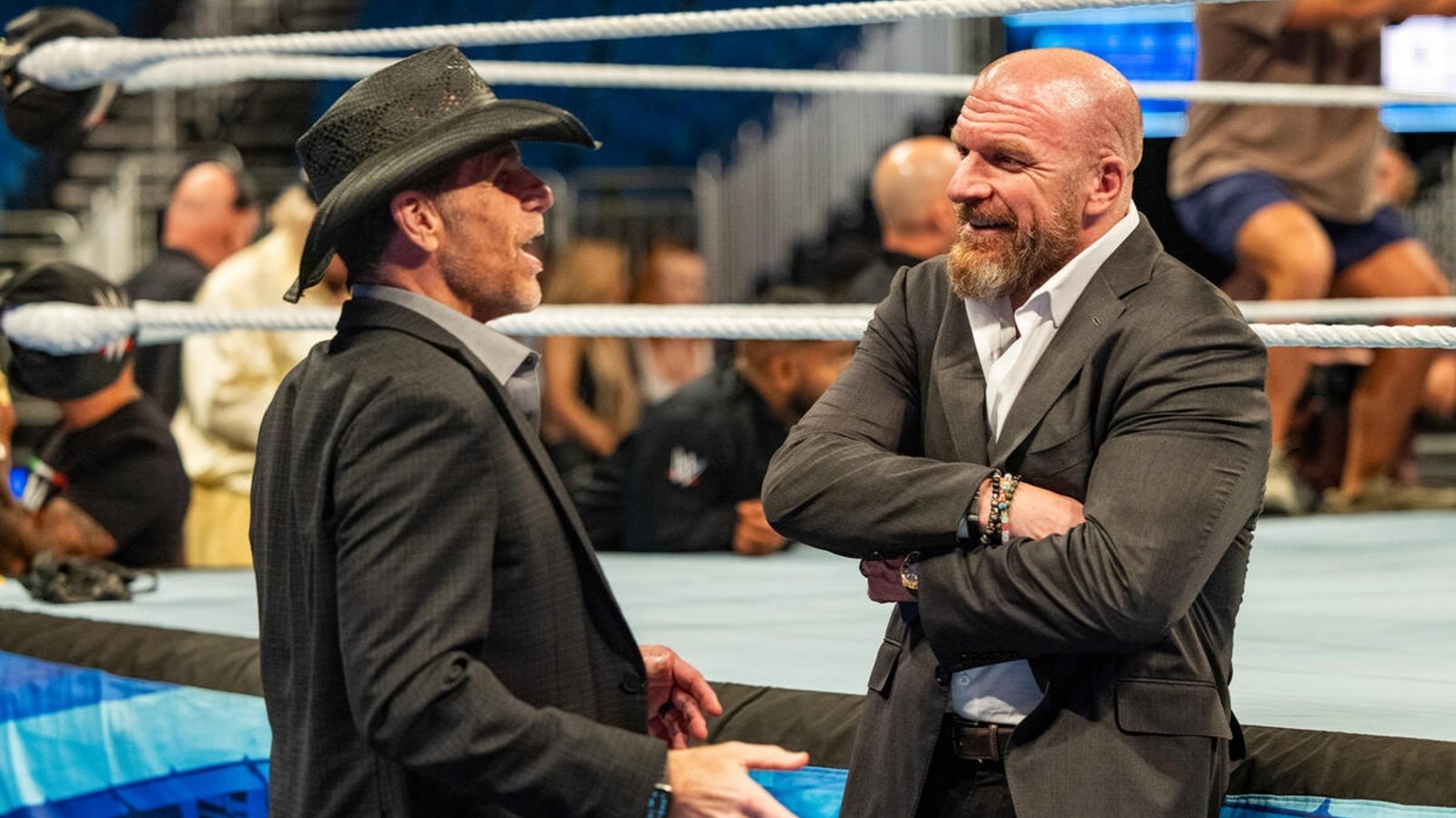
Je'Von Evans has become the most intriguing variable in the developmental equation. It is rare for a talent to move through the NXT ranks with the kinetic volatility he displays, yet it is his backstage education that matters more for his ceiling. Working simultaneously under the tutelage of Shawn Michaels and Triple H provides a tactical advantage that few of his peers share.
The current internal environment emphasizes a split focus. Triple H prioritizes long-term psychological conditioning, while Shawn Michaels leans into high-frequency, high-impact sequences. Evans finds himself effectively acting as the bridge between these two distinct philosophies.
The strategic divergence in learning
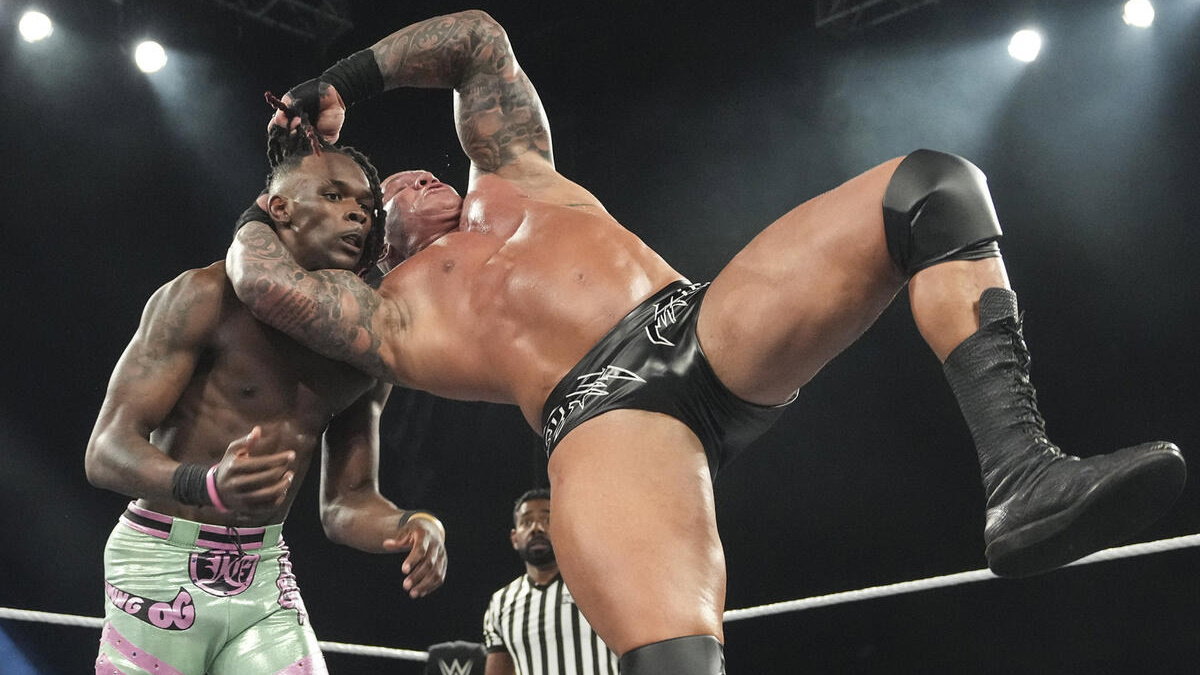
We saw the results of this stylistic fusion during his recent televised sprint matches. Evans operates with a reckless pace, but his defensive positioning shows a discipline that usually takes years to develop. He isn't just taking spots for the sake of the highlight reel; he is utilizing transition moves designed to tire opponents for middle-match fatigue.
Critics often point to his reliance on aerial maneuvers as a potential bottleneck for longevity. His high-risk profile is mathematically risky in a promotion that requires consistent output on weekly live television. However, he has begun to integrate more grounded grappling, specifically wrist-locking variations that stall an opponent's momentum before he reset the tempo at the 14-minute mark in recent outings.
What to watch for in upcoming cards
The progression of his character relies on how the coaching staff filters his natural instincts through their developmental protocols. When you compare the pacing of his matches from three months ago to his recent performances, the change is measurable. He has tightened his spacing, reducing the number of unnecessary steps required to move from a neutral position into a strike.
While his raw technical ability remains his strongest asset, his biggest room for improvement remains in building heat during the transitions between sequences. If he can master the art of the 'lull'—where he draws the audience in before the inevitable explosion of activity—he will become a complete product. Currently, he moves too quickly, sometimes skipping the necessary storytelling beats that force the audience to buy into the stakes of the finish.
Verdict on the trajectory
Je'Von Evans provides a fascinating case study in modern wrestling development because he has already acknowledged the tactical differences between his two primary instructors. His capacity for absorbing these disparate lessons will likely dictate how fast he ascends the card.
I expect Evans to transition into a primary title contender by the end of the year. He has the agility to carry veterans and the work ethic to study the film that separates a technician from a superstar. Watch for his next main event slot; he will likely hit peak efficiency at a 92 percent move-completion rate if he focuses on tightening his landing mechanics.
My prediction remains firm: Evans will anchor the NXT brand within the next calendar year. He is the most refined project in the organization, and as long as his health holds, his ceiling is at the top of the mountain.