The High-Flying Dilemma in NXT
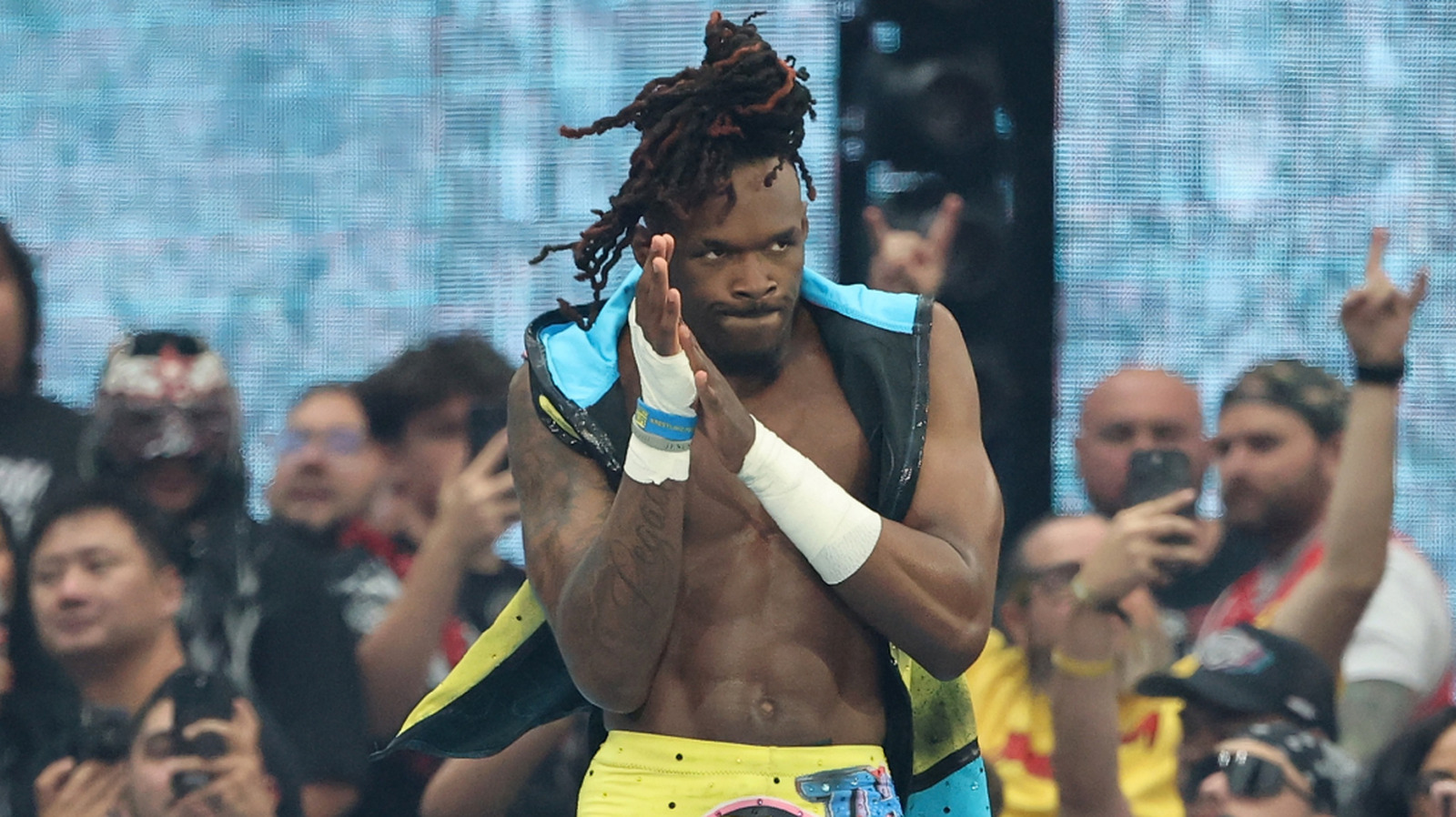
Je'Von Evans has spent the last six months establishing himself as the primary aerial threat on the Tuesday night roster. Since his arrival, his ability to execute the corner dropkick into a back handspring has become a signature, but his progression under Shawn Michaels has reached a point of diminishing returns. There is only so much developmental runway left for a performer with this level of crowd engagement.
Reports from backstage indicate that leadership is monitoring his TV segments with increased frequency. While he remains a cornerstone of the developmental brand, the ceiling is becoming low for his rapid development. He has transitioned from a polished independent talent into a WWE-ready asset, and the creative team currently lacks a permanent slot for him on existing main roster brands.
Creative Constraints and Transition Logic
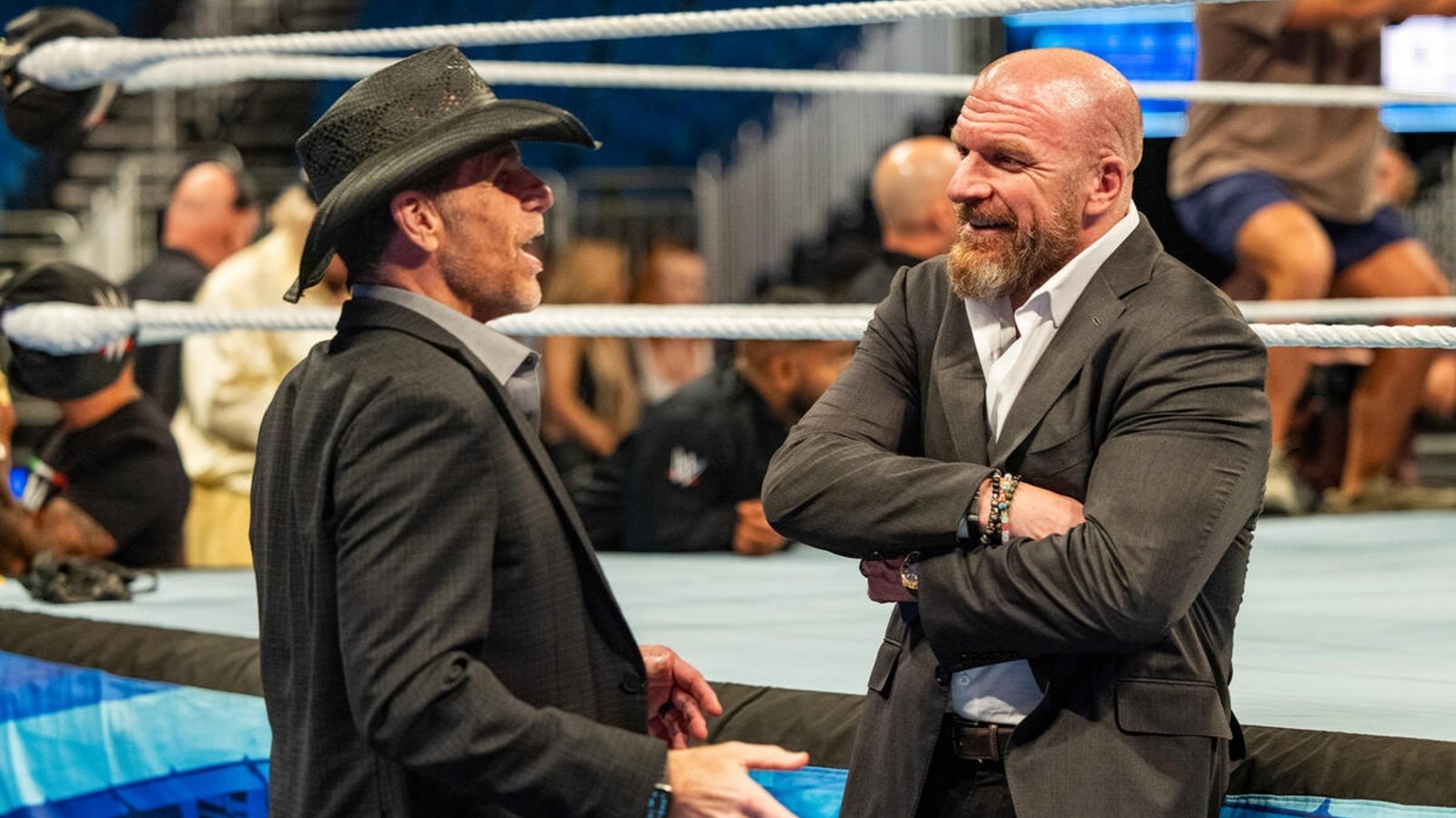
Working under both Triple H and Shawn Michaels provides a unique vantage point on how internal booking changes as a talent graduates. As Wrestling Inc recently highlighted, Evans views the two leadership styles as distinct but complementary. This exposure to different philosophies suggests he has the internal support to bridge the gap between NXT's production rhythm and the faster, more chaotic pace of the flagship shows.
However, the transition is fraught with peril. Recent history shows that call-ups often struggle to find immediate booking space if they lack a defined feud. If Evans is moved up without a clear program against a veteran heel who can anchor his high-flying style, he risks being relegated to dark matches or short-term tertiary television slots.
The Critical Flaw in Current Booking
The primary concern remains his character work outside of the squared circle. While his physical execution is crisp, his mic work remains secondary to his aerial display. During his recent tag matches, he often relies on his partner to handle the segments designed to build heat, which will not work on a three-hour weekly production. He needs to transition from a spot-focused performer to a storyteller who understands how to pace his offense.
His lack of a consistent heel foil currently hurts his development in the developmental system. NXT functions on high-paced action, but main roster success demands the ability to work a slower, crowd-based style. If he does not learn to hold the audience during the quiet moments, he will be viewed as a mid-card spectacle rather than a serious title contender.
Probability and Timeline Assessment
The probability of a main roster debut by the end of the year is marked as medium. The lack of open spots on the current roster means he is waiting for an injury shuffle or a draft-adjacent shakeup. The company is currently favoring established veterans like LA Knight and Cody Rhodes for the main event segments, leaving little room for a high-risk aerialist to break into that bracket.
If the promotion decides to move him, look for a post-major-event call-up. Expect a multi-week video vignette sequence followed by a debut on a non-televised house show circuit before a televised appearance. He must arrive with a clear target to be effective.
The Impact of the Move
Should the transition occur, it will force the existing Cruiserweight division to recalibrate. Evans brings a level of technical risk that is currently missing from the raw and smackdown televised product. If handled correctly, he could provide the necessary energy shift required for the mid-show segments, moving from his current status as a developmental focus to a consistent 15-to-20 minute feature performer on premium live events.
Success requires him to move past the reliance on purely athletic maneuvers. If he can tighten his promo delivery while retaining the speed that got him signed, he has the potential to mirror the rapid rise of other recent successful developmental graduates. Anything less than a structured, six-month program will be a misuse of his trajectory.