The Fallout From NXT Revenge
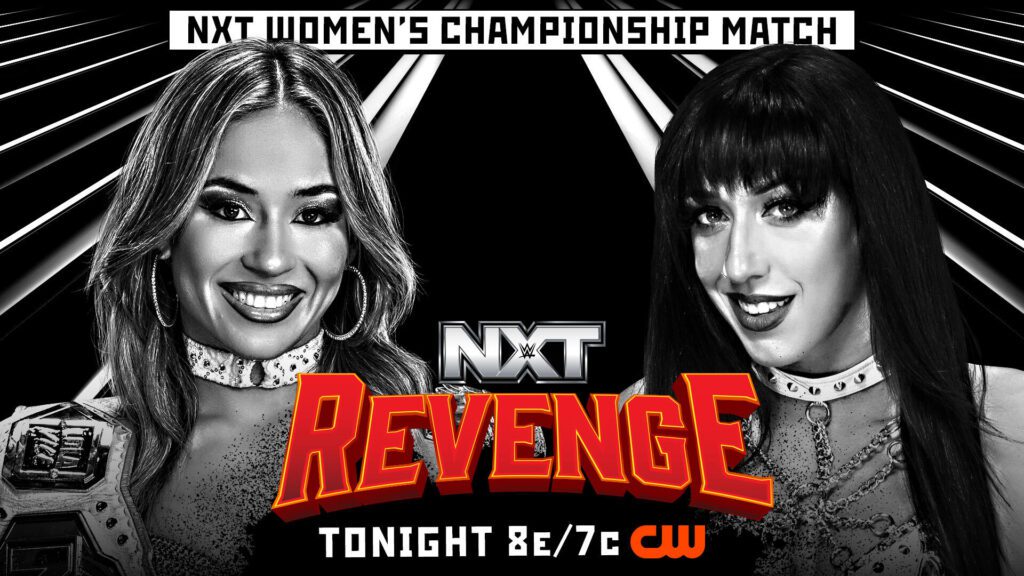
NXT Revenge wrapped up its second week on April 21, and the two-part television special delivered exactly what we expect from Shawn Michaels' creative regime. It was a show built on solid in-ring fundamentals, marred occasionally by the same developmental growing pains that have defined the brand for years. We saw clean finishes, baffling backstage segments, and a clear look at who WWE management views as the next generation of arena main-eventers.
Breaking up the television calendar with these themed specials is a smart survival tactic. With the constant pressure to maintain viewership against real-world sports competition, branding a Tuesday night in April as "Revenge" gives the episodes a sense of unearned importance. The actual execution requires the roster to step up and wrestle with a pay-per-view intensity.
Sometimes they hit that mark. Other times, the glaring lack of experience under the bright lights becomes obvious. Let's break down the best and worst from week two.
What We Loved: The Unrelenting Pacing
The biggest positive from Tuesday night was the structural pacing of the broadcast. NXT has historically struggled with cramming too much into a two-hour window. This week, matches were given room to breathe.
We saw extended heat segments. We saw actual limb psychology instead of a rush to the next high spot. Submission holds weren't rest spots; they were treated as legitimate threats to end the match.
This reflects the Performance Center coaching staff. Matt Bloom and Terry Taylor are emphasizing the spaces between moves. The audience needs time to register pain, frustration, and desperation.
Instead of a chaotic sprint, competitors worked a methodical, escalating pace. The final five minutes felt earned because the opening ten laid the groundwork. This is a stark contrast to the independent style that dominated the black-and-gold era.
What We Loved: The Women's Division Depth
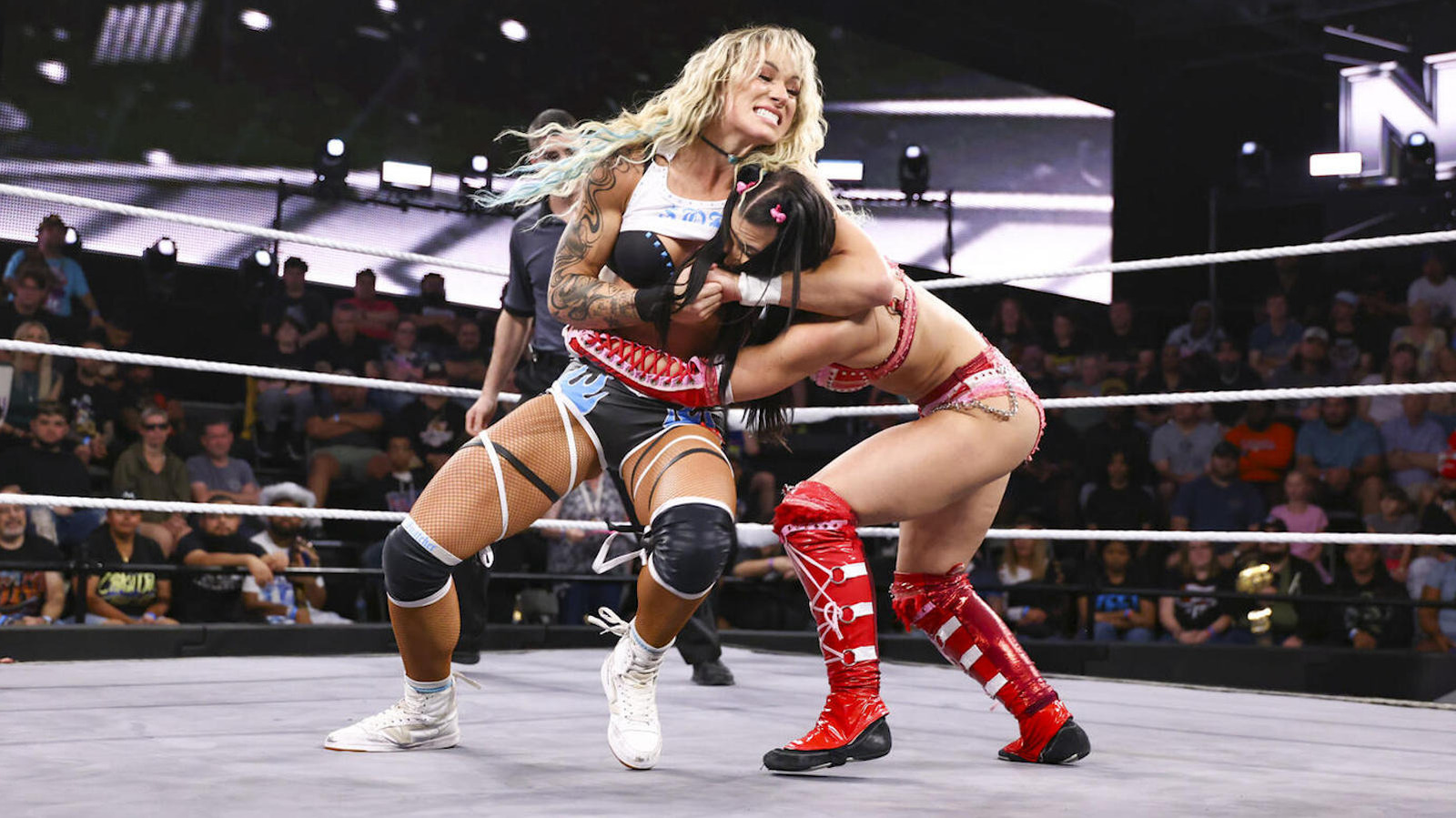
NXT's women's division remains the most reliable part of the weekly product. Week two of Revenge showcased why this brand is the best women's wrestling pipeline in the world. The depth is staggering.
You have elite athletes from the NIL program seamlessly blending with independent standouts. The clash of styles creates compelling television. We are seeing powerhouses throwing around technicians, and high-flyers trying to chop down brawlers.
Character work is clicking. The women are given distinct motivations beyond wanting a championship. Bitter rivalries based on respect, jealousy, and past betrayals make the matches feel personal.
When the bell rings, the execution is crisp. Occasional botches are expected in a developmental setting, but recovery is improving rapidly. They are learning to cover their tracks and keep the audience engaged.
What We Loved: The Presentation of the Mid-Card
Shawn Michaels has figured out how to make the mid-card matter. Not everyone can be in the main event, but secondary feuds were treated with serious production care.
Video packages explained why two people were fighting. Pre-match promos established the stakes. It sounds simple, but main roster programming often forgets these basic storytelling tenets.
Giving mid-card talent a reason to fight prevents the show from feeling like random exhibitions. It conditions the audience to care about the entire roster. If someone gets called up, there is already a built-in connection with the fanbase.
The Heritage Cup continues to be a fantastic vehicle for this. The rounds system forces wrestlers to work a different style, testing their stamina and strategy. It is the perfect training ground for future technical specialists.
The Cracks in the Foundation
For all the praise, week two of Revenge was not perfect. Several segments highlighted the exact issues making NXT a frustrating watch.
This is still a developmental brand. Mistakes will happen. Some of the creative decisions feel less like growing pains and more like bad habits that refuse to die.
What We Hated: The Scripted Dialogue
Backstage segments remain the weakest part of NXT television. The dialogue is painfully unnatural. Writers are handing scripts to athletes that sound like they were written by out-of-touch executives guessing how young people speak.
Nobody talks like this in real life. The delivery is stilted. When talent is forced to memorize a heavy script, you can see their eyes searching for the next line instead of reacting to their scene partner.
WWE needs to trust these athletes to find their own voices. Give them bullet points. Let them stumble through a promo if it means they actually sound authentic. The over-produced, perfectly lit backstage arguments belong in a soap opera, not a wrestling show.
What We Hated: The Interference Crutch
Can we please get through one episode of NXT without a distraction finish? Week two of Revenge leaned heavily on this tired trope. Someone's music hits, the wrestler in the ring turns around like an idiot, and they get rolled up for a three-count.
It makes the babyfaces look incredibly stupid. If you are in a blood feud with someone, why are you taking your eyes off your opponent because a theme song started playing? It defies all logic.
This is a booking crutch used to protect losers. The idea is that the heel didn't really beat the babyface clean, so the babyface doesn't lose momentum. When it happens multiple times on the same show, it just makes the entire roster look incompetent.
Shawn Michaels needs to be willing to let people lose. Clean finishes build credibility. A clean loss is better for a wrestler's development than a protected, convoluted interference finish.
What We Hated: The Capitol Wrestling Center Crowd
The regulars at the Performance Center have become a detriment to the broadcast. They are trying too hard to be part of the show. The constant, rhythm-breaking chants distract from the stories being told in the ring.
When a wrestler is trying to cut a serious promo, the last thing they need is a group of fifty fans trying to get themselves over with a clever chant. It forces the talent to pause, breaking their cadence and ruining the momentum of the segment.
WWE has trained this specific audience to react a certain way, and now they cannot control them. It creates a weird atmosphere where the fans feel like they are the stars of the show. NXT desperately needs to hit the road more often to escape this echo chamber.
Looking Ahead to the Summer
As the dust settles on the two-week Revenge special, the path forward is clear. The roster is talented, but the creative execution needs tightening. With the WWE Draft looming and major main roster PLEs like Backlash approaching on May 9, the pressure is on.
NXT has to prepare these athletes for the massive stadiums and the unforgiving main roster crowds. The safety net of the Performance Center will eventually disappear for the top stars.
Week two of Revenge showed us the potential. We saw flashes of brilliance, exceptional athleticism, and a few undeniable future champions. We also saw the bad habits that need to be ironed out before they step foot on Raw or SmackDown.
Shawn Michaels has built a reliable machine down in Florida. Now, the challenge is fine-tuning it. Less scripted dialogue, fewer roll-ups, and more trust in the talent to carry the segments organically.
If they can fix those glaring issues, the rest of 2026 will be a massive success for the brand. If not, we will be having this exact same conversation after the next themed television special.