The shadow over Hiroshima Sun Plaza
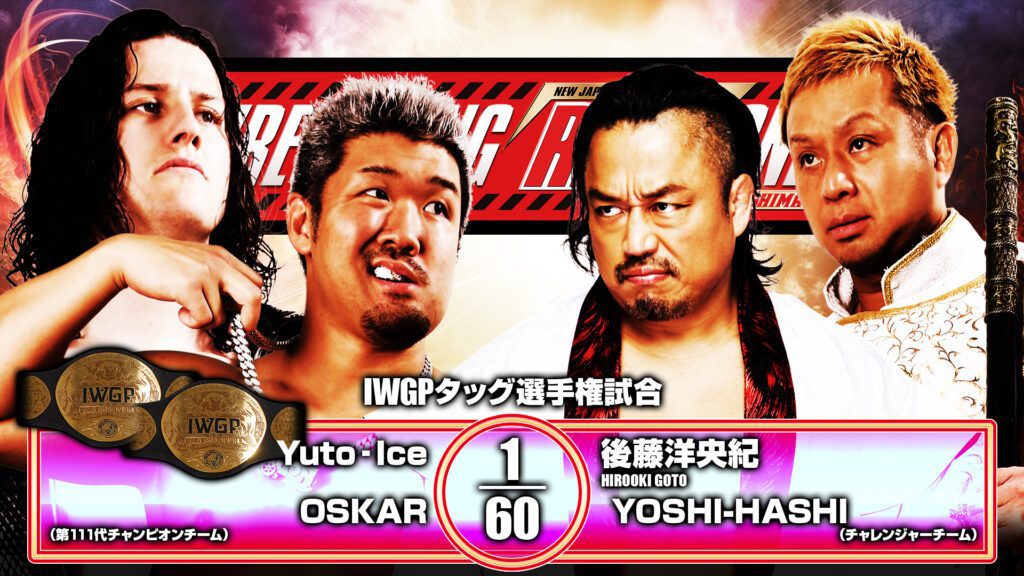
The dust has barely settled inside the Hiroshima Sun Plaza Hall following the conclusion of Wrestling Redzone earlier today. While Tatsuya Matsumoto opened the afternoon by tapping out Taisei Nakahara via knee bar in the 9:25 mark, the undercard signals a broader shift in New Japan Pro-Wrestling strategy. Promoting an eight-man tag match on the main card involving CHAOS and Shota Umino feels like a placeholder rather than a narrative engine.
The attendance count of 2,053 reflects a promotion struggling to find its footing after a disjointed spring. Fans were treated to high-caliber technical work from the likes of Yoh and Toru Yano, but the pacing of the event felt deliberately slowed to preserve marquee talent for the upcoming Dontaku cycle. Stalling momentum during a critical calendar block is a recurring administrative flaw.
The Umino disconnect
Shota Umino remains the focal point of the company's long-term vision, yet the booking continues to cast him in roles that lack high-stakes gravity. Inserting him into multi-man tag bouts on side-events like Redzone risks cooling his appeal before he encounters the upper-tier hierarchy. When a company attempts to build a foundation around a primary protagonist, they must avoid the tendency to treat him as a mere participant in rotating ensemble segments.
The execution of these segments lacks the sharp psychological hooks found in the G1 Climax or the mid-summer tournaments. Watching veteran technicians like Yano share the ring with future staples in non-consequential scenarios wastes the utility of the roster depth. It provides a decent match for the casual viewer, but it offers zero evidence that the booking committee has a plan to capitalize on the current viewership metrics on NJPW World.
Predicting the path forward
The absence of clear, singular feuds heading into May leaves the product feeling adrift. Expect the upcoming weeks leading into the major stadium events to prioritize individual spotlight matches, or risk alienating the core base that demands narrative progression. Management needs to pivot away from these safe, predictable tags and start highlighting the specific stylistic clashes missing from the recent Hiroshima card.
My prediction for the coming weeks is a regression in engagement stats unless they shift focus from the current experimental tag pairings to established singles rivalries. This current direction is too cautious, and the lack of urgency in the match outcomes indicates a failure to maximize the potential of the current roster cycle. Expect a lackluster reception for the mid-May events if the booking remains this passive.