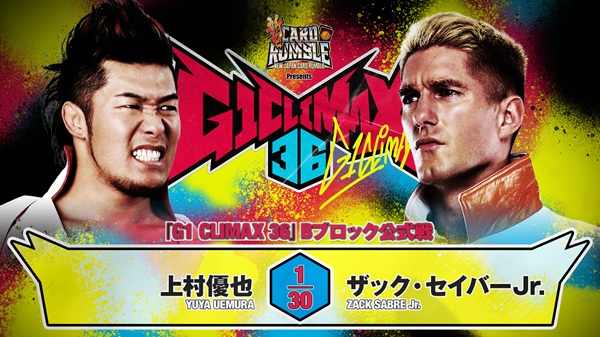
Kiyomiya falls in Hokkaido
The G1 Climax 36 injury bug bit hard during the July 19th show at Hokkai Kitayell. During the day three block action, Kaito Kiyomiya sustained a severe neck injury that halted his tournament participation immediately. Officials stopped the match after Kiyomiya failed to regain full mobility following a high-angle suplex near the contest's midway point.
Medical staff escorted the Pro Wrestling Noah representative to the back under heavy supervision. NJPW announced shortly after that Kiyomiya is officially out of the tournament. The medical team confirmed a C5-C6 cervical strain that requires immediate rest. He will forfeit his remaining block matches to prevent permanent long-term damage.
The ripple effect on G1 block integrity
Tournament integrity takes a hit whenever a top-tier entrant pulls out mid-competition. Kiyomiya was a frontrunner in his block, and his withdrawal forces an immediate reshuffling of the points table. Opponents scheduled to face him later this summer will now receive automatic points via forfeit.
Technical execution has come under fire from onlookers following this incident. While high-impact style is the hallmark of the G1, critics point to the repetitive reliance on risky neck-drop spots as a primary factor in these recurring medical withdrawals. This is the second time in three years a major tournament contender has exited via neck injury during the Sapporo leg.
Historical context of G1 attrition
Historically, the G1 Climax is a war of attrition. Wrestlers often arrive at the summer tournament carrying nagging injuries. When bodies fail in July, the booking office is forced to pivot existing narratives overnight. Losing a star like Kiyomiya essentially invalidates the established win-loss records of those who have already competed against him.
Competition from recent industry reporting highlights how the condensed schedule of the G1 puts extreme pressure on the roster. The current format offers very little recovery time between high-intensity outings. If NJPW does not address the fatigue levels of the athletes, expect more mid-tournament departures by the time the field reaches Tokyo.
Strategic implications for NJPW
NJPW management now faces a difficult tactical decision. Do they replace him in the block to keep the points total consistent, or do they let the vacancy stand? A replacement would disrupt the established story, but allowing the vacancy effectively lowers the point ceiling for the rest of the block participants.
Fan frustration is mounting regarding the safety protocols currently in place. While the referees are better trained to recognize concussions, spinal trauma remains a volatile variable in these matches. NJPW needs to reconsider the frequency of high-risk maneuvers if they want to retain their star power through the finals. A tournament that ends with half the roster hospitalized is not a success for the match quality long-term.
The recovery timeline remains uncertain as of this update. Sources close to the roster indicate he will remain under observation until at least the end of the month. Until then, the G1 continues, but the field looks significantly thinner than it did when the tournament kicked off earlier this week.