The motivation behind the curtain
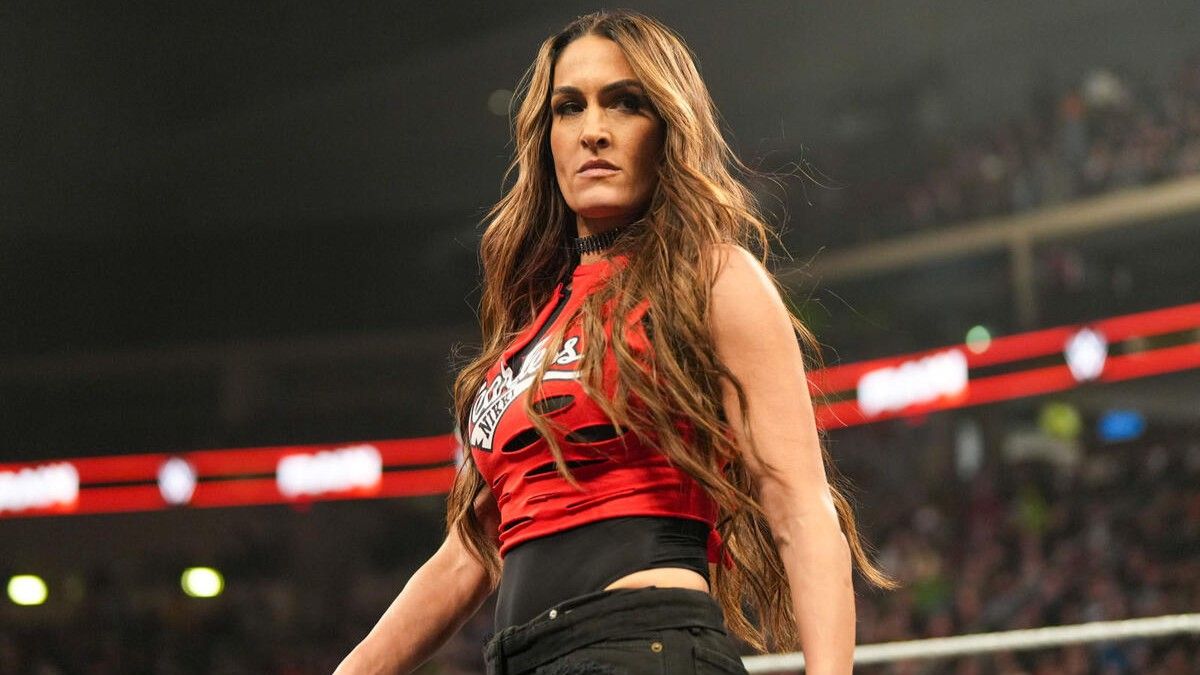
Nikki Bella has been candid about her desire to alter the trajectory of her career. In recent weeks, she has gone on record stating she "pitches hard" to WWE creative for a heel turn. This is not a request for a soft landing or a nostalgic lap around the ring.
It is a tactical demand for a specific narrative arc. After years as a central figure, shifting to an antagonistic role provides the necessary contrast to elevate younger talent. The logic is sound: established veterans need to act as roadblocks to test the resilience of the rising class. If she is to conclude her career, mirroring the shift of her prime remains the most compelling option.
The creative bottleneck
Despite the persistent lobbying from the talent side, WWE decision-makers remain hesitant to pull the trigger. We have seen this pattern before, where clear fan-favorite logic is stifled by a corporate mandate for stable, recognizable personas. The hesitation here is costly. By keeping her in a static role, the company misses the chance to generate the heat required to spike viewership for the mid-card.
Nikki’s push for this move centers on the idea of finality. A heel turn isn't just a costume change or a shift in temperament; it is a fundamental reconfiguration of her character's alignment. She has spent a significant portion of her tenure navigating the limitations of a babyface booking, which often stripped away the edge that defined her best work.
Tactical implications for the roster
If the creative team eventually pivots, the ripple effects will be immediate. A heel Bella could force a change in how the company manages feuds involving the next generation of performers. You don't put a legend in a villainous role unless you have someone waiting in the wings to stand up to them. Without a clear opponent to capitalize on that heat, the move risks being a hollow exercise in rebranding.
There is a glaring issue with how these pitches are handled in the current environment. According to her own comments, Nikki does not write the creative, leaving her at the mercy of a machine that often opts for the path of least resistance. The reality is that the decision to turn her is not about talent; it is about booking confidence. Watching her move to a position of conflict would provide the spark this tour needs, especially as the promotion prepares to head toward Backlash 2026.
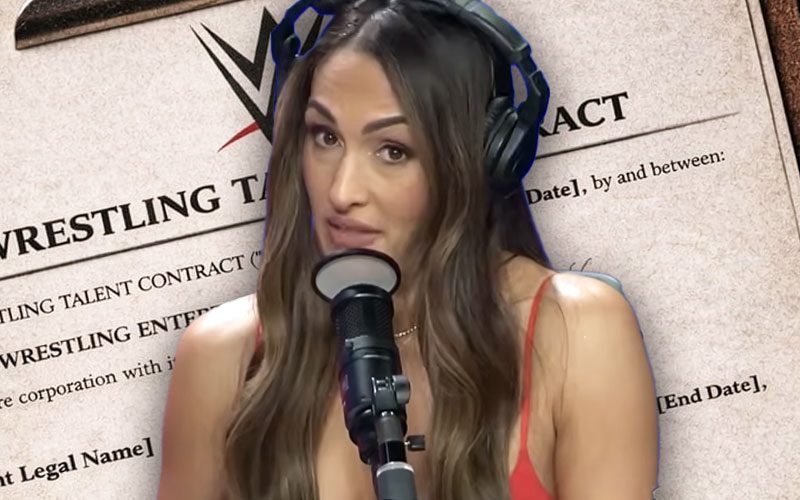
My prediction? The company ignores the pitch until the final month of her contract. Expect a hurried, underwhelming face-off rather than a calculated, nuanced turn. It is a missed opportunity by default, reflecting a larger struggle within the creative department to utilize the assets they actually have. If this were a 90-minute match, we would be in stoppage time, and the side that should be attacking is still parking the bus.