The mystery of EVIL entering the WWE system
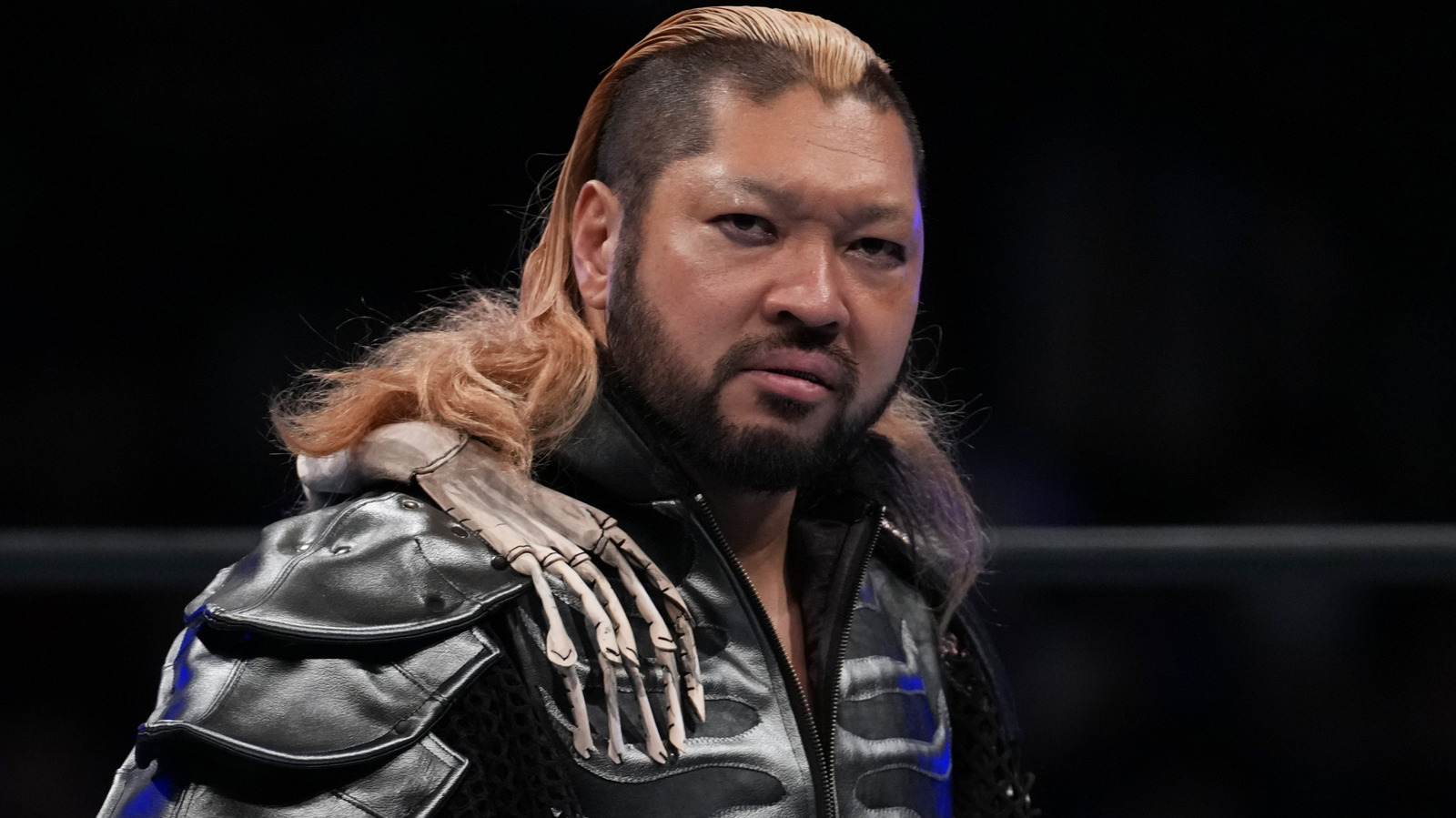
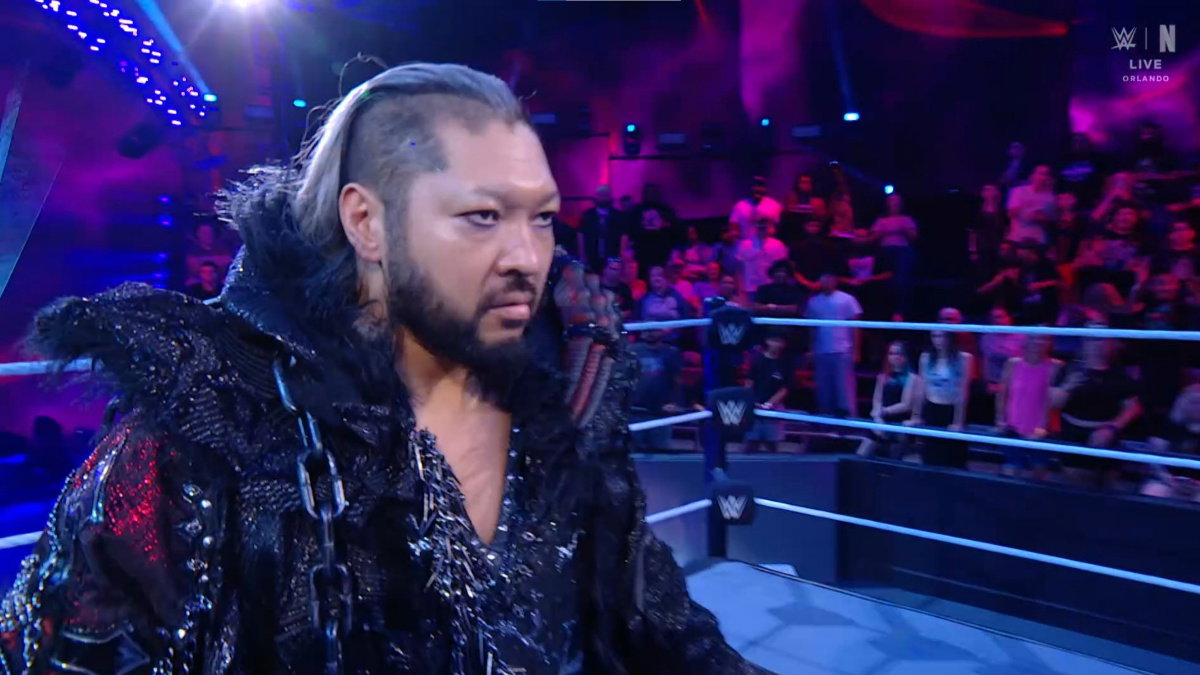
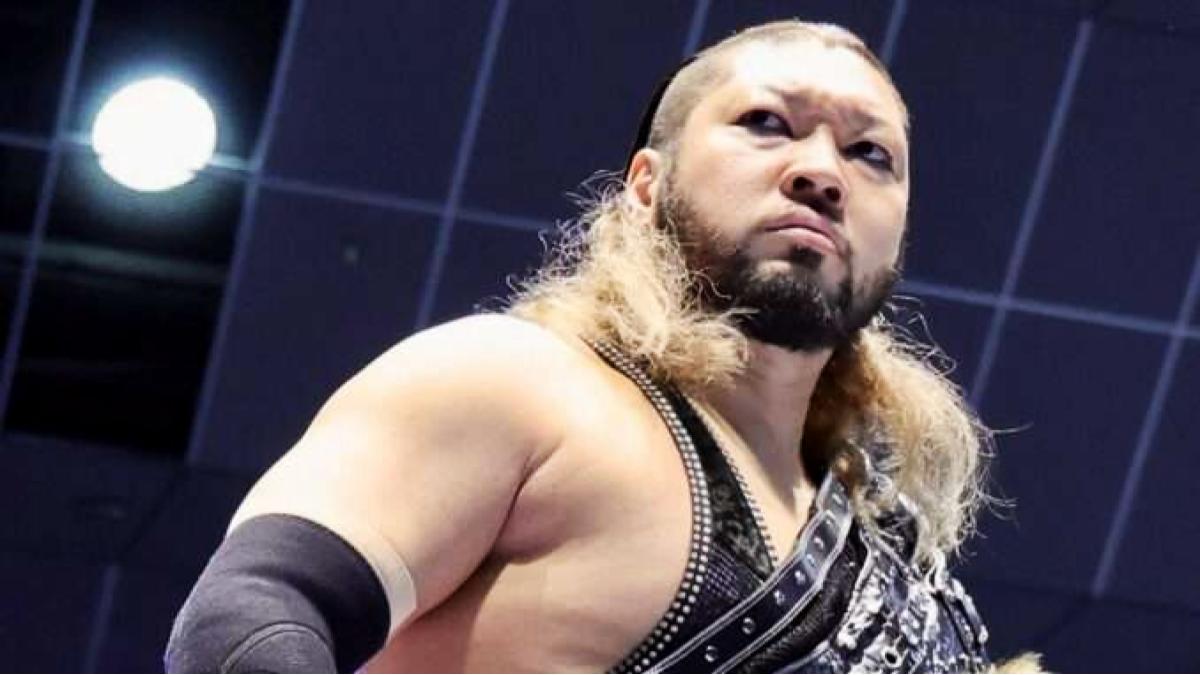
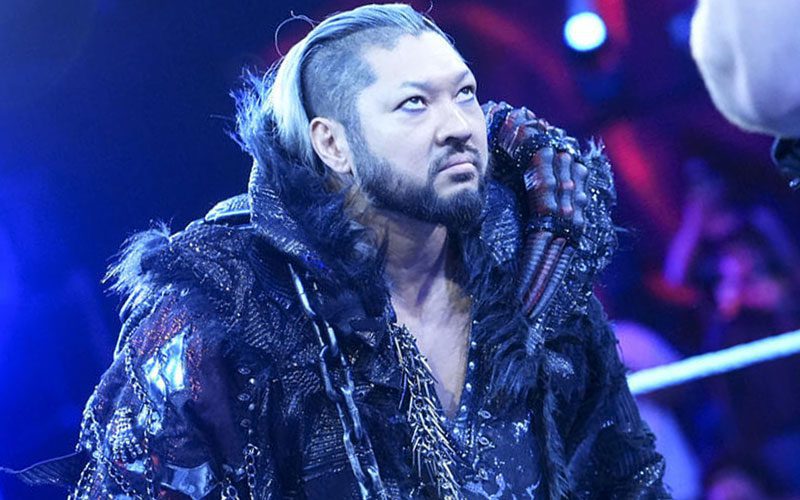
The transition of EVIL from the New Japan Pro-Wrestling circuit to WWE is officially underway, but the internal status of the former IWGP World Heavyweight Champion is currently static. As of April 27, 2026, sources close to the promotion confirm the veteran has put pen to paper. Despite the contract status, he remains unassigned to a specific brand roster. This creates an immediate booking problem for a performer who thrives on structured, long-form storytelling.
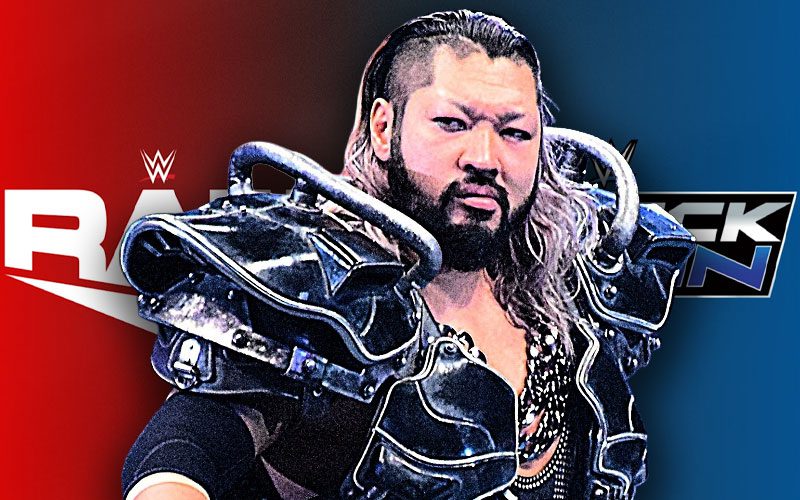
Reports indicate that management has not yet settled on whether to integrate him into the SmackDown brand or bolster the mid-card depth on Raw. The lack of an assignment suggests that either creative plans are currently in flux, or the company is waiting for a major fallout from the upcoming Backlash premium live event to decide where he fits best. For a wrestler of his experience level, being left in a creative limbo is rarely a sign of a massive, immediate push.
Why the transition could hit a wall
EVIL earned his reputation through a specific, slower style heavily reliant on interference and heel antics. This works in a promotion where established factions like Bullet Club House of Torture dominate the mid-card scene. In WWE, that style often faces a harder ceiling. The pacing of a 12-minute television match on Raw leaves less room for the repeated run-ins and ref bumps that define his signature work.
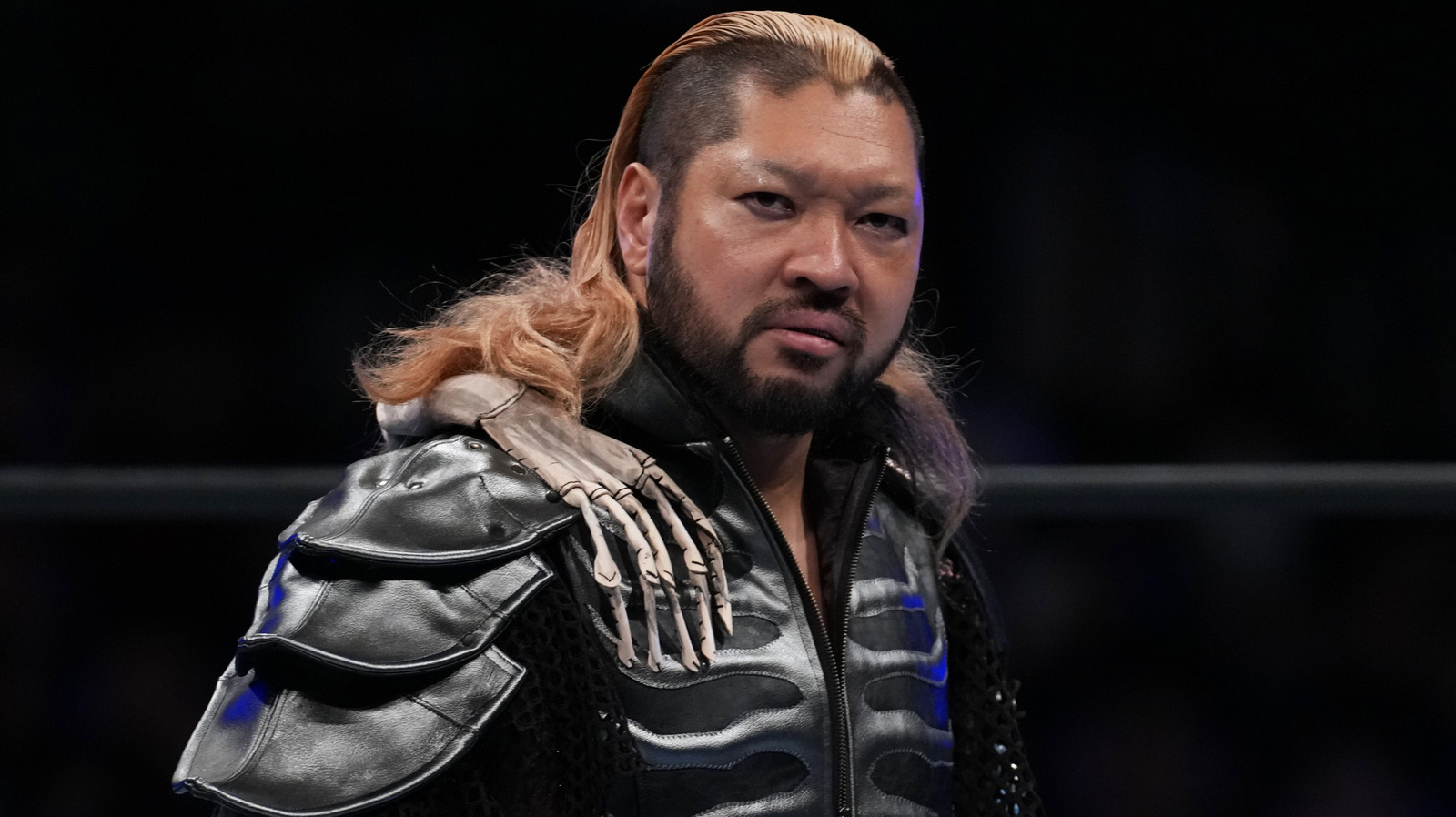
There is also the matter of his character work. His gimmick as the King of Darkness is intensely niche. Translating that into a PG-rated, corporate-wide broadcast requires significant adjustments to his presentation. If the booking team insists on sanitizing the menace he brought to Tokyo, the audience might struggle to connect. He risks becoming another veteran lost in the shuffle of a crowded roster, especially with NXT stars constantly gunning for main roster slots.
The creative path forward
If the plan is to use him as a credible threat, he needs a proper mouthpiece or a defined faction immediately upon arrival. Dropping him into a singles run without an established manager or a stable would be a tactical error that wastes his technical pedigree gained from years of headlining major cards. A debut after May 9, 2026, would give the creative team a fresh start following the Backlash fallout.
Timing is everything here. If he waits until after the World Cup fervor begins, he could get lost in the noise of a changing sports landscape. An impactful debut would ideally focus on a high-stakes feud where he can demonstrate his versatility against a top-tier technician. If he debuts in a non-descript squash match, fan interest will evaporate within weeks. He needs a strong win against a fan-favorite to establish himself as a legitimate antagonist from day one.
Internal status and probability assessment
The current situation is one of total silence. While the ink is dry, the lack of an internal assignment is a red flag for his short-term future. Most major signings are slotted into a division months before the official announcement. This uncertainty makes it difficult to project a trajectory beyond potentially stalling for a few months in dark matches or house show circuits to refine his style for the North American camera production team.
As it stands, the probability of him being a featured player by the end of the year sits at 40 percent. The promotion is deep at the top, and he lacks the built-in mainstream momentum to leapfrog existing main eventers. He is a high-cost asset currently sitting on the bench. The front office will likely see how he handles the transition in performance centers before greenlighting a high-stakes television program.
Expected impact of the signing
If handled correctly, the introduction of a new heel who brings a different tactical approach could breathe life into a stale division. The physical style he brings, characterized by the darkness-themed power moves and high-impact strikes, could offer a fresh challenge for top-level stars accustomed to a more traditional style. However, the risk of a stylistic mismatch remains the biggest threat to his success. If the creative direction chooses to dilute his antics rather than leaning into them, he will struggle to differentiate himself from the existing roster.
Fans should monitor his first major program closely. If it leads to a title push within the first sixty days, the transition will be a clear success. If he is relegated to short, two-minute matches meant to enhance other talents, his tenure will likely be brief and unmemorable. Wrestling careers shift fast, and the pressure is already on him to prove that his past accomplishments are not just relics of a different industry climate.