The industry remains stuck in its outdated views
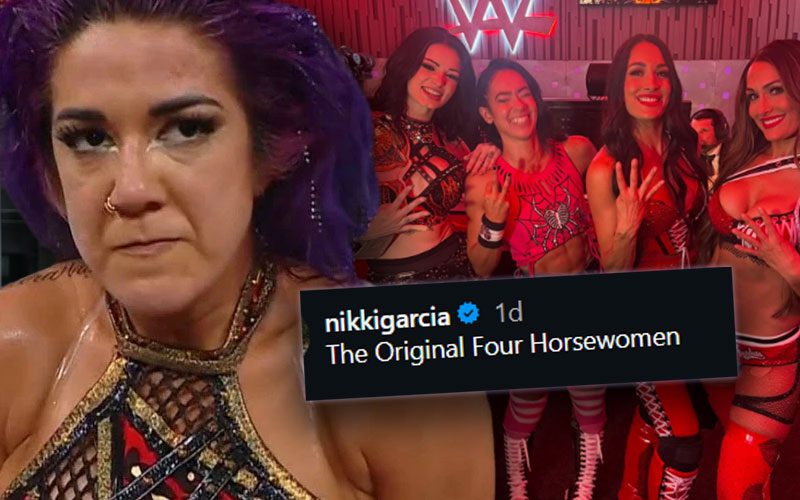
Nikki Bella recently addressed the glaring inequity veteran performers face compared to their male counterparts. Her critique highlights a recurring pattern in how aging is perceived across the roster. It is a necessary friction point for a sport that claims to be evolving while clinging to prehistoric biases about appearance and utility.
The issue of ageism in professional wrestling is not fresh. We see it in how champions are booked and how storylines shift when a performer passes a certain age threshold. Bella is not merely asking for space; she is exposing a mechanical failure in how organizations value longevity. It is frustrating to witness talented veterans sidelined while being told their relevance has expired.
The creative gap in modern booking
Management often prioritizes shiny new toys over the people who built the foundation. This creates a vacuum where performers are discarded before they can fully utilize their experience. When a wrestler hits their mid-30s, the booking cycle becomes repetitive rather than rewarding. It reveals a lack of imagination in how programs are constructed.
As Ringside News has detailed, the specific complaints Bella leveled are backed by the lived reality of many performers who have spent decades perfecting their craft. We are not watching a meritocracy when the physical appearance of a competitor is weighed heavier than their technical output or crowd connection. This is a business strategy, but it is an inefficient and exhausting one.
What to watch for at WrestleMania 41
As we approach WrestleMania 41 on April 19 and 20, the card reflects this chaotic split in vision. We see the heavy investment in younger talent, yet the veterans who bring the technical weight are relegated to transitional spots. If the booking continues to favor optics over actual match quality, the impact of the main events will be diluted. Fans deserve a consistent internal logic rather than a hierarchy based purely on years on the calendar.
The current setup for the show lacks a clear narrative through-line for the women's mid-card. Expect more of the same quick, unsatisfying finishes we saw during the road to the event. A 7 minute sprint match for a championship is an insult to the work these performers put in during the weekly slog of television. It is time for the creative direction to reconcile with reality and stop treating legends as disposable commodities.
My prediction for the weekend is simple. We will see at least two major title matches end in interference or dusty finishes designed solely to protect the challenger’s current marketing image. It is a safe, cowardly way to book a stadium show. Until the promotion decides that the talent actually matters as much as the brand, the product will keep hitting these same familiar, frustrating ceilings.