The double standard behind the curtain
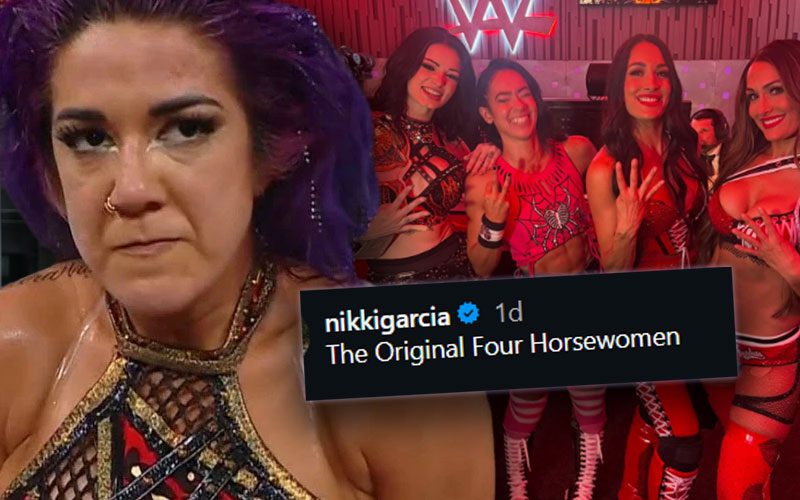
Professional wrestling has always operated on a hierarchy of age, but the optics are shifting rapidly. Nikki Bella has articulated a frustration that has lingered in the locker room for decades: the professional shelf life assigned to women compared to their male counterparts. While veterans like John Cena head toward their final appearances at WrestleMania 41, the scrutiny applied to female performers often centers on their ability to maintain a youthful aesthetic rather than their technical evolution.
This isn't merely a social grievance; it is a tactical problem for WWE booking. By sidelining experienced female athletes in favor of fresh recruits who lack the ring generalship of the previous generation, the product suffers. We see the difference in pacing when veterans are involved—the deliberate setup of pinning combinations and the ability to manipulate crowd reactions through subtle shifts in positioning. When Nikki Bella calls out these double standards, she is pointing to the breakdown of in-ring chemistry that happens when institutional knowledge is discarded for optics.
The cost of the generational shift
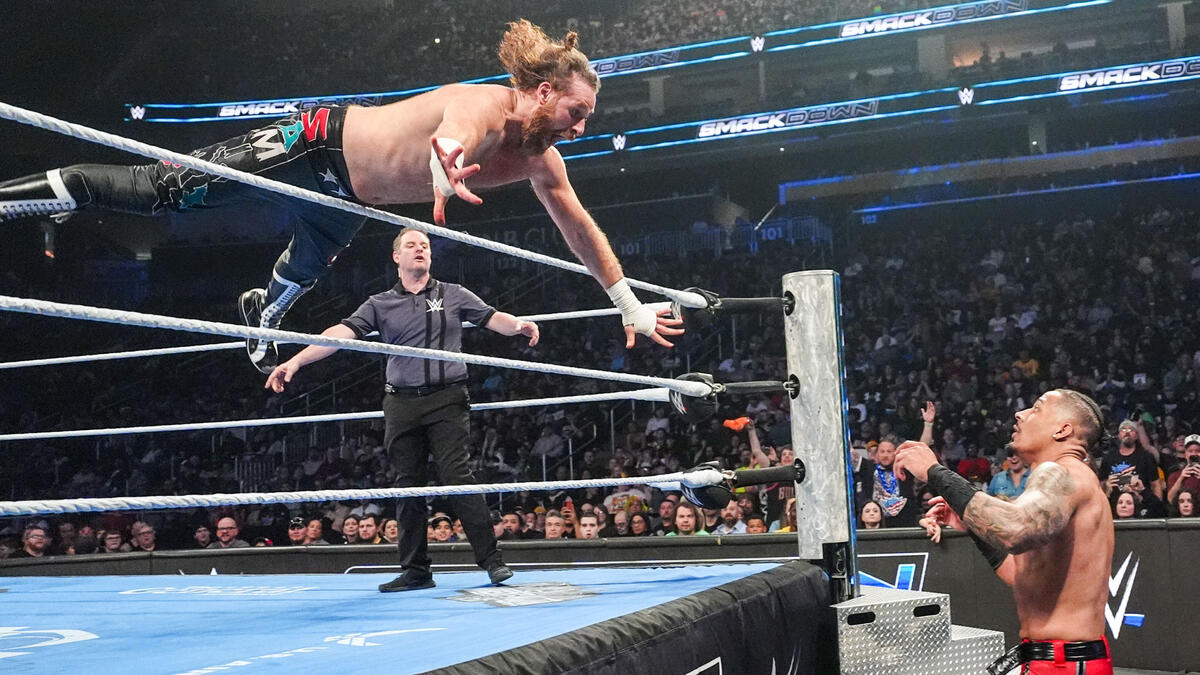
The transition toward younger talent should ostensibly improve the speed of the matches. Yet, the evidence suggests a decline in narrative consistency. At recent PLEs, the reliance on high-impact, high-risk maneuvers has overshadowed coherent storytelling. Matches now occasionally feel like rehearsals rather than lived-in struggles. The absence of performers who know when to sell a specific limb and when to transition to a comeback sequence is glaring.
Bella’s critique highlights a management failure to retain mentors within the active roster. Instead of bridging the gap, WWE often forces a hard reset that leaves the mid-card directionless. The 11 days remaining before night one at Allegiant Stadium are supposed to be about final hype and legacy building, yet the discourse remains dominated by these structural inequalities. If fans are to buy into the next generation, they need leaders in the ring to guide them through the 15-minute+ main event marathons that define modern wrestling.
Tactical stagnation
The booking strategy for the current women's division often relies on surface-level tropes rather than athletic progression. We see characters forced into repetitive cycles of "rookie versus veteran" matches that serve no long-term utility for either party. It is a predictable formula that fails to develop a cohesive rhythm over a standard 10-minute exchange. A more sophisticated approach would involve allowing veteran performers to dictate flow and challenge the younger athletes to match their intensity.
My prediction for the coming months is a period of internal friction unless booking teams address these concerns. As WWE moves toward Backlash on May 9, 2026, they must decide if their priority remains the assembly line of fresh faces or the preservation of ring IQ. Disregarding the voices of high-profile veterans like Bella does not just create negative PR; it creates a deficit in the quality of the wrestling itself. If they continue to treat age as a liability rather than an asset, the upcoming summer events will struggle to capture the momentum needed to carry into the World Cup season.