The O2 broadcast proves WWE has a formatting problem
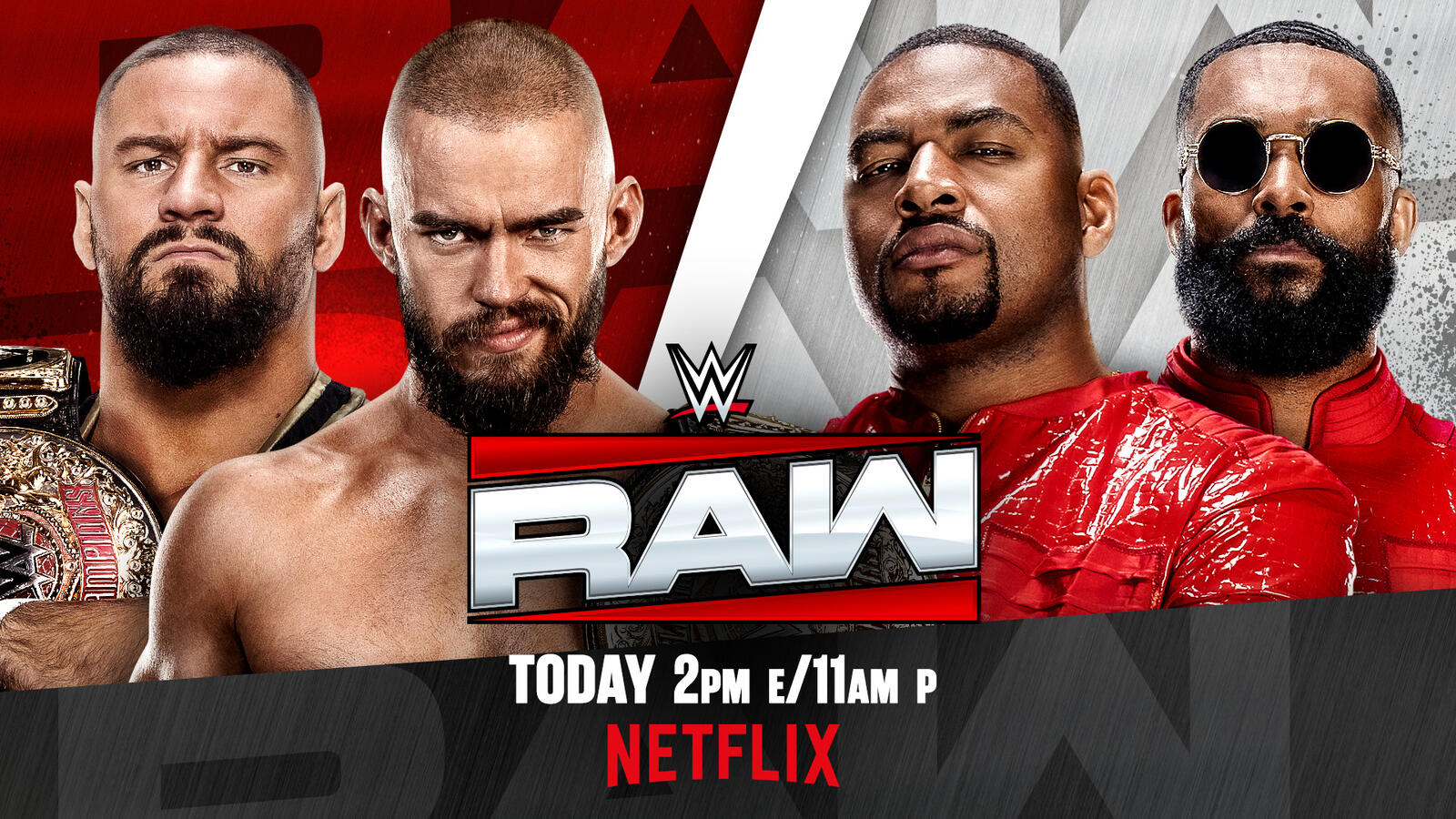
Monday night’s broadcast from The O2 in London, aired via Netflix, highlighted a jarring gap between WWE's high-fidelity production values and their actual storytelling efficiency. While the jump to streaming should theoretically allow for more fluid content, the product remains tethered to the same segmented windows as the cable television era.
We watched the WWE Women’s Tag Team Championship match take center stage last night. Brie Bella and Paige successfully defended their titles against the pairing of Bayley and Lyra Valkyria. While the technical execution of the finish was competent, the build felt hollow. It functioned as a placeholder rather than a narrative peak.
Missing the mark on match pacing
Analyzing the flow of the London episode, the transition into the title match felt premature. Following the high-paced interaction earlier in the night, the match clocks in at a modest duration that lacked the necessary room for actual ring psychology to breathe. When you force a championship bout into a pre-commercial slot, the impact of a near-fall is mitigated by the viewer’s anticipation of the inevitable ad break.
The reliance on established stars like Brie Bella and Paige keeps the floor high, but it stunts the elevation of performers like Lyra Valkyria. If the goal of a weekly flagship show is to build the next generation of main-event talent, utilizing them as foils for legends who have limited active windows is a tactical error.
Netflix does not fix bad booking
There is a dangerous assumption circulating that moving to Netflix automatically improves the underlying quality of the scripts. The shift in delivery medium is irrelevant if the booking patterns remain stagnant. Last night proved that unless WWE changes how it distributes time across the two-hour block, the platform is just a cleaner picture of the same structural fatigue.
The London crowd was vocal as always, but they were forced to carry the energy for segments that were functionally identical to episodes taped in smaller domestic markets. If WWE intends to fully capitalize on their international expansion, they need to treat these broadcasts as distinct events rather than glorified house shows with better lighting. The lack of stakes in the undercard results in a flat product that fails to drive subscription retention.
My take? Without a shift to more meaningful mid-card feuds, the Netflix experiment will face a churn problem by the end of the year. Matches like the Women's Tag Championship need to be the end of a cohesive arc, not a filler segment in an international tour.