The NJPW promotion strategy faltered last year
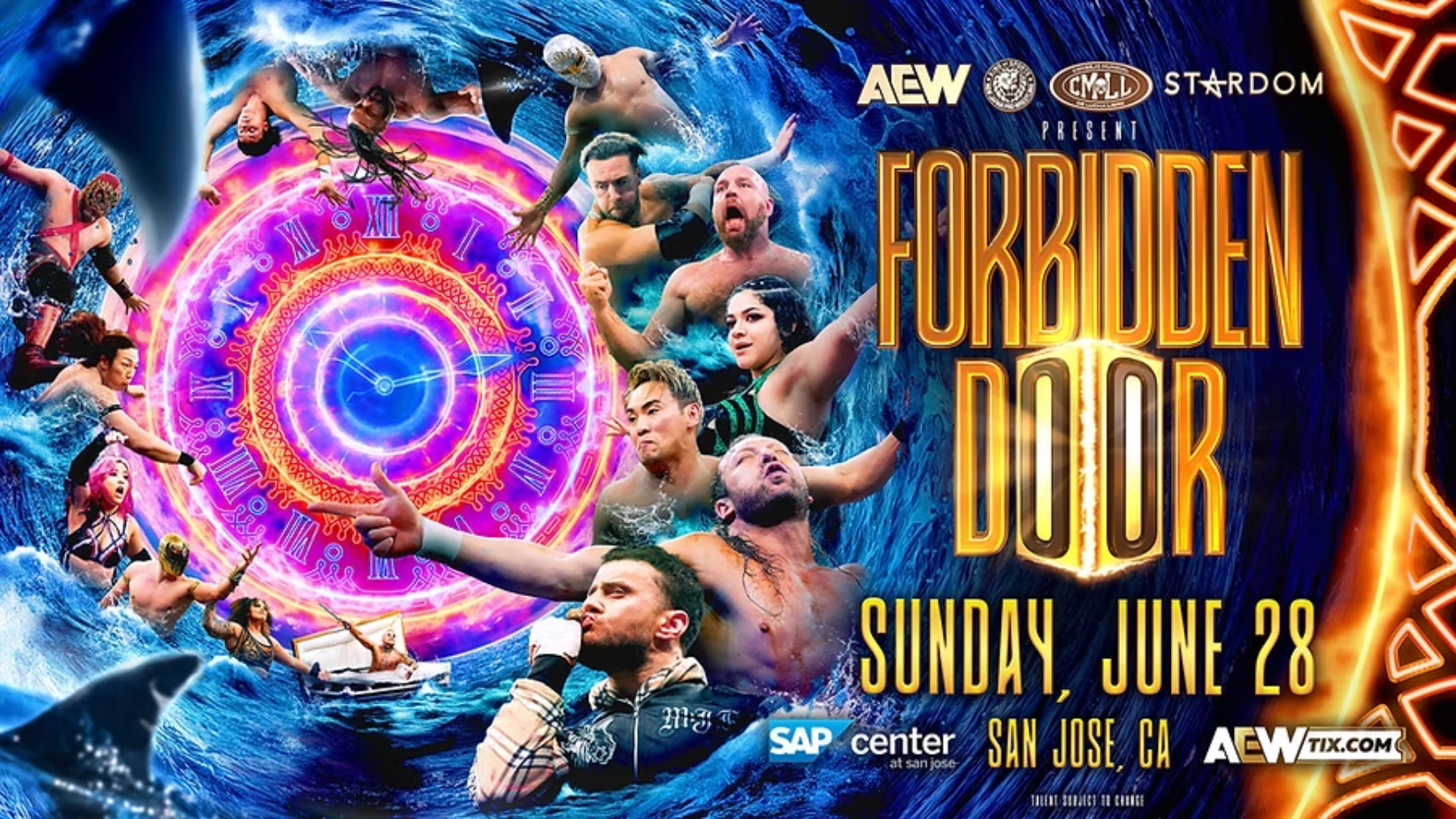
As the buildup to this weekend's crossover event intensifies, the primary tension isn't just between the wrestlers in the ring. New Japan Pro-Wrestling has entered this cycle with a specific chip on its shoulder regarding their secondary belts. The recent comments from Shota Umino regarding how the IWGP Global Heavyweight title is perceived on American soil highlight a growing friction.
Umino holds a legitimate gripe. When a belt acts as a secondary prop in a cross-promotional showcase rather than a focal point of the story, its value drops. As reported by Wrestling Inc, the perception of NJPW titles within the AEW bubble remains a point of contention for those traveling across the Pacific to compete. If the Global title is merely a decorative accessory to fill out a pay-per-view card, the brand's reach in the West shrinks.
The tag team division remains the litmus test
The IWGP tag team champions have issued an open challenge, yet the booking feels reactive rather than proactive. This is where the production gaps noted in recent wrestling broadcasts become apparent. When you throw together top-tier talent without a coherent narrative thread, the match quality might peak, but the investment remains shallow.
We have seen the IWGP Global champion respond to challenges with characteristic bravado, yet the lack of a defined antagonist makes the transition to the main stage clunky. A belt requires a story to carry it through the gate. Without one, these matches risk becoming high-workrate exhibitions that vanish from memory by the following Monday.
Junior heavyweights are the necessary spark
While the heavyweights posturing feels scripted, the junior division is actually delivering substance. The confirmation of the IWGP Junior Heavyweight title challenge provides the pacing that these sprawling cards typically lack. YOH and Francesco Akira bring a speed differential that forces the audience to pay attention.
My skepticism persists regarding the main event's ability to provide a satisfying conclusion. These cards are prone to bloat, often ending matches with a 30-minute time limit draw that nobody asked for. If the producers insist on leaning into these time-filler finishes, the audience will eventually stop caring about the stakes involved.
The final prediction
Expect Umino to retain his championship, but look for a botched interference spot or a interference-heavy finish that feels tired by the 18th minute. It is a win, but it will be a messy one that does little to elevate the stature of the gold. The match ends with a 22-minute total duration, leaving the crowd split on whether the belt was actually defended in good faith. If I am wrong, it is because Umino realizes that technical wrestling moves matter less than making the AEW crowd respect the NJPW history attached to his waist.