The mathematics of a 51-day revenue hole
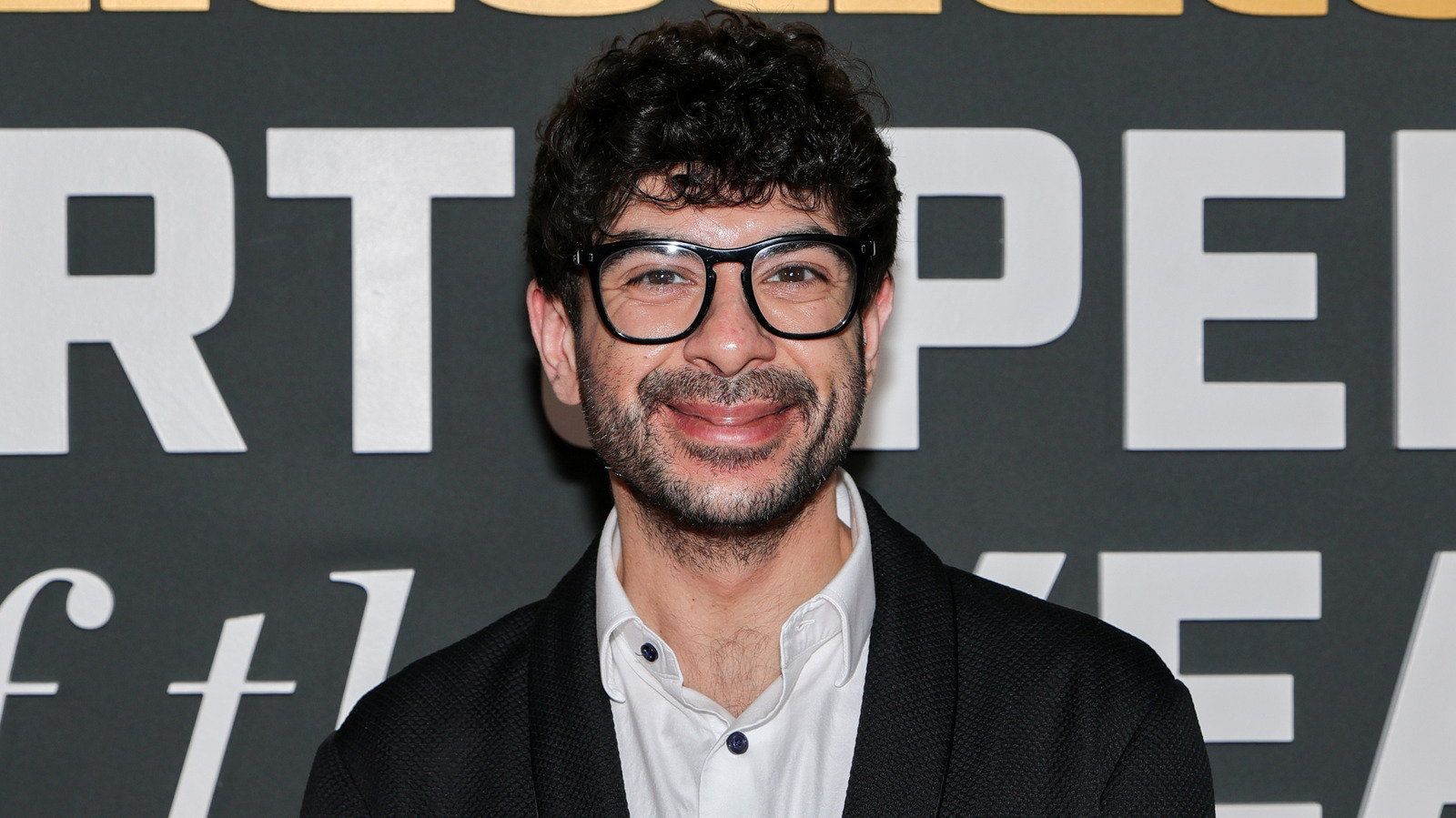
Tony Khan is staring at a 51-day hole in his booking calendar. Between late June's Forbidden Door window and late August's stadium spectacle at All In, All Elite Wrestling traditionally goes quiet on the pay-per-view front. Today, that summer break represents a multi-million dollar leak that management is finally trying to plug.
If an average non-flagship AEW event draws roughly 110,000 global purchases, skipping July means leaving serious capital on the table. Assuming a standard split between traditional cable distributors and digital platforms, 110,000 buys translates to roughly $2.6 million in net television revenue. You cannot run a growing television property while intentionally passing on seven-figure paydays.
As Ringside News reported this week, a new summer show titled AEW Redemption is in the works. The heavy frontrunner to host the July event is the Bell Centre in Montreal. The company quietly filed a trademark for the "Redemption" name on April 13, confirming the expansion strategy is already in motion.
This represents a radical shift from the original business model. AEW initially conditioned its fanbase to pay premium prices four times a year. Now, they are pushing the schedule to nine or ten annual shows. The aggregate revenue goes up, but the per-show average is mathematically guaranteed to slip as audience elasticity stretches.
The 21,000-seat stress test
Selecting Montreal as the host city is an aggressive statement of intent. The Bell Centre boasts a wrestling capacity of roughly 21,288, making it one of the largest and most intimidating indoor venues in North America. It is a building that requires a massive main event to avoid looking empty on hard-cam.
The historical benchmarks are daunting. When WWE ran Elimination Chamber in Montreal in early 2023, they drew an announced 17,271 fans. That show was built entirely around Sami Zayn, a native son riding the absolute peak of a generational storyline, while AEW currently lacks a hometown hero of that singular caliber.
This booking reflects a necessary pivot in AEW's Canadian touring strategy. Their initial runs across the border were a tale of two extremes, starting with Toronto generating a massive $1.1 million gate for Forbidden Door. The secondary markets were brutally unforgiving, with television tapings in Regina, Saskatoon, and Hamilton struggling to move 3,000 paid tickets.
Returning to an A-tier global city like Montreal corrects that geographical mistake. Yet, securing the Bell Centre is an expensive proposition due to premium rent, union labor, and specialized production costs. The operational break-even point likely sits around $450,000, meaning they need to sell at least 6,500 tickets just to cover the room.
There is also the currency friction to consider. The Canadian dollar currently sits at roughly $0.73 USD. While the box office numbers look massive locally, the conversion back to American dollars shaves off a massive percentage of the gross, eating directly into the bottom line.
The counterintuitive trap of a Quebec summer
Here is the critical data point that internal analytics might be missing. July is arguably the worst possible month to run a major indoor arena show in Montreal. The timing creates massive friction for casual ticket buyers.
The final two weeks of July trigger the annual construction holiday in Quebec. Hundreds of thousands of residents leave the city entirely for vacations. For those who stay, the downtown core is swallowed by outdoor festival season, diverting the discretionary spending of the local population.
You are asking fans to pay $80 or more to sit inside a dark hockey arena when the entire city is partying outside. That is a brutal conversion funnel. If management expects a rapid 10,000-ticket first day based strictly on the city's population density, they are misreading the seasonal market dynamics.
This friction is compounded by the pacing of the current wrestling calendar. Coming out of Dynasty on March 30 in Kansas City, the roster is already building toward Double or Nothing on May 24. Adding a July date means forcing fans to purchase three pay-per-views in roughly sixteen weeks.
Defending the $450 annual tax
If the live gate softens due to the summer timing, the television buys must carry the profit margin. This brings us back to the total cost of being an engaged AEW fan. The current model pushes the annual expense for a domestic viewer past the $450 mark.
Compare this directly with their primary competitor. WWE moved away from the traditional model a decade ago, bundling their premium live events into a flat streaming subscription. AEW is still relying on the $49.99 a la carte price point, utilizing a high-margin, low-volume strategy that requires constant main event delivery.
Historically, we have seen exactly how this plays out. In the late 2000s, WWE expanded their calendar to 14 yearly shows, causing buyrates for transitional events to crater below 90,000 global buys. Fans simply began skipping the filler. AEW is betting that their demographic is wealthier, older, and more resistant to price fatigue.
The numbers show a subtle warning. While the original core shows once reliably cleared 135,000 buys, the introduction of newer events has pulled the median average down. The aggregate volume is up, validating the expansion, but the individual impact of each broadcast is heavily diluted.
Defining a realistic victory condition
What does a successful debut for AEW Redemption actually look like? It is definitely not a sold-out building, and it is not a record-breaking television number. Victory here is a boring, predictable spreadsheet.
If Tony Khan can move 7,500 tickets in Montreal and clear 105,000 buys domestically, the July expansion is wildly profitable. A performance at that level justifies the logistical headache without requiring a historic, multi-year storyline peak to sell it. It establishes a new, reliable floor for the summer quarter.
This is the maturation phase of the promotion's business model. They are no longer a startup relying on anomalous, explosive growth metrics. They are a mature touring property trying to maximize the average revenue per user. The math dictates that running nine good shows is more profitable than running four perfect ones.
- The baseline gate requirement: $600,000 minimum.
- The television buyrate floor: 100,000 purchases.
- The strategic goal: Bridging the booking gap to Wembley Stadium.
The booking logic leading into late summer is sound, but the financial mechanics are precarious. The Montreal crowd is famous for its hostility. If the card feels like skippable filler designed solely to hit a quarterly revenue target, that building will hijack the broadcast by the second match.
AEW is walking into a trap of their own design by booking a massive hockey arena during a historically slow month. It just happens to be a trap with a very high profit margin. As the company pivots from special attractions to volume-based revenue, Redemption will prove exactly how much goodwill the audience is willing to finance.