
Mike Santana is the anchor TNA needs for its next act
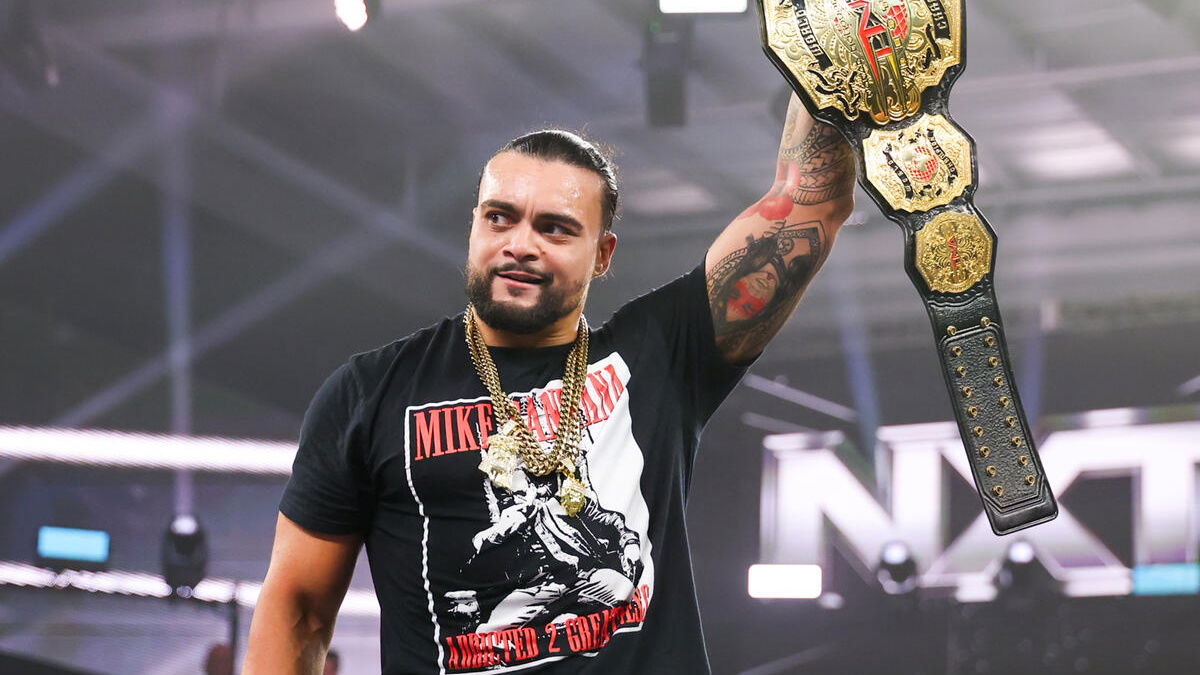
The weight of the TNA heavyweight belt
Professional wrestling narratives often collapse under the burden of expectation. When a promotion crowns a new face, the transition usually feels forced or premature. Mike Santana, currently in his second reign as TNA Wrestling World Champion, offers a different look. He is not merely a titleholder; he is a functioning tactical center for the brand's main event scene.
Being trusted to represent the company in all aspects implies a level of meta-booking that extends beyond wins and losses. Santana functions as the stylistic glue holding the TNA main event category together. His technical output provides a baseline that allows for higher variance in opponents, from power-heavy brawlers to high-flying technicians.
The stylistic evolution of the roster
Cedric Alexander’s recent comments provided a clear window into how the industry views this talent exchange. By highlighting emerging stars like Je’Von Evans, Leon Slater, and Jason Hotch, Alexander identifies the next wave of performers who mirror Santana’s work rate. The common denominator among these names is an obsession with positioning and kinetic energy.
We see this in the way the mid-card has tightened up over the last quarter. Evans utilizes a frantic pace that forces opponents to rely on instincts rather than scripted sequences, a tactical choice that often exposes poor spacing in less experienced performers. Slater and Hotch, meanwhile, have shown a proficiency for resetting the pace mid-match. It creates a high-output environment that demands more from the champion at the top of the card.
The shadow of AJ Styles
The symbolic power of AJ Styles potentially passing the torch represents an unresolved historical tension within the company. Styles is the blueprint for the TNA main event archetype — an agile, explosive performer who relies on a 85% success rate on high-impact strikes to finish bouts. Santana is essentially attempting to modernize that template.
However, the execution hasn't been without its flaws. The reliance on legacy nostalgia to build current champions can stifle organic growth. If the audience is conditioned to look back at the glory days of the X-Division or the early Spike TV era, they become less patient with the current product's slower, more methodical storytelling. The creative team has made a questionable decision in leaning so heavily on nostalgia beats when the current roster’s chemistry clearly stands on its own merits.
Analyzing the championship cadence
Santana’s second reign is a test of consistency. In modern booking, a champion is only as effective as the variety of their defenses. If the match structure remains locked in a loop of high-spot exchanges without escalating the psychological stakes, the crowd interest will inevitably wane prior to the 15-minute mark.
We have seen recent championship bouts where the recovery time between spots has been too short to allow for meaningful crowd engagement. Efficient wrestling isn't just about the move count; it is about the silence between the moves. Santana’s ability to manipulate that silence will determine whether he can bridge the gap between being a respected champion and becoming a genuine box-office draw.
Looking toward the next quarter
With WrestleMania 41 looming on April 19 and 20, the entire wrestling industry will shift its focus to the market leaders. TNA’s ability to survive that vacuum depends on Santana’s output. He possesses the authority to command the ring, but he now requires booking that challenges his tactical range.
If TNA continues to prioritize the same-old-same-old sequences, they risk alienating the audience that Alexander and others are trying to cultivate. A move towards more distinct character-driven psychology—rather than just work-rate exhibitionism—is non-negotiable. The blueprint is there, but the application remains a work in progress as we approach the summer period.
Read Next
WWE Elite Collection Roman Reigns Top Picks 2026 Action Figure
A highly articulated 'Original Tribal Chief' figure complete with the Ula Fala.
Frequently Asked Questions
What role does Mike Santana play in the current TNA main event scene?
Who are some of the emerging TNA stars with high work rates?
How is Mike Santana modernizing the TNA main event archetype?
Why does the author caution against using nostalgia in TNA booking?
What is the primary challenge for Mike Santana's second title reign?
More Coverage
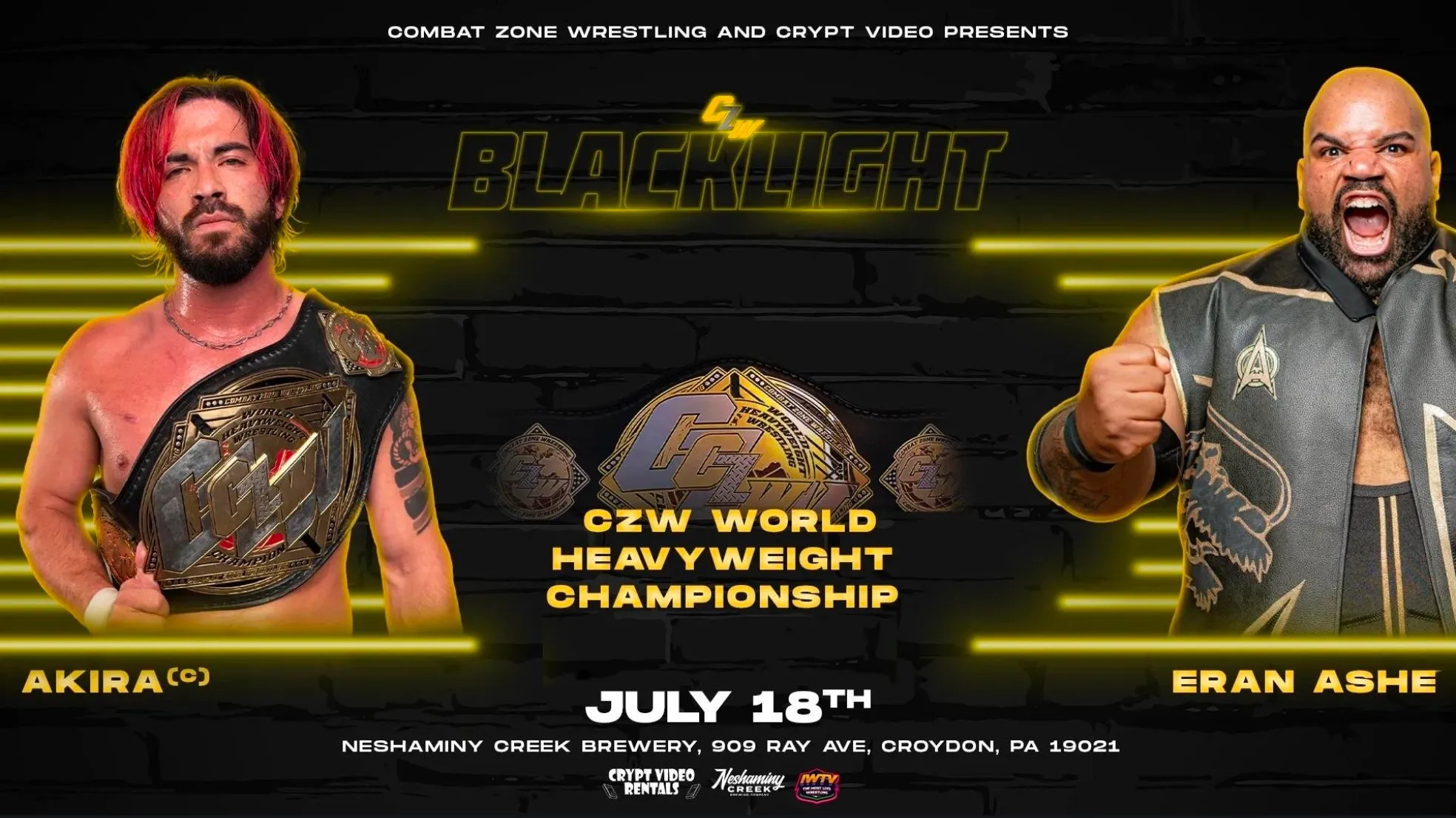
CZW is missing the mark in the post-deathmatch landscape
2 hours ago
Nick Aldis spills the tea on his TNA era and the fans are dragging everyone
4 hours ago
NXT Championship volatility reaches a boiling point
4 hours agoAEW needs more than just Ospreay to fix the Collision slide
4 hours ago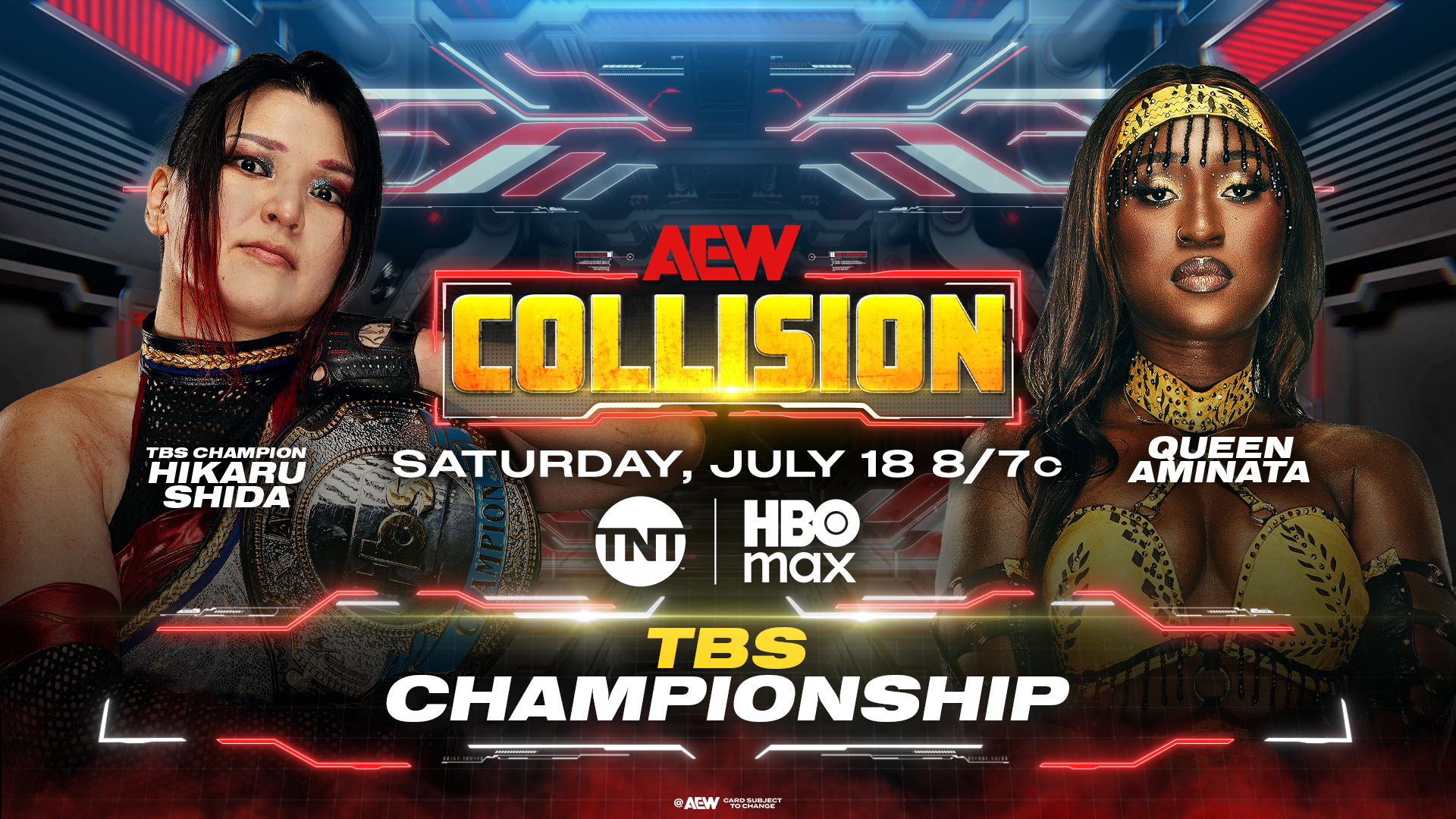
AEW needs more than just Ospreay to fix the Collision slide
4 hours ago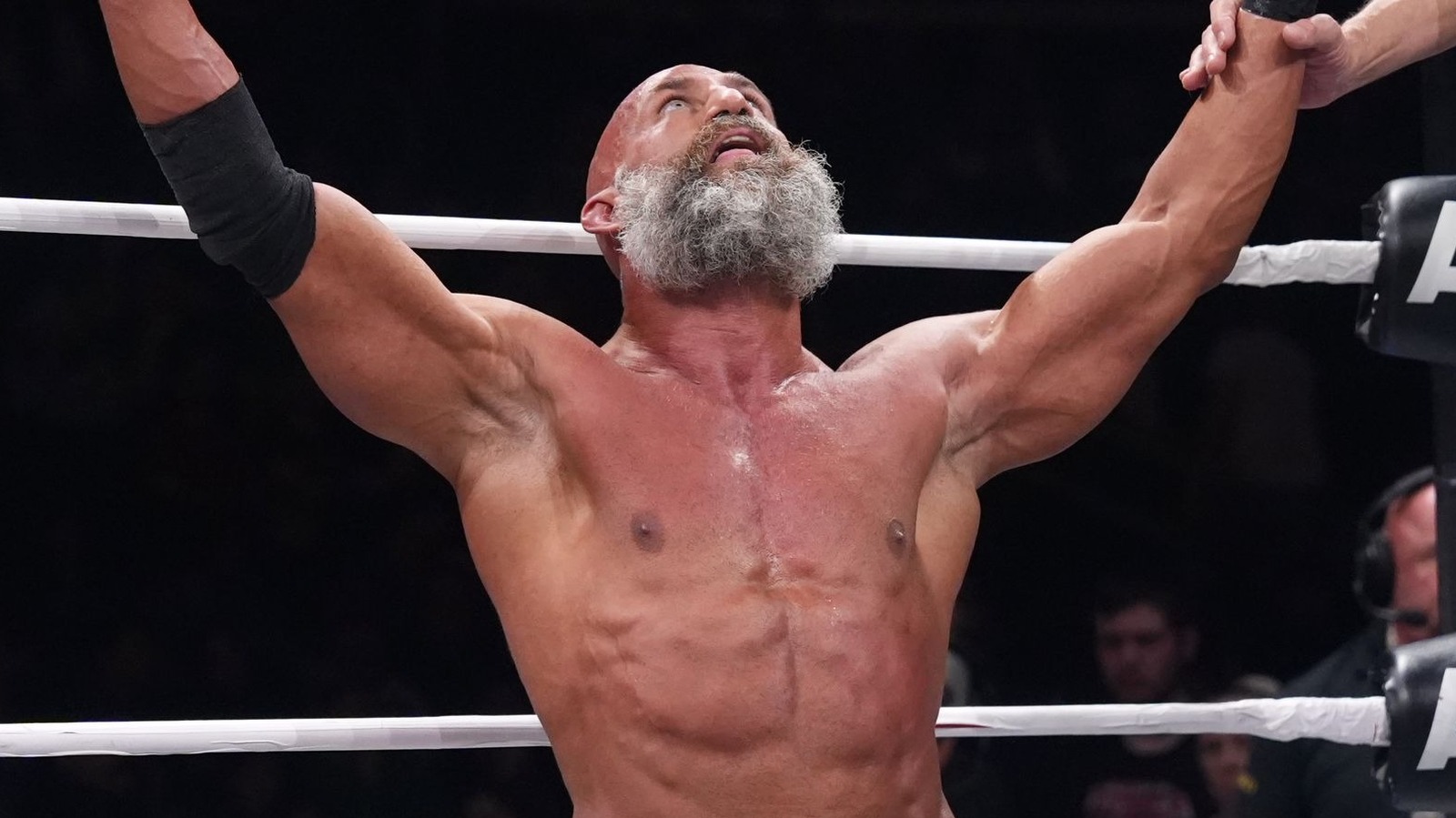
Ciampa and Jericho turn up the heat in the wrong direction
4 hours agoMore Analysis
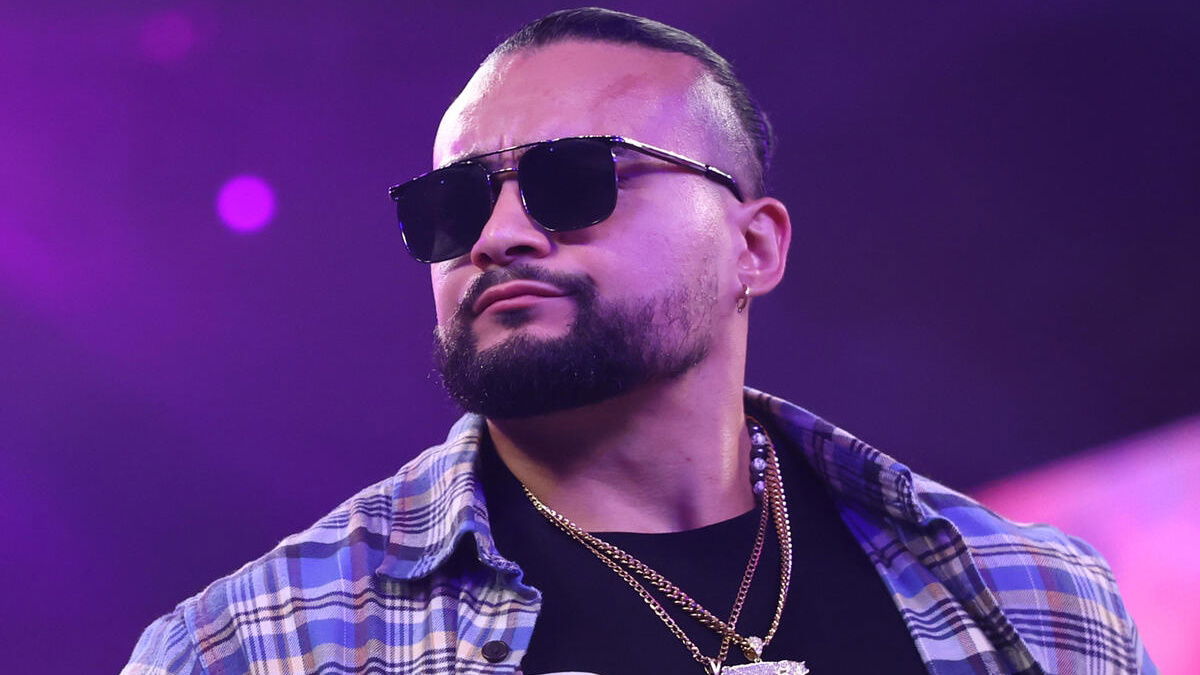
Mike Santana’s TNA exit gamble is paying dividends
3 months, 2 weeks agoMike Santana is the wild card for this weekend's TNA return
4 days, 3 hours ago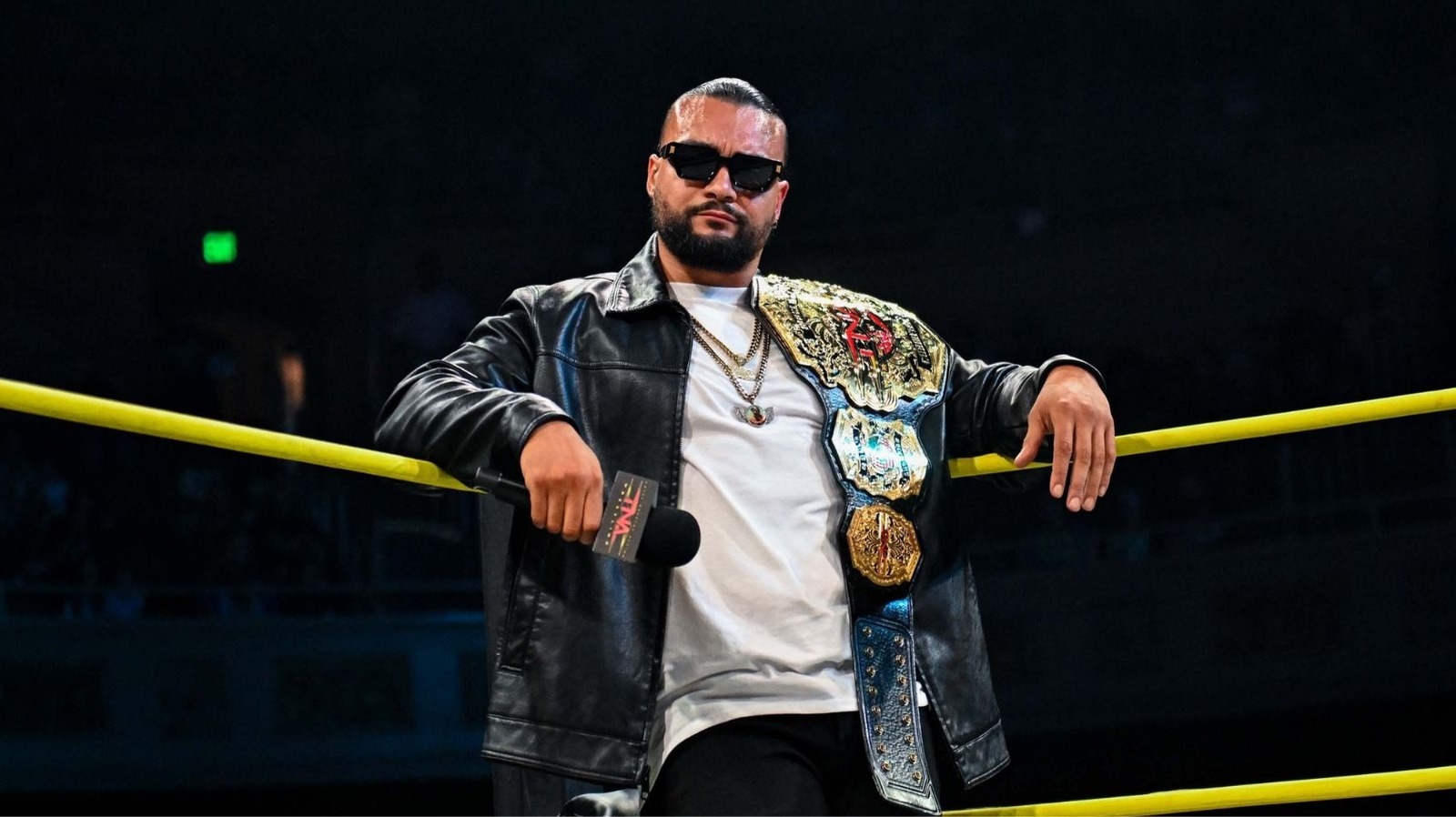
Mike Santana to WWE makes more sense than you think
1 month, 2 weeks ago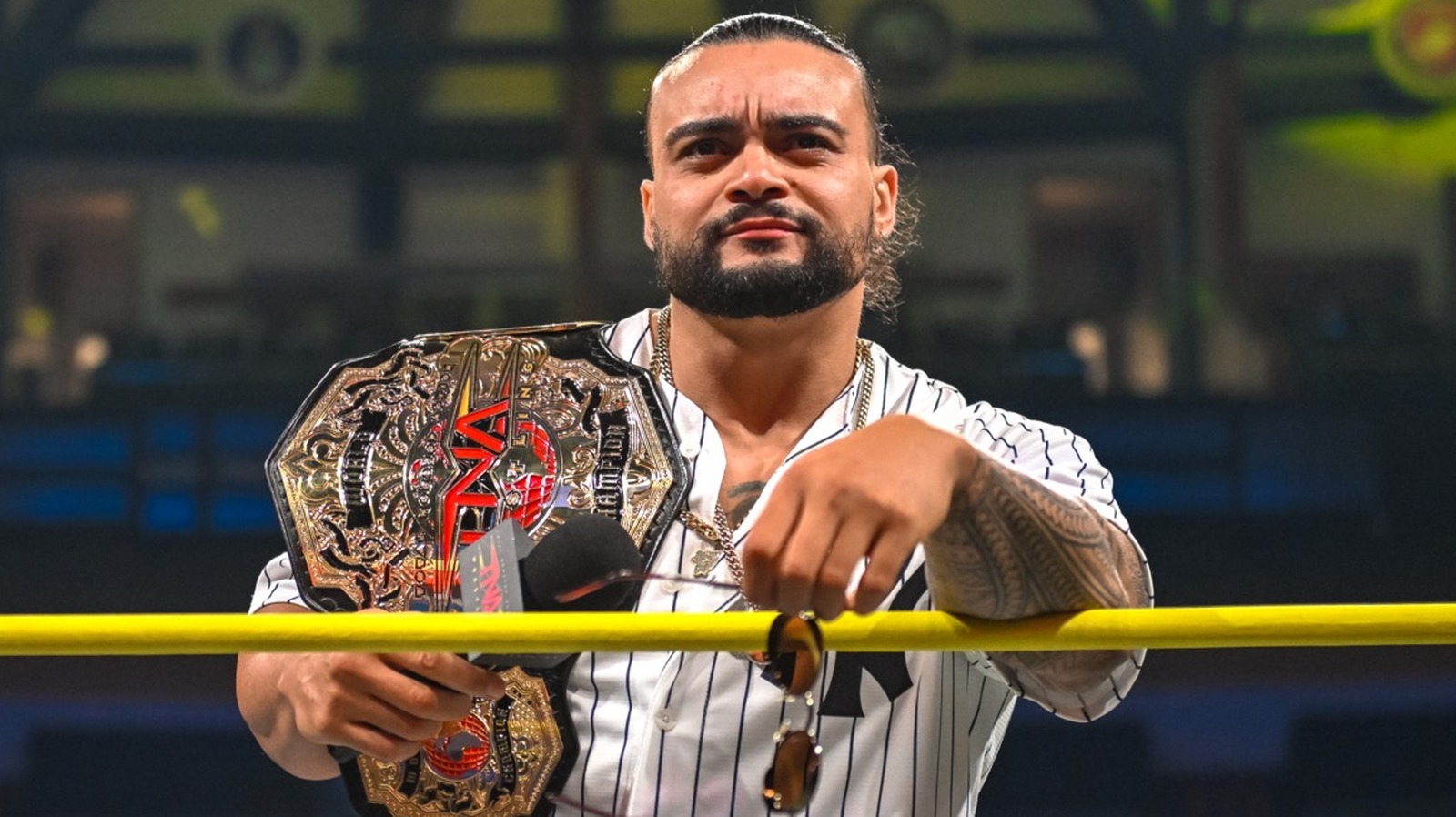
Mike Santana holds onto TNA gold in chaotic clash with Rich Swann
2 months, 3 weeks agoTNA is actually cooking and it is making me deeply uncomfortable
3 months, 3 weeks ago