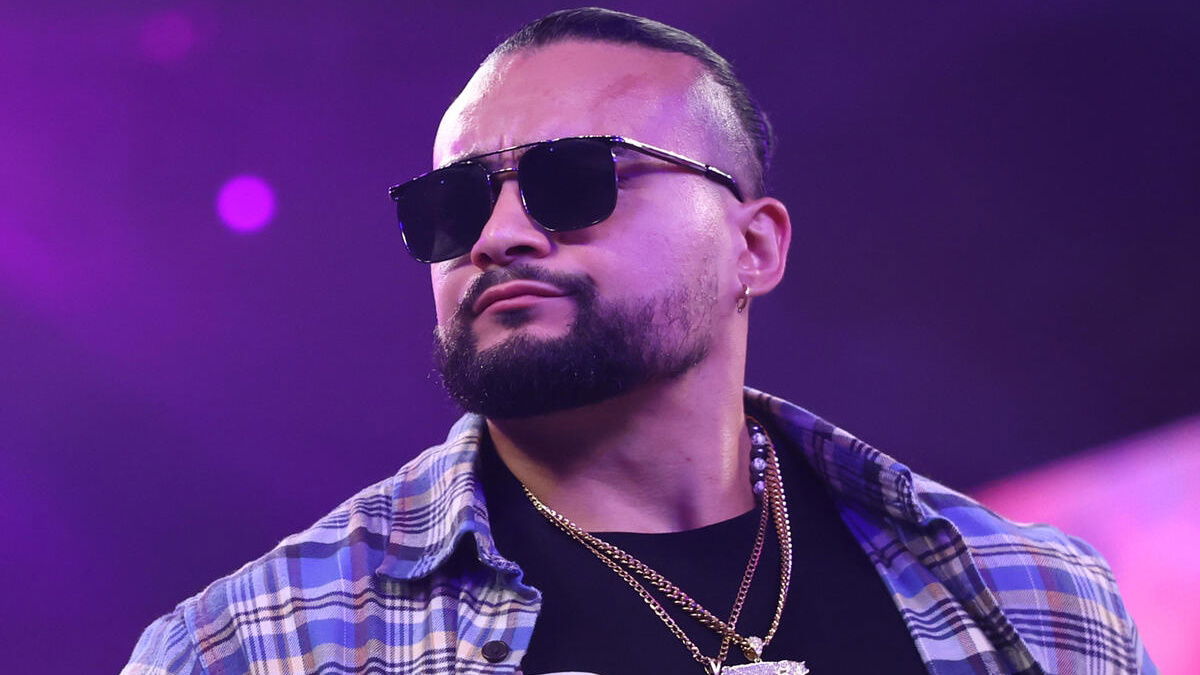
Mike Santana to WWE makes more sense than you think
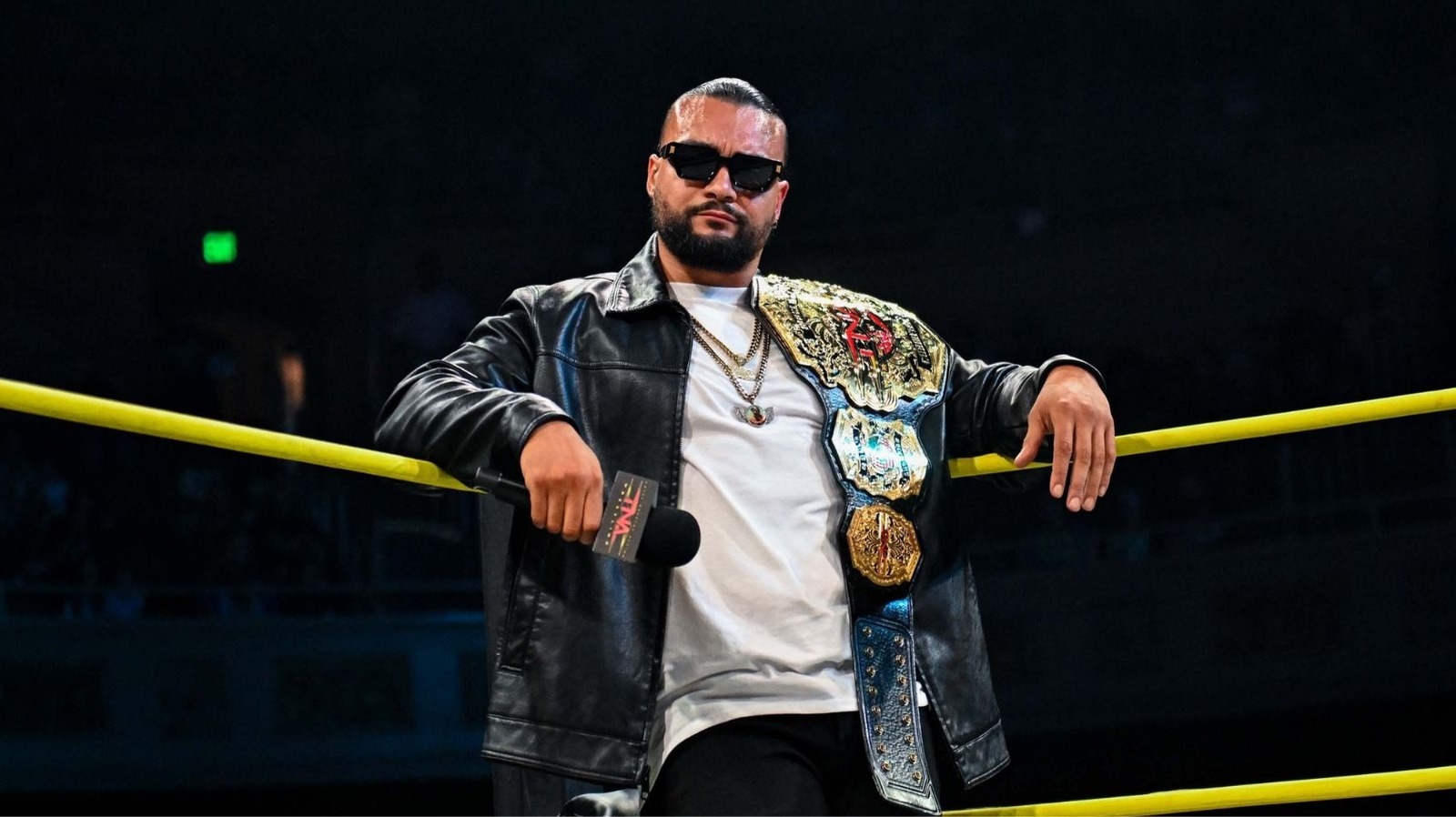
The opportunistic pursuit of Mike Santana
The murmurs surrounding Mike Santana’s potential leap from TNA to the WWE machine have shifted from backstage gossip to a tangible industrial calculation. With a championship pedigree currently held firmly in TNA, the question isn't whether Santana has the technical utility to survive in a locker room with higher-priced talent, but whether his specific style of working fits the current promotion's aggressive roster expansion.
History teaches us that high-level signings from outside the Triple H-era recruitment bubble often require a recalibration of aggression. Santana’s current work rate leans heavily on a crisp, street-fighting physicality. Watching his recent TNA tapes, you see a worker who prioritizes snap-moves and stiff strikes over the long-form dramatic pacing favored in the top-tier televised programs today.
Tactical clashes in the mid-card
If the move materializes, the primary bottleneck will be the spacing. WWE television currently prioritizes a different kind of transition flow, often slowing down after high-impact sequences to allow for crowd interaction. When Santana accelerates his sequences, he risks losing the rhythm of the match to the standard camera-cut frequency used for broadcast.
We have seen various iterations of street-brawler archetypes attempt to integrate into this promotion. Most fail because they try to abandon their roots. Successful additions, conversely, adjust their target selection. Santana succeeds when he focuses on the mid-section and neck-work; he needs to ensure that his clinical efficiency isn't lost in a sea of unnecessary transition spots.
The risk of being the third choice
The recruitment team's interest, as recently reported, suggests they are hunting for depth that can provide an immediate boost to their secondary titles. This is a gamble. Bringing in an established champion from a rival promotion puts an immediate target on your back. If the booking team doesn't provide a significant win within the first 30 days, the momentum dissipates entirely.
Consider the recent trajectory of other mid-card acquisitions. Many arrive with fanfare, only to find themselves relegated to low-stakes tag matches or relegated to pre-show segments within their first quarter. For Santana, the path to a 10 percent improvement in his career trajectory requires more than just a contract. It requires a specific creative narrative that highlights why the TNA World Champion would abandon his perch to start as a mid-roster challenger.
The downside is clear: the current roster is already bloated. With high-impact matches being the norm, there is little room for mid-tier talent to flounder. If he fails to generate a connection with the home crowd by his third televised appearance, the project will be scrapped quietly—perhaps to the detriment of his overall career velocity. This is not just a signing; it is a direct test of whether a TNA headliner can actually translate his equity to a larger stage.
Funko POP WWE: The American Nightmare - Cody Rhodes
Bring the 'American Nightmare' straight to your desk and finish your own story!
Frequently Asked Questions
Why is WWE interested in signing Mike Santana?
What tactical challenges would Santana face in WWE?
How could Santana successfully adjust his wrestling style?
What is the primary risk for TNA stars moving to WWE?
What factors determine if a WWE signing is considered successful?
More Coverage

Bayley finds herself at a career-defining crossroads
29 minutes ago
Dustin Rhodes is waiting for his final act
31 minutes agoWWE’s SummerSlam kickoff hype is drowning in a sea of corporate polish
2 hours agoOn This Day in Wrestling: July 20
3 hours ago
John Cena’s final act is becoming a masterclass in nostalgia
4 hours ago
Is Tommaso Ciampa eyeing an AEW jump after the Jericho feud?
4 hours agoMore Analysis
Mike Santana: Why a WWE move is the perfect storm for his career
1 week, 4 days ago
Mike Santana to WWE is the chess move the main roster needs
1 month, 2 weeks ago
WWE eyes TNA standout Mike Santana ahead of summer contract expiry
3 months, 1 week agoMike Santana to WWE is the mid-card upgrade we didn't know we needed
3 months, 1 week ago
Mike Santana’s free agency is the most intriguing story in wrestling
1 week, 3 days ago