The Biomechanical Reality of the Title Change
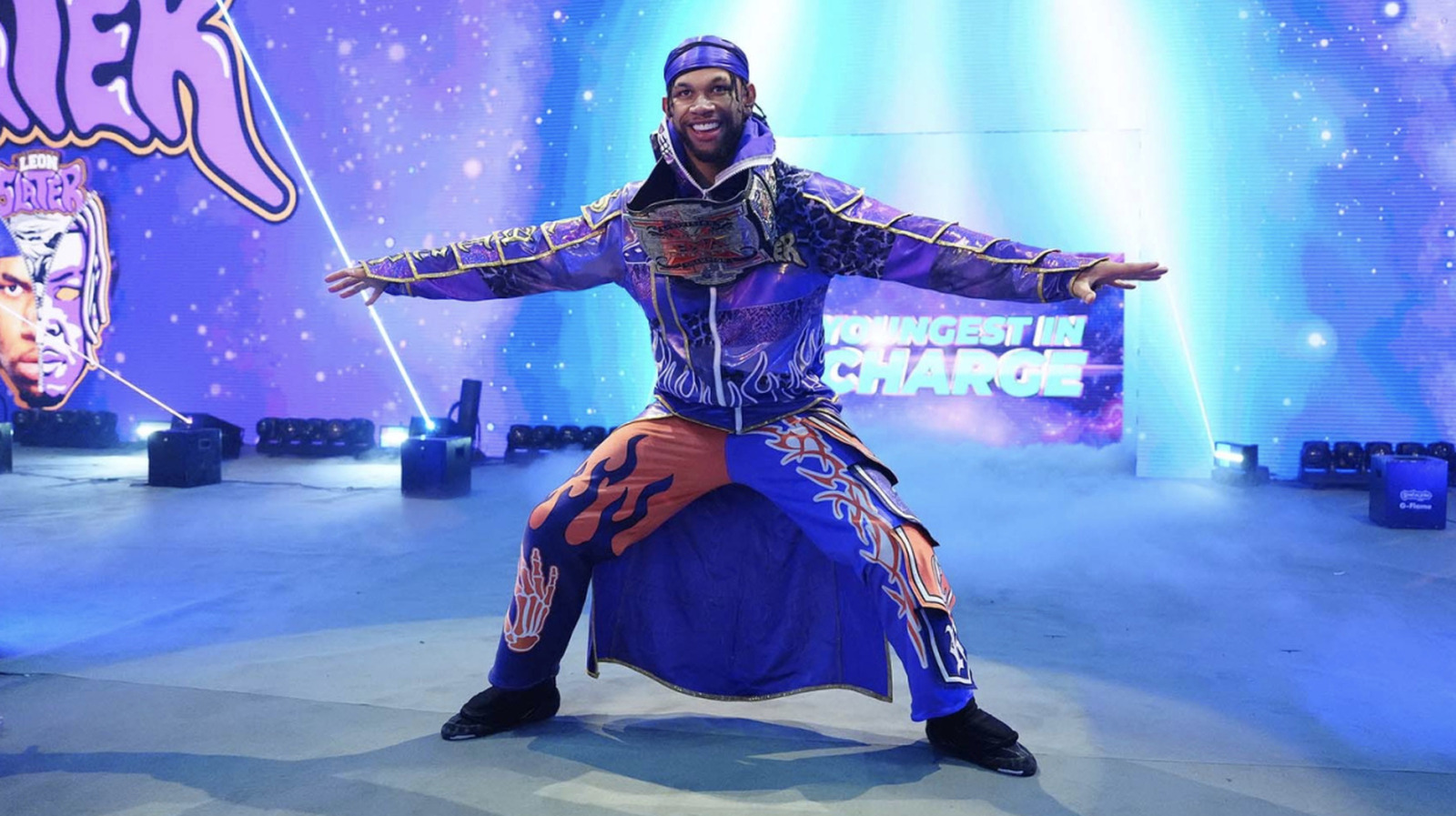
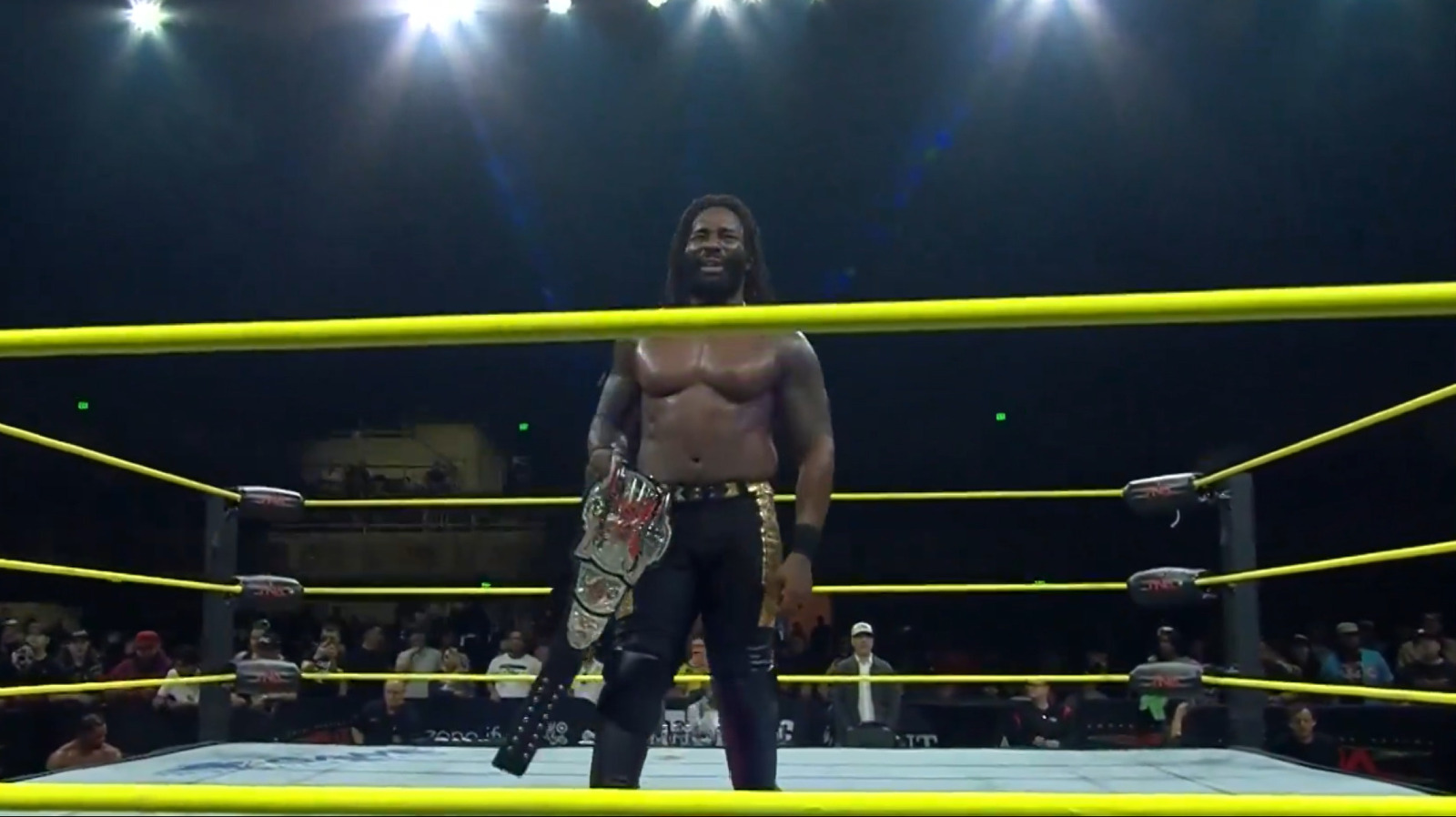
Cedric Alexander is the new TNA X-Division Champion. He ended Leon Slater’s title reign in the main event of Impact. The title officially changed hands. But the actual story is the physical destruction left inside the ring.
The medical toll of this matchup demands a closer look. The X-Division is a physiological meat grinder. It always has been. From the early days of AJ Styles to the modern era of Mike Bailey and Leon Slater, the division demands a style that actively defies human biology.
We are talking about repeated, unmitigated impact on the patellar tendons. We are talking about chronic spinal compression. We are talking about central nervous system burnout. Slater’s title reign is over. His physical recovery is just beginning.
The Physics of Cedric Alexander's Offense
Alexander didn't just defeat the champion. He grounded him. Alexander’s offense relies on explosive, high-impact strikes and drops that target the lumbar spine. His signature maneuver, the Lumbar Check, is a catastrophic event for the lower back.
Alexander hoists an opponent and drops them directly onto his double knees. The force does not disperse. It concentrates entirely on the L4 and L5 vertebrae. The human spine is simply not designed to absorb a 180-pound freefall onto twin fulcrums.
The resulting rapid hyper-extension causes immediate micro-trauma. The erector spinae muscles tear. The intervertebral discs compress severely. Slater absorbed that damage directly. He took it after weeks of grinding, high-velocity title defenses.
Alexander operates with brutal mechanical efficiency. He is a striker and a suplex specialist. His Michinoku Driver creates severe whiplash forces on the cervical spine. His stiff kicks target the sciatic nerve and the vastus lateralis. He intentionally deadens the legs of his opponents.
Alexander spent nearly eight years in the WWE system. He wrestled on 205 Live, Raw, and SmackDown. That environment is ruthless, but it enforces strict ring positioning. WWE producers demand safety and repeatability. Alexander learned to work a highly structural style.
He avoids unnecessary bumps. He refuses to throw his body with reckless abandon. He saves his cartilage for when it matters. That muscle maturity won him the championship.
The Wear and Tear on Leon Slater
Slater is known as the "Youngest in Charge" for a precise medical reason. His offensive output relies heavily on fast-twitch muscle fiber activation. Every springboard attack requires his gastrocnemius and soleus muscles to generate immense explosive force.
Upon landing, the eccentric load shifts violently. The quadriceps and the patellar tendon take the brunt of the shock. When Slater performs a 450 splash or a twisting senton, the rotational velocity creates shear force on the knee ligaments upon impact.
It is basic physics. A 180-pound athlete rotating rapidly and landing on a canvas ring mat forces the joints to absorb massive shockwaves. These shockwaves travel directly up the kinetic chain. Over a championship reign, this repetition severely degrades the articular cartilage in the knees.
TNA Impact operates on a condensed taping schedule. Wrestlers routinely film multiple matches over a single weekend. This is a nightmare scenario for physical recovery.
The human body requires 48 to 72 hours to properly repair micro-tears in muscle tissue following intense trauma. TNA’s schedule rarely affords that luxury. When you wrestle twice in 24 hours, you step into the ring with elevated creatine kinase levels.
Your muscles are inflamed. Your central nervous system is fatigued. This increases the risk of catastrophic tendon ruptures exponentially. Slater navigated this exact physical gauntlet during his time as champion.
Historical Precedent and TNA's Booking Failures
TNA management needs to recognize the physical reality of their booking. Rushing Slater into an immediate television rematch would be medical malpractice. The company has a terrible habit of hot-shotting rematches for television ratings while ignoring the biological degradation of their talent.
We saw this exact scenario play out years ago. It shortened careers. Look at the pioneers of this division. Chris Sabin required multiple ACL reconstructions. Samoa Joe’s knees were heavily degraded by his early 30s.
AJ Styles had to completely overhaul his biomechanics. He eliminated the Spiral Tap from his arsenal entirely just to extend his career. The X-Division tax is incredibly real, and it is paid entirely in connective tissue.
Slater has the youth and the raw athleticism. Now he needs to develop the veteran pacing that Alexander just weaponized against him. The X-Division championship is a target on your back and a heavy weight on your joints.
The Required Medical Shutdown
While no acute rupture or fracture was reported following the main event, the physiological deficit remains undeniable. Slater is operating at a severe physical deficit. He needs a mandatory medical shutdown.
Phase one of recovery covers the first 72 hours. This period must focus entirely on acute inflammation management. Cryotherapy, hyperbaric oxygen treatments, and active release therapy are mandatory. The medical staff must address the soft tissue damage in the lumbar and cervical regions.
Phase two covers days four through fourteen. This is the restorative hypertrophy window. Slater needs to rebuild the eccentric strength in his lower body. Isometrics, slow-eccentric squats, and targeted core stabilization are required.
He must protect his spine before he even thinks about attempting another springboard. Phase three is the return to ring-specific conditioning. We are looking at a minimum of 21 days before Slater should take a flat-back bump.
The central nervous system needs time to reset. Adrenal fatigue is a massive factor in professional wrestling. You cannot out-train a fried nervous system.
Cedric Alexander just took the weight of the X-Division. He fought a clinical, structurally devastating match. Now we will see exactly how long his veteran spine can carry the load.
The Physical Burden Shifts to Alexander
The physical burden of the X-Division now rests entirely on Cedric Alexander. Winning the title is difficult. Defending it against a rotating cast of high-velocity challengers is a completely different physical test.
Alexander must now prepare for opponents like Mustafa Ali and Mike Bailey. Bailey presents a unique biomechanical threat. His offense is heavily dependent on rapid-fire, martial arts-based kicks. Taking repeated strikes to the lateral aspect of the knee and the rib cage causes deep tissue contusions.
These contusions lead to hematomas if not treated promptly. Alexander’s defensive blocking techniques will be tested constantly. Every time he checks a kick from Bailey, he risks micro-fractures in his radius and ulna.
Mustafa Ali presents a different medical challenge. Ali’s offense combines high-speed technical wrestling with unpredictable aerial angles. To defend against Ali, Alexander must rely heavily on rapid directional changes. This places extreme rotational stress on Alexander's ACL and meniscus.
Alexander’s veteran pacing will be pushed to its absolute limit. He cannot afford to get dragged into a track meet. If he tries to match the cardiovascular output of the younger challengers, his muscle glycogen will deplete rapidly.
Once glycogen stores are empty, the body relies on anaerobic glycolysis, leading to rapid lactic acid accumulation. This is exactly when catastrophic injuries occur. A fatigued wrestler makes a slight miscalculation on a catch, and an opponent's neck is broken.
TNA's Medical Protocols Under the Microscope
TNA's medical team has a critical job ahead. They must monitor Alexander’s joint health meticulously. Weekly baseline concussion testing and creatine kinase blood draws should be mandatory for the reigning X-Division champion.
The company cannot simply tape his joints and send him out there. The X-Division schedule requires a proactive sports science approach. They need to implement force-plate testing to monitor Alexander’s explosive output. A drop in peak force generation is the first sign of impending structural failure.
Alexander proved he has the ring IQ and the mechanical advantage to win the belt. But ring IQ cannot outsmart a torn ligament. The title defense schedule is unrelenting. TNA tapes episodes in massive blocks. Two days of taping can feature three or four high-stakes matches.
The championship comes with a steep price. Alexander just signed the check. His medical chart over the next six months will determine if he can actually afford it.