The Machine is back on the clock
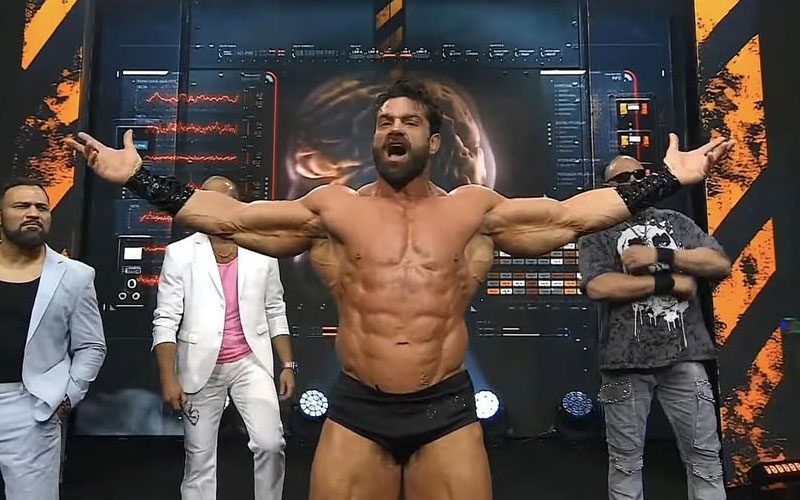
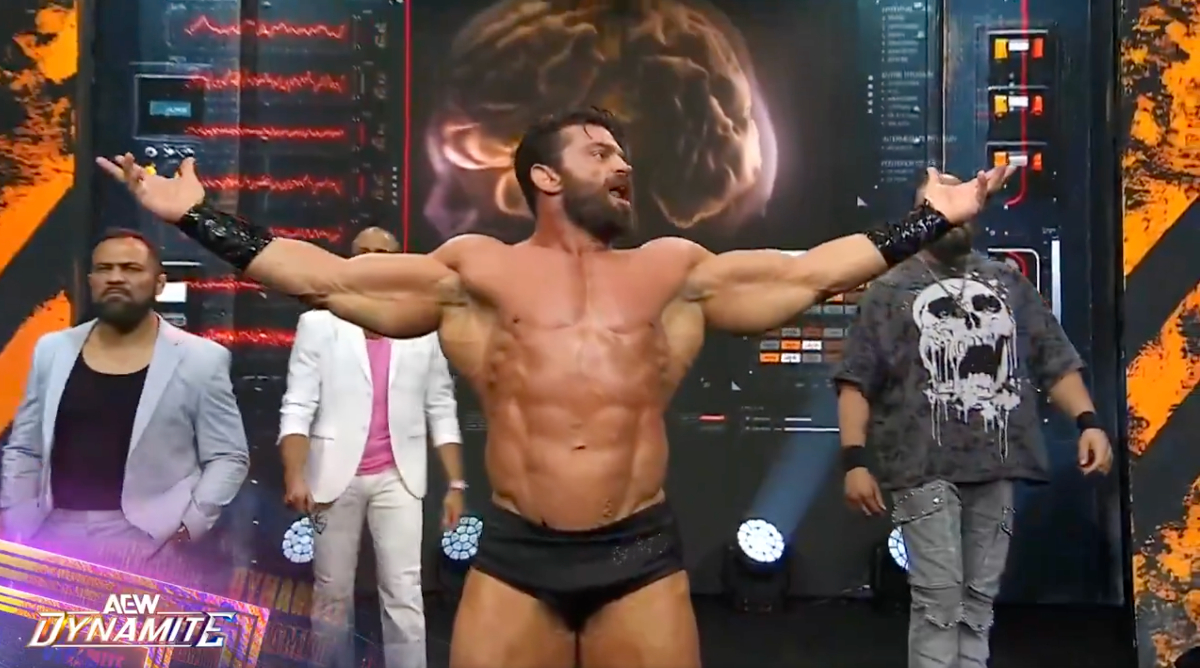
Brian Cage shocked his opponents and the crowd alike on the May 13 episode of AEW Dynamite. After a lengthy absence following a brutal injury, F4WOnline reported that the former FTW Champion made his physical return to the ring. He did not arrive alone, nor did he come to shake hands.
The return sequence saw Cage re-enter the fold with clear intent to re-establish his spot in the upper mid-card. Ringside News confirmed that the rehab process was both lengthy and physically grueling. The timeline for his recovery had been shrouded in uncertainty for months, leaving his status for late spring events up in the air.
The cost of the recovery
Cage’s absence left a noticeable vacancy in the power-wrestler division. While his recovery time spanned several months of inactive duty, the physical toll of his injury was significant. This was not a minor tweak or a precautionary leave; it was a recovery that tested his durability after years of high-impact labor.
Historical context suggests that power-based wrestlers like Cage often face shorter windows for prime performance after major joint or ligament issues. We have seen similar situations play out with other physical giants who returned to the ring only to struggle with their previous intensity. Whether Cage can maintain his signature velocity remains a valid concern for the medical team.
Booking a path through Double or Nothing
The return comes exactly 11 days before the upcoming AEW Double or Nothing 2026 pay-per-view. The timing creates an immediate crunch for the creative team. If the intent is to slot him into a feature match, the ramp-up time is virtually non-existent.
However, the execution on the May 13 broadcast was not without its detractors. Critical reviews of the show highlight a cluttered mid-card that currently struggles to define stakes for performers outside of the main event picture. Adding Cage back into the mix adds talent, but it risks overcrowding unless the story beats are razor-sharp. Watching him return alongside other talent ripples, leading fans to question if there is enough oxygen in the room for everyone.
Strategic implications for the division
The primary concern moving forward is ring rust. A wrestler of Cage's size relies on explosive movements—vertical suplexes and discus lariats—that demand perfect timing. Anything less puts both him and his opponents at risk. His output during the dark matches mentioned in reports will be the true indicator of where his current 85 percent readiness stands for televised high-stakes competition.
We have seen wrestlers return too soon and suffer setbacks within weeks. The medical clearance is just the first hurdle. Managing his load in the first three matches back will determine if he avoids a recurrence of his previous injury. Expect his usage to be carefully managed through the end of June to avoid a repeat of his earlier time off.
If the plan is to push him into a title chase, the promotion must address the stagnant nature of the current mid-card feuds. Simply having the athlete on television is not a substitute for a compelling arc. The upcoming match count will likely be kept low to ensure his long-term health, with a ceiling of 12 official bouts before the company decides on his permanent trajectory.