A Roster at War With Itself
TNA Impact's April 30 broadcast on AMC felt less like a cohesive television show and more like a promotion fighting a bitter war over its own identity. On one side of the curtain, you have a crop of elite athletes pushing the boundaries of modern professional wrestling. On the other side, there is a desperate, clawing reliance on a booking philosophy that was barely sustainable a decade ago.
It is a jarring juxtaposition. You cannot sell a sports-centric, athletic product to a modern audience while simultaneously asking them to believe in teleporting undead brides and supernatural brothers.
The ideological clash was apparent from the opening bell. TNA kicked off Thursday's episode with Jeff Hardy facing off against Vincent of The Righteous. The match itself was exactly what you would expect from the current iteration of Jeff Hardy.
The bumps are slower, the recovery time is longer, and the offense relies heavily on crowd-pleasing nostalgia rather than kinetic energy. Vincent, to his credit, is a capable bumper who understands how to work around a veteran's limitations. He controlled the pace, feeding Hardy for the standard comeback sequence, but the actual wrestling was secondary to the post-match angle.
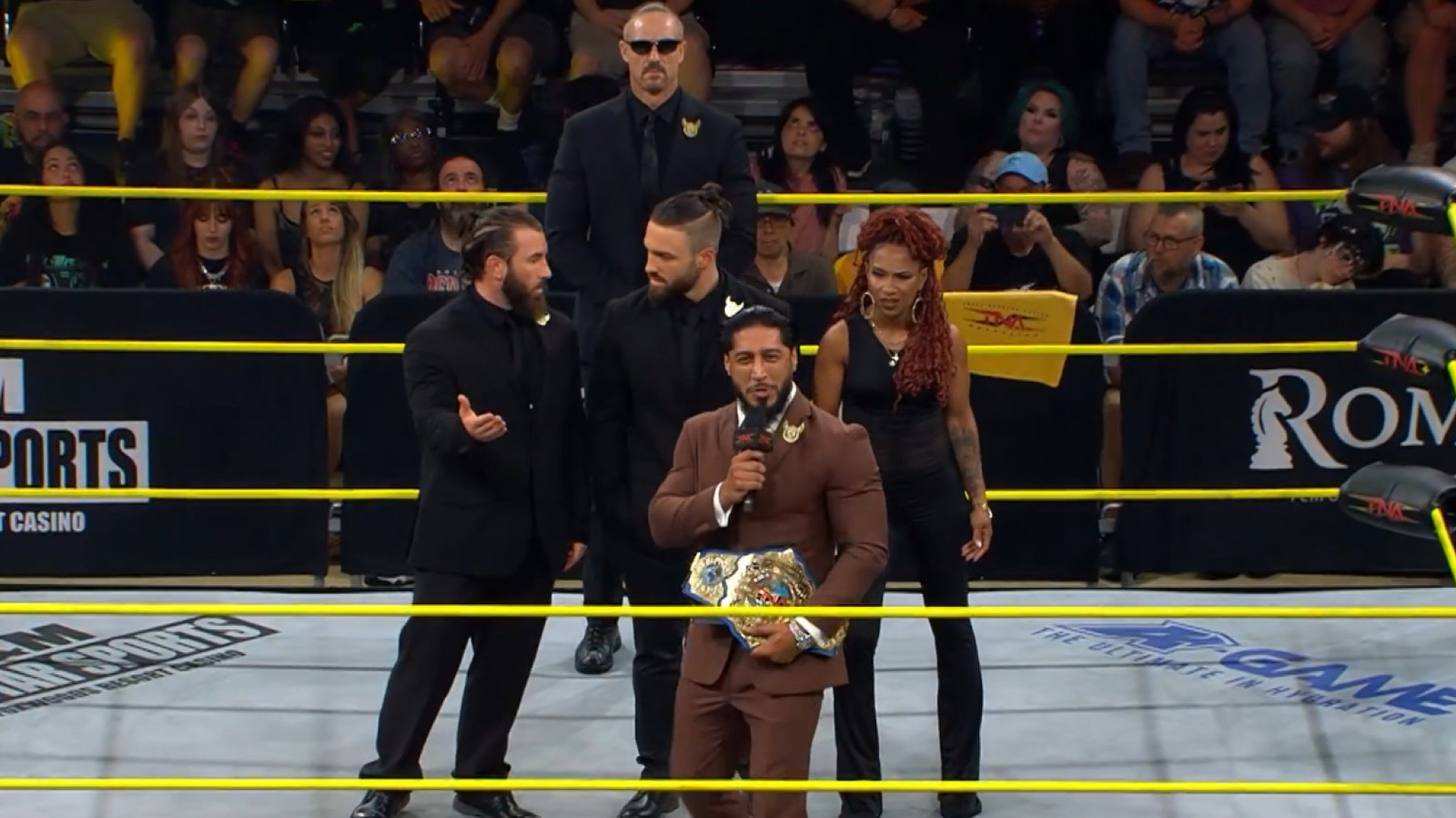
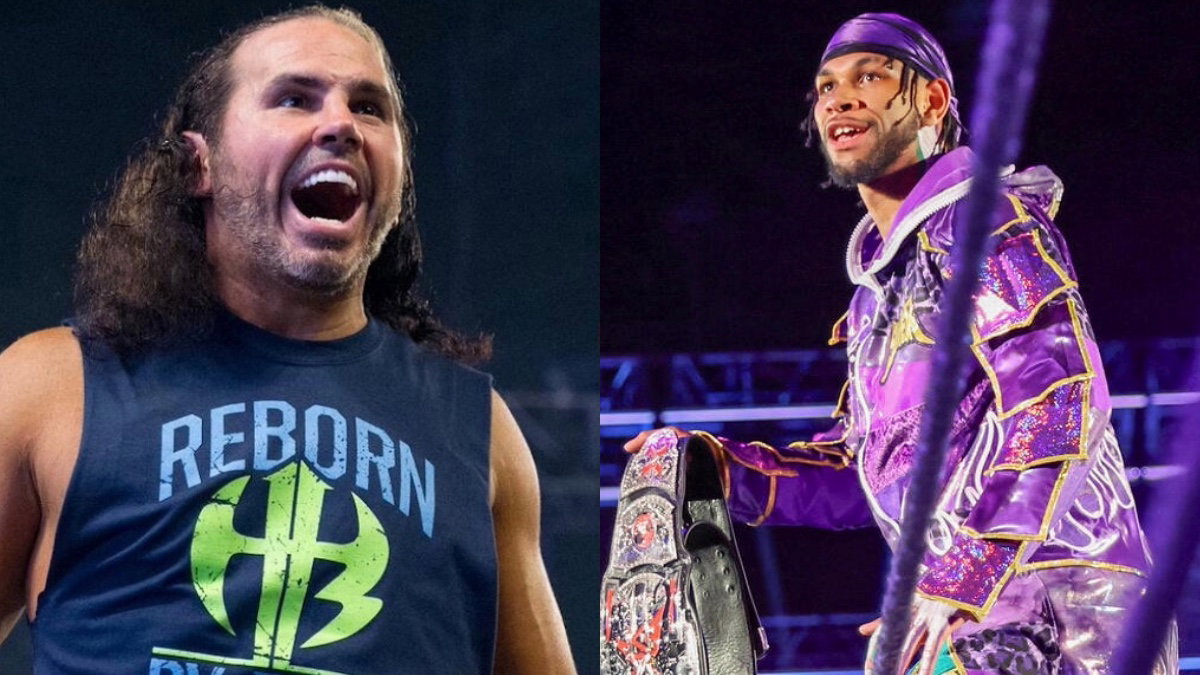
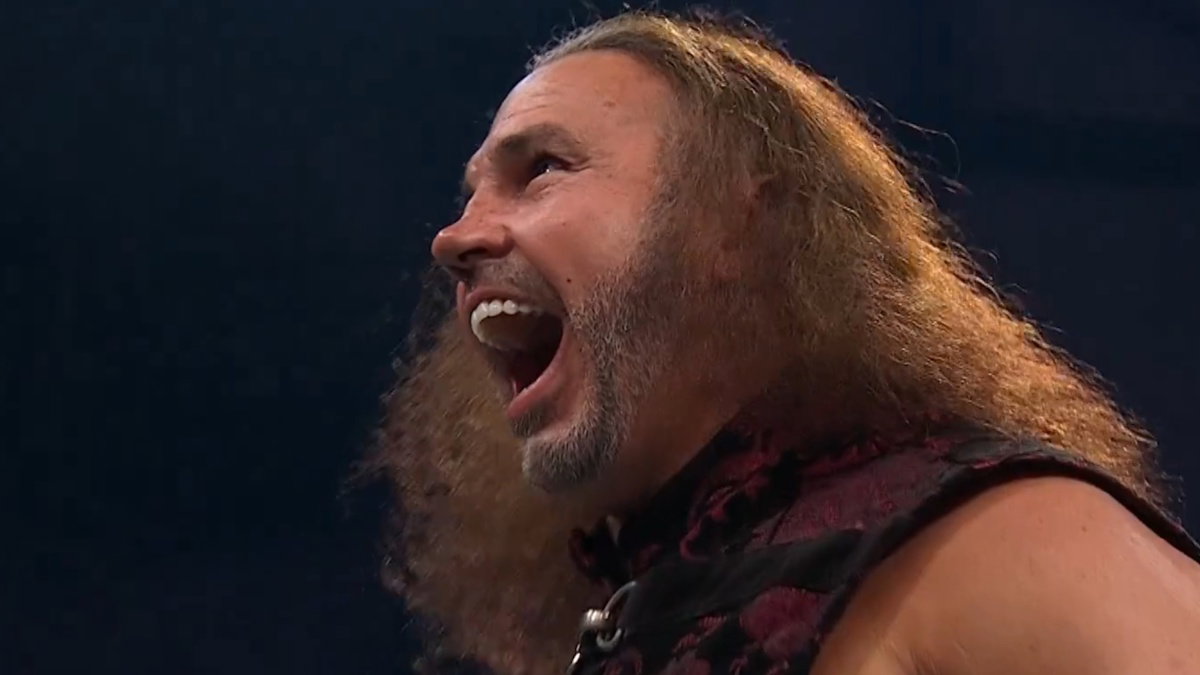
The real headline was the return of Matt Hardy. He resurrected his "Broken" persona to confront The Righteous immediately following the bell. We have seen this trick before.
In 2016, the Broken Universe was a brilliant, viral anomaly. It was a happy accident that masked Matt Hardy's physical decline with cinematic smoke and mirrors, utilizing drone cameras and compound brawls to create something entirely unique. Ten years later, it feels entirely different.
As PWTorch accurately summarized in their post-show review, this return is decidedly unwelcome. It feels like a cover band playing the hits to an audience that paid to hear new music. Throwing the Broken gimmick into an empty arena setting against a faction like The Righteous doesn't elevate the young talent. It just drags the entire segment into a muddy, dated aesthetic.
The Meta-Booking Trap
The structural problems extended beyond the main event scene. The women's division, historically the backbone of TNA's critical acclaim, found itself bogged down in bizarre meta-narratives and returning ghosts.
Indi Hartwell made her return to the Impact Zone, a move that should have injected immediate power and credibility into the Knockouts division. Hartwell has size, presence, and a bruising offensive style that contrasts beautifully with the speed of the current roster.
Yet, the television narrative instantly shifted away from her physical threat and focused entirely on her expiring contract. According to multiple reports following the broadcast, Hartwell was explicitly warned about her contractual status on-air.
This is a baffling way to present talent. Why ask viewers to invest emotional capital in a returning wrestler when the broadcast itself is loudly reminding you that she might walk out the door in a few weeks?
It is an unnecessary attempt at insider storytelling that severely undercuts her in-ring value. When fans are thinking about negotiation tactics instead of clotheslines, the angle has already failed.
If the contract drama wasn't enough, the broadcast also heavily featured the return of Allie to the ring. Her appearance dragged the Undead Realm storyline spilling right back into the real world. Again, this is TNA looking backward instead of forward.
Supernatural wrestling requires an immense amount of suspension of disbelief. The current AMC viewer tuning in for hard-hitting action is rarely willing to make that leap. The promotion is asking its audience to care about complex, multi-year lore involving zombies and alternate dimensions, right alongside traditional athletic contests. The tonal whiplash is exhausting.
The Midcard Anchor
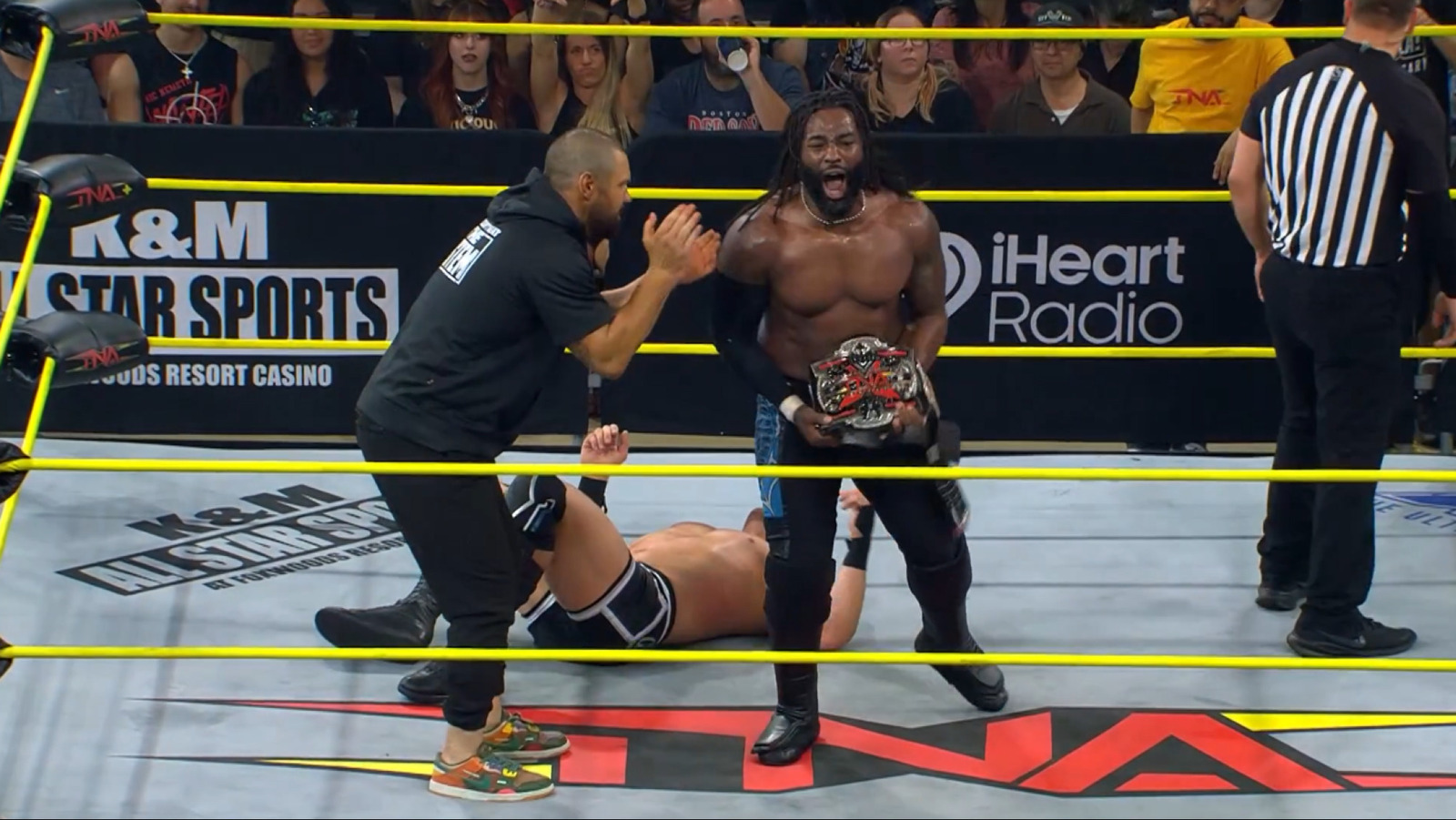
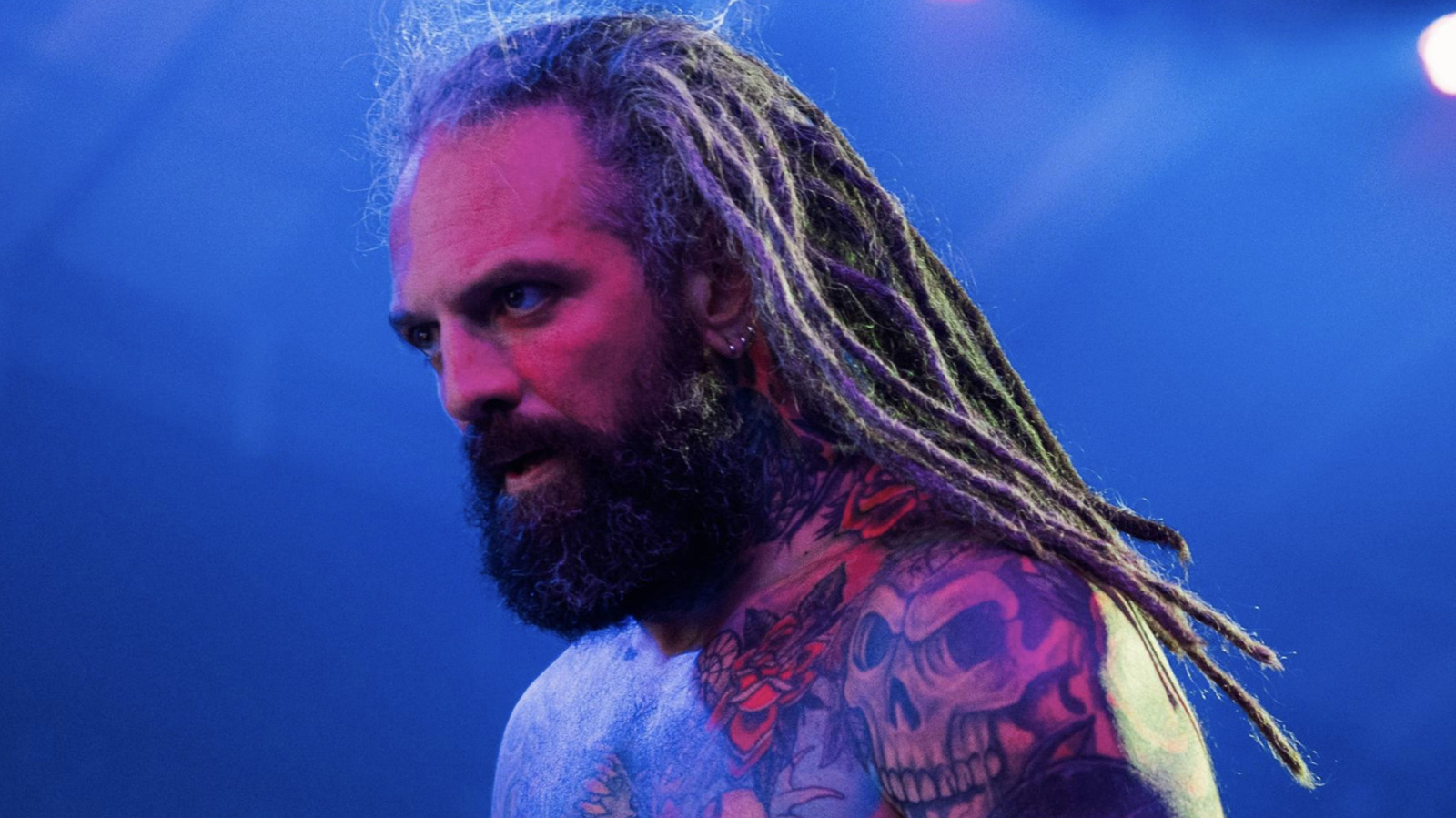
Buried beneath the supernatural angles and contract disputes, there was some actual wrestling. Elijah squared off against Frankie Kazarian in a bout that showcased the value of having a reliable veteran anchor your midcard. Kazarian is the glue of TNA, and his flawless timing allows him to pull a passable match out of almost anyone.
Elijah is still trying to define his post-WWE identity. He has a great look and throws a heavy right hand, but his transitional wrestling can sometimes feel sluggish. Kazarian worked incredibly hard to keep the tempo up, using his quick-strike offense to cut off Elijah's brawling segments.
It wasn't a classic, but it was structurally sound. It was a reminder of what TNA looks like when it strips away the gimmicks and simply lets two professionals execute a wrestling match. Still, a solid Kazarian midcard bout is not enough to carry a two-hour television broadcast on a major cable network.
The Sacramento Savior
This brings us to the future. Amidst the spooky magic, the insider contract drama, and the aging veterans, there is a blinding bright spot on the horizon.
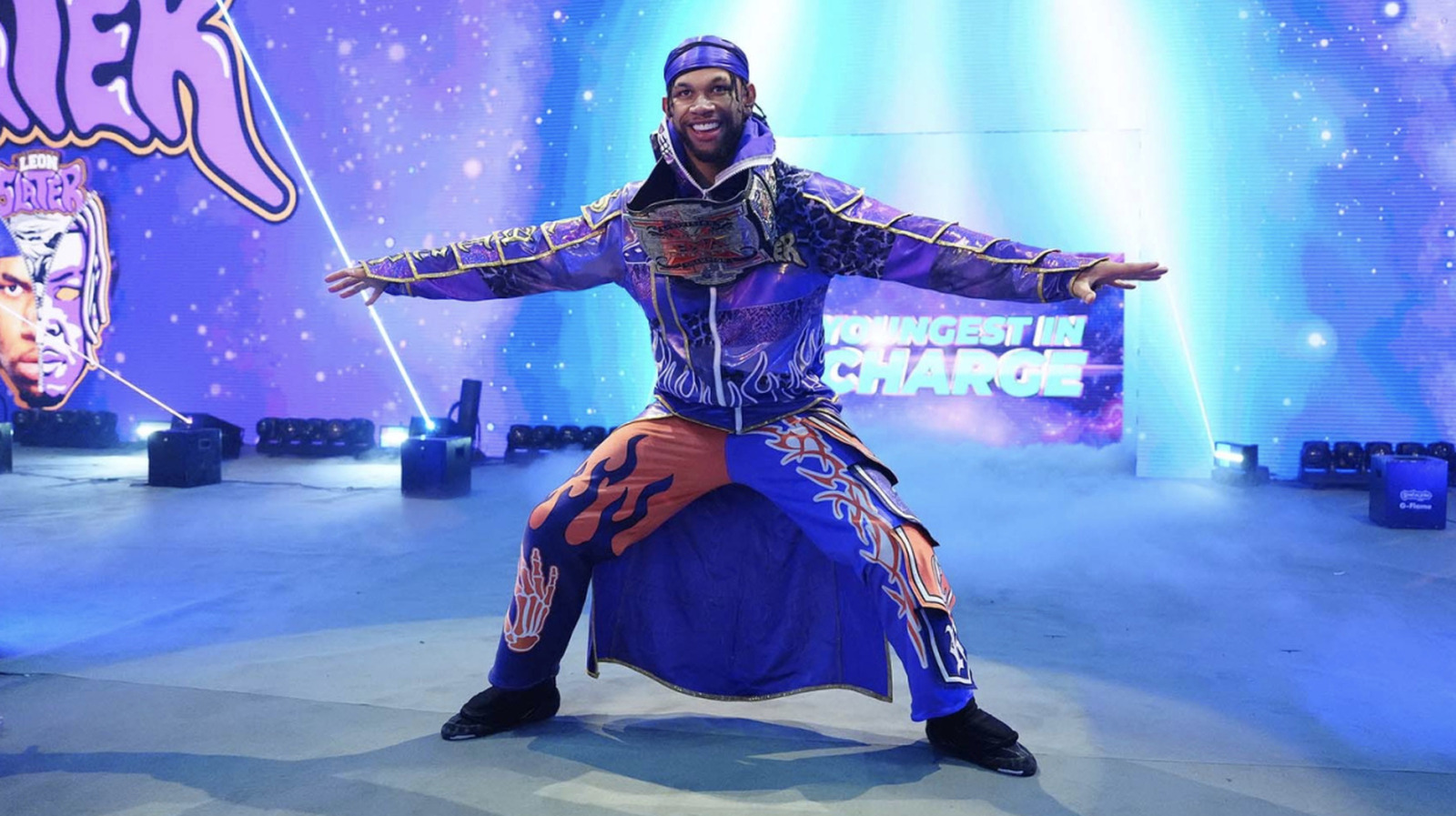
TNA is heading to Sacramento, California on May 14 for a massive live broadcast. The main event they have booked could easily wash away the bad taste of April 30. Leon Slater will defend the X-Division Championship against Cedric Alexander in a 2-out-of-3 falls match.
This is pure, unadulterated professional wrestling. This is exactly what the X-Division was built on. Slater's recent rise has been nothing short of a revelation.
He is operating with a natural, undeniable charisma that cuts right through the over-produced backstage skits that drag down the rest of the show. In the ring, his offense is breathtaking. His hangtime on his springboard attacks defies physics, and his ability to string together complex aerial sequences without looking cooperative is a rare skill.
Cedric Alexander, meanwhile, is the perfect foil. Ten years ago, Alexander was the young high-flyer stealing the show in the Cruiserweight Classic. Today, he is a seasoned veteran who understands exactly how to dismantle an aerial offense.
Alexander's striking game is vicious. He throws sharp, snapping elbows and targets the lower back with precision, knowing that grounded opponents cannot hit 450 splashes. His Lumbar Check remains one of the most protected and visually devastating finishers in the sport.
A 2-out-of-3 falls stipulation changes the entire psychological geometry of a wrestling match. It is not just about hitting big moves. It is about pacing, stamina, and strategic sacrifice.
Often, a veteran like Alexander will willingly drop the first fall if it means inflicting targeted damage to a specific body part. The Sacramento crowd is going to get a masterclass in ring positioning.
My prediction for May 14 is clear. Cedric Alexander will take the first fall early, likely countering a springboard attempt with a brutal mid-air strike, forcing Slater to fight from underneath.
The champion will spend the second fall working through visible damage to his lower back, eventually hitting a spectacular, high-risk sequence to equalize the score. The third fall will be a sprint of near-falls, but ultimately, the speed of youth will outlast the strategy of the veteran. Slater will catch Alexander in a frantic final sequence to retain the X-Division title.
TNA desperately needs this match to deliver on its promise. If the promotion wants to survive and thrive on AMC, management needs to look closely at the Sacramento crowd's reaction.
They need to realize that the athletic brilliance of Leon Slater is the true headline. The future of the company lies in the ring, not in the cinematic smoke of the past. The Broken Universe belongs in the archives. The X-Division belongs in the main event.