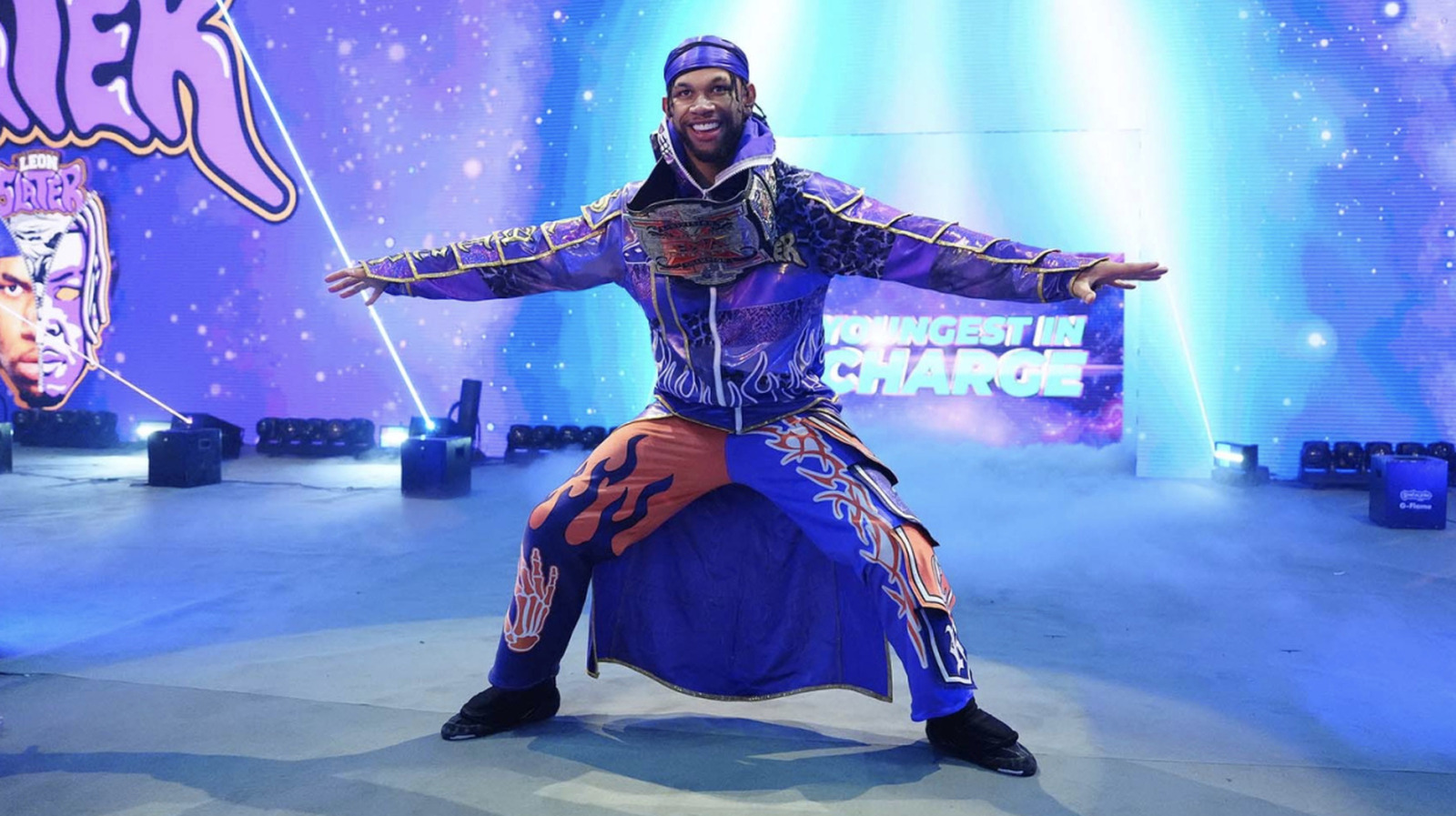
The cost of the X-Division main event
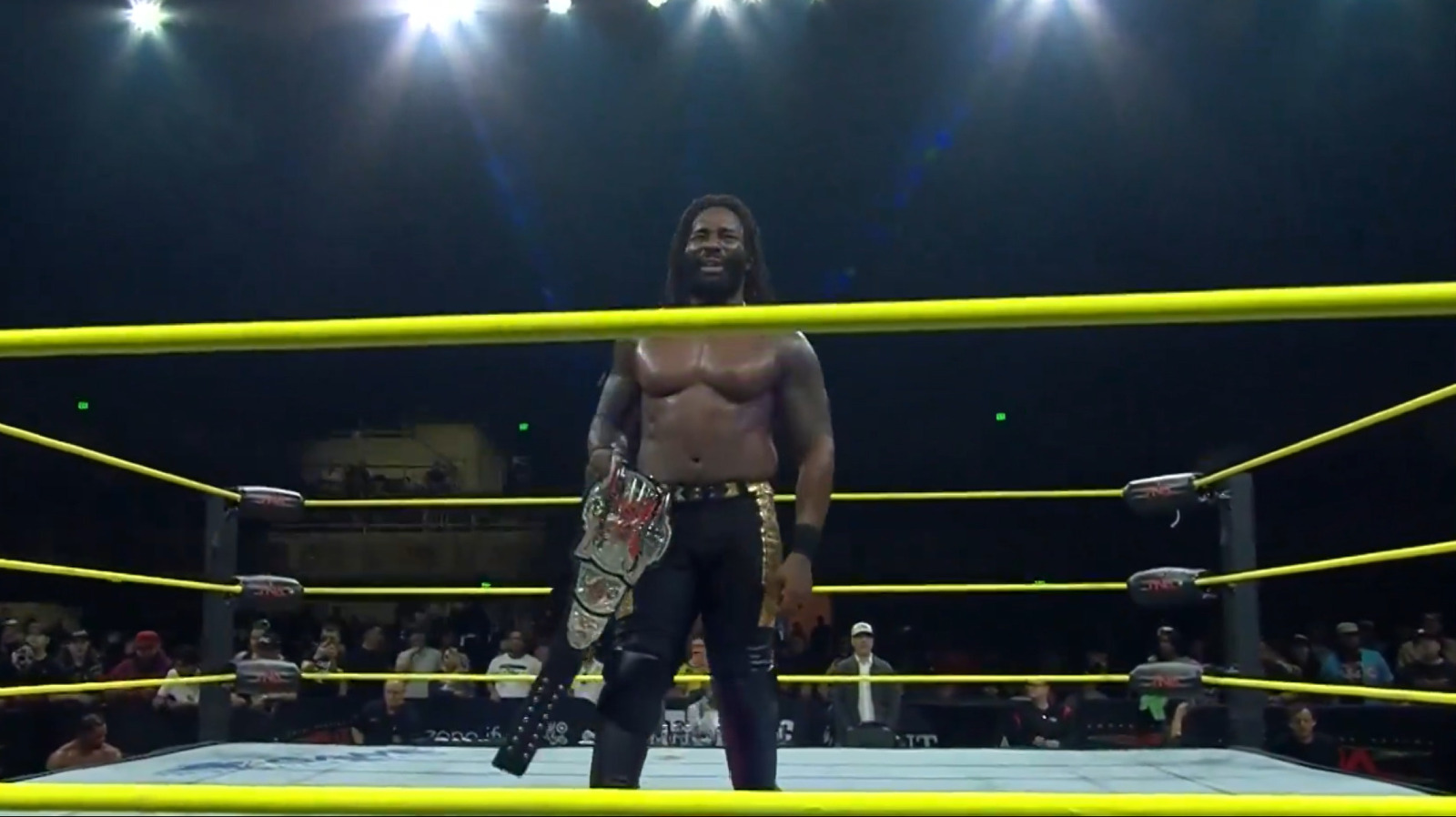
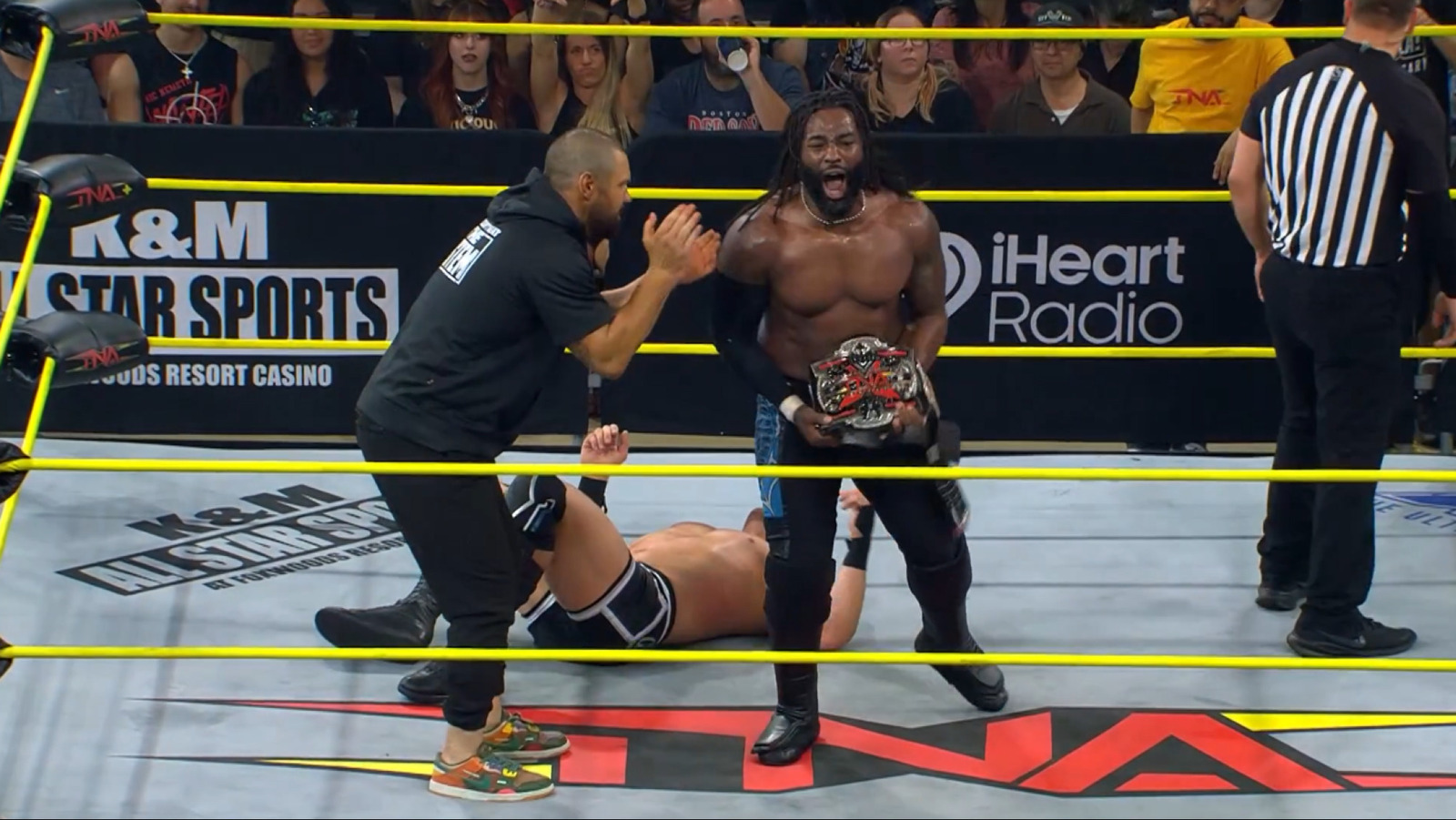
Cedric Alexander walked into the Sacramento Memorial Auditorium on May 14 looking to solidify his standing as the division's premier technician. He walked out of the high-stakes battle with Leon Slater carrying more than just the frustration of a failed title bid. Reports from the backstage area suggest a lingering lower-body issue surfaced during the final segments of the match, placing his immediate availability for upcoming tapings in doubt.
The match itself was a showcase of pace, featuring a recurring series of high-impact stiff shots that left both competitors visibly winded. Alexander relied heavily on his signature explosive speed, but the repeated landing impact on the Sacramento canvas seemingly took its toll. While the X-Division Championship tilt served to re-establish the division's credibility, the physical tax paid by the veterans in the ring is a compounding problem for TNA’s creative timeline heading into early summer.
Tactical depth versus necessity
TNA management has banked on Alexander to provide the anchor for a division transitioning away from its reliance on recurring spot-fests. By slotting him against the younger, hyper-athletic Leon Slater, the booking team attempted to build a bridge between generations. However, the reliance on veterans like Alexander is a risky game when the physicality of the X-Division style remains unchanged.
This is not a new narrative in professional wrestling. Historically, organizations favor high-octane pairings to spike ratings, yet these decisions often expose the fragility of older rosters. When a performer of Alexander's experience level is forced into a primary spot that demands 15-plus minutes of constant motion, the risk-reward ratio shifts sharply toward injury concern. It’s a recurring organizational oversight: using veteran star power to prop up lower-tier talent without adequate recovery windows.
The strategic fallout
Alexander’s potential absence leaves a vacuum in the mid-card that TNA is ill-equipped to fill. If he is sidelined for even a two-week block, the company loses its most effective tool for legitimizing contenders like Slater or the newer faces emerging from the #1 Contender’s Battle Royal. Without a steady hand anchoring the speed-heavy matches, the quality control of the weekly broadcast will inevitably drop.
Furthermore, this situation demonstrates a lack of roster diversification. By hyper-focusing on the X-Division as a primary draw, TNA creates a dependency on a set of assets that simply cannot maintain this pace indefinitely. If the medical department confirms a strain, it will represent a failure of the current booking strategy to manage fatigue during live-television tapings. The audience expects consistency, but the talent is hitting a wall.
Competitors like New Japan Pro-Wrestling, currently running the Best of Super Junior tournament in Tokyo, have dealt with this volume issue by rotating rosters and limiting impact duration for veterans. TNA has chosen the opposite path, demanding maximum exertion with every appearance. The result is a shallow recovery pool and increased turnover.
Looking toward the end of the month, the injury management of talents who logged major minutes in Sacramento will be the story of the next cycle. If Alexander proves unable to clear medical protocols by early next week, expect a complete reshuffle of the division's hierarchy. The X-Division has long been the crown jewel of TNA, but it remains one or two bad landings away from complete stagnation.