The Survival Stage
As a medical reporter, my usual beat involves torn ligaments, fractured orbital bones, and post-concussion protocols. The wrestling industry is a meat grinder. It breaks down the human body with alarming efficiency. But tonight, the focus shifts from the injured list to the survivors.
WrestleMania 41 is exactly one day away. The atmosphere in Las Vegas is heavy with anticipation. Before the boots lace up at Allegiant Stadium, the industry pauses for its annual reflection. The WWE Hall of Fame ceremony is often viewed as an emotional victory lap. From a physiological standpoint, reaching this stage is an act of sheer endurance.
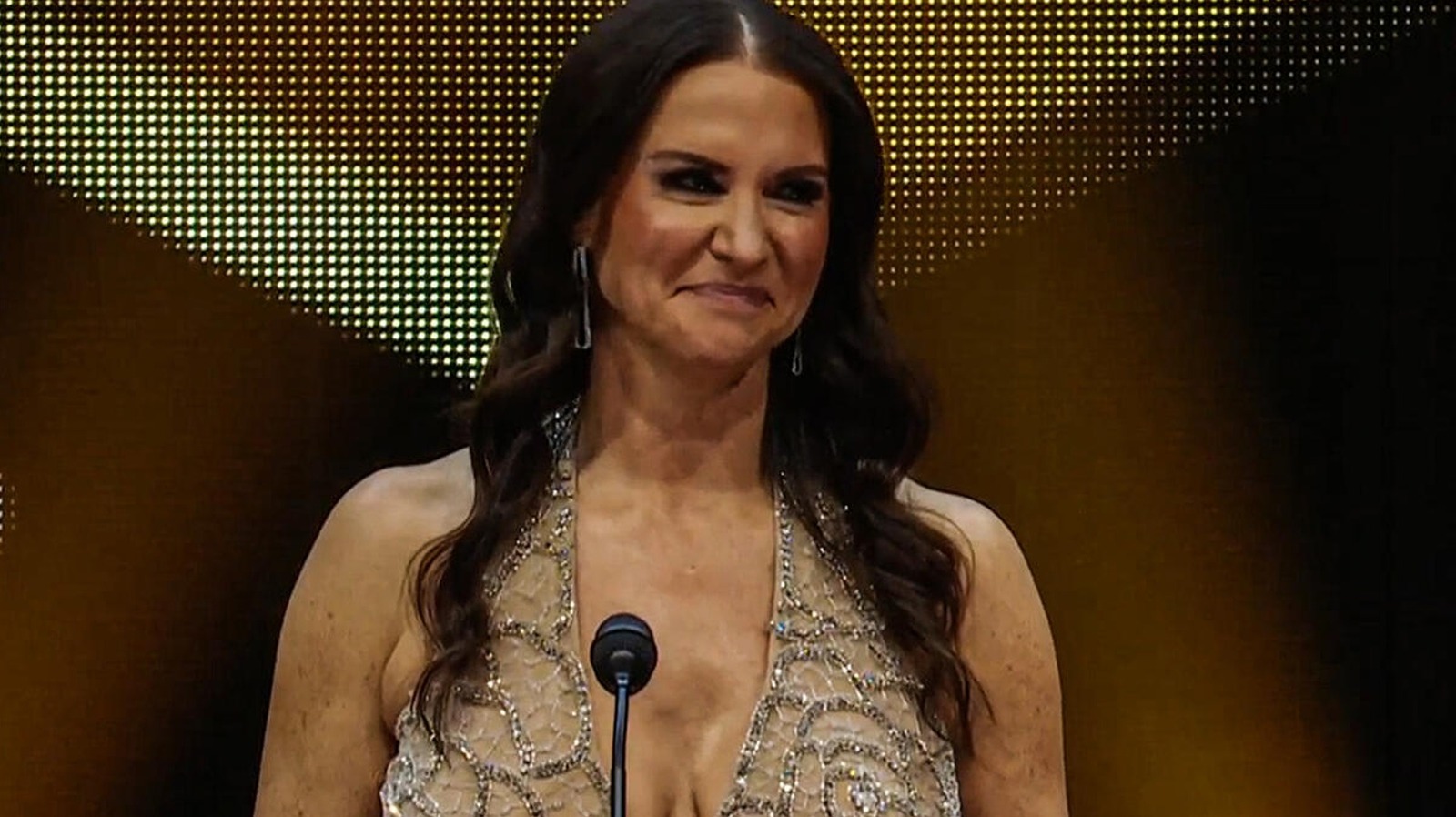
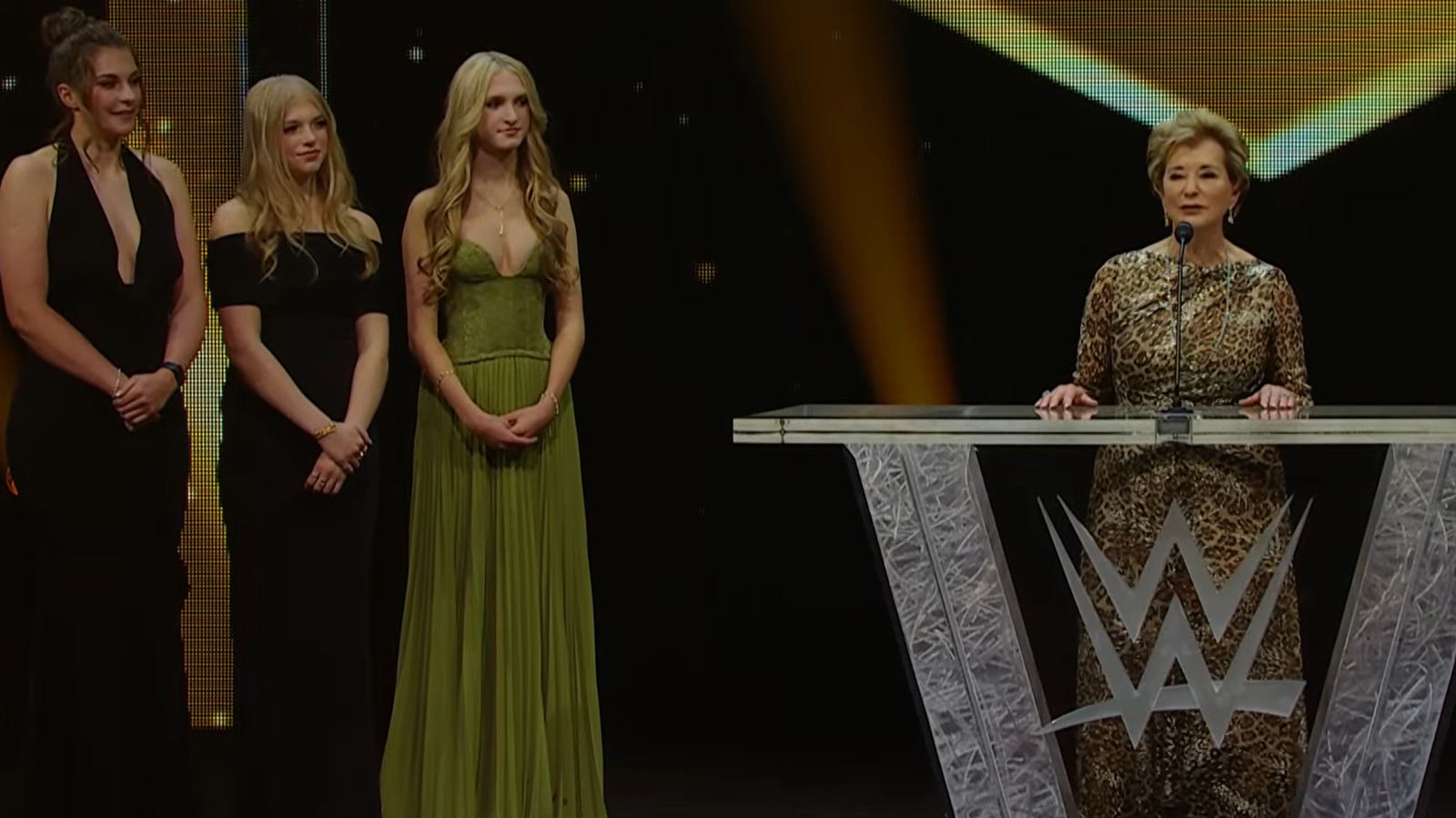
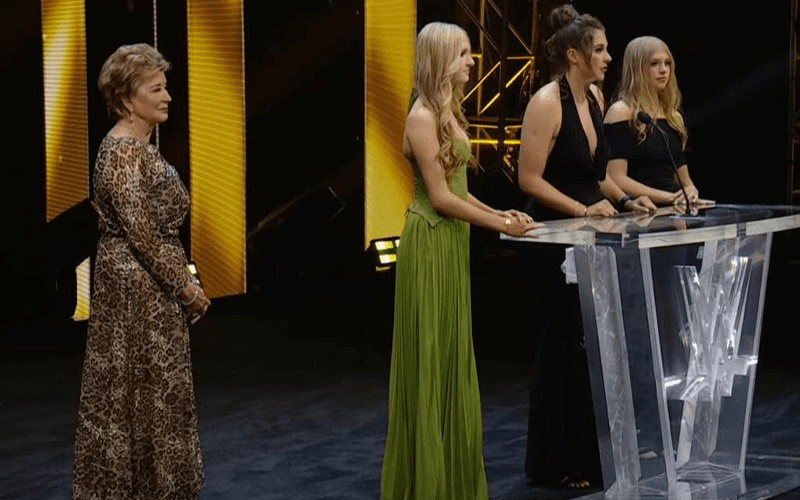
This year, the spotlight turns to a different reality. WWE announced that Linda McMahon is taking her place in the Hall of Fame. She will be joined on stage by the daughters of Paul "Triple H" Levesque and Stephanie McMahon. It is a rare public merging of the company's past and its potential future.
The Physicality of the Boardroom
It is easy to dismiss an executive induction as purely corporate. The criticism is entirely valid. There are dozens of in-ring veterans who spent decades destroying their knees on unpadded concrete who are still waiting for a phone call. Handing a prime induction slot to a former CEO always feels a bit self-congratulatory and tone-deaf to the boys in the back.
Yet, the McMahon family never stayed safely behind the desk. They blurred the line between management and talent. They often paid a severe physical price for that crossover. The Hall of Fame might be acknowledging Linda McMahon the executive, but long-time wrestling fans remember Linda McMahon the on-screen character.
Let's not forget the bumps. In the late 1990s and early 2000s, Linda was physically involved in some of the most chaotic angles in television history. She took a Tombstone Piledriver from Kane directly on the steel entrance ramp. She absorbed a Stone Cold Stunner in the middle of the ring.
These are not controlled, safe environments for a middle-aged executive. Taking a flat back bump requires specific neck conditioning to protect the cervical spine. Taking one without proper athletic training is a massive risk. It is a recipe for whiplash, traumatic brain injuries, or worse. The fact that the McMahon matriarch walked away from those angles without permanent structural damage is a minor medical miracle.
Generational Wear and Tear
Seeing the Levesque daughters on stage will be a stark reminder of the passage of time. They are the offspring of two people who literally gave their bodies to the wrestling business.
Stephanie McMahon spent years mixing it up in the ring. She wrestled everyone from Trish Stratus to Brie Bella. She took bumps through wooden tables, absorbed brutal strikes, and subjected her joints to the exact same unnatural stress as the full-time locker room. Her matches were physical, taxing, and left a mark.
Then there is Triple H. His medical file reads like a trauma center textbook. The man completely tore his left quadriceps muscle in 2001. A torn quad feels like a gunshot to the leg. It requires immediate, invasive surgery to reattach the muscle to the kneecap. The rehabilitation is a grueling, agonizing process of forcing scar tissue to stretch.
He fought through the rehab, returned, and eventually tore the right quadriceps years later. He wrestled through a completely torn pectoral muscle. His in-ring career ended not on his own terms, but due to a severe cardiac event. He survived heart failure and the installation of an internal defibrillator just to return and run the creative direction of the company.
When those daughters stand on the Hall of Fame stage, they are representing a family tree built on orthopedic surgeries. They understand physical therapy and sheer stubbornness better than anyone.
The Changing Medical Standard
The WWE of 2026 is vastly different from the wild west environment Linda McMahon helped oversee decades ago. Looking at the industry through a medical lens, the evolution is stark. The company now employs a small army of full-time medical staff, ringside concussion spotters, and mandates stringent baseline physicals.
During the Attitude Era, wrestlers routinely worked through severe concussions. They taped up torn ligaments and masked the pain with whatever was available. The locker room culture demanded that you never miss a booked date. That culture shortened careers. It ruined lives.
Today, the standard of care is significantly higher. If a wrestler suffers a head injury, the match is stopped immediately. If routine blood work comes back abnormal, they are pulled from the road without question. The Wellness Policy changed the physical expectations and the chemical reality of the locker room.
This medical evolution means the next generation of Hall of Famers might actually walk to the podium without a pronounced limp. They might remember their entire careers without the heavy fog of repeated head trauma. It is a massive, necessary step forward for the industry.
WrestleMania 41 Looming Large
The Hall of Fame is just the appetizer for the extreme physical demands of WrestleMania 41. Tomorrow night at Allegiant Stadium, the current roster will test the absolute limits of human physiology.
CM Punk is stepping into a major, high-stakes match. He has spent the better part of two years battling severe injuries. He tore his triceps, underwent surgery, and fought his way back through a brutal rehabilitation process. Tendons do not heal quickly when you are in your late forties. Every time he hits the mat in Las Vegas, there is a legitimate risk of catastrophic re-injury.
Cody Rhodes defends the WWE Championship on Night 2. Rhodes is famously the man who wrestled inside Hell in a Cell with a completely torn pectoral muscle. The visual of his bruised, deeply purple chest is permanently burned into the minds of wrestling fans. It was a terrifying medical decision at the time, even if it created a legendary, undeniable moment.
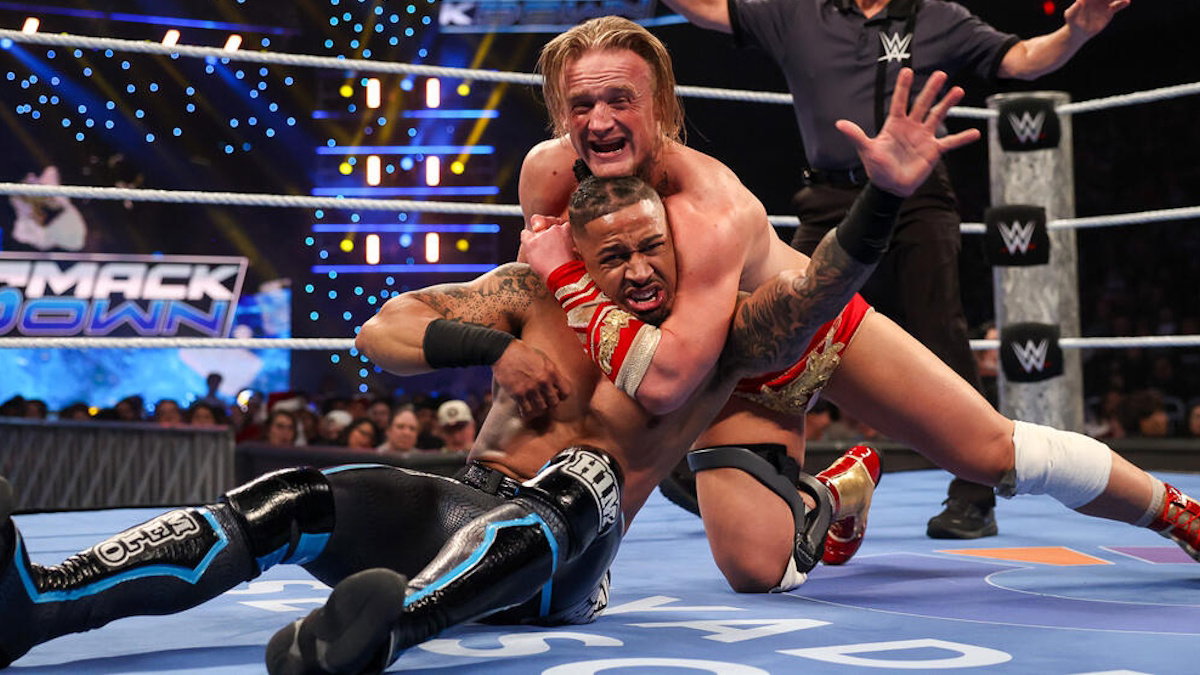
The athletes competing this weekend are putting themselves through high-impact collisions. They force the human spine to compress in entirely unnatural ways. They are risking herniated discs, torn ACLs, and separated shoulders for the entertainment of a global audience.
The True Meaning of the Stage
The WWE Hall of Fame remains an odd institution. There is no physical building to visit. The voting process is entirely internal and heavily guarded. It is, at its core, a television show designed to sell tickets and drive network subscriptions.
But for the people standing on that stage, it represents validation for the pain. It is the company explicitly saying that the surgeries, the concussions, and the endless miles on the road were actually worth something.
Linda McMahon's induction is a nod to the business side of that pain. The company she helped build turned a regional wrestling territory into a multi-billion dollar global juggernaut. It created the massive platform that allows these modern athletes to make millions, even if it eventually breaks them in the process.
Seeing her grandchildren on stage brings the story full circle. The Levesque daughters have grown up watching their parents and grandparents navigate the brutal, unforgiving reality of professional wrestling. They have seen the ice packs in the kitchen. They have visited the hospital beds.
They know better than anyone that the glitz and glamour of WrestleMania weekend is built entirely on a foundation of severe physical sacrifice. The Hall of Fame is a rare moment where the industry finally stops demanding bumps and starts handing out applause.
As the weekend kicks into high gear, the focus will rapidly shift back to the ring. The medical staff will stand quietly at ringside, waiting for the inevitable injuries that come with the spectacle. But for one night, the WWE family gets to celebrate the survivors.