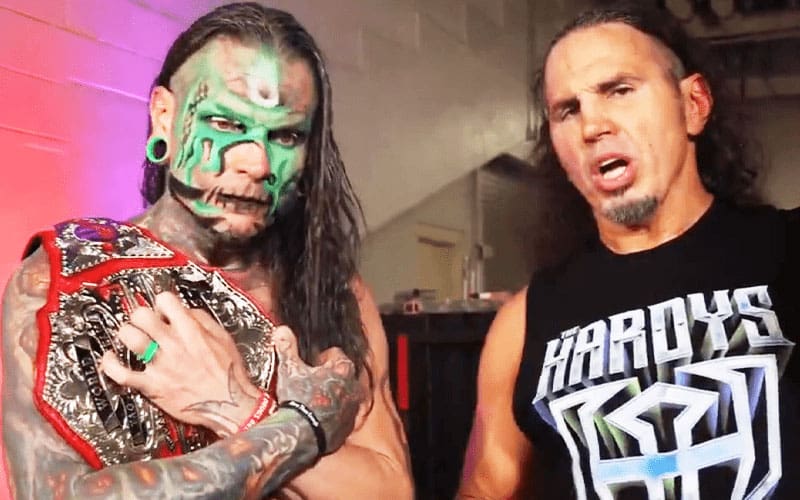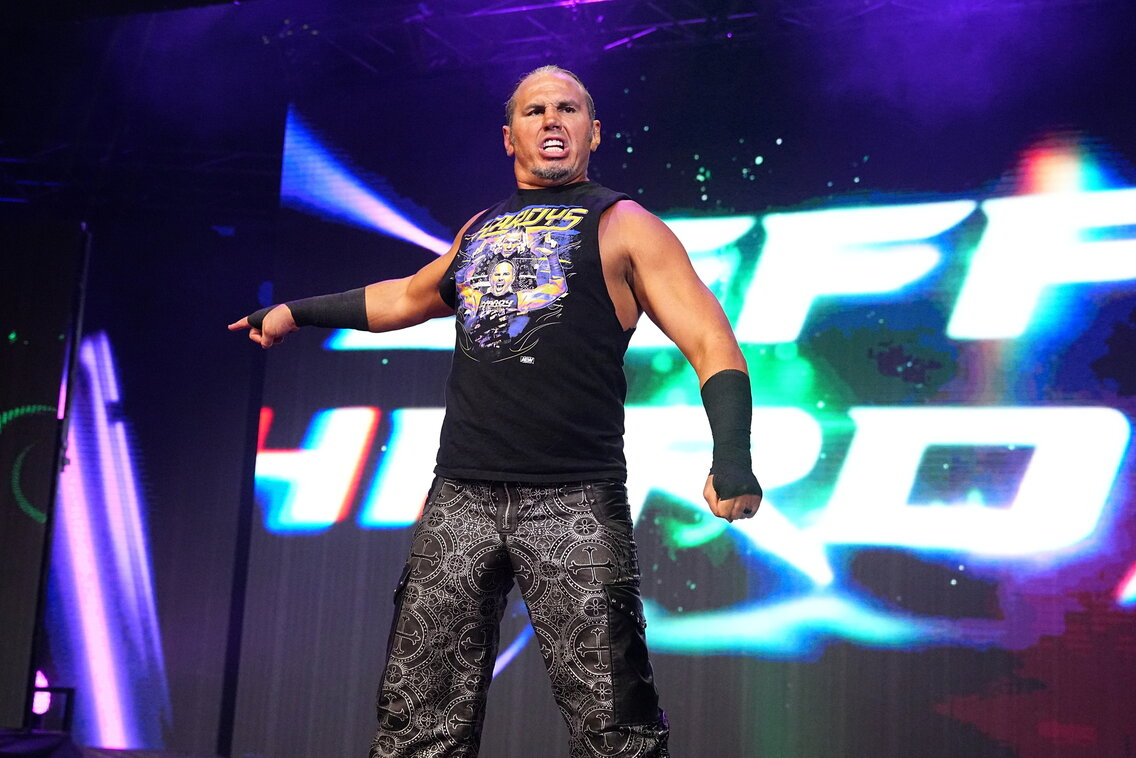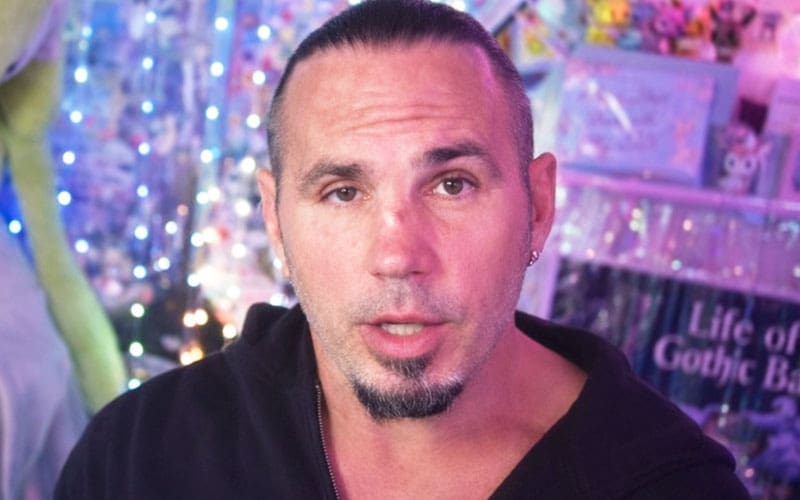
Hardy dealing with nasal fracture after TNA setback
Matt Hardy is officially off the active roster following a significant nose injury sustained during his most recent TNA appearance. The veteran performer, who has seen a career renaissance since his return to the promotion, suffered the break during a chaotic sequence that left him unable to continue standard in-ring duties.
Medical sources within TNA confirmed the injury is a nasal fracture. Hardy had been working a high-volume schedule throughout the first quarter of 2026, marking a heavy workload for a performer with his extensive history of wear and tear. This setback serves as a sobering reminder of the physical cost associated with the current style of TNA main event programs.
Timeline for recovery and roster implications
Hardy is currently evaluating his options with the medical staff. Standard recovery windows for a displaced nasal fracture typically run between 4 to 6 weeks depending on surgical intervention or natural healing timelines. With WrestleMania 41 looming on April 19, Hardy will be a spectator rather than a participant in the broader wrestling economy, missing the mid-spring push.
The creative void is immediate. Hardy has been a cornerstone for TNA’s television builds, and his absence forces a sudden pivot for the mid-card and tag team divisions. Booking teams are now scrambling to fill the slot he occupied in upcoming tapings scheduled for late April. The reliance on aging veterans to carry heavy TV minutes often leads to these inevitable gaps in continuity.
Historical context and strategic missteps
Hardy is no stranger to the medical table. His career, defined by high-impact spots and prolonged rivalries across WWE, AEW, and TNA, has naturally led to cumulative joint and cartilage stress. While this specific injury is an acute trauma incident, the frequency of such injuries among veteran talent raises questions about whether TNA's current creative direction is sustainable for performers in their late 40s.
Strategically, this forces a reset. Relying on Hardy for weekly high-intensity segments was a questionable decision given his travel and output load over the last six months. Other competitors, specifically younger talent in the TNA locker room, will now receive increased screen time by default. Whether they can replicate the draw Hardy provides remains the primary concern for front-office operations.
The broader impact on the wrestling calendar
We are currently in a dense window for the industry. With the WWE WrestleMania 41 weekend approaching on April 19 and 20, the entire industry pivots toward a scarcity of available veteran talent. Hardy being sidelined reduces the depth of available storylines, forcing lower-tier talent to shoulder the burden of ratings pressure during the post-WrestleMania cooling-off period.
Looking at the TNA programming schedule, the injury creates a logistical nightmare for writers. Scripts finalized earlier this week are likely being gutted to account for the absence. This incident highlights the fragility of relying on a small core of legends to anchor a weekly product, particularly when that anchor becomes unavailable due to an localized impact injury.
Hardy’s recovery will be monitored closely. Any return before the 4-week mark would be aggressive, considering the risk of re-injury from secondary impacts or accidental strikes. He is strictly prohibited from taking bumps until the nasal bone stabilizes, ensuring that the 100% of his current television segments involve non-contact promo work if he remains on screen at all.
The lack of a contingency plan for a major talent injury is a recurring theme in mid-tier promotions. While the physical toll is an inherent risk, the booking strategy failed to minimize the risk profile of Hardy's match load. Expect his return to be handled with extreme caution given his future aspirations and long-term health priority.
We will track this injury from the initial clinical diagnosis through the potential return to ring work post-April 2026. The next check on his status is expected as he begins light training. Any further delays will have cascading effects on subsequent tapings heading into the summer months.