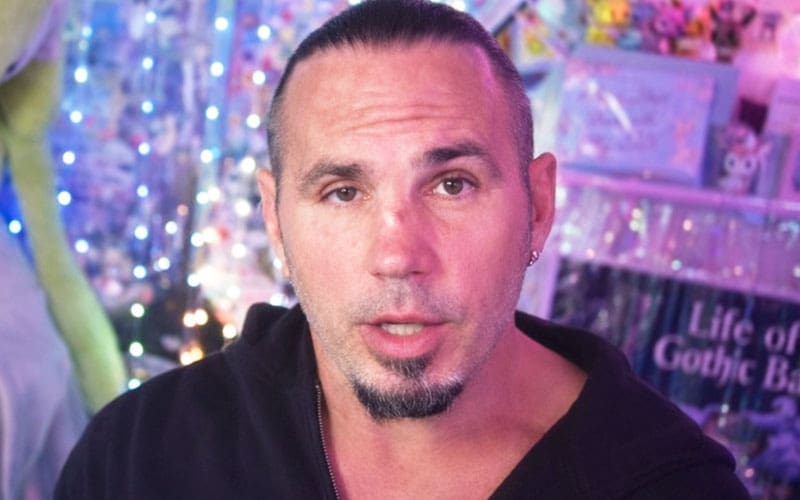
Hardy's nose injury complicates TNA booking
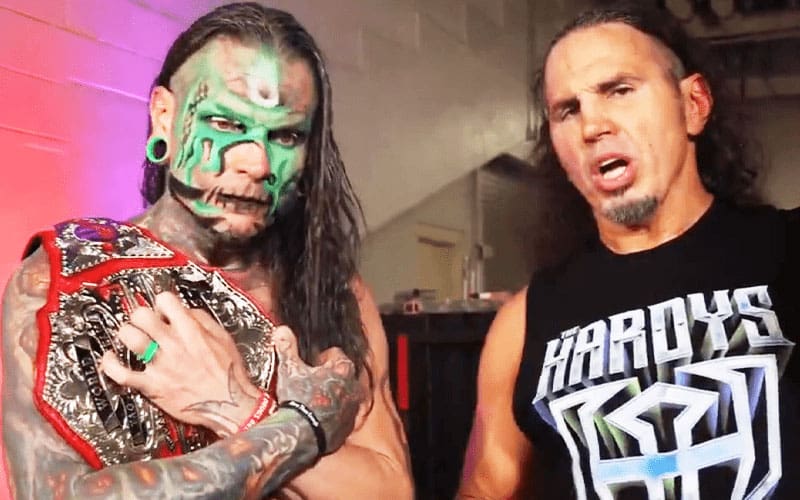
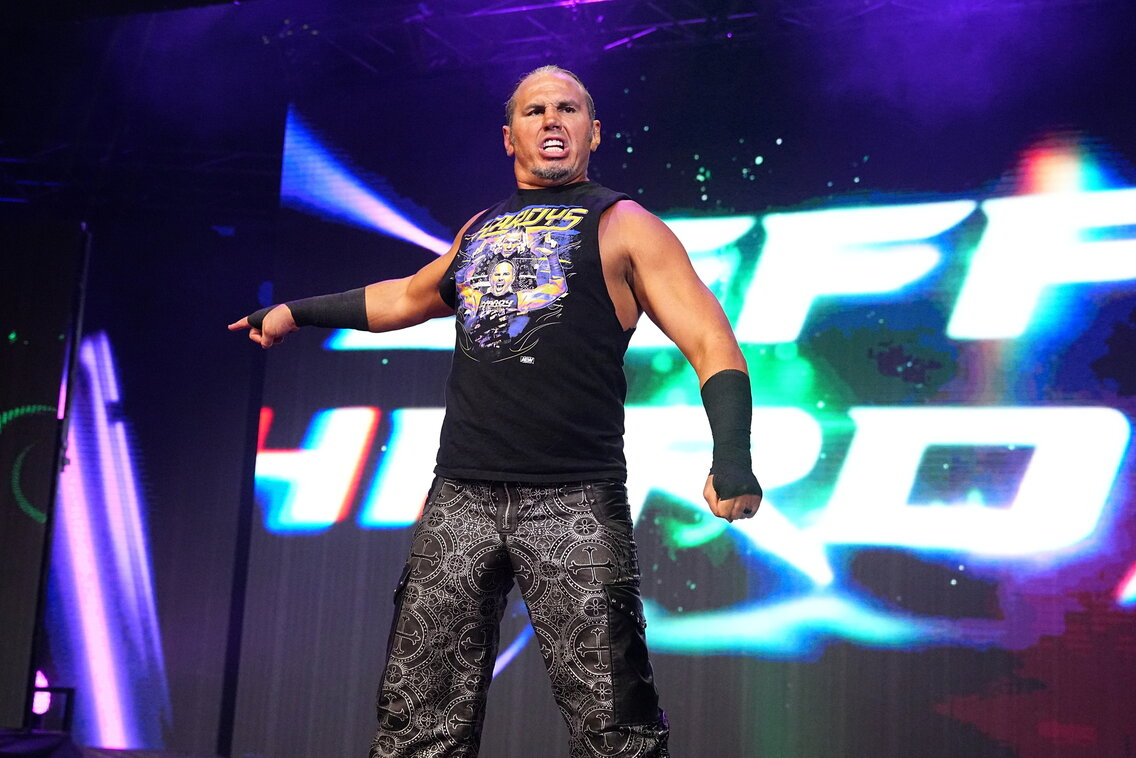
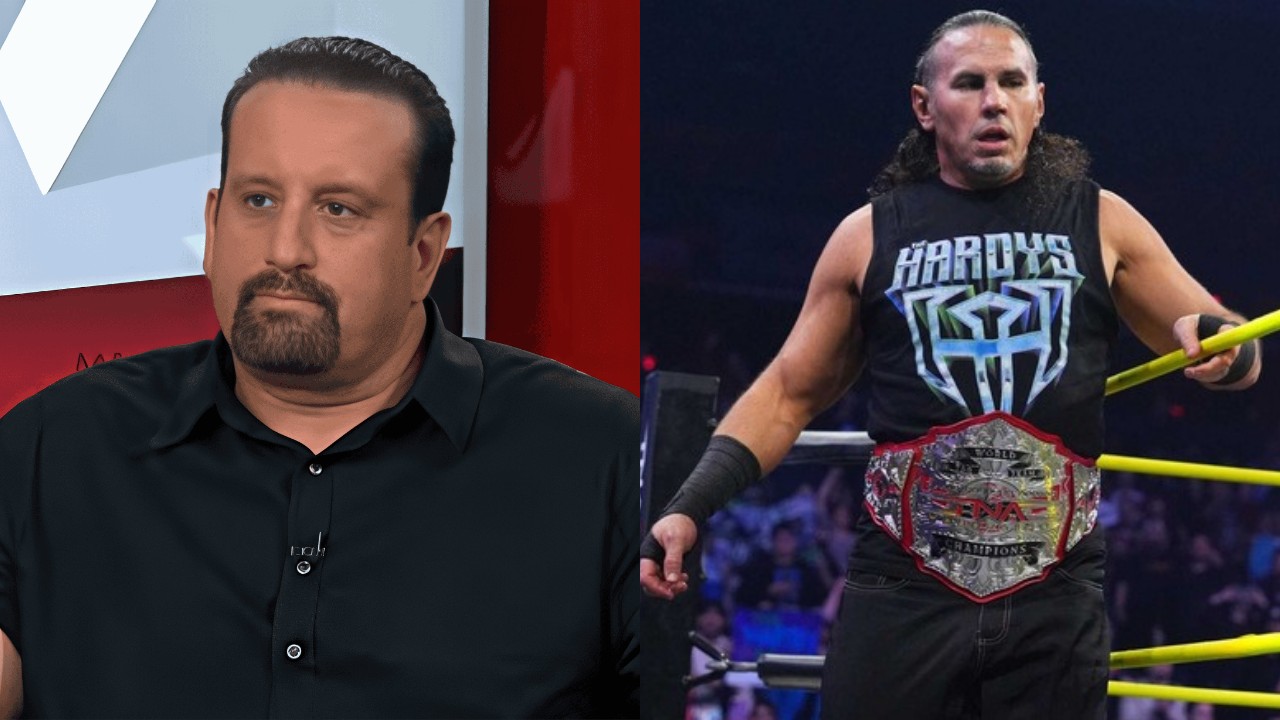
Matt Hardy is dealing with a significant nose injury sustained during his most recent TNA appearance. The veteran performer, who has seen his fair share of physicality over a thirty-year career, was sidelined following a chaotic sequence that left him visibly compromised. The injury occurred during a bout that spiraled beyond the scripted confines of the ring.
While details regarding the specific move that caused the impact remain limited, the injury is a direct result of contact during the match sequence. Hardy finished the contest, an act that underscores the high-stakes environment in professional wrestling today. However, the post-match assessment confirmed the damage to his nasal structure.
The medical timeline and recovery reality
For a performer of Hardy's age, impact injuries to the facial structure carry a different weight than they did in the early 2000s. While there is no immediate indication that he will require surgery, the inflammation and potential for a deviated septum often force a cautious approach. Standard protocols for such injuries typically involve a recovery window of 2-4 weeks to allow for cartilage stabilization.
This timeline puts his availability for upcoming TNA programming in potential jeopardy. If medical staff mandates a non-contact protocol, creative teams must pivot quickly. Booking a veteran of Hardy's status requires a delicate hand, especially when momentum is needed heading into late spring television tapings.
Broader industry impact and historical trends
Hardy is the latest in a long string of performers dealing with localized trauma this season. In the current physical climate, where high-impact spots are common, minor injuries frequently stall storylines that are months in the making. The ripple effect is predictable: card reshuffling, taped segments replacing live action, and a dip in weekly show pacing.
History is not on the side of quick returns for nasal fractures in ring competition. When performers return too early, the risk of re-injury is high, and the optics of a swollen or bandaged face can sometimes distract from the narrative beats in the ring. Looking back at similar incidents over the last decade, companies often choose to pull injured talent from television for a fortnight to avoid medical liability.
Critical look at current TNA booking
The incident raises questions about the density of high-risk spots in current TNA programming. While the promotion aims for aggressive, fast-paced matches to differentiate itself, the frequency of injuries to established stars suggests a drift toward unnecessary risk. When veterans are forced to absorb legitimate trauma for the sake of a mid-show spectacle, the long-term utility of the roster suffers.
Management must now decide if the current style is sustainable for their top-tier names. Fans often appreciate the grit, but the value of a star like Hardy is in his ability to draw viewers over months, not just over a single chaotic main event. The booking staff needs to recalibrate the intensity levels during transitional matches to ensure their most recognizable faces reach the summer calendar healthy.
As of April 03, 2026, the promotion has not yet released a formal statement regarding a confirmed return date for Hardy. Until the swelling subsides and the medical staff clears him for physical contact, he remains in a holding pattern. Any suggestion of a return for the next cycle of tapings is purely speculative at this stage. Supporters should expect a quiet period from the veteran as he prioritizes healing over immediate creative output.