TNA's Post-AEW Reality Check
The honeymoon phase of modern inter-promotional wrestling is officially dead. TNA’s recent and abrupt decision to pull their talent from AEW-related bookings wasn't just a minor scheduling hiccup. It was a violent slamming of a door that many fans mistakenly assumed would stay propped open indefinitely.
The fallout has been remarkably messy. Backstage politics rarely spill into the public eye this quickly, but the fracture between the two companies is widening by the day.
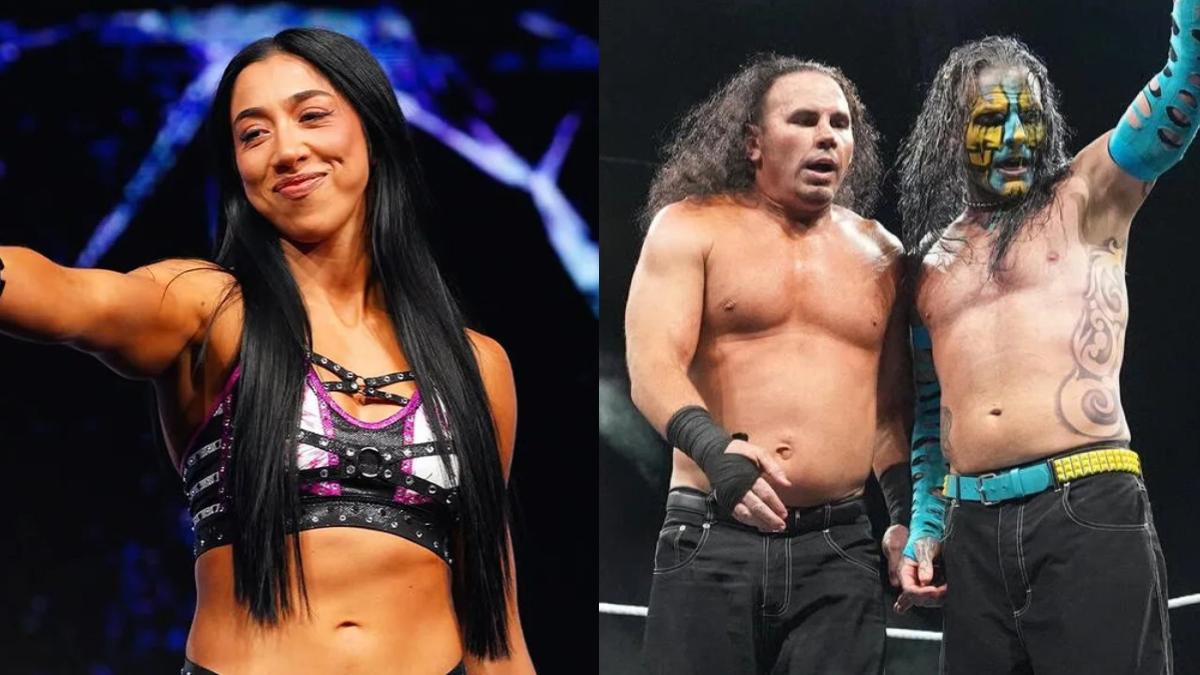
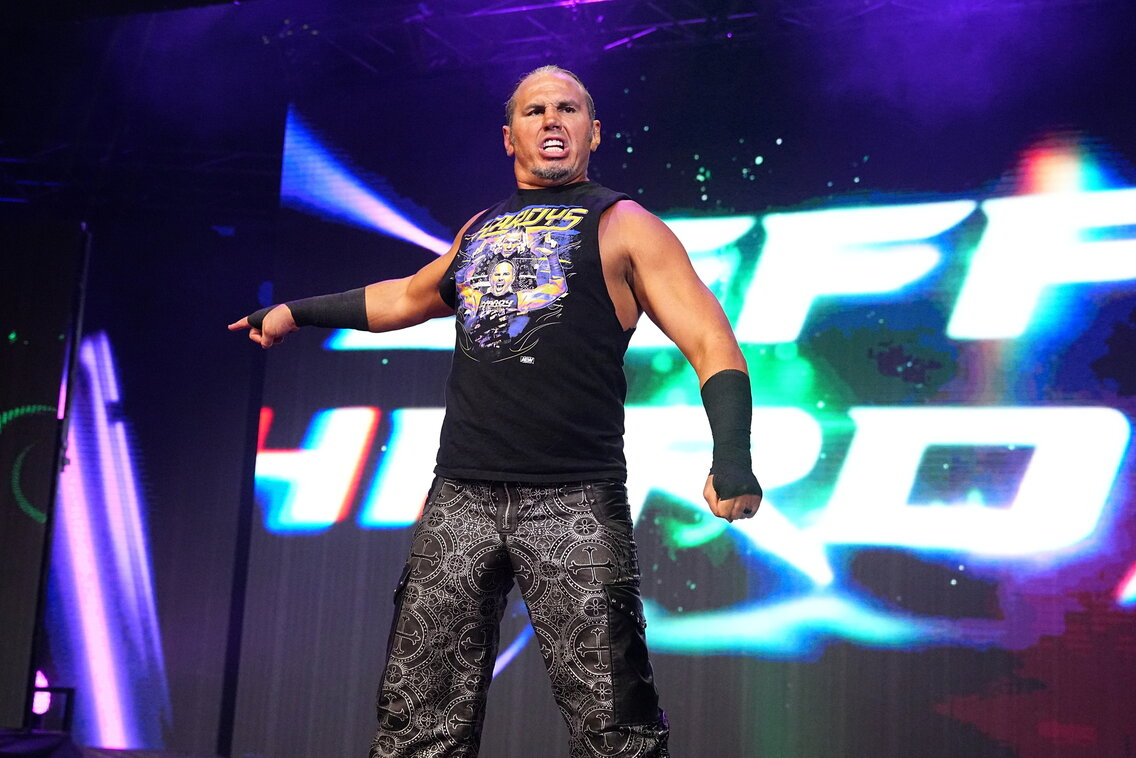
Matt Hardy is already out there doing damage control. He recently went on record stating that those AEW versus TNA crossover matches shouldn't have ever been cleared in the first place. That is a massive statement to make on the record. It is also a highly convenient pivot from a seasoned veteran who knows exactly how to play the political game.
When a high-profile working relationship between two promotions falls apart, the older veterans inevitably step up to toe the company line. Hardy is validating TNA management's decision to pull the plug. He is loudly telling the locker room, and the audience, that TNA needs to protect its own house instead of feeding talent to Tony Khan.
The logistical reality is that inter-promotional matches are a constant booking nightmare. AEW rightfully wants their contracted talent to look dominant on their own television. TNA desperately needs to protect their champions from looking second-rate on a rival broadcast. That inherent friction was always going to cause a massive fire.
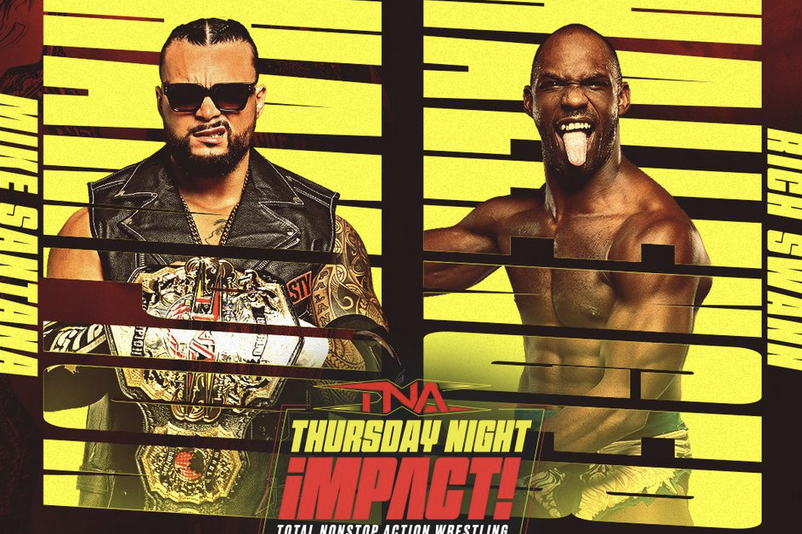
But defending management in interviews won't fix TNA's immediate problem on Thursday nights. They need eyeballs. They need a major distraction from the bungled AEW relationship. They need something to generate chatter before AEW sucks all the oxygen out of the wrestling media leading up to Double or Nothing on May 24.
Matt Hardy knows exactly what lever to pull to get people talking.
The Inevitable Return to the Compound
Earlier this week, Matt dropped the most predictable breadcrumb imaginable regarding his and Jeff's current TNA run. He flatly stated that "changes are coming" to their presentation on upcoming episodes of Impact.
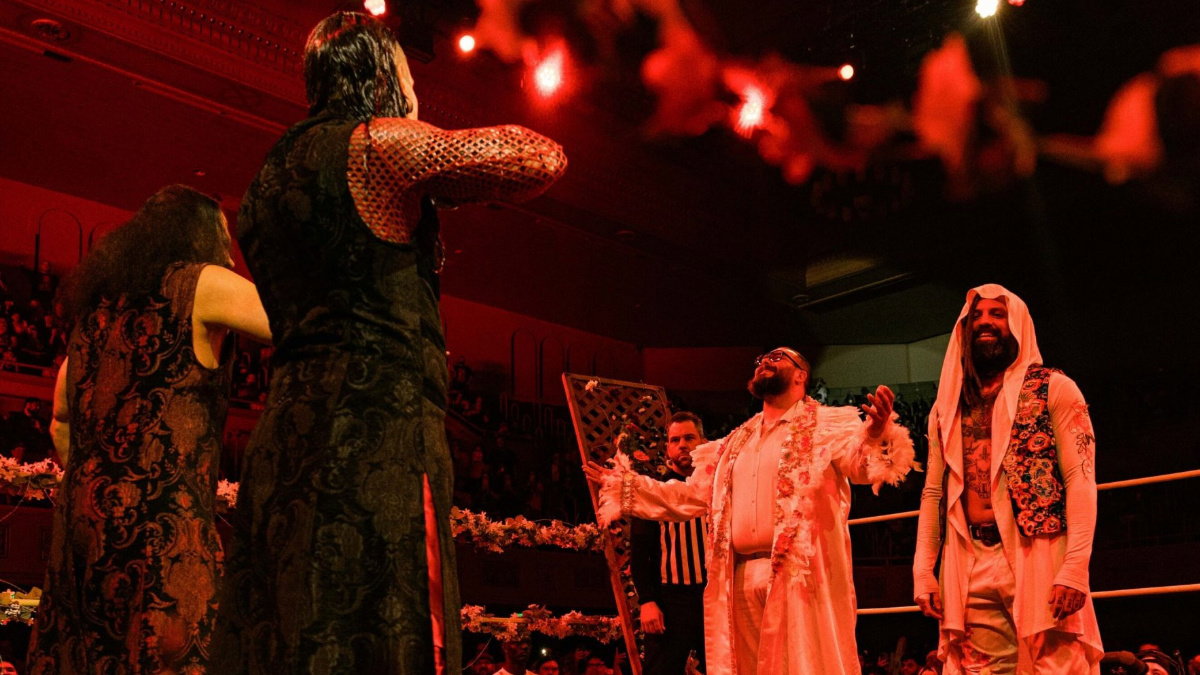
We all know exactly what that coded language means. The bleach is coming out. The bizarre, faux-aristocratic accent is returning. Vanguard 1 is getting fresh batteries. Senior Benjamin is probably warming up the lawnmower. The Hardys are going back to the Broken well.
It is a smart, cynical, and entirely necessary move. Let's be brutally honest about the physical realities of professional wrestling in 2026. Matt and Jeff Hardy cannot keep up with the current blistering standard of television main events.
The snap on the Twist of Fate takes a fraction of a second longer to execute. The grueling climb to the top rope for the Swanton Bomb is noticeably labored. Jeff's recent tenure in AEW was marred by awkward timing and slow movement before his eventual exit. They have given their bodies to this brutal industry for three decades. The physical wear and tear is undeniable, and high-definition television cameras catch every single wince.
The Broken universe isn't just a fun creative outlet for two aging brothers looking to sell t-shirts. It is a strictly necessary physical preservation strategy.
Hiding the Decline Behind Cinematics
Think back to the original Final Deletion in 2016. It was wildly innovative at the time. It shifted the entire industry and birthed the cinematic match era that eventually kept professional wrestling afloat during the empty-arena pandemic years.
But its absolute greatest trick was masking severe limitations. You don't need to take flat back bumps on a stiff plywood ring when you can shoot a wrestling sequence over four hours in a muddy field in North Carolina.
Cinematic matches allow for heavy editing. They allow for stunt doubles, clever camera angles, visual effects, and long, necessary breaks between high-impact spots. For a tag team pushing 50 years old with a documented history of severe spinal and knee issues, that isn't just helpful. It is mandatory for their continued survival in the main event picture.
TNA management understands this dynamic perfectly. By reverting to the Broken gimmick, they can put their most recognizable stars on top of the card without exposing them to the grueling reality of a 20-minute live television sprint against younger talent.
"Changes are coming."
That quote from Matt isn't a simple teaser for a minor character tweak. It is a calculated survival tactic for their careers and a blatant desperation play for the promotion.
Why the Band-Aid Will Fall Off
Here is where the entire strategy falls completely apart. Nostalgia is a highly combustible fuel in professional wrestling. It burns incredibly bright and fast, leaving nothing but thick smoke and an empty tank.
TNA relying on the Broken gimmick in 2026 is a glaring indictment of their current tag team division. The Motor City Machine Guns are long gone. The Good Brothers departed for WWE years ago. The current crop of talent is solid, but they simply do not draw casual viewers.
Instead of taking the hard road and elevating younger, hungrier teams who can work a blistering modern style, TNA is retreating to a decade-old greatest hits album. It explicitly signals to the viewing audience that the future isn't ready to carry the heavy load, so management has to frantically rewind the tape to the past.
When the original Broken run happened, it felt entirely organic. It felt like a bizarre, unhinged creative experiment that somehow slipped past the executives and made it to cable television. It was genuine lightning in a bottle.
Now? It feels like a rigid corporate mandate. It feels like a desperate, mathematically calculated attempt to manufacture viral clips for social media algorithms that moved on to different trends years ago.
The contrast with their former partners in AEW is stark. While Tony Khan is gearing up for a massive pay-per-view with a roster full of prime-age, elite athletes putting on clinics, TNA is digging up the dirt at the Hardy Compound. The gap between the two promotions isn't just financial anymore. It is deeply philosophical.
The Prediction: Titles and Diminishing Returns
I don't just expect the Broken characters to return to television. I expect TNA to put the entire promotional machine firmly behind them. They simply don't have another viable choice.
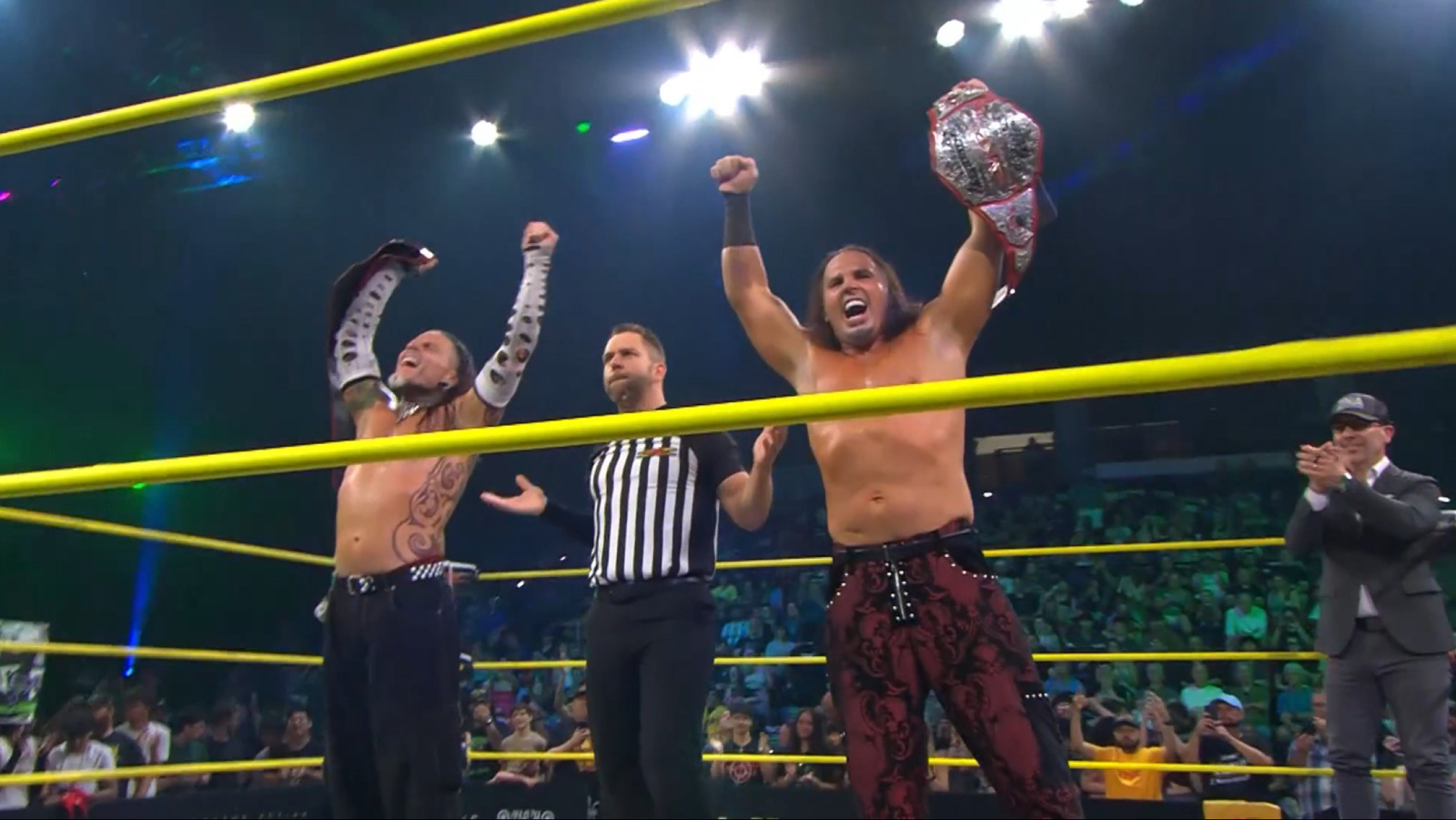
Within the next six weeks, Matt and Jeff Hardy will capture the TNA Tag Team Championships. They will not win them in a standard wrestling match inside an arena. They will win them in a heavily promoted, highly edited, 30-minute cinematic spectacle broadcast directly from the Hardy estate.
TNA will see a temporary, minor bump in their viewership metrics. A few wrestling aggregator accounts will post the wildest, most absurd clips. Longtime fans will chuckle at the returning catchphrases and the familiar, chaotic cast of characters.
But that momentum will not last. The novelty will wear off significantly faster than it did in 2016.
Once the championship belts are physically strapped on the Hardys, the booking corner becomes incredibly tight and unforgiving. Who do they defend the titles against? Do they drag every contending tag team into the swamp for a pre-taped, heavily edited brawl?
Eventually, they will have to defend those titles in a live environment. They will have to wrestle on pay-per-view in front of a paying, expectant audience. And when that bell rings, all the clever editing, dramatic camera cuts, and thick smoke machines in the world won't speed up a labored, sluggish tag team match.
The Hardys are undisputed, first-ballot legends of the industry. Nobody can ever take their massive legacy away from them. But this upcoming pivot isn't about cementing that legacy or pushing new creative boundaries.
It is about a promotion grasping for relevance in the chaotic, embarrassing wake of a failed partnership. The Broken universe will provide a fleeting, comfortable high for TNA. But it will inevitably be followed by a harsh, undeniable crash when they realize they still haven't built anything meaningful for the future.