The Anatomy of the Comeback
Professional wrestling thrives on the cyclical nature of its performers. A return can revitalizing a stagnant card or reveal that a character has reached their natural expiration point. Today's list examines the impact of performers stepping back into the squared circle.
10. Chris Jericho on Dynamite
Chris Jericho’s surprise appearance on this week’s AEW Dynamite ranks last due to its flawed execution. While the pop was audible, the crowd’s reaction remained tepid throughout the segment. Jericho needs a narrative adjustment immediately to avoid feeling like a diminishing returns act.
9. Matthew Rehwoldt
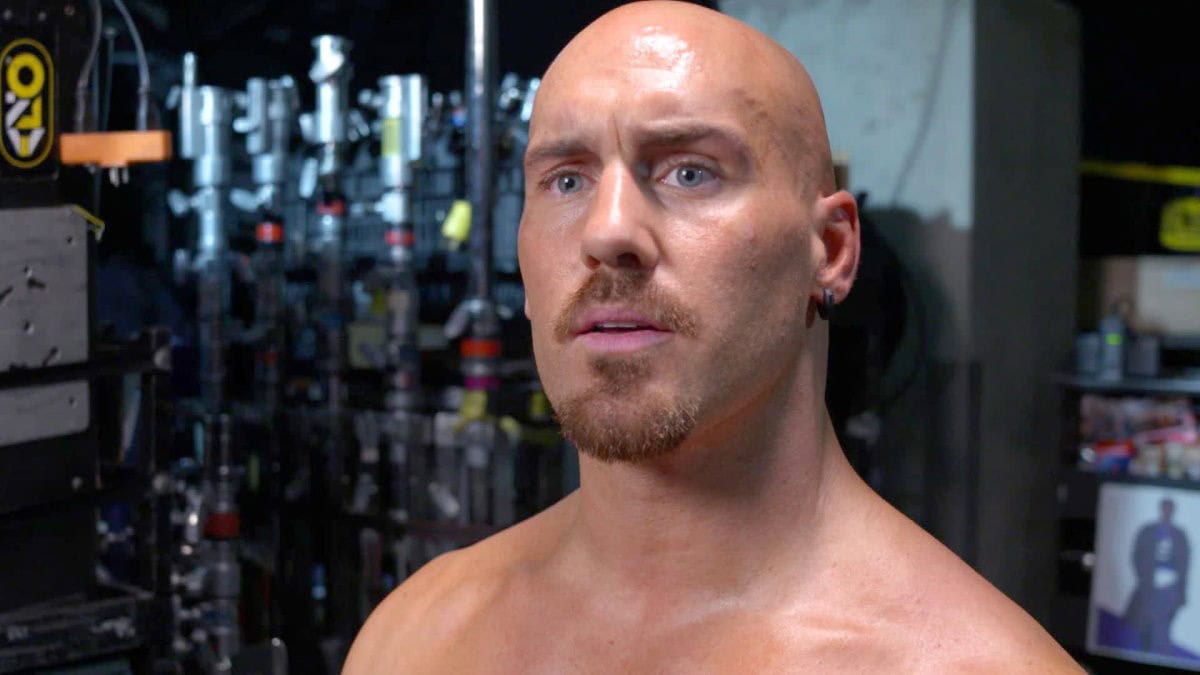
Known to WWE audiences as Aiden English, Rehwoldt has officially announced his path back to active competition. He has been absent from in-ring work since his 2020 release. His technical background makes him a high-floor signing for any promotion, though his long layoff creates questions about his current conditioning.
8. TNA Roster Overhaul
TNA is aggressively pursuing legacy talent to bolster their new era on the AMC Network. By bringing back former stars, they are betting on brand recognition to drive subscriptions. It is a safe strategy, but one that risks alienating fans looking for fresh, hungry talent.
7. The Rock’s Potential WM27 Saga
Looking back 15 years, the conversation surrounding The Rock’s return for WrestleMania 27 remains a definitive case study in industry hype. The build relied heavily on nostalgia, setting a template for modern part-timer booking. As discussed on recent retrospectives, it proved that star power often supersedes narrative logic.
6. The Bret Hart Comeback
Hart’s return to a WWE ring was more about closure than athleticism. The emotional weight of his 2010 comeback far outweighed the quality of his actual matches. It ranks here for its immense cultural significance despite the lackluster in-ring physics.
5. Brock Lesnar’s 2012 Re-entry
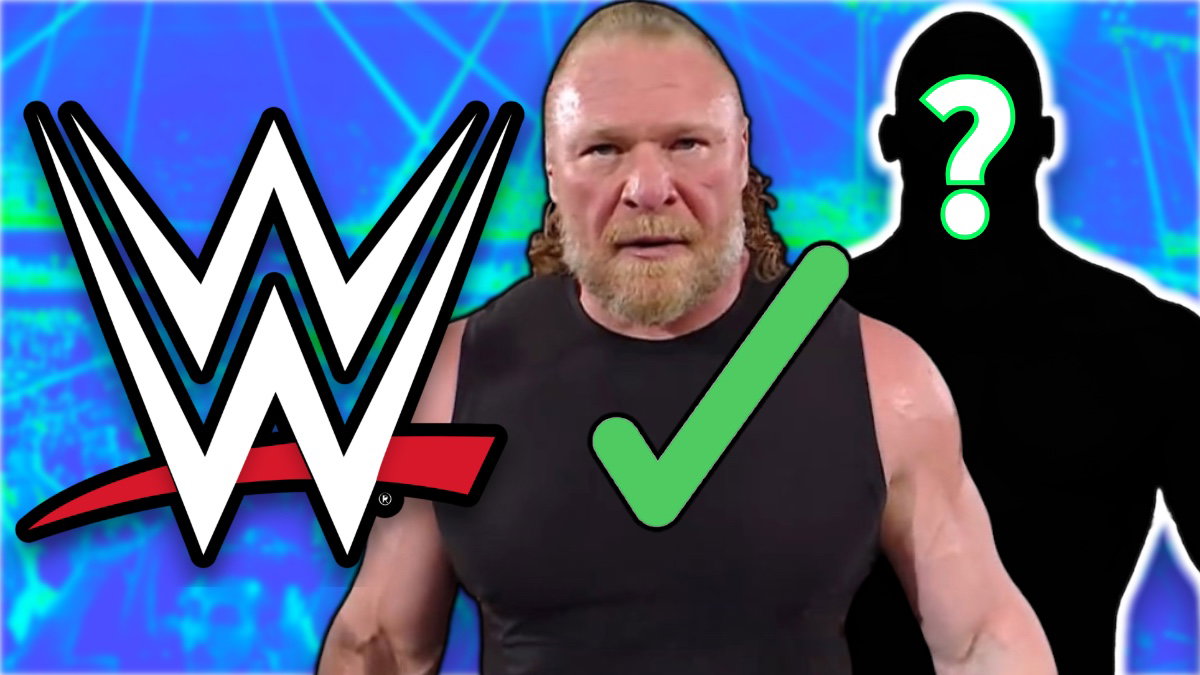
Lesnar returned to attack John Cena, instantly shifting the gravity of the main event scene. Unlike other nostalgia acts, Lesnar returned with an intensity that elevated his opponents. His transition from MMA to the top of the card remains the industry gold standard.
4. CM Punk’s Summer of 2021
Punk’s arrival in Chicago was a cultural phenomenon that shook the foundations of independent wrestling. The pop was authentic and sustained, unlike current crowd reactions to older veterans. It forced AEW to operate on a higher tier of production and scale.
3. Edge’s 2020 Royal Rumble Shock
Nine years of retirement ended in a single entrance at Minute Maid Park. The medical uncertainty surrounding his return added a level of stakes rarely seen in the business. It was a masterclass in controlled, cathartic storytelling.
2. Shawn Michaels in 2002
After a four-year window of uncertainty, Michaels returned to face Triple H at SummerSlam. The quality of his performance shattered the notion that retired stars could no longer keep pace with the modern roster. It ranks second because it lasted years, not weeks.
1. The Return of World Championship Belts
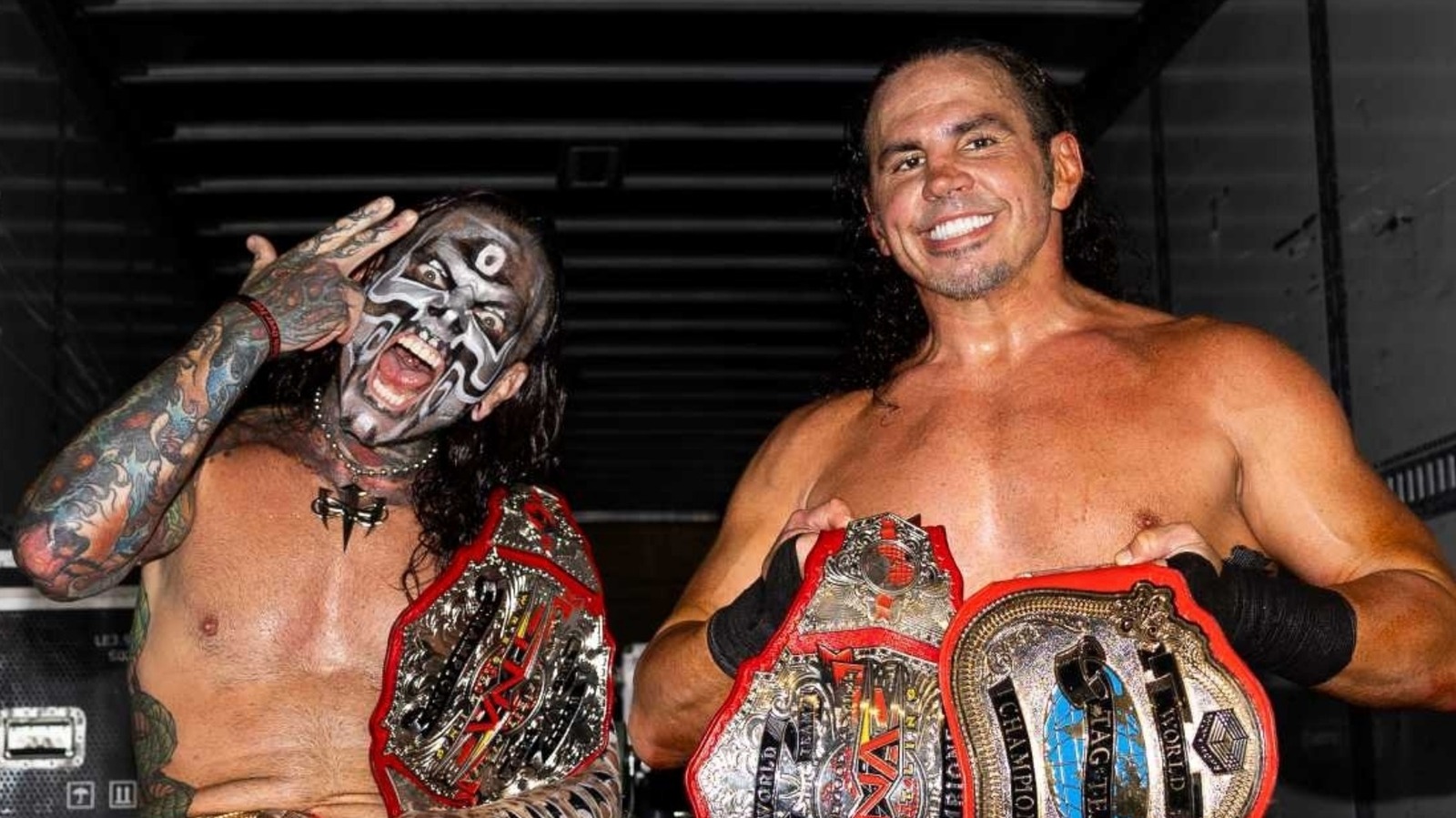
The return of classic title designs in various promotions brings a sense of stakes that modern, overly-complex title designs often lack. When a belt carries visual history, fans invest more in the title’s lineage. It is the cheapest and most effective way to re-contextualize a feud.
Honorable Mentions
The returns of Sting and Christian in AEW both provided decent moments, though neither possessed the longevity of the top five entries. Additionally, the recurring rumors of various retired stars circling the WrestleMania 41 card serve to keep search interest high, even if most never materialize.