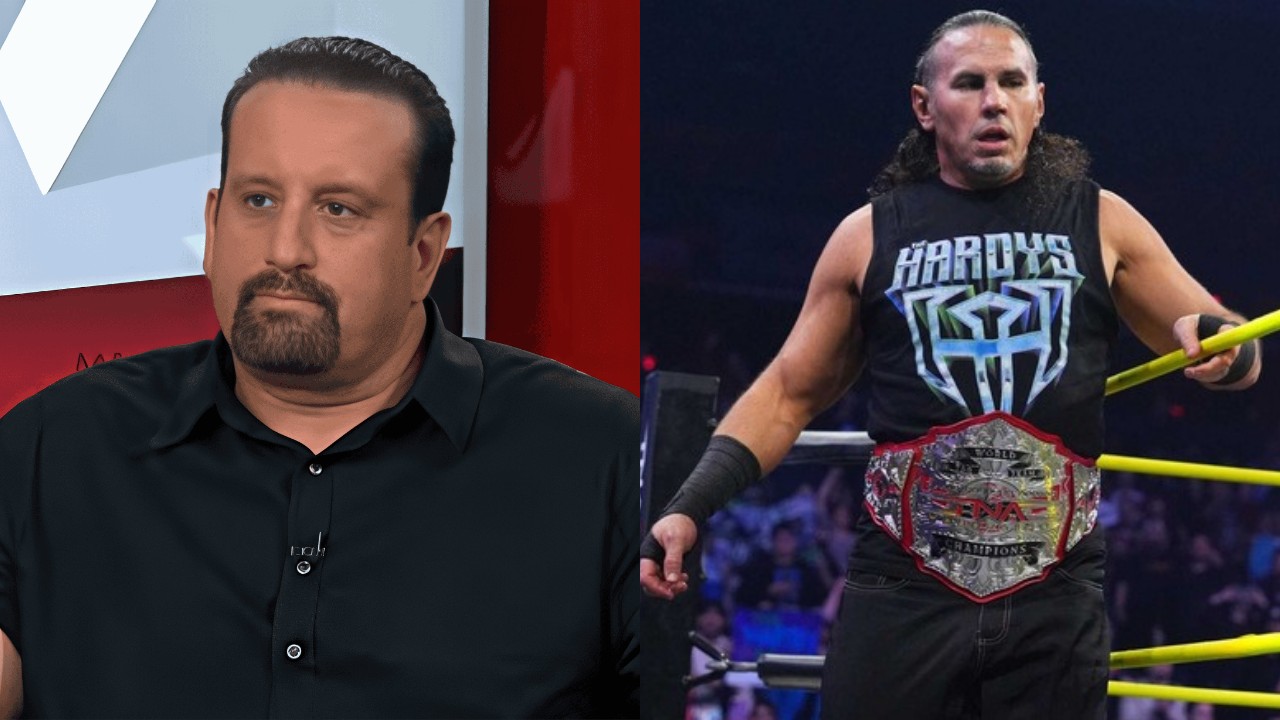
The departure leaves a creative void
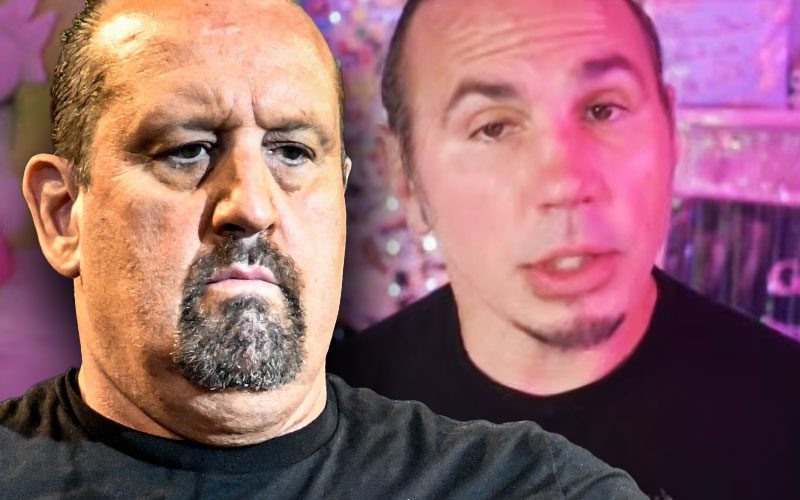
Tommy Dreamer’s departure from TNA Wrestling is official as of June 2026. He served as the primary link between the locker room and management, overseeing production logistics and on-screen creative direction. This leaves the promotion in a state of sudden flux regarding who steers the ship during television tapings.
As WrestlingNews.co reported, Matt Hardy has addressed the shift publicly. Hardy, who has acted as a veteran mentor and peripheral creative force within the locker room, now finds himself in a position to potentially fill the administrative vacuum left by Dreamer’s absence.
Historical precedent for locker room turnover
TNA has a track record of erratic shifts in personnel. When long-term staff leave, the immediate result is often a disorganized transition period. Dreamer acted as the firewall for the promotion’s daily frustrations, handling both the script and interpersonal conflicts.
The loss of a gatekeeper of his tenure creates a significant operational risk. Without a central figure to relay directives, creative consistency on weekly programming is likely to slip in the short term. Production meetings will likely face delays, and mid-card talent may lack the direction required to sustain momentum during tapings.
Strategic implications for the talent
The absence of an established bridge between management and talent is rarely a net positive. When the booking committee loses its longest-serving administrative member, the pressure shifts to the active roster to self-coordinate. For veterans like Matt Hardy, this presents a unique leverage opportunity, though it also creates a double-edged sword regarding his own in-ring workload.
Hardy’s potential shift toward a more heavy-handed creative role could mirror the promotion's past experiments with talent-led booking committees. History suggests these roles often lead to burnout. If the booking department cannot find a suitable replacement for Dreamer’s administrative duties—specifically the liaison work between the creative team and active talent—the quality of show flow will suffer.
The cost of the transition
The most immediate concern isn't just creative; it's operational. Tommy Dreamer was handling tasks that fall well outside the scope of a standard producer. The lack of a clear successor ensures that the next few rounds of Impact television will be experimental at best and disjointed at worst.
The promotion is now sitting at 0% replacement readiness for his specific logistical portfolio. Management must act before the next set of television tapings to avoid a total breakdown in communication. Relying on talent to manage their own booking in addition to their physical work is a strategy that has failed twice in the company's previous twenty years.
If the promotion attempts to stretch the remaining production staff to cover the workload, technical errors during show formatting will inevitably rise. The loss of a singular, authoritative voice in the room often results in competing ideas winning out in the final edit, leading to disjointed storylines that lack a cohesive narrative thread.
Looking ahead to the upcoming tapings
The industry is watching to see how TNA pivots. Creative volatility often serves as a barometer for the health of a promotion's back-office operations. Without Dreamer, the burden of proof falls on the remaining leadership to show that the internal structure can hold during high-stakes production cycles.
Expect the creative output to remain experimental until a permanent replacement is named. The transition period is already underway, and the lack of a clear, public transition plan indicates that management may be scrambling to piece together a new hierarchy.