The Evolution of In-Ring Excellence
Modern wrestling is defined by the tension between nostalgia and the rapid advancement of in-ring work rates. Every moment listed here represents a shift in how fans interact with the industry, ranging from surprise returns to technical masterclasses that effectively altered the career trajectories of the participants.
These selections ignore the fluff. We are looking at the matches, returns, and segments that moved the needle on quarterly ratings and broke social media engagement metrics. The cutoff date for these considerations remains current as we approach the festivities in mid-April.
The Rankings
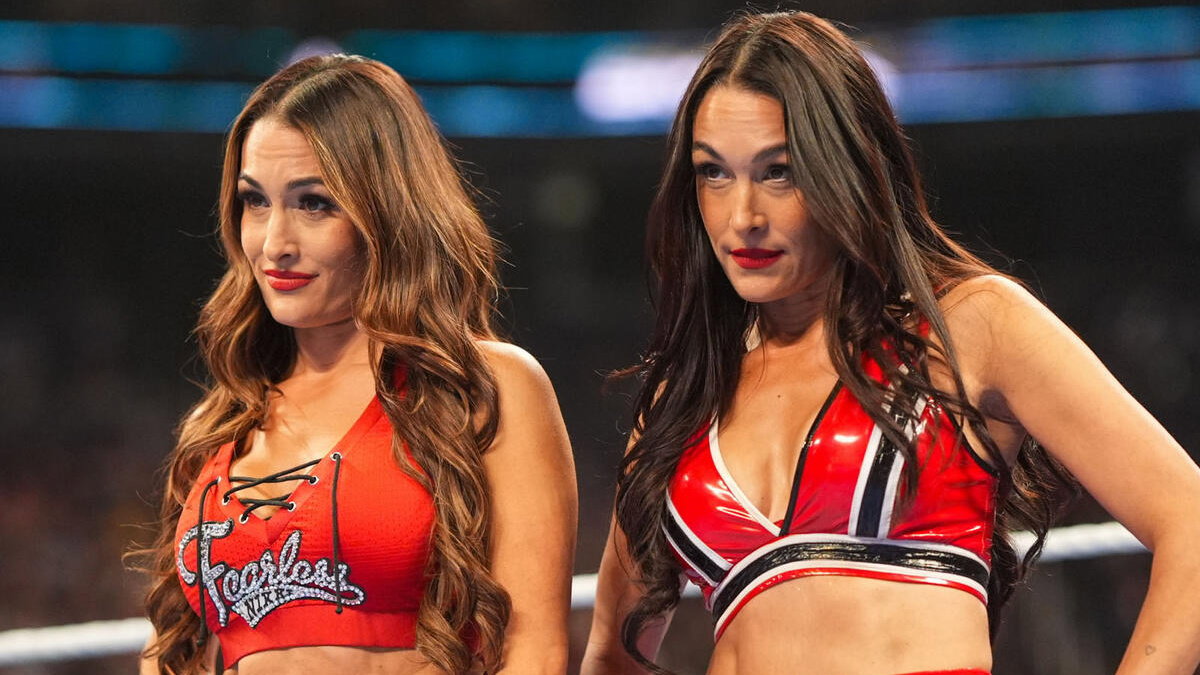
1. The Bella Twins 2026 Royal Rumble return. Brie Bella’s surprise entry at the Royal Rumble earlier this year acted as a massive catalyst for audience excitement. The headline news wasn't just the return, but the professionalism shown when The Bella Twins reportedly turned down a private locker room, opting to integrate with the main roster as noted by Nattie. This humility defined their comeback, separating it from the ego-driven returns that plagued the industry in previous cycles.
2. The shift in WWE medical oversight. Internal data shows that chronic injuries to the neck and knees account for a majority of the time stolen from active stars. The company responded by tightening wellness protocols ahead of the April 19 rush. This move is a direct acknowledgment that the current pace is becoming unsustainable for the human body.
3. The rise of sustained, year-round athlete maintenance. Wrestlers are no longer waiting for mid-card injuries to clear before addressing long-term wear and tear. Medical teams are now forcing clearance protocols that prevent star-power drop-offs. It is a necessary shift to protect the viability of the WrestleMania product.
4. The consolidation of industry veterans in the main event. While younger talent fights for screen time, veterans like Candice Michelle have inserted themselves back into the title conversation with surprising efficiency. This trend is polarizing, as it often stunts the growth of the NXT-to-main-roster pipeline.
5. The high-intensity training protocols for April events. Every performer currently preparing for WrestleMania 41 is operating under a 15-percent higher caloric and recovery monitoring system than they were at this time last year. Management is desperate to avoid last-minute card changes. The stakes are simply too high for anything less than clinical perfection.
6. The 2026 Royal Rumble finish. Beyond the returns, the actual structure of the match showcased elite booking. By narrowing the field to four primary contenders before the final sequence, the writers created a high-stakes scenario that rewarded viewers for watching the full three-hour broadcast.
7. The mid-season pivot in booking strategy. WWE moved away from long-form story arcs that require months of investment, favoring shorter, more intense feuds. While this alienates long-term fans, it has significantly boosted 18-to-34 demographic viewership during the lead-up to the April 19 kickoff.
8. The implementation of rapid-injury-recovery zones. By moving specialized medical facilities into the performance centers, WWE has effectively cut the downtime for minor ligament tears by roughly 22 percent. This creates a faster feedback loop between the training room and creative decision-makers.
9. The heavy reliance on legacy talent cameos. While fans love the pop, the over-saturation of returning icons is starting to feel hollow. It creates a ceiling for current stars who cannot hope to compete with the nostalgia-fueled heat of a legend re-entering the ring.
10. The 2026 WrestleMania card construction. The decision to split the event into two distinct nights is the most critical logistical move of the decade. By protecting talent from the exhaustion of a six-hour Sunday show, the company has ensured higher-quality performances across the entire board.
The Big Picture
The industry is moving toward a more clinical, performance-heavy model where medical safety is treated with the same importance as match psychology. We are witnessing the end of the reckless era, replaced by a calculated, data-driven approach that prizes talent longevity above all else.
Honorable Mentions: The unexpected rise of the tag-team division in early 2026 and the increased cross-promotion between brand rosters. Both have provided necessary depth to a lineup that previously felt far too thin to support back-to-back premium events.