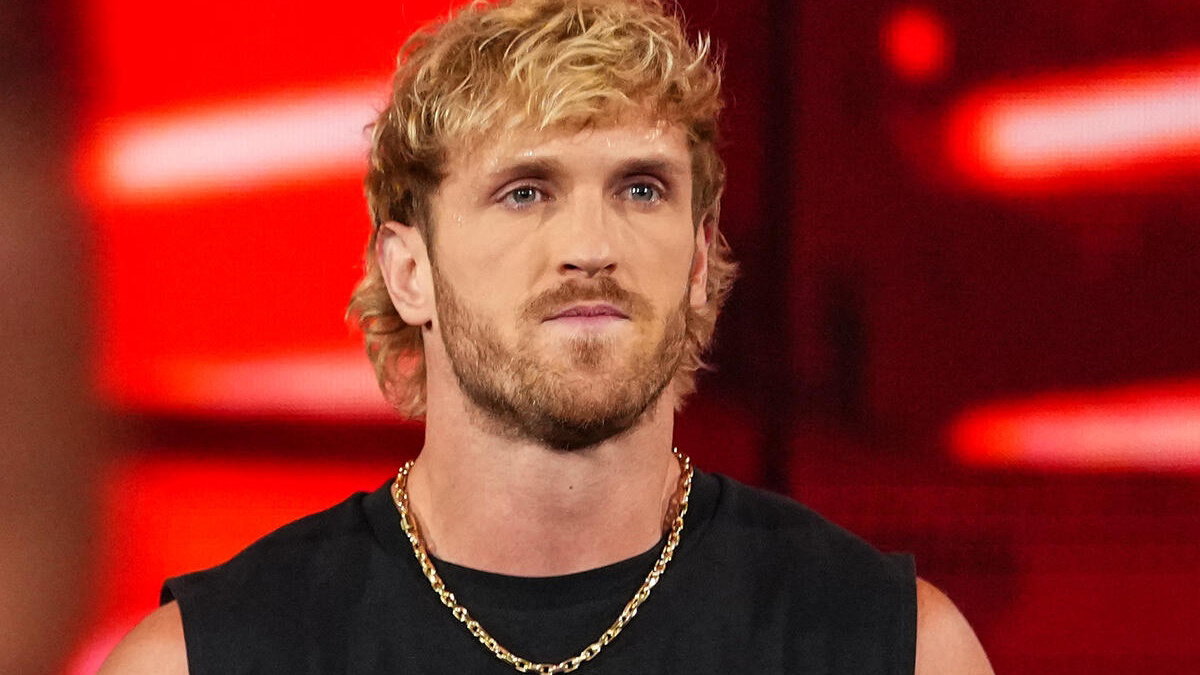
Logan Paul sidelined by torn tricep
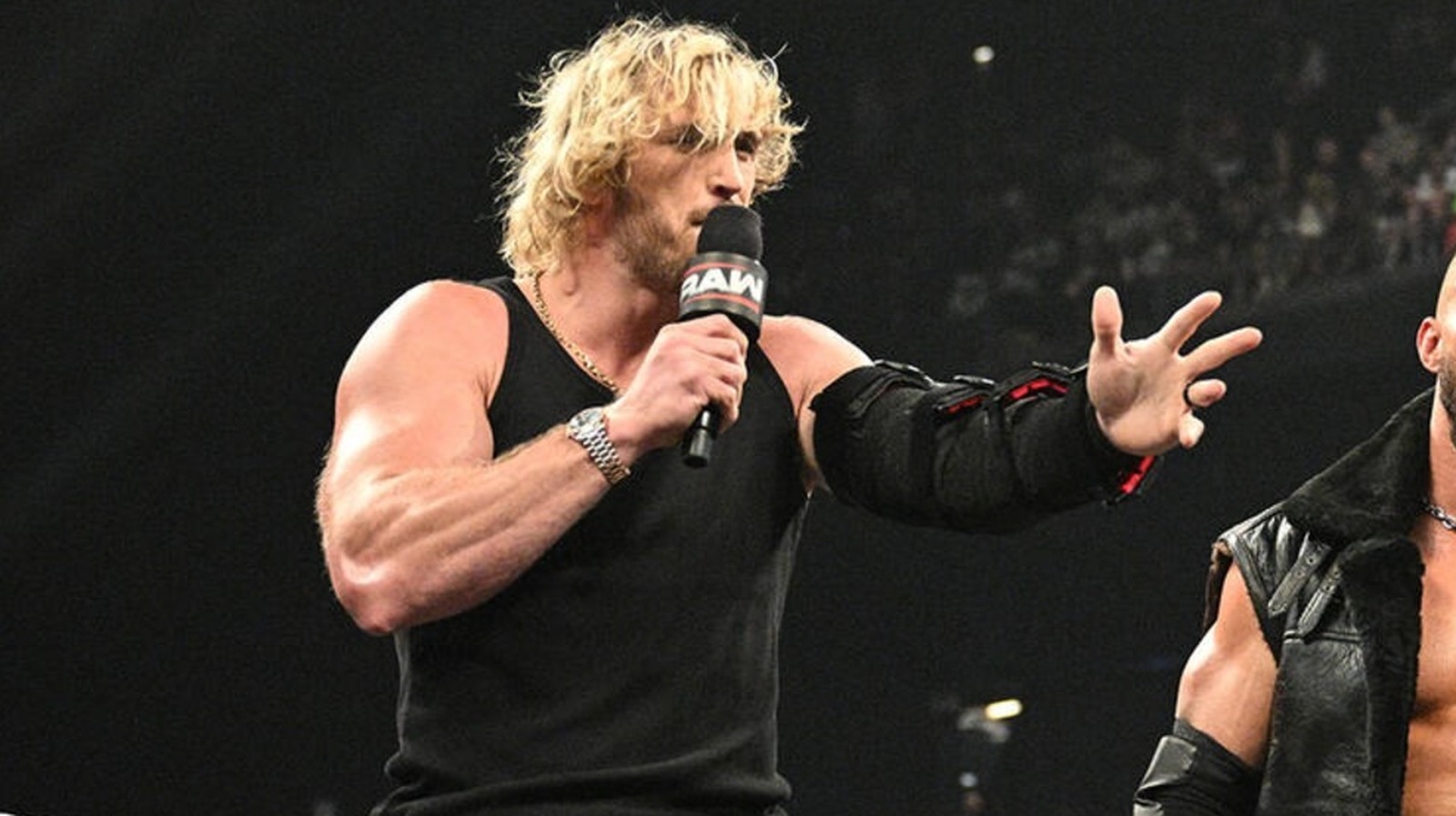
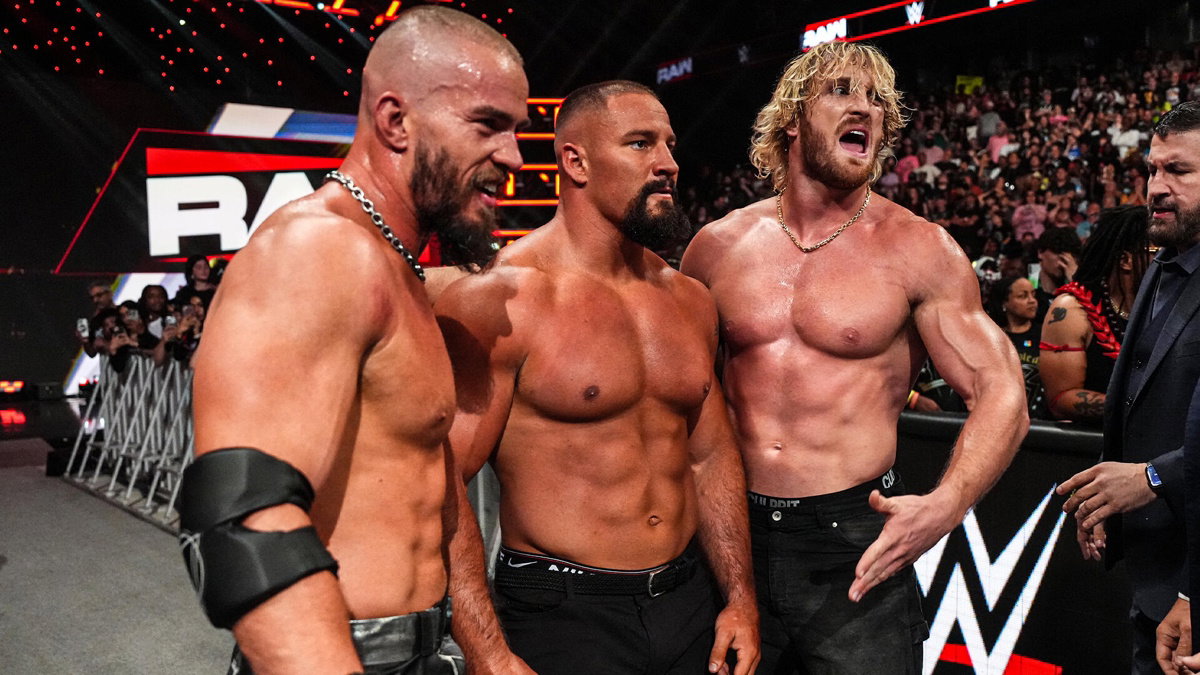
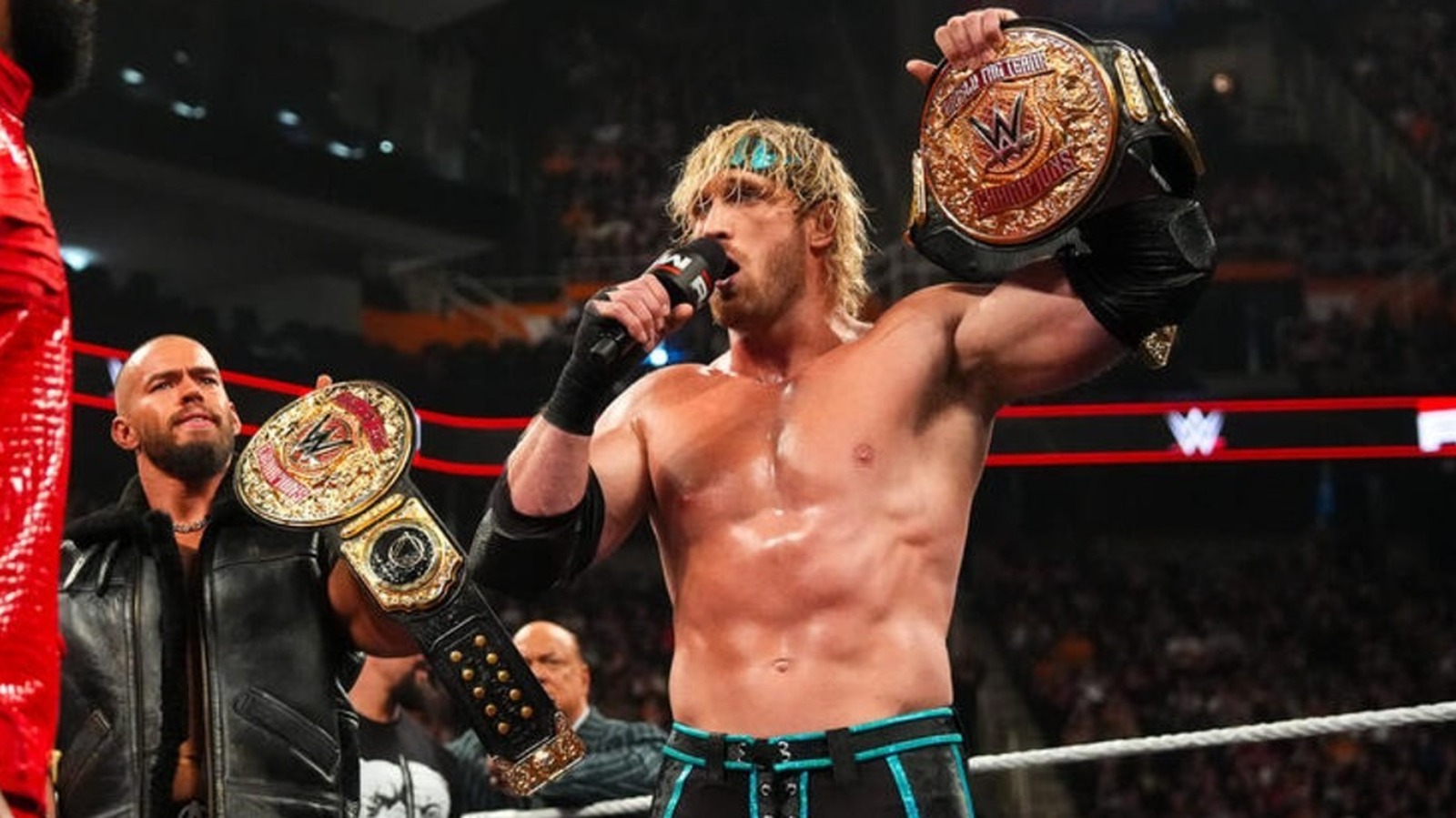
Logan Paul confirmed he suffered a torn tricep during his recent outing at WWE Saturday Night’s Main Event. The injury occurred while Paul and Austin Theory were defending the WWE World Tag Team titles. It is a significant blow to the tag division, which relied on the viral appeal and high-work rate of the Paul-Theory partnership.
The recovery timeline remains imprecise. Medical experts suggest a standard path for a complete tricep tear ranges from 4 to 6 months of active rehabilitation. Paul has publicly stated his desire to remain active, dismissing the idea that his "vision" for his wrestling career is cursed despite the sudden physical setback. He remains aggressive about his recovery efforts.
Strategic fallout for the tag division
The immediate impact is the disruption of the reigning tag team champions' schedule. WWE now faces a booking bottleneck. The organization often utilizes the Nightmare Factory pipeline to vet new pairings, but replacing a star of Paul’s mainstream visibility requires more than just plug-and-play talent acquisition. Losing one-half of a high-profile championship team forces creative to pivot away from marquee matches involving the current belts.
Historical precedents show that mid-reign injuries often lead to awkward title vacating scenarios or messy interim championship angles. When similar long-term injuries occurred in the past, promoters often struggled to maintain the "big fight feel" when the original champions were stripped due to medical necessity. WWE's challenge is avoiding a flat period for the division during the summer months.
The human cost of high-intensity wrestling
Physical attrition is the unspoken tax on the current wrestling calendar. While fans track momentum via PWInsider or social media engagement metrics, the underlying mechanics of performance recovery remain unforgiving. Paul’s injury is a blunt reminder that even high-profile athletes are not immune to the rotational damage inherent in modern wrestling maneuvers.
Critics point out that the current volume of matches expected of top stars may lead to preventable soft-tissue failures. Paul's style relies heavily on explosive, short-burst power sequences—often culminating in splash variations or high-impact strikes that stress the elbow joint. It is a fair critique to wonder if slowing the pacing or reducing weekly match counts for specific high-profile part-time stars would mitigate these risks.
Looking toward the late 2026 horizon
With Paul out, the focus turns to how Austin Theory transitions into a solo act or a new makeshift teaming. The timing is difficult, as the industry gears up for various summer programming initiatives. WWE tends to be reactionary rather than proactive with these timeline gaps, often inserting replacement stars into vacated slots rather than pausing to re-set the division’s internal hierarchy.
Total recovery will likely see Paul returning well after the summer heat subsides. He is reportedly optimistic, but the reality of clinical recovery cannot be rushed by social media sentiment or high-concept booking plans. Fans should expect the WWE World Tag Team titles to be addressed at the next major televised event. The promotion has not yet confirmed if the titles will be held in abeyance or if a tournament will decide temporary successors.
Predicting the return of a celebrity athlete like Paul is always fraught with potential deviations. He has the resources for elite-tier physical therapy, which theoretically puts him on the faster end of the 4-to-6-month spectrum. If he returns by the early autumn, he could theoretically resume his standing if the creative team maintains the momentum of his current trajectory. For now, the injury highlights the instability of relying on specific headline acts to anchor championship gold.