The severity of Paul's tricep tear
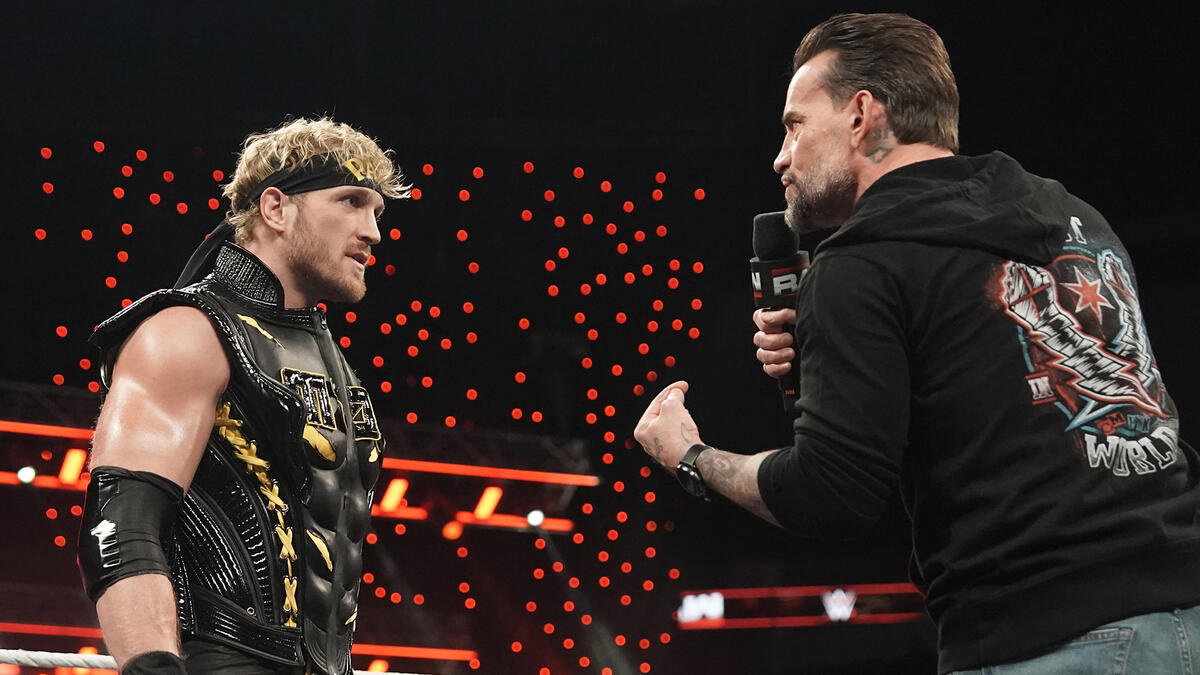
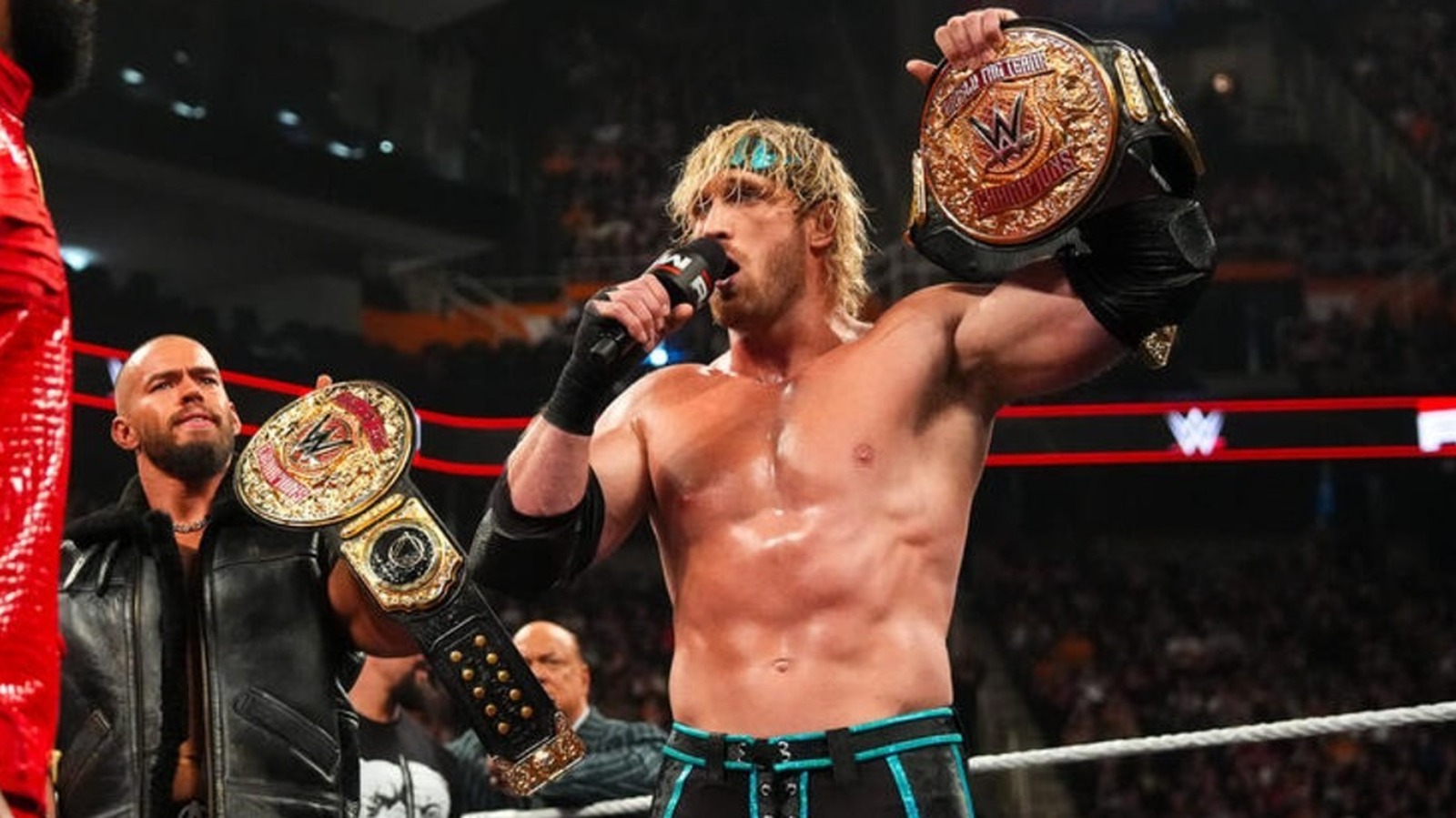
Logan Paul underwent surgery this week to repair a torn tricep, an injury sustained during his recent appearance at Saturday Night's Main Event. The procedure confirms the worst-case scenario for one of WWE's most physically demanding part-time attractions. Medical professionals have issued a sobering recovery window, though the performer remains defiant.
As reported by Wrestling Inc, the initial medical assessment projects a recovery timeline of six months. This timeline would effectively remove Paul from the company's internal plans until the late autumn or winter period. Tricep reattachment surgeries are routine in professional sports, but they necessitate a strict rehabilitation process to regain explosive power.
The athletic friction between athlete and doctors
Paul has publicly expressed disagreement with the six-month prognosis provided by his surgical team. He is actively aiming for an accelerated return to the ring, despite the inherent risks of rushing muscle tissue healing. Betting on a faster return often results in secondary tears, a reality that has plagued veteran performers for decades.
Historical precedents for this injury in professional wrestling do not favor a short-term recovery. Performers like Cody Rhodes and others who suffered significant distal tricep tears generally required the full extent of their physical therapy protocols. Attempting to bypass these sessions can lead to permanent loss of strength and a higher susceptibility to re-injury during high-impact moves like the Buckshot Lariat or top-rope maneuvers.
Strategic vacuum and WWE's booking headache
This injury creates a significant void in the mid-to-upper card for the summer months. Paul occupies a unique space as an attraction that draws high social media engagement and crossover interest from outside the wrestling bubble. WWE, confirmed by PWInsider to be moving forward with internal updates on talent status, now has to reshape its creative direction for the upcoming premium live events.
Removing a feature act of this caliber forces the creative team to elevate talent that currently lacks the same level of mainstream buzz. It is a reality that exposes a lack of depth in the roster's high-profile heel category. Relying on crossover stars creates a fragile booking strategy that falls apart the moment a trainer's table is involved. The company now stares down a summer schedule that lacks one of its primary television draws.
The danger of non-traditional maintenance
The decision to hold Saturday Night's Main Event-style high-impact matches creates increased physical wear on athletes who have limited conditioning for such rigorous in-ring work. Paul’s transition to the ring has been lauded for his natural ability, but constant high-flying carries an increased risk of acute trauma. This is not the first time a major show has resulted in unforeseen roster changes.
Refusing to accept a standard medical timeline is a common psychological defense for active athletes, but it rarely translates to clinical success. If Paul forces a return in four months rather than six, he risks jeopardizing his longevity in the division. Management would be wise to exercise caution, as seen in previous instances regarding wrestler health where medical staff prioritized long-term career stability over the immediate television schedule.
The recovery process will remain the primary talking point for the duration of the year. Fans should adjust expectations regarding his availability for the late-summer stadium tours. The 6-month timeline is the standard for a legitimate tricep reattachment, and any deviation from this path could lead to chronic issues. The industry will watch closely to see if the eventual return is managed through a gradual re-introduction or a rushed main event push.